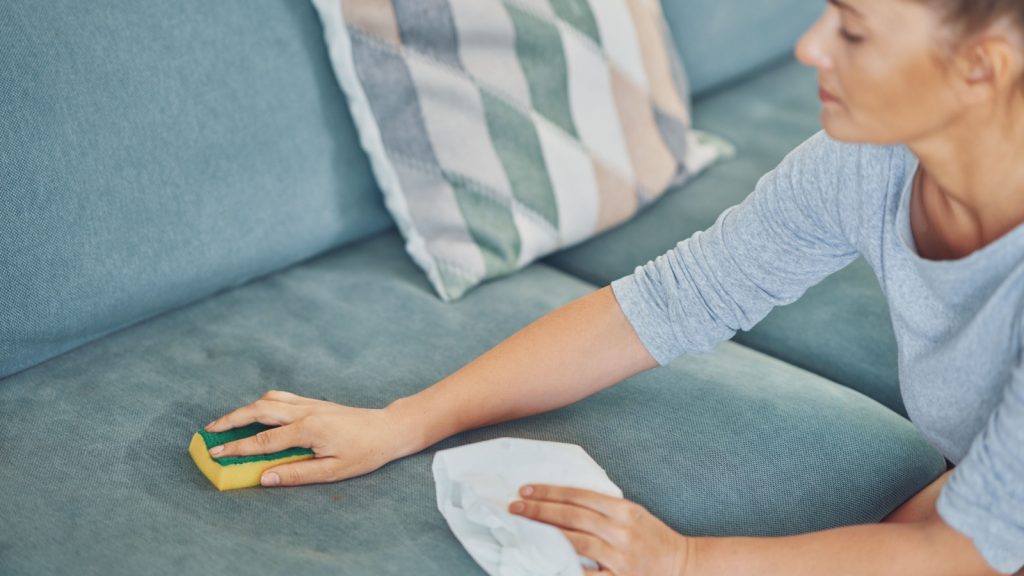

A spilled drink or unexpected stain does not always mean your favorite chair or sofa is permanently ruined. Acting quickly and using the right cleaning approach can often restore furniture while helping you avoid costly replacements.
Many effective stain removal methods rely on simple household items instead of expensive specialty cleaners. A little patience and proper care can keep furniture looking its best for years.
Act before the stain sets
Fresh stains are much easier to remove than ones that have dried into the fabric. Blotting the spill immediately with a clean cloth helps absorb moisture before it spreads deeper into the material.
Avoid rubbing the stain because it can push the mess farther into the fibers. Gentle blotting usually produces much better results with less effort.
Know what your fabric can handle

Not every upholstery material responds to the same cleaning method. Checking the care label or manufacturer instructions before cleaning helps prevent accidental damage.
Testing any cleaning solution on a hidden area first is another smart habit. A quick test gives you confidence before treating a more visible section.
Start with mild cleaning solutions
Strong chemicals are not always necessary for everyday stains. A gentle mixture made with common household ingredients often works well for light spills while being easier on upholstery.
Using a mild cleaner first also reduces the risk of discoloration. If more cleaning is needed, you can gradually move to stronger options that are safe for your furniture.
Use the right amount of moisture
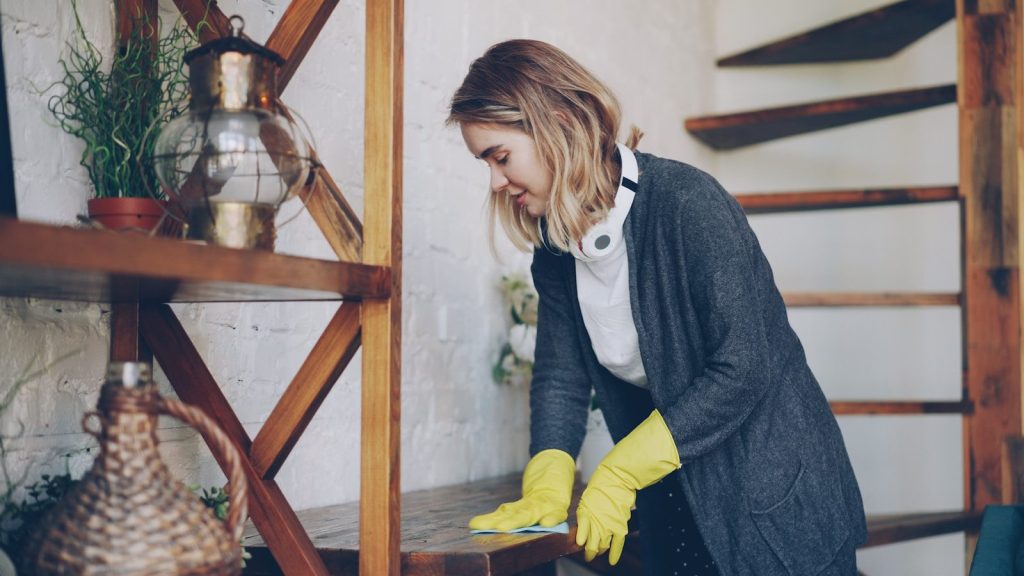
Too much water can create new problems by soaking into cushions and padding. Damp cleaning is usually more effective than saturating the fabric.
After cleaning, allow plenty of airflow so the furniture dries completely. Proper drying helps prevent lingering odors and moisture related issues.
Treat different stains differently
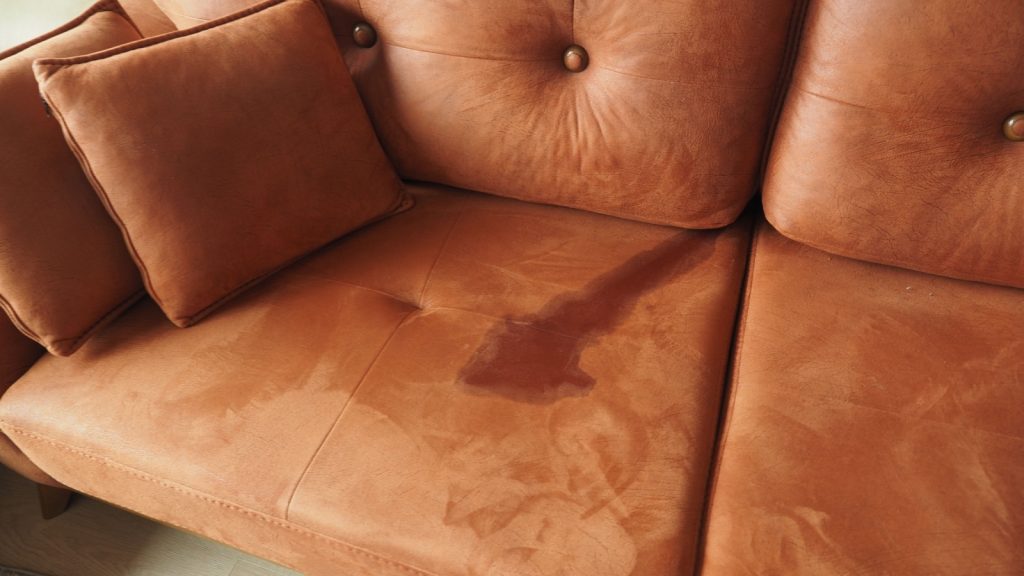
Coffee, grease, ink, and food stains rarely respond to exactly the same method. Understanding the type of stain helps you choose a more effective cleaning approach from the beginning.
Keeping a few basic cleaning supplies at home prepares you for a variety of common accidents. Quick action often delivers the best results regardless of the stain.
Protect furniture after cleaning
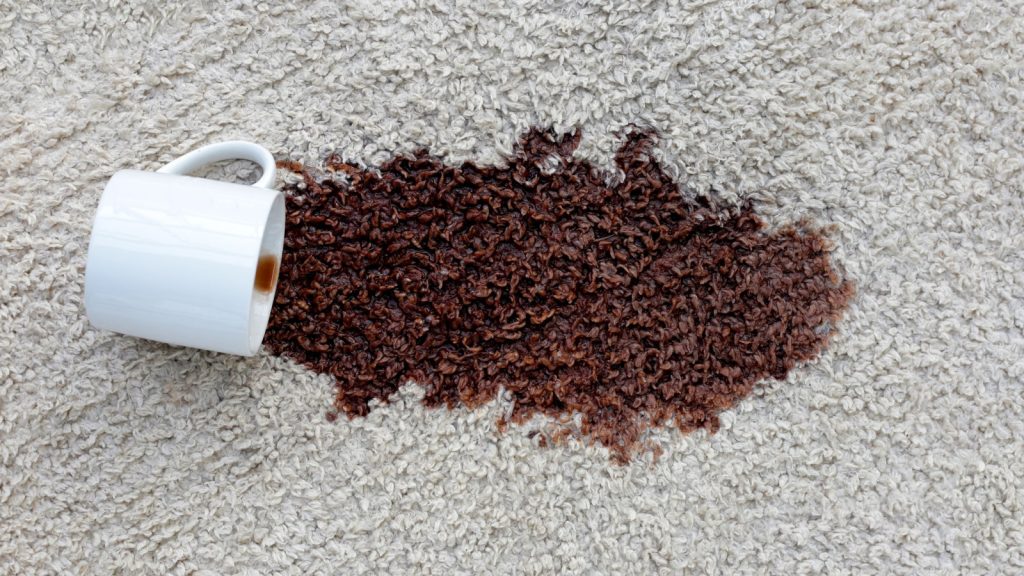
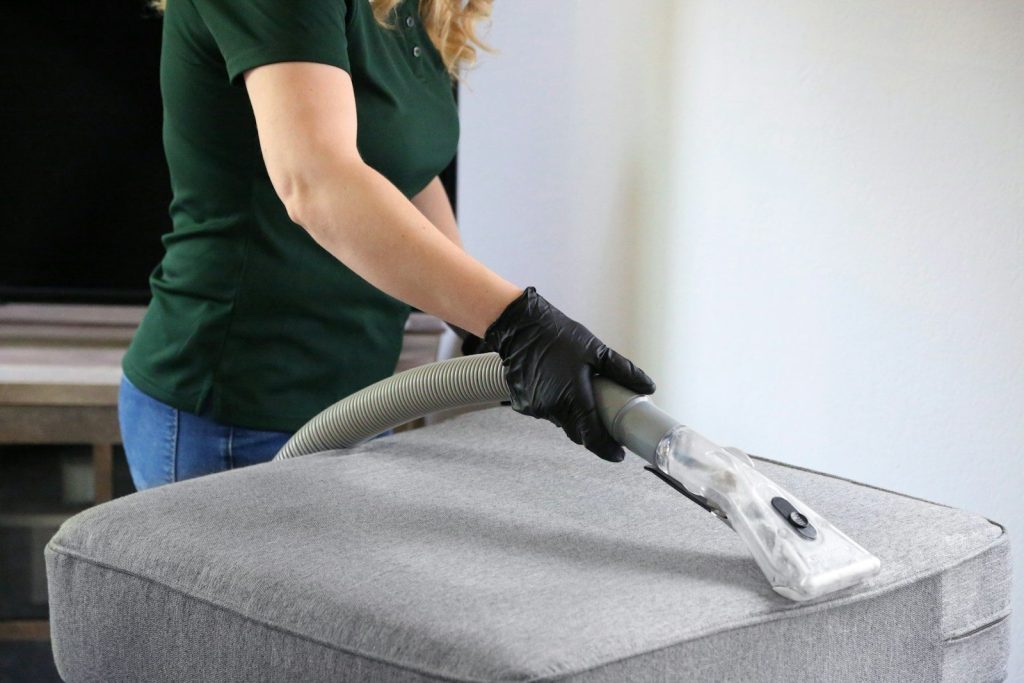
Once the stain is gone, regular maintenance helps keep upholstery looking fresh. Vacuuming fabric furniture removes dust and debris that can wear down fibers over time.
Rotating cushions and cleaning small spots before they become noticeable also extends the life of your furniture. These simple habits reduce the need for deep cleaning later.
Know when professional help makes sense
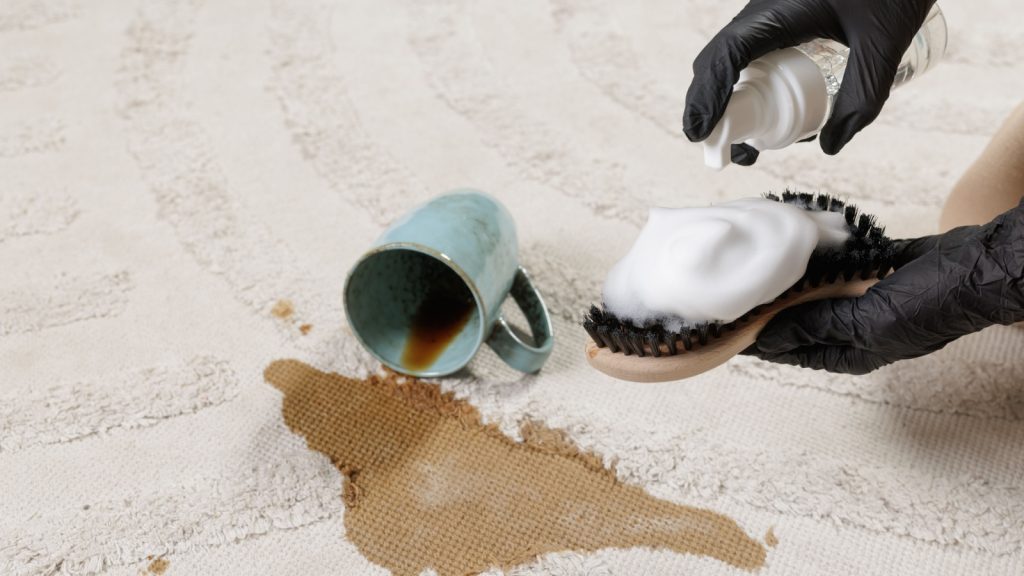
Some stains are too large or too stubborn for home cleaning methods. Delicate fabrics and valuable furniture may benefit from professional care instead of repeated attempts with household products.
Seeking expert help early may prevent permanent damage. In some cases, paying for one professional cleaning costs far less than replacing the furniture.
Make furniture last with smarter care
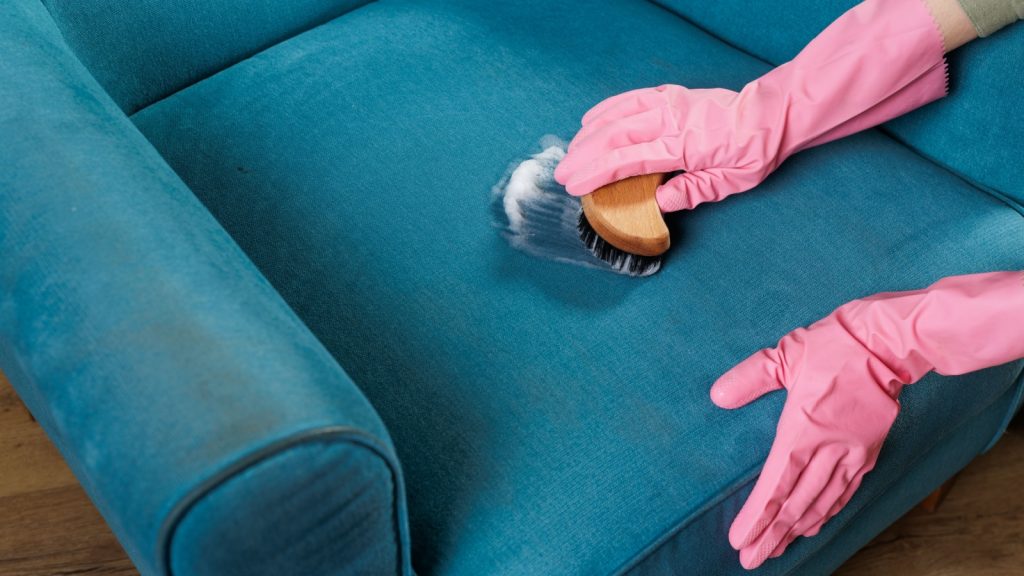
Good stain removal begins with quick action, gentle cleaning, and regular maintenance. These simple habits help preserve furniture while reducing waste and avoiding unnecessary replacement costs.
Taking care of the furniture you already own is one of the easiest ways to stretch your household budget. Small cleaning routines today can help your favorite pieces stay comfortable and attractive for many years.
Featured Image: Photo by Kamil Macniak on Shutterstock