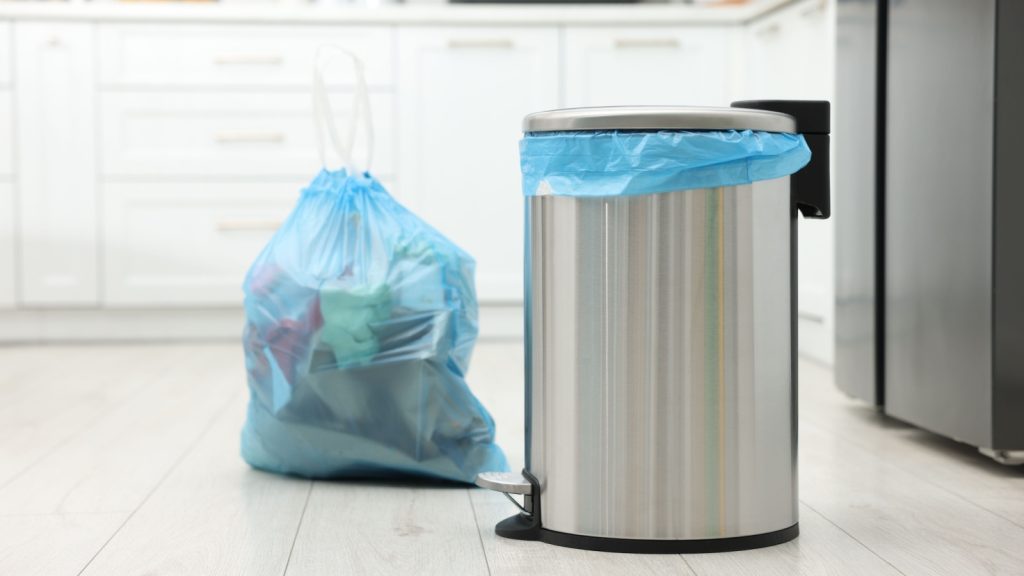

A ripped trash bag rarely feels like a big deal until you are cleaning up leaks, replacing the bag, and scrubbing the trash can. Those small frustrations can quietly add extra work and unnecessary expenses to your routine.
The good news is that spending smarter does not always mean spending more. Choosing the right trash bags and using them wisely can reduce waste, prevent messy cleanups, and help every box last longer.
The cheapest bags often become the most expensive
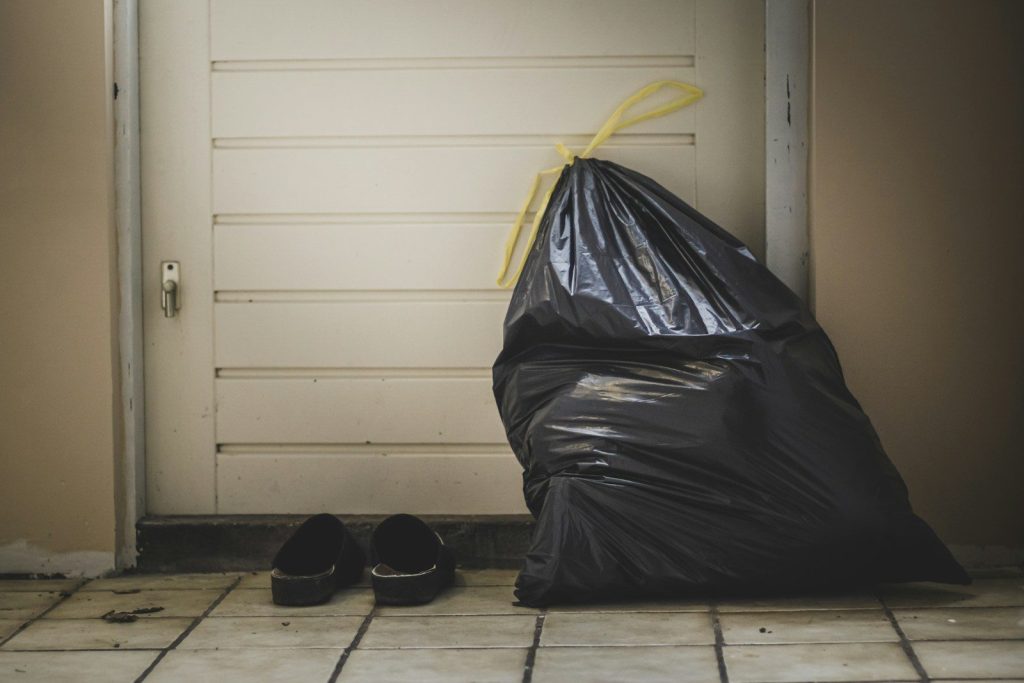
A low price may look appealing, but thin trash bags can split under everyday kitchen waste. Replacing torn bags or cleaning spills quickly erases any savings from the lower purchase price.
Instead of comparing only package prices, think about how well each bag performs. A stronger bag that lasts through the job usually delivers better value over time.
Buy the right size instead of sizing up
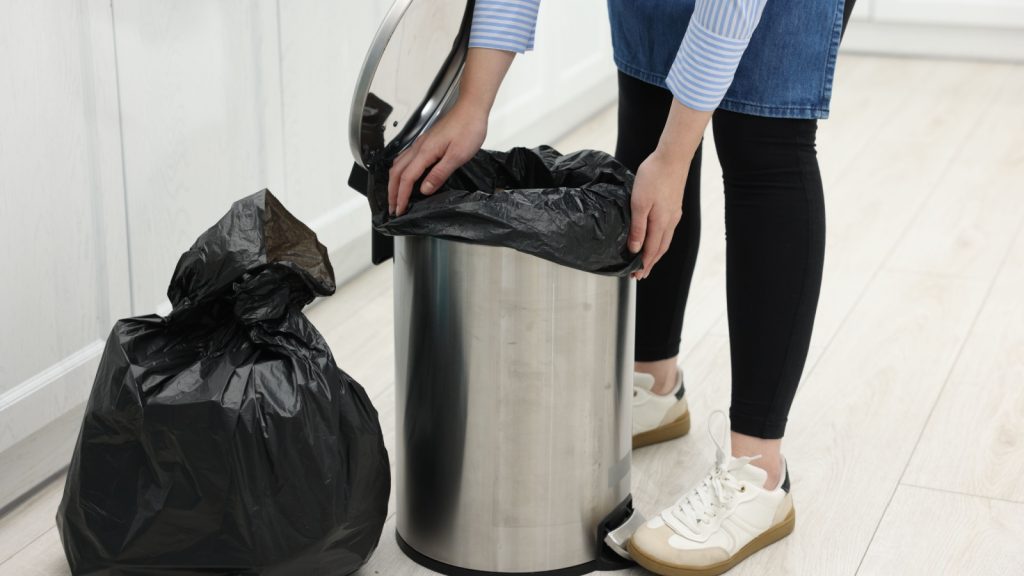
Many households automatically buy larger trash bags just to avoid overflow. Extra material often goes unused, which means paying for plastic that never serves a purpose.
Matching the bag to the size of your kitchen trash can helps reduce waste while making every box stretch further. The right fit also keeps bags from slipping inside the container.
Heavy-duty bags are not always necessary

Strong bags are useful for sharp objects, heavy leftovers, or seasonal cleanups, but they are not essential for every load. Everyday household waste often does just fine with a standard kitchen bag.
Keeping heavy-duty bags for demanding jobs allows you to reserve the more expensive option when it truly matters. That simple choice can lower household supply costs throughout the year.
Reduce leaks before they happen
Wet food scraps are one of the biggest reasons trash bags fail. Liquids collect at the bottom, making even good quality bags work much harder than they should.
Draining containers before throwing them away and wrapping especially wet waste can help protect every bag. Preventing leaks also saves time spent washing the trash can.
Do not overload every bag
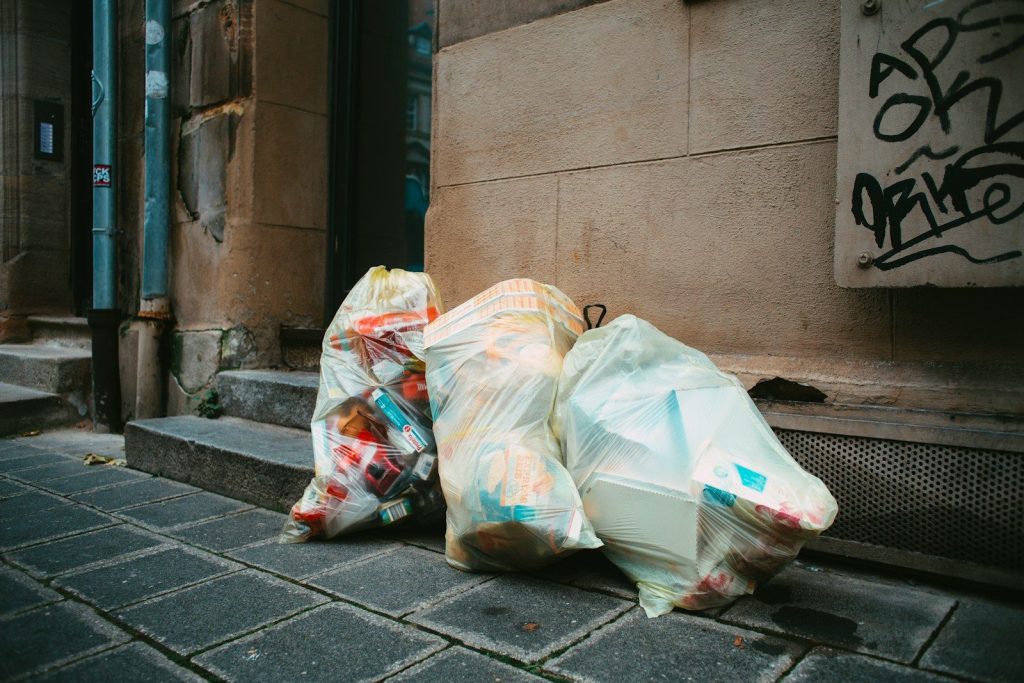
It is tempting to squeeze in one more item before taking the trash outside. Overfilled bags are far more likely to stretch, tear, or burst before reaching the bin.
Taking out the trash a little sooner often prevents wasted bags and messy accidents. One properly filled bag usually costs less than replacing a broken one.
Store unused bags the right way

Trash bags kept in damp or hot places can weaken over time without you noticing. Poor storage may leave them more likely to tear even before they reach the trash can.
Keeping extra boxes in a cool, dry cabinet helps preserve their strength until you need them. Protecting household supplies is another easy way to avoid unnecessary spending.
Think beyond the price on the box

The real cost of a trash bag includes more than what you pay at the checkout counter. Cleanup time, replacement bags, and wasted supplies all add to the total when products fail too soon.
Choosing dependable bags, using the correct size, and avoiding common mistakes helps every purchase go further. Small changes like these make everyday chores easier while helping your household budget work a little harder.
Feature Image: Photo by New Africa on Shutterstock