

Budget advice often assumes everyone thinks about money the same way. In reality, the best budget is usually the one that matches how your brain already likes to organize information, routines, and decisions.
For Saving Savers readers, that means finding a system that feels practical enough to stick with. A budget that works with your habits can save money, reduce stress, and prevent small mistakes from turning into expensive ones.
The Notebook Method Makes Spending Feel More Real

Some people notice their spending habits faster when they physically write numbers down. A simple notebook creates a visual connection between income, bills, and spending that apps sometimes fail to provide.
Writing monthly expenses by hand can also reveal patterns that were easy to ignore before. Many people are surprised by how quickly restaurant visits, subscriptions, and convenience purchases add up once every dollar appears on paper.
Spreadsheets Turn Numbers Into Useful Clues
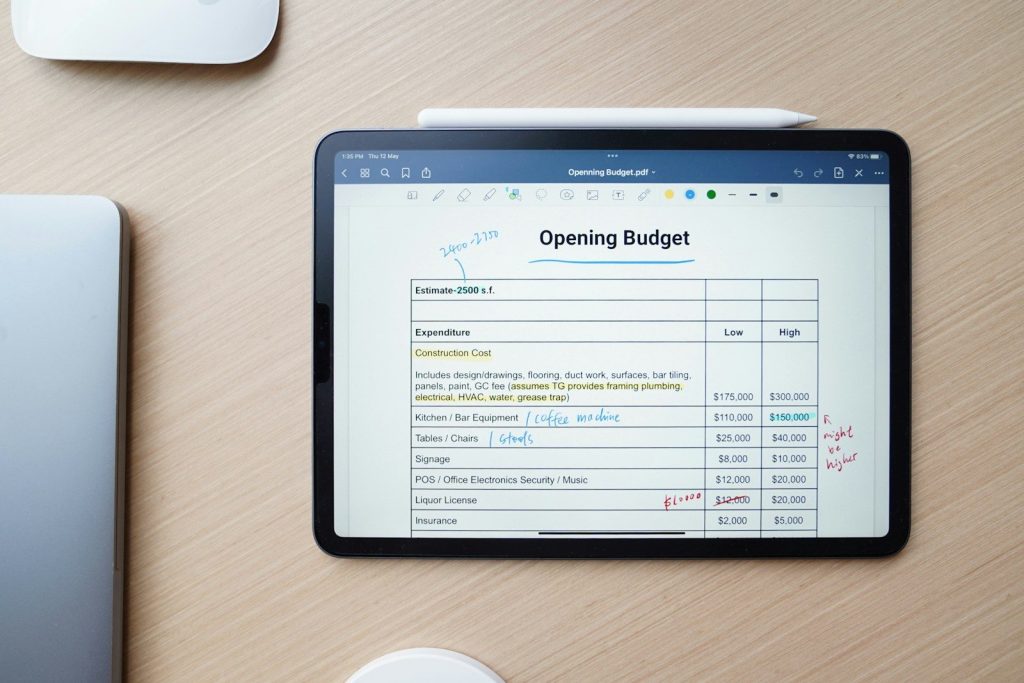
A spreadsheet works well for people who enjoy seeing everything in one place. Automatic totals can show where money goes without requiring calculators or extra effort each month.
The real advantage is flexibility. Categories can change as life changes, making it easier to adjust for school expenses, vacations, or rising grocery costs without starting over from scratch.
Banking Tools Can Handle Part of the Work

Some people prefer systems that remove decisions from the process entirely. Budget focused bank features can automatically separate bill money from everyday spending funds.
This approach creates a built in safety net for recurring expenses. Knowing that rent, utilities, or insurance money is already protected often reduces financial stress throughout the month.
Multiple Accounts Create Natural Spending Boundaries
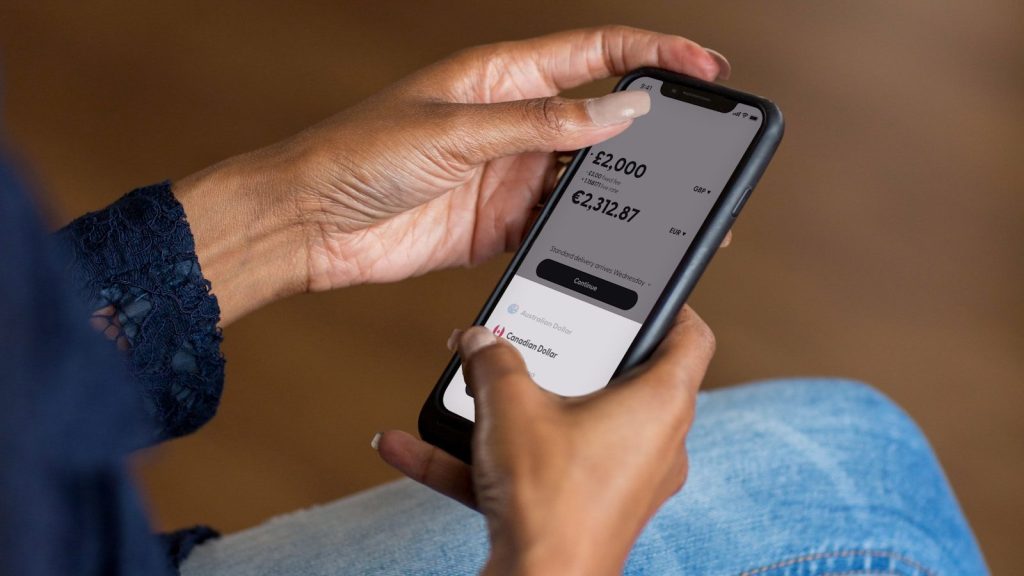
Separating money into different accounts may sound complicated at first, but many people find it surprisingly freeing. One account can cover groceries while another handles transportation or household expenses.
The biggest benefit is visibility. Instead of wondering whether spending is still on track, account balances provide an immediate answer without needing calculations or guesswork.
Weekly Budgets Feel Less Overwhelming Than Monthly Ones
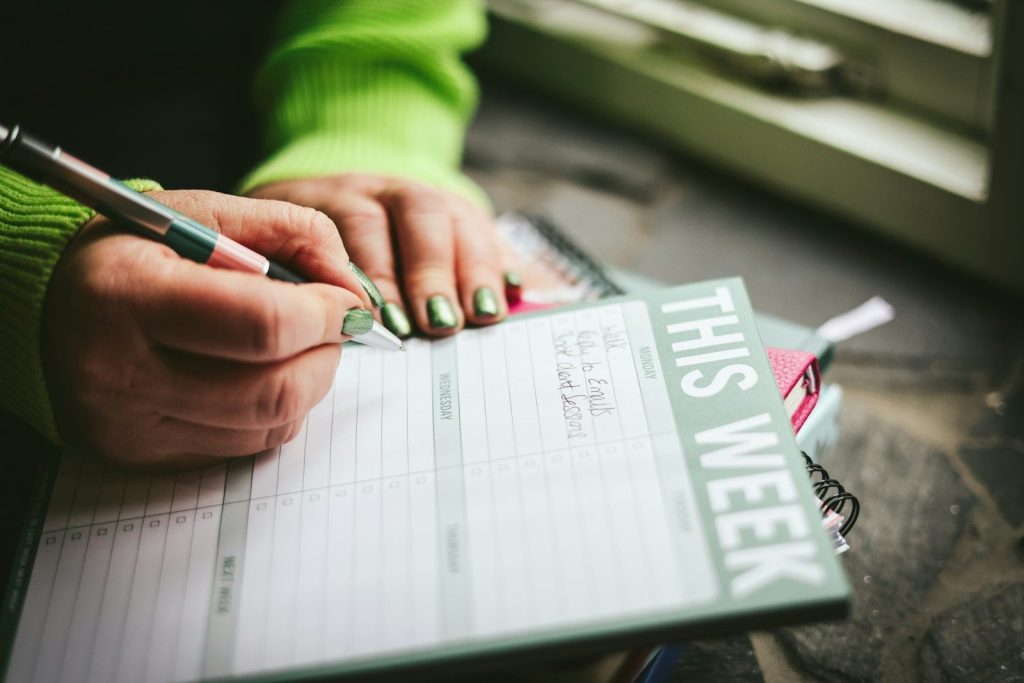
Monthly budgets work well for some households, but others prefer shorter time frames. A weekly spending plan can make adjustments easier and prevent problems from growing unnoticed.
If grocery spending runs high during one week, changes can happen immediately rather than waiting until the next month begins. Smaller windows often make budgeting feel more manageable.
Category Limits Help Priorities Stay Clear

Some people succeed by assigning a spending limit to each category rather than tracking every transaction individually. Entertainment, dining out, clothing, and hobbies each receive their own amount.
This method protects important expenses while allowing flexibility elsewhere. Spending less in one category can create room for another without creating feelings of restriction or failure.
Cash Can Still Be Surprisingly Effective

Digital payments are convenient, but cash spending creates a different experience. Watching bills leave your wallet can make purchases feel more intentional and less automatic.
Many households use cash only for categories where overspending happens most often. Restaurants, coffee runs, and impulse shopping are common places where this approach delivers noticeable results.
The Best Budget Is the One You Actually Use

People often abandon budgets because they chose a system that felt complicated or unnatural. A simple approach followed consistently usually outperforms a perfect system that lasts only two weeks.
Experimenting with different styles can uncover a routine that feels effortless instead of restrictive. When budgeting fits naturally into everyday life, saving money becomes less about discipline and more about habit.