
Sometimes the biggest budget leak is not a major purchase but a steady stream of small items that seemed like good ideas at the time. Learning how to recognize those habits can free up money while making your home feel less cluttered.
A few thoughtful changes can help you buy with more confidence, reduce waste, and appreciate what you already own. Here are practical ways to stop bringing home things that rarely earn their place.
Pause Before Every Purchase
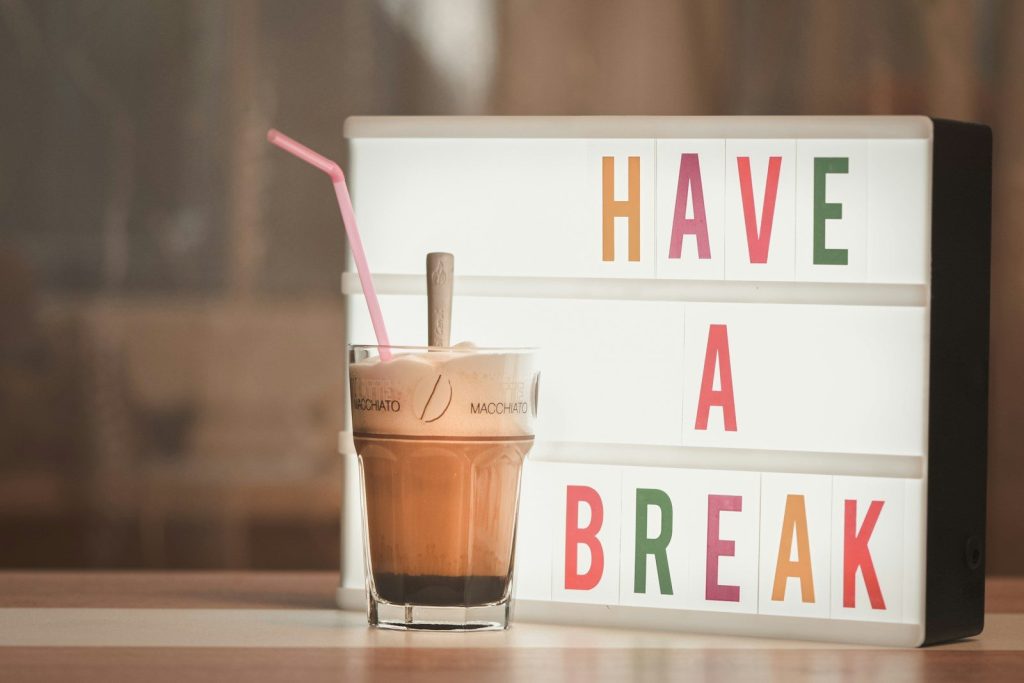
Many impulse buys happen because shopping feels automatic instead of intentional. Creating even a short pause gives your brain time to separate a real need from a passing want.
Try waiting twenty-four hours before buying nonessential items. You may discover the excitement fades, saving both money and valuable storage space.
Shop Your Home First

Before purchasing something new, look around your own home for alternatives. Forgotten supplies, extra containers, or unused tools often solve the problem without another trip to the store.
This habit also helps you remember what you already own. Using existing items first stretches every dollar while reducing unnecessary duplicates.
Make a List That Solves Problems

Instead of browsing for interesting products, write down actual problems you want to solve. Then search only for solutions that truly improve your daily routine.
Buying with purpose leads to fewer regrets. It also keeps spending focused on items that deliver lasting value instead of short-lived excitement.
Avoid Shopping When You Are Bored

Many purchases begin as entertainment rather than necessity. Scrolling online stores during free time often creates wants that did not exist earlier in the day.
Replace browsing with another enjoyable activity such as reading, walking, cooking, or organizing a drawer. You save money while making better use of your time.
Pay Attention to Cost Per Use

An inexpensive item that sits untouched is often more expensive than a quality product you use every week. Thinking about future use changes how you evaluate every purchase.
Ask yourself whether you can picture using the item regularly over the next year. If the answer is unclear, it may be worth leaving behind.
Unsubscribe From Constant Temptation

Promotional emails and shopping alerts encourage spending by creating urgency. Fewer marketing messages mean fewer chances to make impulse purchases.
Keep notifications only from stores you truly rely on. Reducing digital temptation makes thoughtful shopping much easier over time.
Celebrate Using What You Already Own
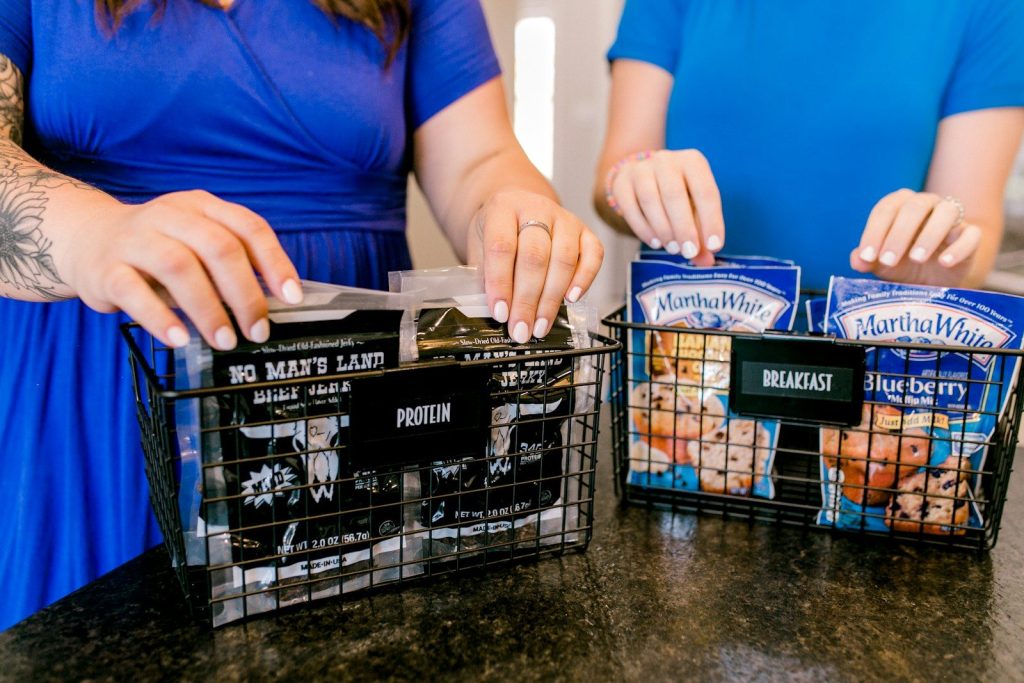
Challenge yourself to finish pantry ingredients, beauty products, craft supplies, or cleaning products before replacing them. This simple practice helps reduce waste while revealing what deserves to be purchased again.
Many people discover they already have enough to meet their needs for weeks or even months. That realization often changes future shopping habits for the better.
Build Habits Instead of Chasing Deals

A great sale is not a bargain if the product never gets used. Saving money comes from buying fewer things with greater purpose, not collecting discounts.
Small buying decisions add up throughout the year. When each purchase supports your lifestyle instead of adding clutter, your budget and your home both benefit.