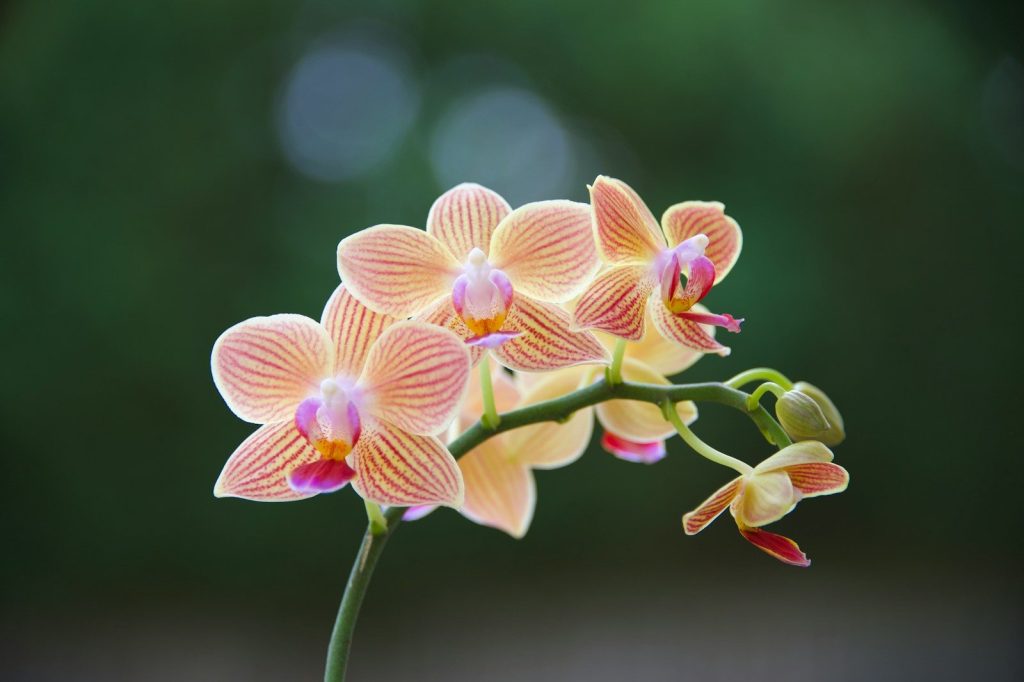

Many flowers look like they belong in a professional garden cared for by experts. Large blooms, unusual shapes, and rich colors often make certain plants seem difficult to grow. In reality, many of these flowers are surprisingly manageable for beginners.
Gardeners in 2026 continue to look for flowers that deliver strong visual appeal without requiring constant attention. Several well-known plants fit that description perfectly. With basic care and the right growing conditions, these flowers can thrive in home gardens, patios, and containers. The following flowers have a reputation for being demanding. Most of them are far easier to grow than expected.
1. Orchids
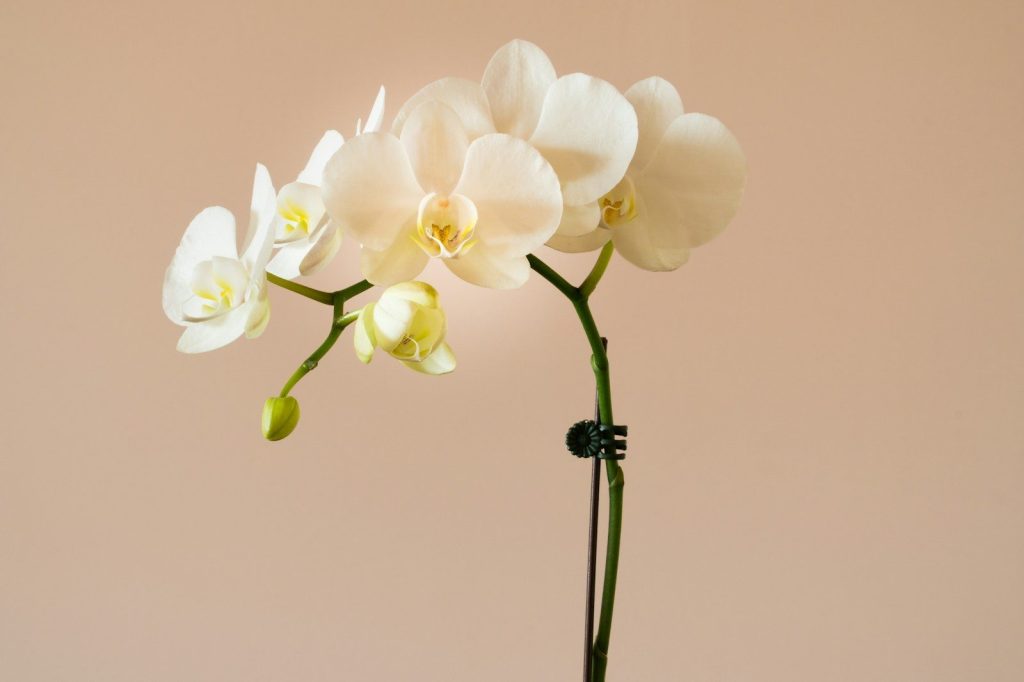
Orchids often intimidate beginner gardeners because of their elegant appearance. Many people assume these plants need constant maintenance and exact conditions. Popular orchid varieties such as Phalaenopsis are actually simple to care for indoors.
These orchids grow best in indirect sunlight with moderate watering. Most problems come from giving them too much water rather than too little. A watering schedule every week or two is usually enough. Modern orchid pots and growing mixes have also simplified plant care. Healthy orchids can bloom for several weeks and produce flowers again year after year.
2. Peonies
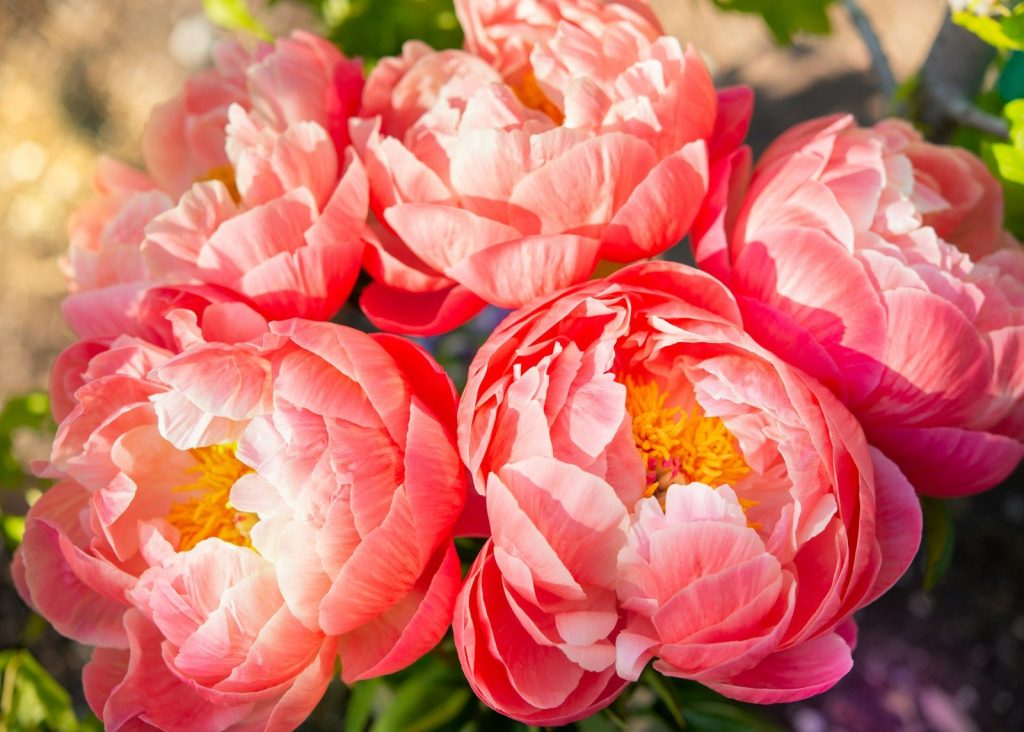
Peonies produce large blooms that give gardens a classic and expensive appearance. Their delicate petals make them seem difficult to maintain, though the plants themselves are very dependable.
Once established, peonies require little attention. They prefer sunny locations and soil that drains well. Regular watering during dry periods usually provides enough support for healthy growth.
Many peony plants continue blooming for decades. Some gardeners pass them down through generations because of their long lifespan and consistent flowers. Patience matters during the first growing season. After that, peonies often become one of the easiest plants in the garden.
3. Dahlias
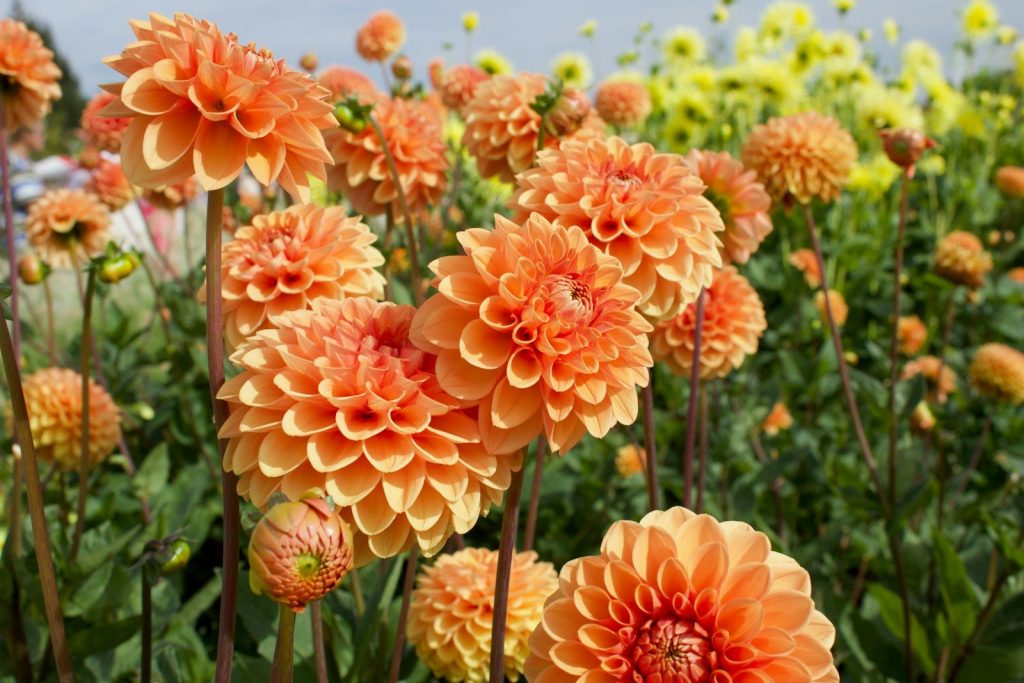
Dahlias are known for bold colors and perfectly layered petals. Their dramatic appearance often leads people to believe they require expert care. These flowers are much more forgiving than expected. Dahlias grow well in sunny areas with regular watering. They bloom heavily through summer and early fall, giving gardens long-lasting color.
The plants grow from tubers, which can be stored during winter in colder regions. Gardeners in warmer climates often leave them in the ground year-round.
New dahlia varieties released in recent years offer stronger disease resistance and longer bloom periods, making them even easier to grow in 2026.
4. Hydrangeas
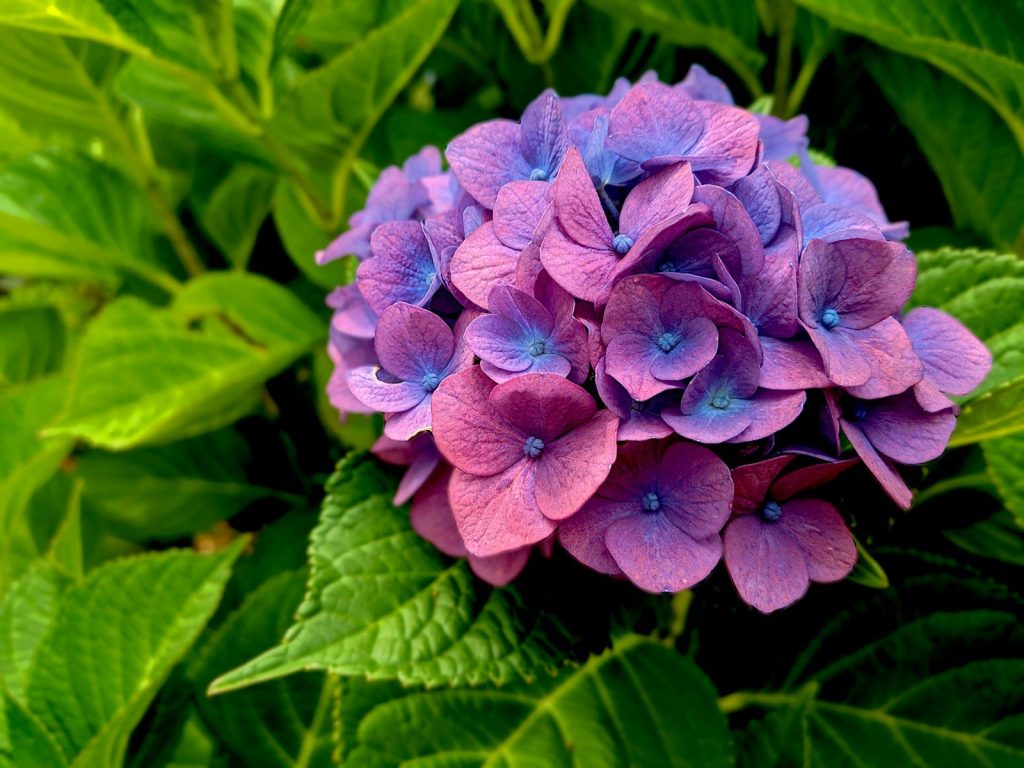
Hydrangeas stand out because of their oversized flower clusters and full appearance. Many gardeners avoid them because they seem difficult to manage. Most hydrangea varieties are dependable and beginner-friendly. These plants grow best with morning sunlight and some afternoon shade. Consistent watering helps them stay healthy during hot weather.
Hydrangeas usually need only light pruning once or twice a year. Many varieties bloom reliably with minimal effort after becoming established. Some hydrangeas also change color depending on soil conditions. Blue, pink, and purple shades can appear naturally based on soil acidity.
5. Calla Lilies
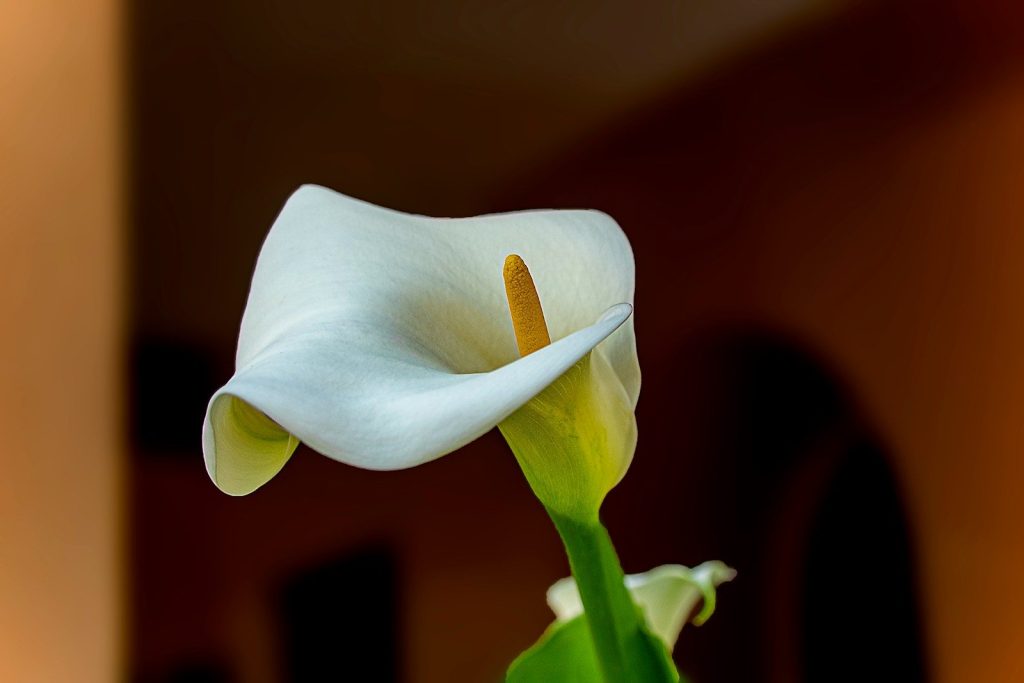
Calla lilies have smooth, sculpted blooms that create a polished look in gardens and containers. Their elegant shape gives the impression of a high-maintenance flower. Growing them is fairly straightforward. These plants enjoy warm temperatures, bright light, and moderate watering. They perform well in outdoor beds and decorative pots.
Calla lilies grow from underground rhizomes that store nutrients and energy. This helps the plants recover quickly from short periods of stress or inconsistent care. Their blooms appear clean and refined, making them popular for modern garden designs and patio arrangements.
6. Clematis
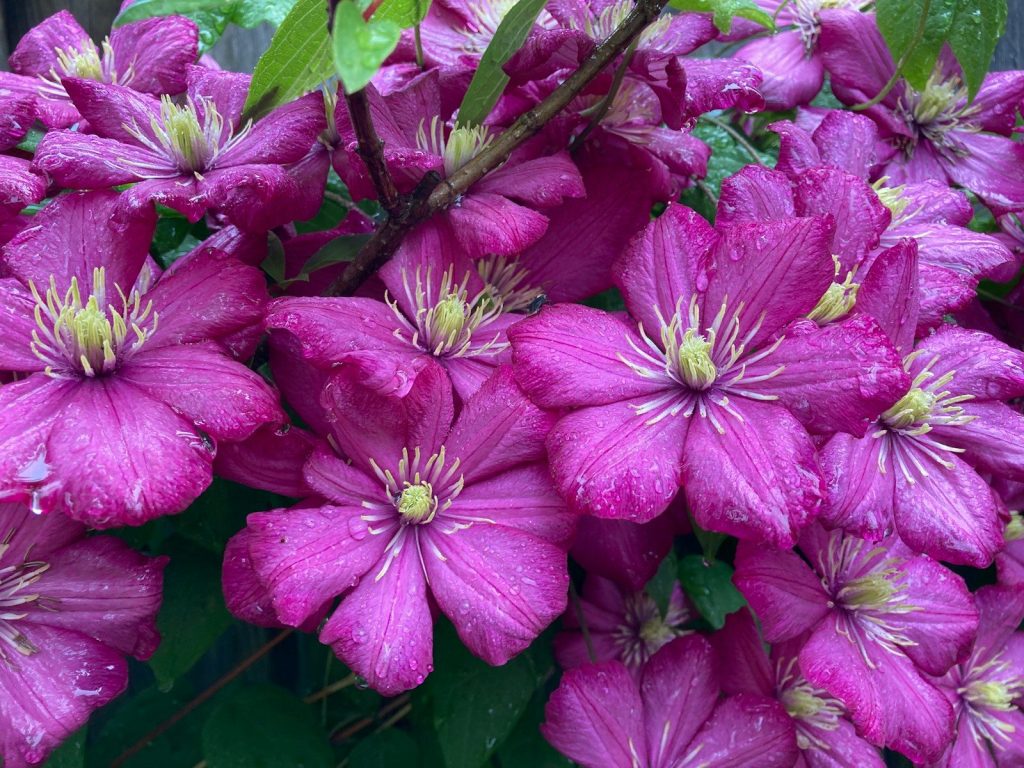
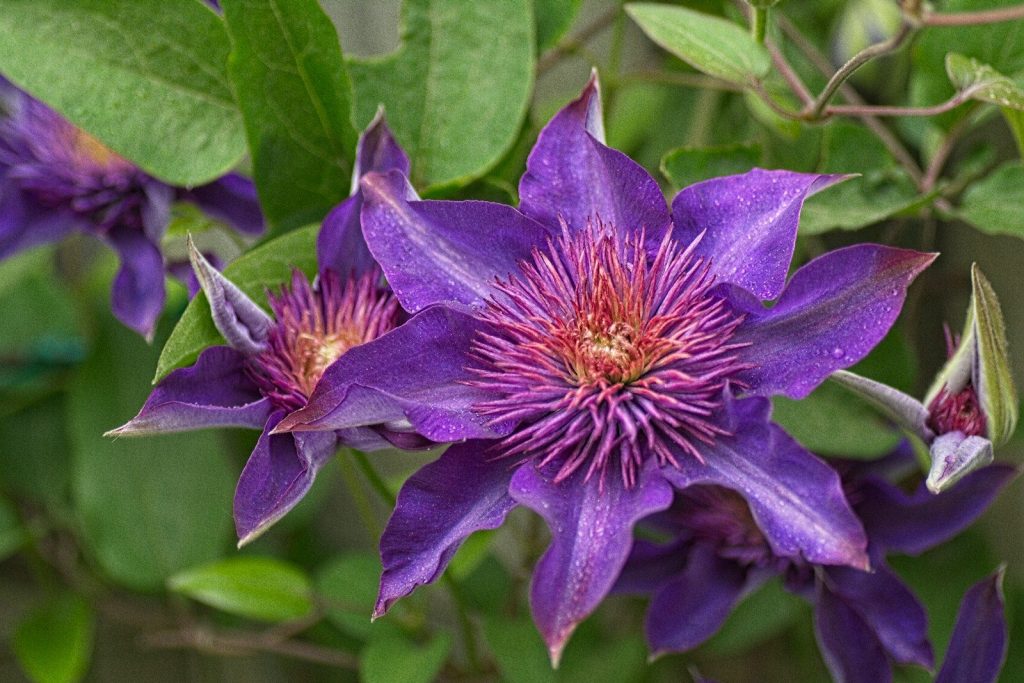
Clematis vines produce large flowers that climb across fences, arches, and trellises. Their fast growth and colorful blooms often look difficult to maintain. Most varieties require only basic support and seasonal pruning. These vines prefer sunny conditions with cooler soil around their roots. Mulch and nearby low-growing plants often help maintain proper soil temperature.
Once established, clematis returns every year with strong growth and heavy flowering. Compact varieties have become especially popular for smaller gardens and patios. Many gardeners use clematis to create vertical color without adding demanding plants to the garden.
7. Ranunculus
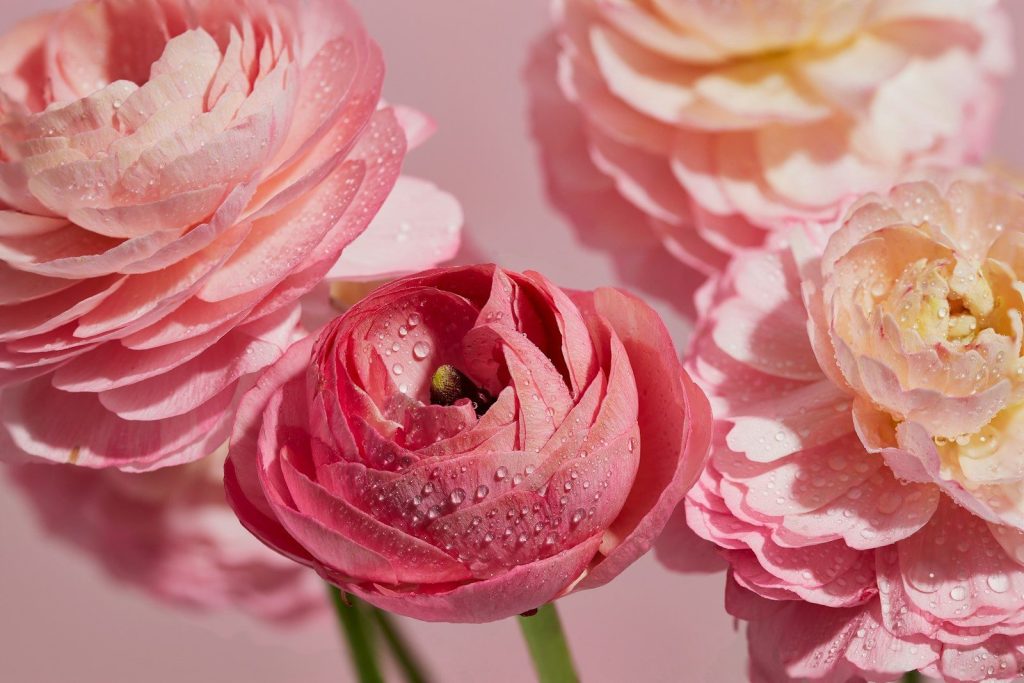
Ranunculus flowers are famous for their tightly packed petals and rich colors. They resemble roses in floral arrangements and wedding displays, which makes them appear difficult to grow at home. These flowers thrive in cool temperatures, full sun, and well-drained soil. Routine watering and basic care usually keep them healthy throughout the blooming season.
Ranunculus grows from small corms planted during cooler months in many regions. The plants reward gardeners with long-lasting blooms that look highly detailed and refined. Their layered petals add texture and color to flower beds, containers, and cut flower gardens.
8. Hibiscus
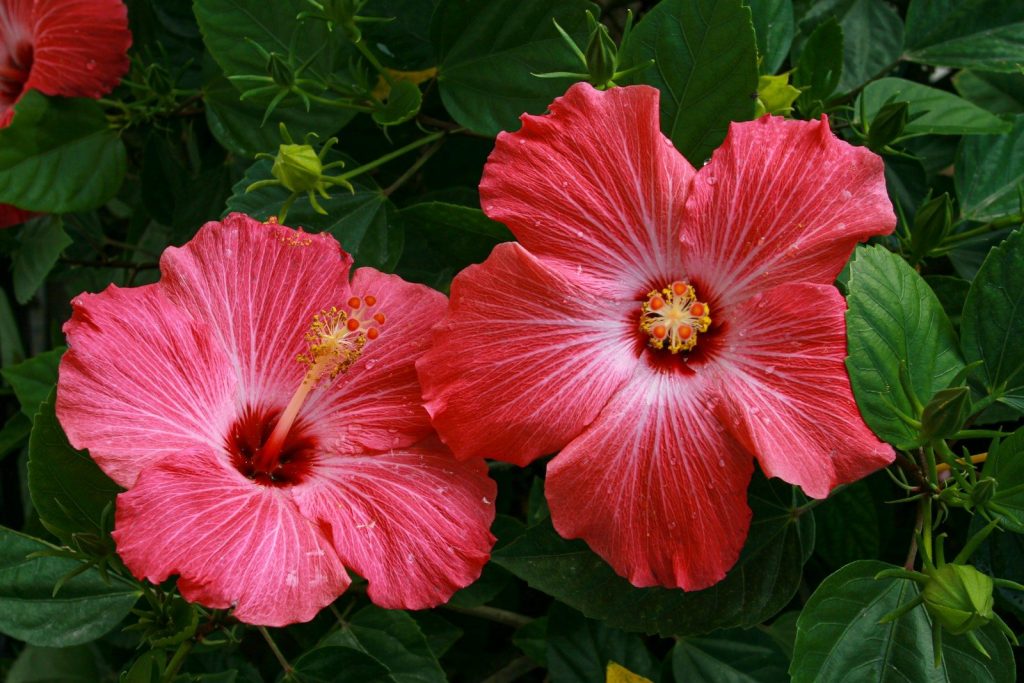
Hibiscus plants produce large tropical-style blooms in bright shades of red, yellow, orange, pink, and white. Their exotic appearance often creates the impression of a delicate plant. Many hibiscus varieties are strong growers.
Hardy hibiscus types survive cold winters in many parts of the United States. Tropical varieties perform well in warm climates and container gardens. These plants thrive with sunlight, regular watering, and occasional feeding during the growing season. Healthy hibiscus plants can bloom continuously through summer.
Their oversized flowers attract pollinators and create a tropical appearance in almost any garden setting.
Not So Difficult
Many flowers that appear difficult to grow are actually practical choices for beginner gardeners. Orchids, peonies, dahlias, hydrangeas, calla lilies, clematis, ranunculus, and hibiscus all provide impressive blooms without demanding constant maintenance.
Better plant breeding and improved gardening products have made flower care more approachable in 2026. Gardeners now have access to stronger varieties, easier growing systems, and more reliable care information than ever before. A striking garden does not require years of experience. Many of the most impressive flowers succeed with simple care, steady watering, and suitable growing conditions.