
A dishwasher that finishes a cycle with standing water can be frustrating, especially when you expect clean dishes and a spotless machine. The good news is that many drainage problems start with simple issues that homeowners can often spot before paying for a repair.
Knowing what to look for can help you avoid unnecessary service costs, extend the life of your appliance, and keep your kitchen running smoothly. Here are eight practical checks that are worth trying before assuming the worst.
Start With the Filter
One of the most common reasons water stays in the bottom of a dishwasher is a dirty filter. Tiny food bits, grease, and even paper labels can collect over time and slow the flow of water. What begins as a small buildup can eventually stop proper draining.
Take a few minutes to remove the filter according to your owner’s manual and rinse it with warm water. A soft brush can loosen stubborn residue. This simple habit can improve performance and help you avoid an expensive repair visit.
Look Inside the Drain Area
Even after cleaning the filter, small objects may still block the drain opening. Seeds, broken glass, plastic fragments, or food scraps can settle where water exits the machine without being easy to notice.
Use a flashlight to inspect the drain area after removing the filter. Clearing visible debris carefully can restore normal drainage and prevent unpleasant odors from developing inside the dishwasher.
Check Under the Sink
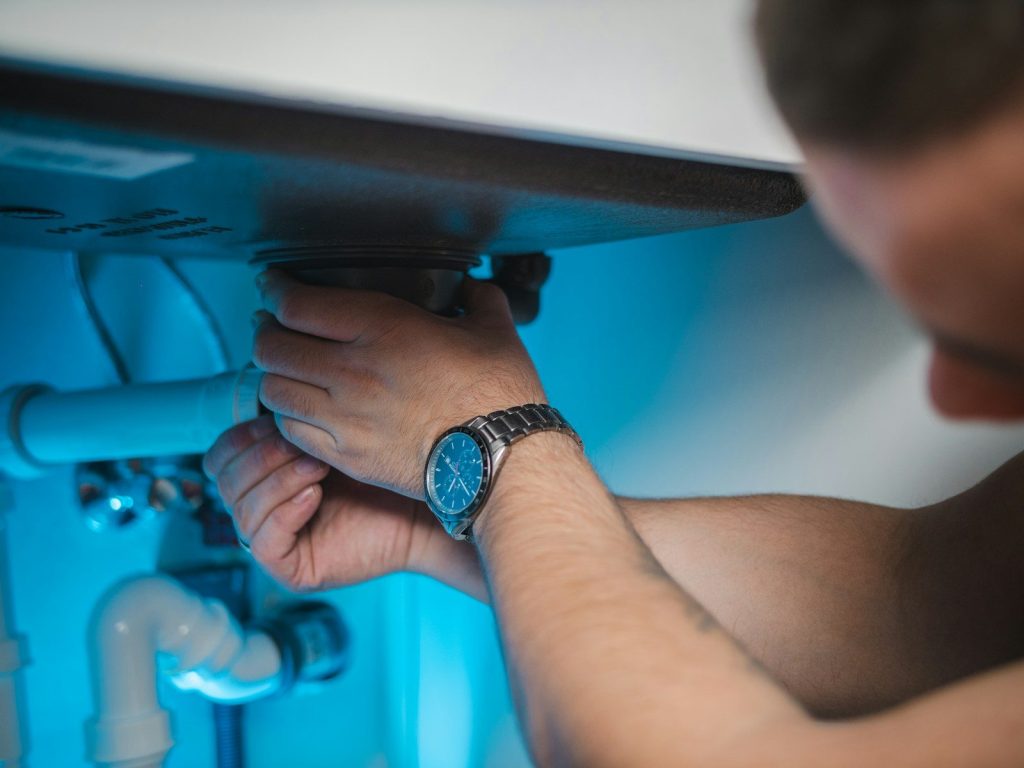
Many drainage problems actually begin outside the dishwasher. The drain hose under the sink can become bent or squeezed by cleaning supplies, storage bins, or other household items that shift over time.
A quick inspection may reveal an obvious kink that restricts water flow. Rearranging items beneath the sink also makes future maintenance easier and helps prevent the same issue from returning.
Think About Recent Kitchen Changes

If the problem appeared shortly after installing a new garbage disposal or replacing plumbing, the connection may need another look. Sometimes a small installation detail prevents water from draining properly.
Instead of assuming the dishwasher has failed, consider whether any recent work could be related. Identifying that connection early may save both repair time and unnecessary replacement costs.
Prevent Problems Before They Start
You do not need to rinse every dish until it shines before loading it. However, scraping away large food scraps can reduce the chance of clogs while still allowing modern dishwasher detergent to do its job.
This small routine also keeps filters cleaner for longer. Spending a few extra seconds before each load can reduce maintenance and help the appliance work more efficiently throughout the year.
Give Your Dishwasher Regular Care
Many people assume a dishwasher cleans itself, but it still needs routine maintenance. Grease, detergent residue, and mineral deposits slowly collect inside the machine and affect overall performance.
Running a dishwasher cleaner every month and checking the filter regularly can improve drainage while helping dishes come out cleaner. Preventive care is often far less expensive than major repairs.
Know When It Is Time to Call a Professional
If the filter is clean, the drain is clear, the hose looks fine, and water still refuses to leave, the problem may involve the drain pump or another internal component. Those repairs usually require specialized tools and experience.
Calling for professional service at this stage can prevent additional damage. Continuing to run a dishwasher that cannot drain properly may create bigger problems over time.
Small Habits Can Lead to Bigger Savings

Simple maintenance often delivers the biggest payoff. Checking the filter each week, keeping the drain area clear, and avoiding clutter around the drain hose can help your dishwasher perform better for years.
A few minutes of routine care can reduce waste, extend the life of your appliance, and lower the chances of paying for avoidable repairs. Sometimes the smartest way to save money is simply taking care of what you already own.