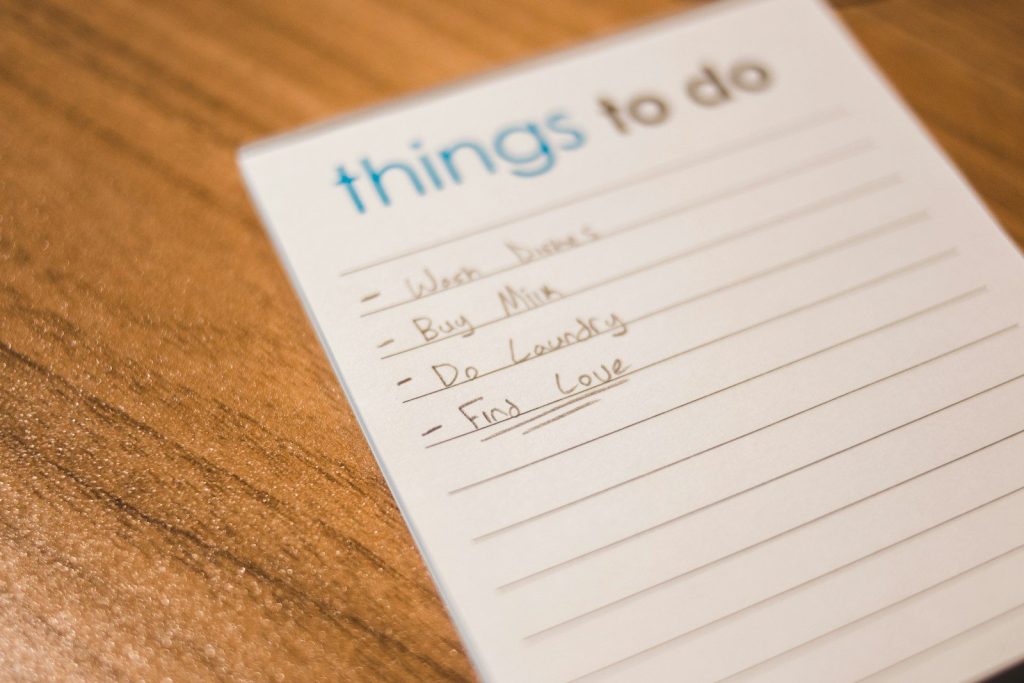

Most people do not struggle because they have too much to do. They struggle because every task seems equally important. When everything competes for attention, it becomes harder to make progress and easier to waste valuable time.
Finding a simple way to sort your priorities can make daily routines feel calmer and more productive. Better planning also helps you avoid unnecessary purchases, reduce wasted effort, and get more value from the time and resources you already have.
Stop Treating Every Task the Same

Many to-do lists grow longer throughout the day because every item receives the same level of attention. In reality, some jobs deserve immediate action while others can safely wait. Recognizing that difference is often the first step toward a less stressful schedule.
A quick review each morning can help you separate essential work from smaller chores. This simple habit reduces distractions and prevents spending time or money fixing problems that could have been avoided with better planning.
Use the Two Minute Rule for Small Jobs

Some tasks take so little time that delaying them creates unnecessary clutter. Answering an email, putting away groceries, or organizing paperwork often takes only a couple of minutes but can linger on your list for days.
Completing these quick wins immediately keeps your schedule from becoming overloaded. It also prevents duplicate work, forgotten errands, and unnecessary trips that can quietly increase everyday expenses.
Focus on What Creates the Biggest Results
Not every task delivers the same reward. A handful of important actions often produce the greatest progress while dozens of smaller activities make very little difference.
Identify the work that moves your goals forward the fastest. Whether you are preparing meals at home, organizing bills, or planning household projects, focusing on the highest value tasks first often saves both time and money.
Sort Tasks by Urgency and Importance

Some jobs are urgent because they have approaching deadlines. Others are important because they support long-term goals. Learning to tell the difference keeps you from constantly reacting instead of planning ahead.
Divide your list into simple groups before you begin working. This approach helps prevent last-minute purchases, forgotten appointments, and rushed decisions that usually cost more than thoughtful preparation.
Time Blocks Create Better Focus

Switching between unrelated activities throughout the day often wastes more time than people realize. Constant interruptions make even simple jobs feel difficult and leave many projects unfinished.
Setting aside dedicated blocks of time for similar tasks creates a smoother routine. Paying bills together, planning meals at once, or handling household paperwork during one session reduces stress and improves efficiency.
Choose One Main Priority Each Day

Long lists can create the illusion of productivity without producing meaningful progress. Picking one important goal each day gives your attention a clear direction before smaller responsibilities compete for your focus.
Once the main priority is complete, everything else feels easier to manage. This habit also reduces impulse spending because important financial and household decisions receive your best attention instead of rushed judgment.
Review Your Progress Before Adding More

Many people keep adding new responsibilities without checking what has already been completed. This creates crowded schedules and makes unfinished work seem larger than it really is.
Spend a few minutes reviewing your accomplishments before expanding your list. Celebrating steady progress builds motivation while helping you identify routines that save both effort and household resources over time.
Build a Prioritizing System That Fits Your Life

No single planning method works for everyone. Some people enjoy written lists while others prefer calendars, digital reminders, or simple notebooks. The best system is the one you will actually use every day.
Experiment with different approaches until your routine feels natural instead of forced. A practical prioritizing habit supports a calmer lifestyle, reduces wasted effort, and helps you make smarter use of your time, energy, and everyday spending.