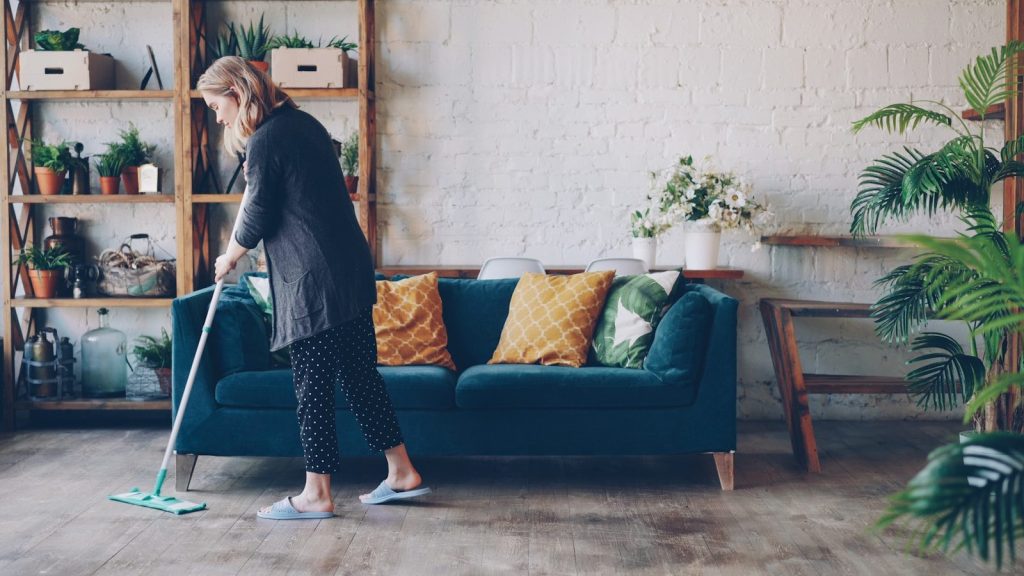

A cleaner home does not always require expensive products or complicated routines. Some of the best ideas come from making better use of items you already own and looking at familiar chores in a new way.
Small changes can save time, reduce waste, and help everyday household products last longer. These practical cleaning habits are easy to work into your routine and may even make your home easier to maintain over time.
Give Everyday Kitchen Items a Second Purpose
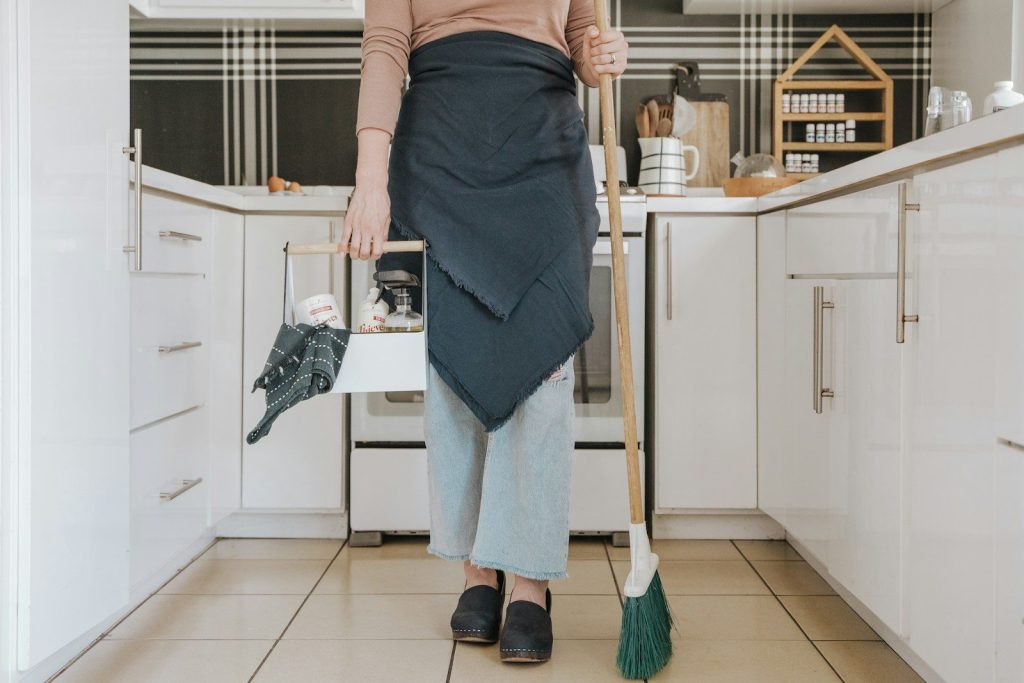
Many common household items can handle more than one job before they end up in the trash. A slice of bread, a used toothbrush, or an old sock often works surprisingly well for small cleaning tasks around the house.
Finding new uses for things you already have keeps unnecessary purchases to a minimum. It is a simple habit that helps stretch your household budget while reducing waste from single-use cleaning supplies.
Let Steam Do Some of the Hard Work
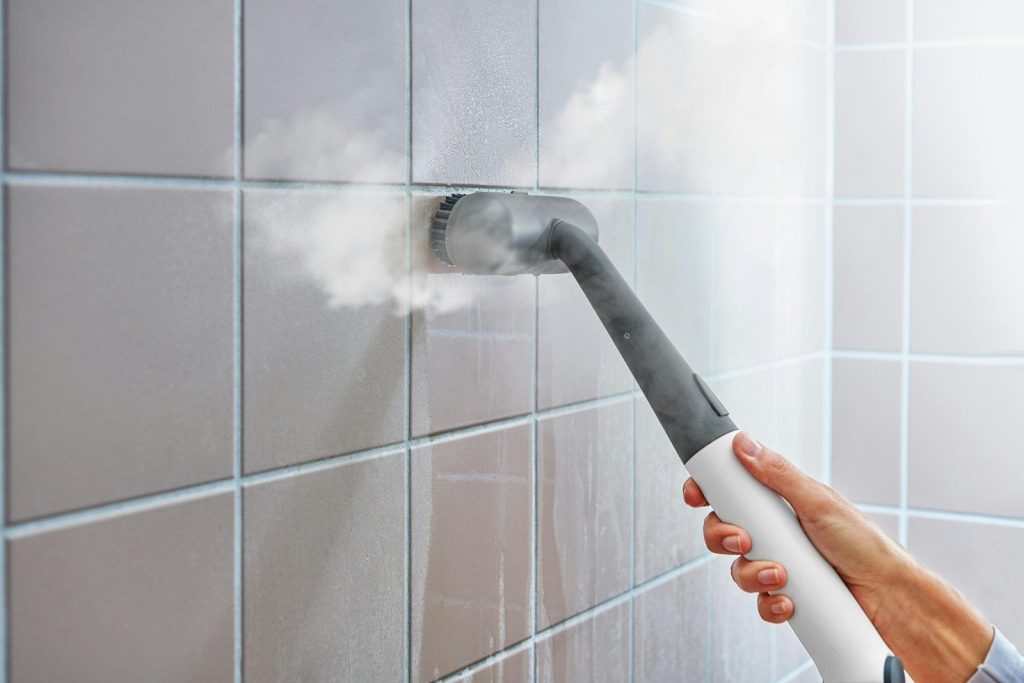
Warm steam can loosen dried food, soap residue, and grime before you even start scrubbing. Whether it comes from hot water or a heated appliance, moisture often softens stubborn messes enough to make cleanup much easier.
This approach also helps reduce the need for harsh chemicals and excessive scrubbing. Less effort means less wear on your cleaning tools and fewer specialty products taking up space in your cabinets.
Clean Small Spaces With Unexpected Tools

Tiny corners and narrow gaps tend to collect dust that larger cleaning tools cannot reach. Cotton swabs, soft brushes, or old makeup brushes can gently remove dirt from vents, keyboards, window tracks, and decorative details.
Using tools you already own makes detailed cleaning less frustrating. Instead of buying specialty gadgets, you can often get excellent results by repurposing everyday items that would otherwise sit unused.
Refresh Fabrics Instead of Washing Everything
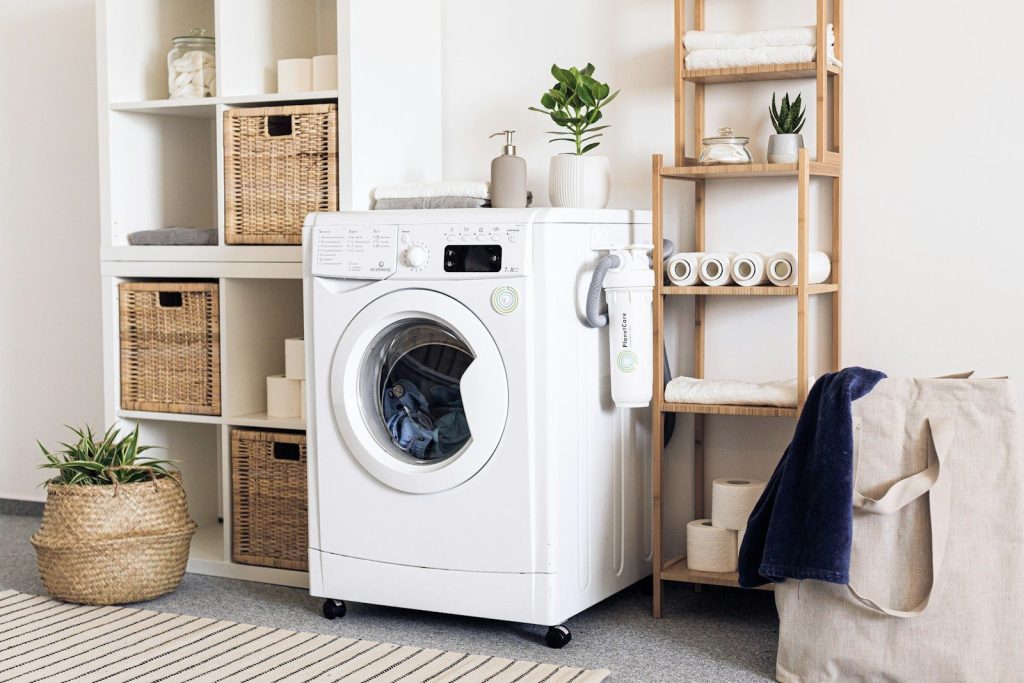
Not every fabric needs a full wash after light use. Curtains, cushions, lampshades, and upholstered furniture often benefit from gentle dusting, vacuuming, or spot cleaning between deeper cleanings.
This routine helps preserve fabrics while cutting back on water, detergent, and electricity. It also extends the life of household textiles, making replacement less frequent and helping you save money over time.
Use Simple Household Staples Wisely
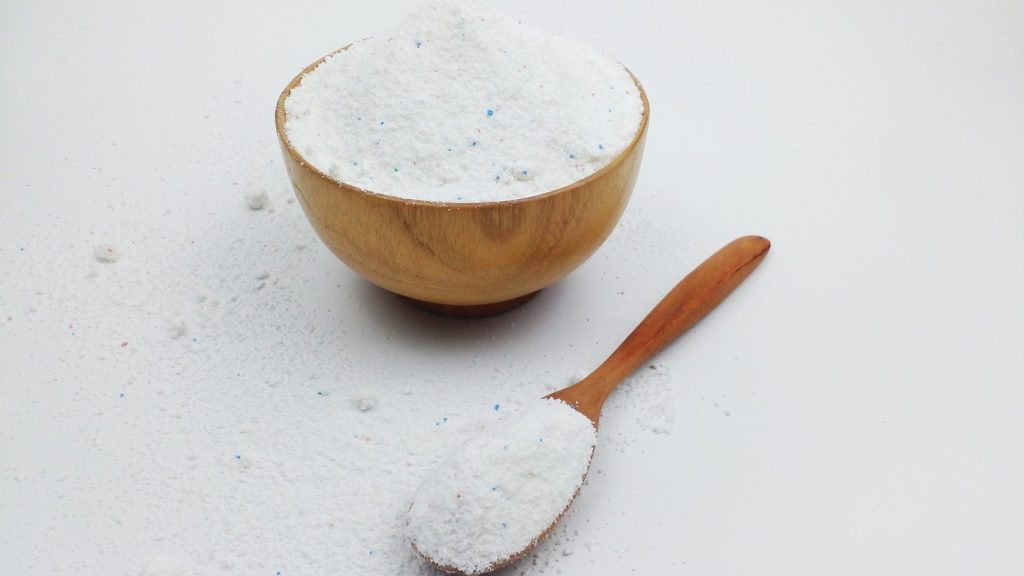
Ingredients like baking soda, white vinegar, and mild dish soap have earned their place in many homes because they handle a variety of cleaning jobs without requiring a shelf full of specialized products.
Using versatile basics can simplify your cleaning routine and reduce shopping costs. Having fewer products also makes storage easier while helping you avoid buying cleaners that serve only one purpose.
Clean as You Go Instead of Saving It All
Waiting until every room feels messy often turns cleaning into a much bigger project. Wiping surfaces while cooking or putting items back immediately after use prevents clutter and grime from building up.
Short daily habits usually require only a few minutes, yet they reduce the need for long weekend cleaning sessions. Consistency often saves both time and effort throughout the week.
Keep Your Cleaning Supplies Organized
Searching for sprays, cloths, or brushes wastes valuable time and can make simple chores feel more difficult than they really are. Keeping frequently used supplies together makes it easier to tackle quick jobs when you notice them.
An organized cleaning kit also helps you avoid buying duplicate products because you forgot what you already had. That small habit supports smarter spending while keeping household routines efficient.
Focus on High Touch Areas More Often
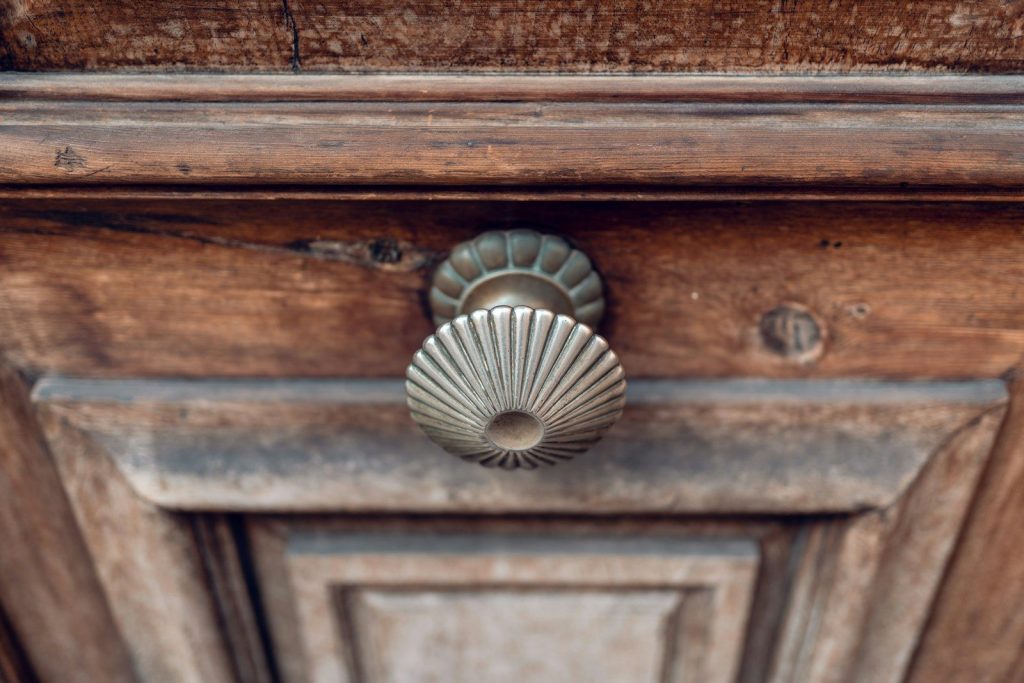
Light switches, cabinet handles, remote controls, door knobs, and appliance buttons collect fingerprints and everyday grime much faster than many people realize. Giving these spots regular attention keeps your home looking cleaner between larger cleaning days.
Prioritizing these overlooked areas creates a fresher feeling throughout the house without adding much work. A few thoughtful habits can make cleaning feel easier, reduce unnecessary spending on extra products, and help you get more value from the items already in your home.