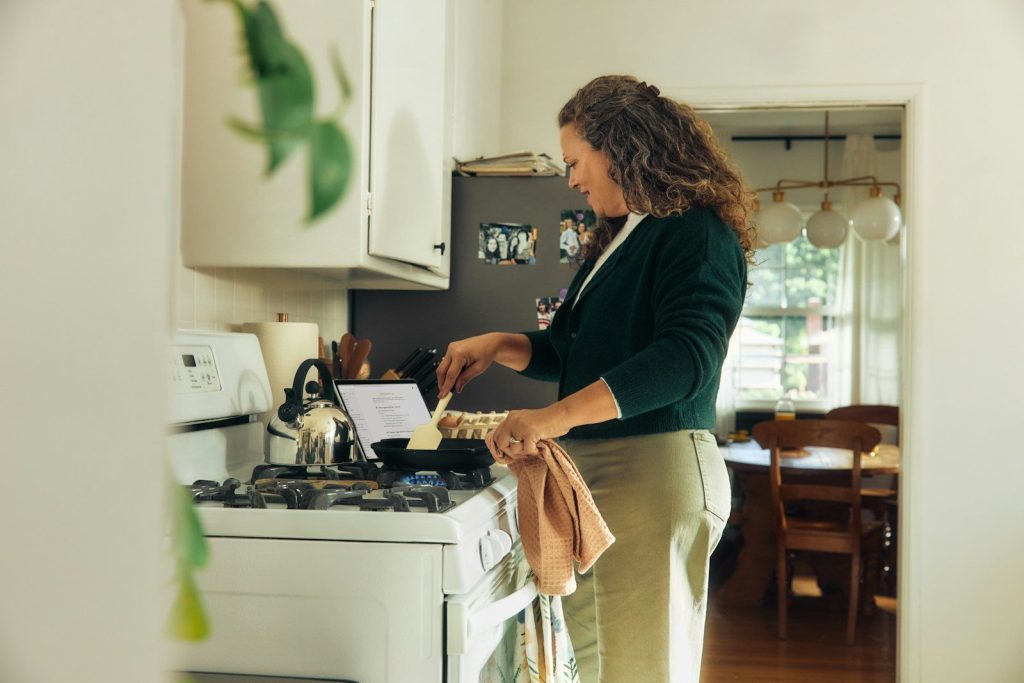

A recent conversation about hobbies revealed something interesting about modern routines and how people define a fulfilling life. Many younger adults are moving toward simpler habits that focus on experiences, creativity, and making everyday choices feel more meaningful.
This shift is not just about trends because it connects with practical living too. Finding low-cost ways to enjoy free time, organize days, and use what you already own can help households save money while reducing waste.
Why Simple Hobbies Matter
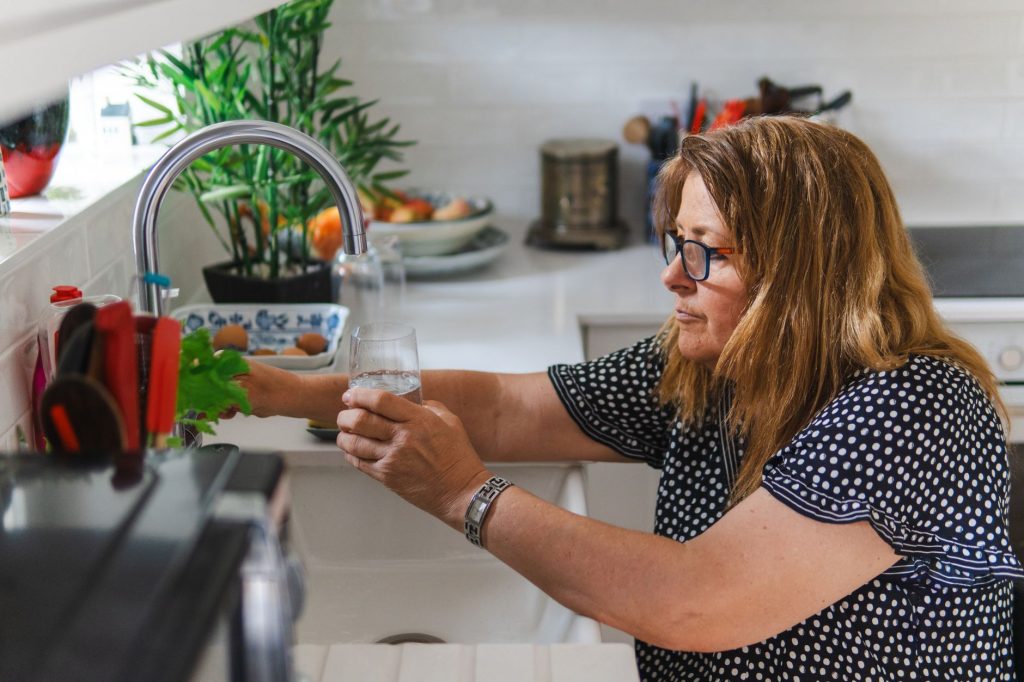
Hobbies are often seen as a way to relax, but they can also shape how people spend their time and money. Choosing activities that do not require constant purchases can make daily life easier while still feeling rewarding.
Simple interests like reading, walking, journaling, or learning a skill can replace expensive entertainment habits. These small choices help create routines that feel personal without putting extra pressure on a budget.
The Value Of Everyday Activities

The way people spend their free time often shows what they truly value. Many affordable hobbies bring long-term benefits because they encourage creativity, patience, and confidence instead of relying on buying something new.
A useful mindset is to look around before shopping for a new activity. Items already at home can become tools for learning, organizing, or creating something enjoyable with very little extra cost.
Making More From What You Own
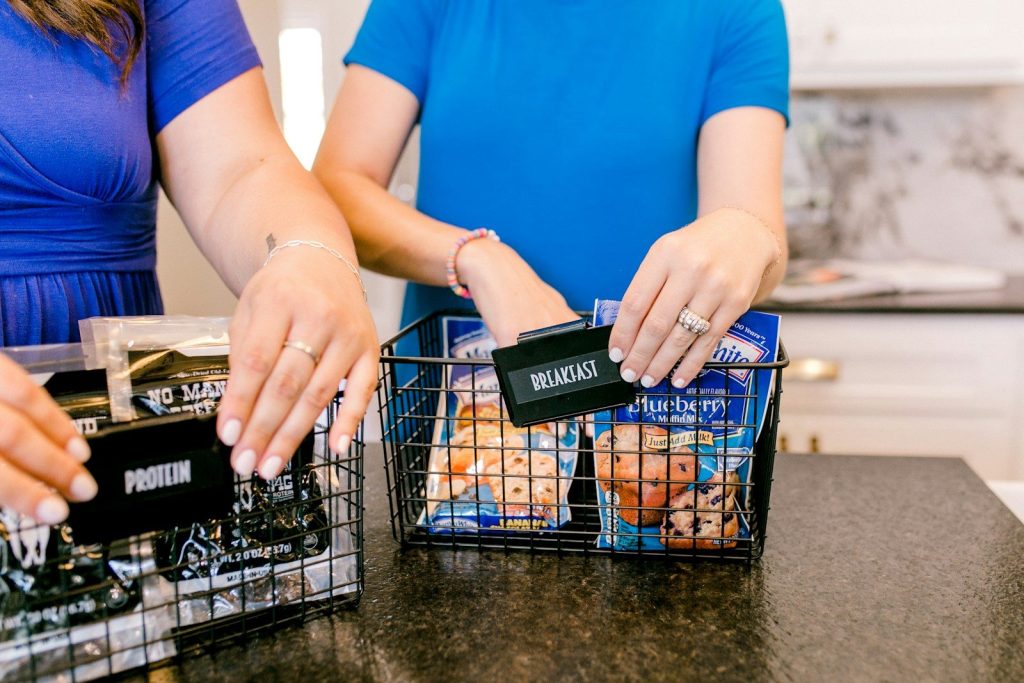
Resourceful living often starts with noticing hidden possibilities in ordinary things. Old notebooks, unused supplies, and household items can support new hobbies instead of sitting forgotten in drawers or closets.
This approach saves money and reduces clutter at the same time. It also turns everyday objects into useful resources that help people build habits around reuse and smarter choices.
Digital Trends And Real Life Balance

Online conversations often reveal how lifestyles are changing. Many people are looking for hobbies that create a healthier balance between screen time, personal growth, and real-world experiences.
Finding that balance can also support practical savings. Spending less time chasing every new product or trend leaves more room for simple activities that cost little but still add value.
Old Fashioned Ideas Still Work
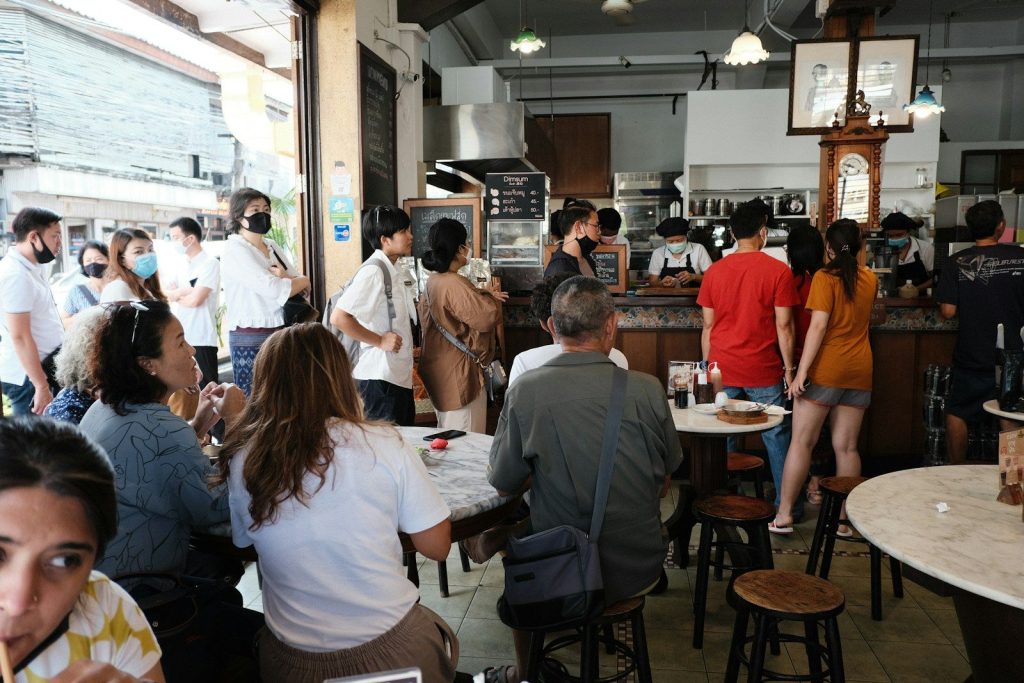
Some traditional habits remain popular because they solve everyday problems. Older generations often found enjoyment through simple activities that required imagination rather than expensive equipment or constant upgrades.
Bringing back these ideas can make routines feel calmer and more affordable. Cooking from scratch, repairing small items, or enjoying creative projects are examples of habits that stretch resources.
Hobbies That Support Smarter Living

The best hobbies are not always the most expensive ones. Activities that teach useful skills can improve daily life while helping people avoid unnecessary spending in the future.
Learning basic repairs, gardening, meal planning, or crafting can turn free time into practical progress. These hobbies provide enjoyment while also creating skills that can save money over time.
A New Way To Define Fun

Modern lifestyles are changing the idea of entertainment. Fun does not always mean buying the newest product or paying for every experience because meaningful moments can come from simple choices.
Choosing affordable hobbies allows people to focus on memories and personal satisfaction. This shift helps create a lifestyle that feels intentional while keeping everyday expenses more manageable.
Building A More Practical Routine

A fulfilling routine does not need to be complicated. Small hobbies and thoughtful habits can make everyday life more enjoyable while encouraging better use of time, money, and belongings.
The biggest benefit is creating a lifestyle that works for real people. Small choices also remind us that value is not measured only by what we purchase but by how wisely we use what we have. A practical approach to hobbies can inspire families to spend carefully, share resources, and discover everyday pleasures without waste. Over time, these habits may become natural parts of life, creating a routine that feels simpler, more organized, and genuinely satisfying.