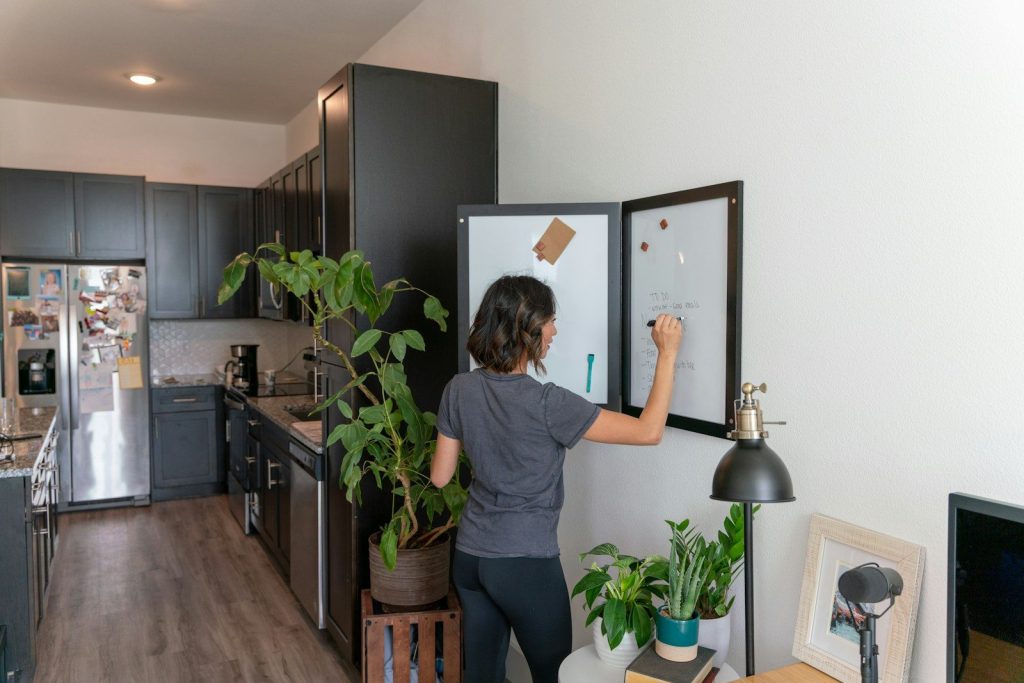

Minimalism is not about living with empty rooms or getting rid of everything you own. It is about creating simple routines that reduce clutter, save time, and help you enjoy the things you already have.
The best part is that meaningful change often comes from small habits rather than major home makeovers. These eight overlooked minimalist ideas can simplify everyday life while helping you spend smarter and waste less.
Create a Seven-Day Waiting Basket
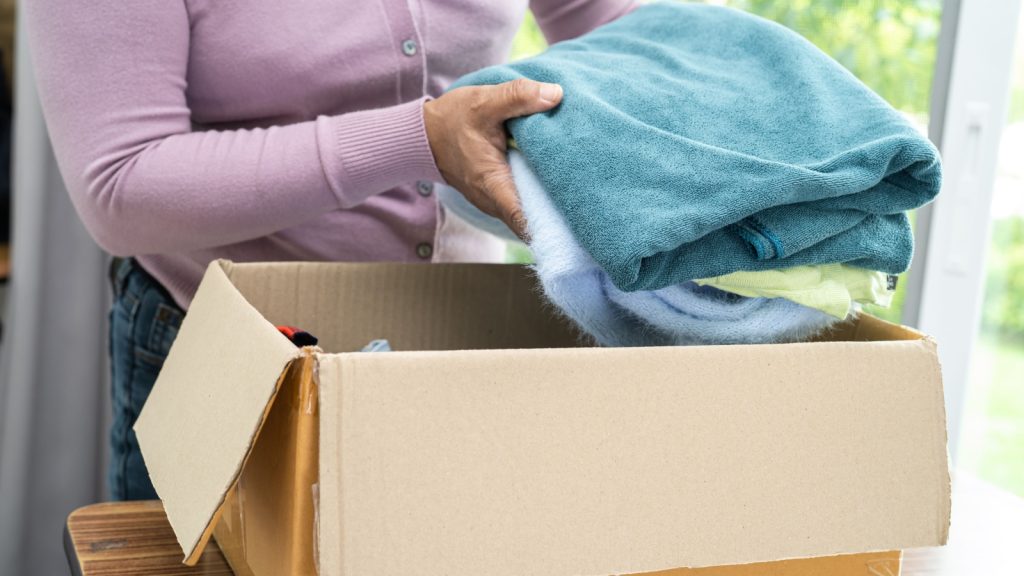
Not every item has to be donated the moment you decide to declutter. Place uncertain belongings in a box or basket for one week instead of making an immediate decision.
If you never reach for those items during the week, you will probably feel more confident letting them go. This method removes pressure while making decluttering much easier.
Build a Finish It First Basket
Almost every home has half-used bottles of lotion, nearly empty cleaning sprays, and candles that were never completely burned. Gather them into one basket and make it your goal to finish those products before opening new ones.
This simple habit reduces waste and prevents duplicate purchases. It is also a satisfying way to get full value from things you already own.
Keep One Shelf Completely Empty
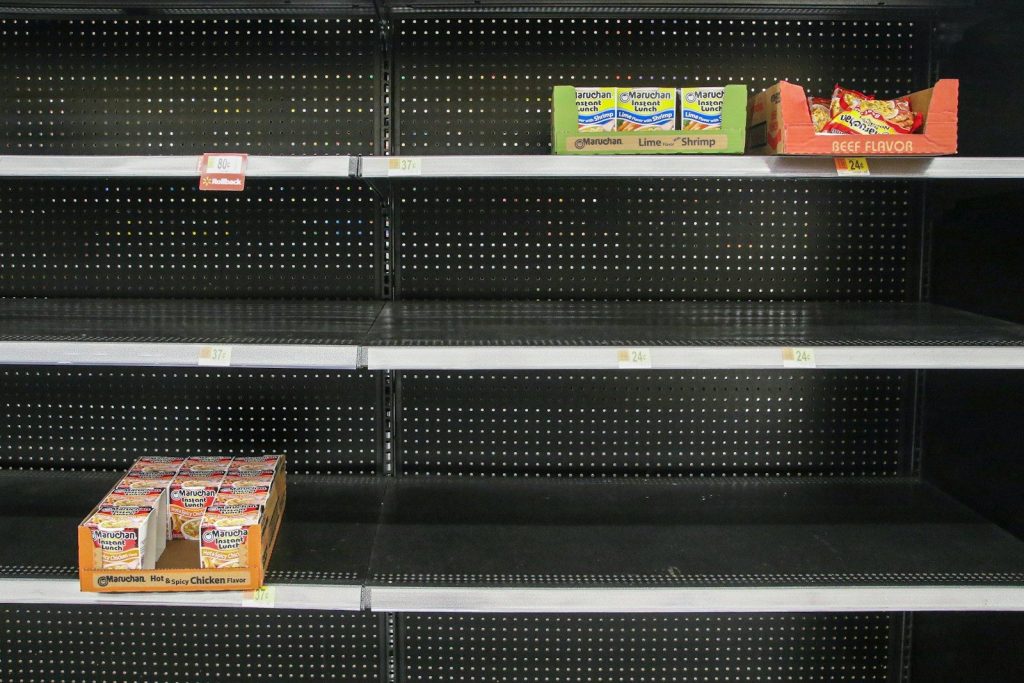
Most people try to fill every available space, but an empty shelf can actually make your home more functional. It gives you a place for groceries, gifts, or temporary items instead of creating clutter on tables and countertops.
That open space also makes a room feel calmer without costing a penny. Sometimes what you leave empty is just as valuable as what you store.
Replace Shopping Days With Experience Days
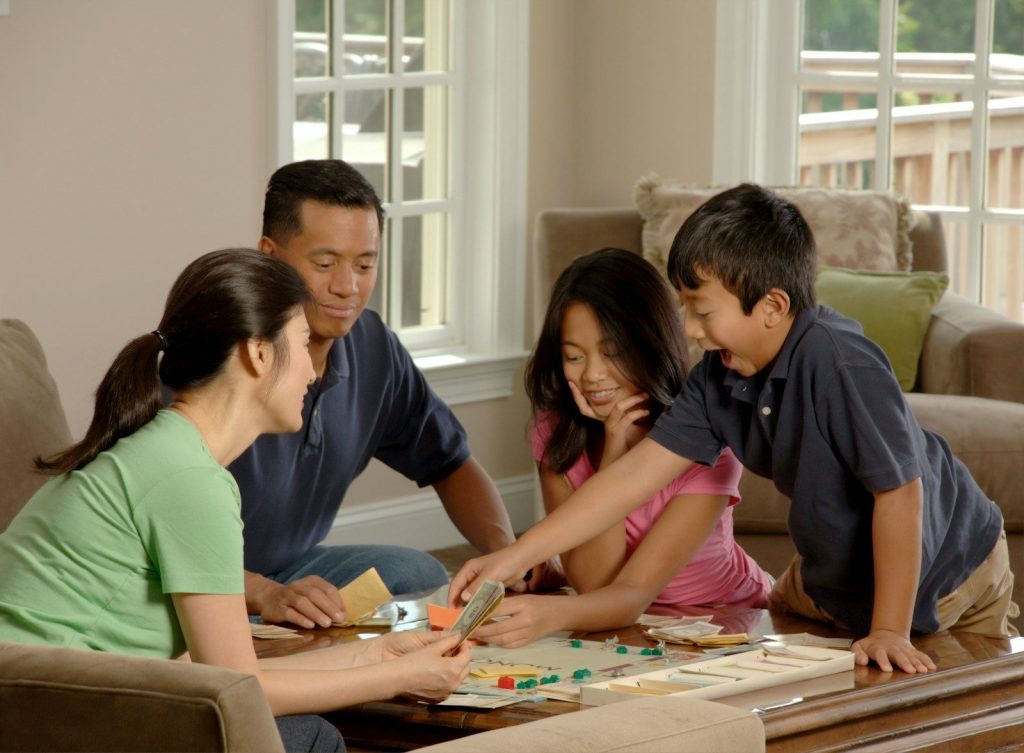
When boredom strikes, shopping often becomes the default activity. Instead, choose one weekend each month for a picnic, a visit to the library, a neighborhood walk, or a family game night.
You still enjoy something new without bringing more possessions into your home. Over time, this habit saves money while creating memories instead of clutter.
Keep a Maybe List Instead of Buying Right Away
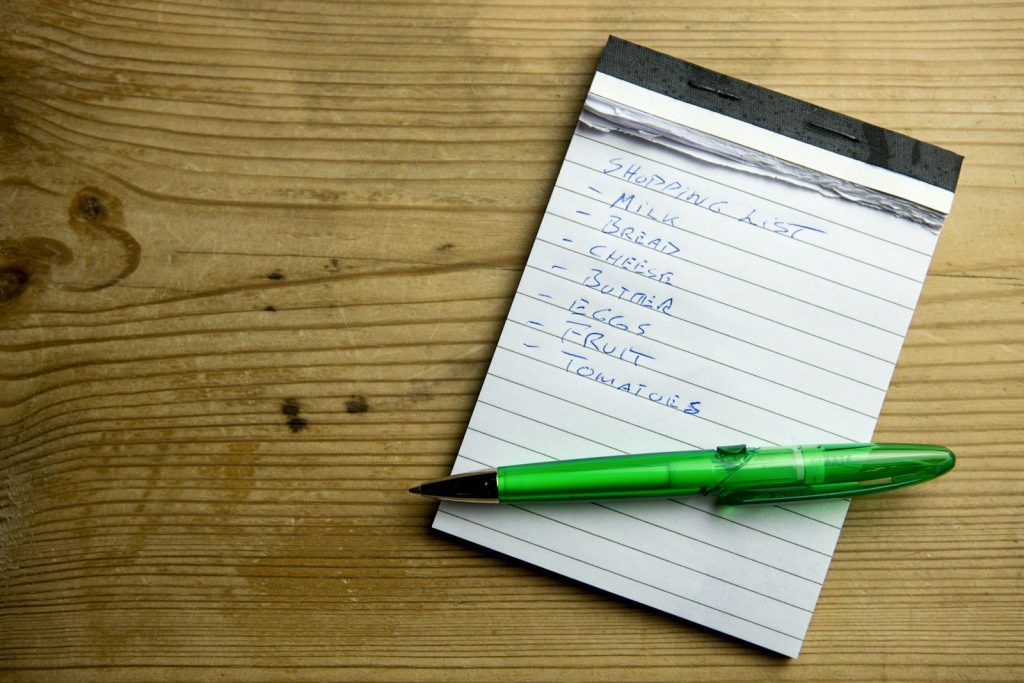
When you see something you want, save it to a note on your phone instead of purchasing it immediately. Give yourself two weeks before looking at the list again.
You may discover that many items no longer seem important after a little time has passed. The purchases you do make will usually feel more worthwhile.
Practice the Repair Before Replace Rule
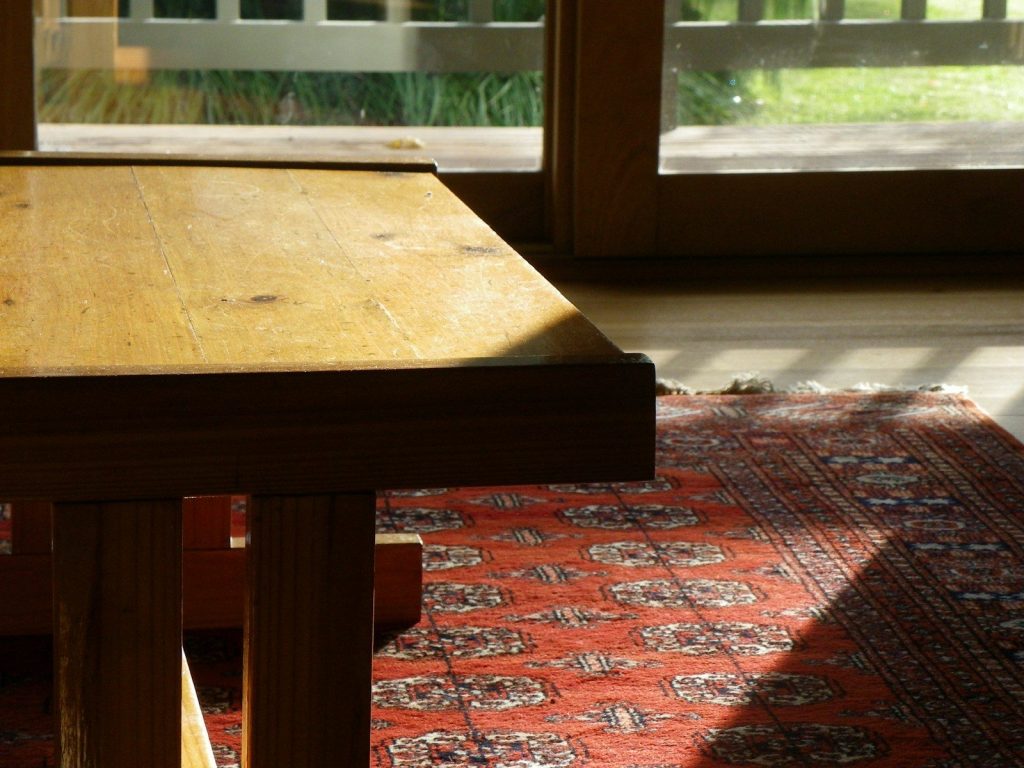
Before replacing something that looks worn, ask whether it can be cleaned, repaired, polished, or refreshed. A loose button, scratched table, or dull appliance may only need a few minutes of attention.
This habit stretches your household budget while reducing unnecessary waste. It also encourages appreciation for the things you already own.
Leave Your Countertops Almost Empty
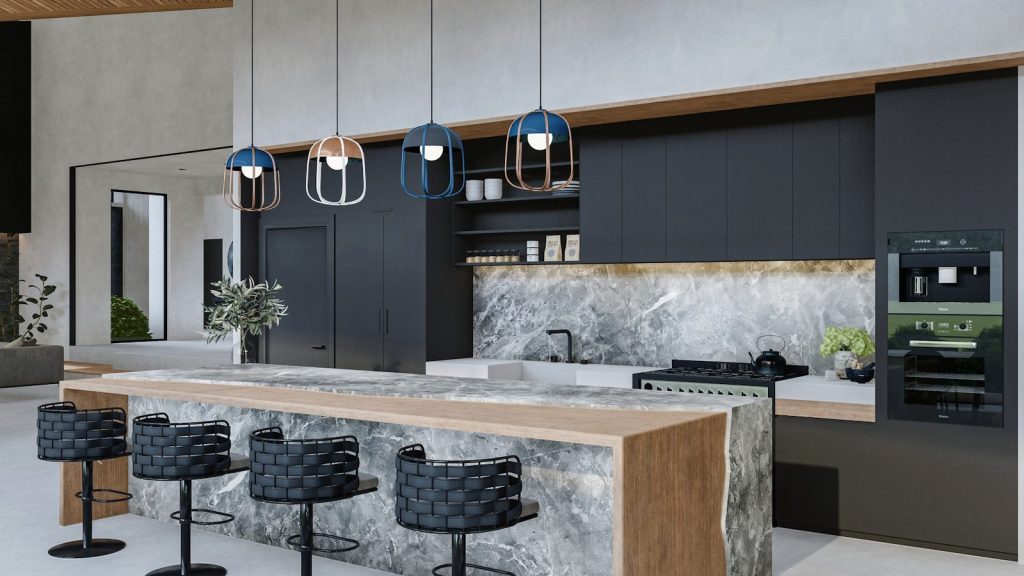
Kitchen counters often become storage areas for appliances that are rarely used. Putting away items you only need occasionally creates more workspace and makes everyday cleaning much faster.
The room instantly feels larger and more organized without buying a single storage product. Clear surfaces also encourage tidier habits throughout the week.
End Every Month With a Use It First Weekend
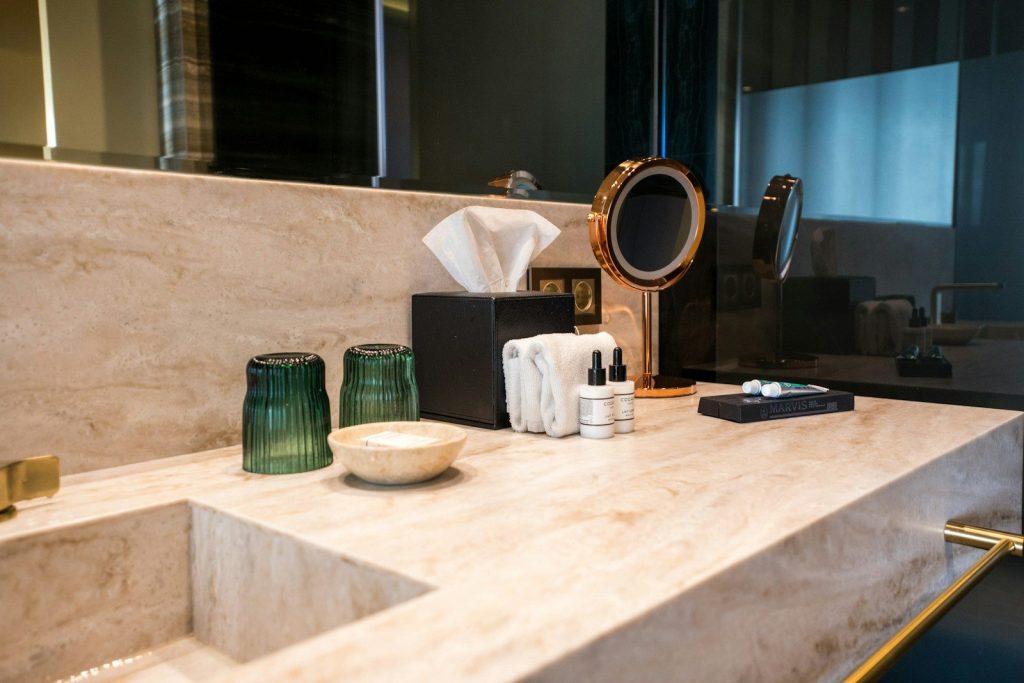
Before shopping again, spend one weekend using what is already in your home. Cook meals from pantry ingredients, finish open snacks, and use toiletries or cleaning supplies that have been sitting untouched.
This monthly tradition reduces waste while helping you avoid unnecessary purchases. It is a practical reminder that simplifying life often begins with appreciating what you already have.