

It is surprising how much perfectly good food ends up in the trash each week. Often, the problem is not buying too much but relying on kitchen habits that quietly lead to forgotten leftovers and spoiled ingredients.
A few simple changes can help you get more value from every grocery trip. These practical ideas reduce waste, simplify meal planning, and make it easier to stretch your food budget without feeling restricted.
Give Older Foods the Best Spot in the Fridge
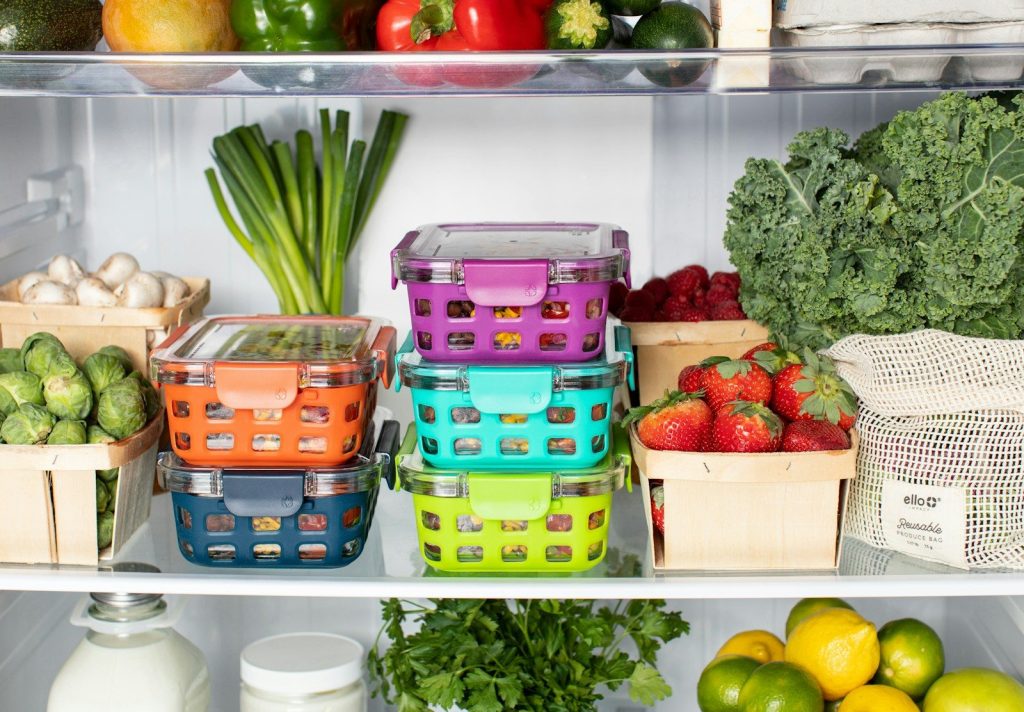
Fresh groceries often get placed in front of older items, making it easy to forget what needs to be eaten first. Rearranging your refrigerator so older foods stay visible encourages you to use them before opening something new.
This small habit takes only a minute after each shopping trip. It can prevent unnecessary waste while helping you get the most from the food you already paid for.
Plan Meals Around What You Already Own
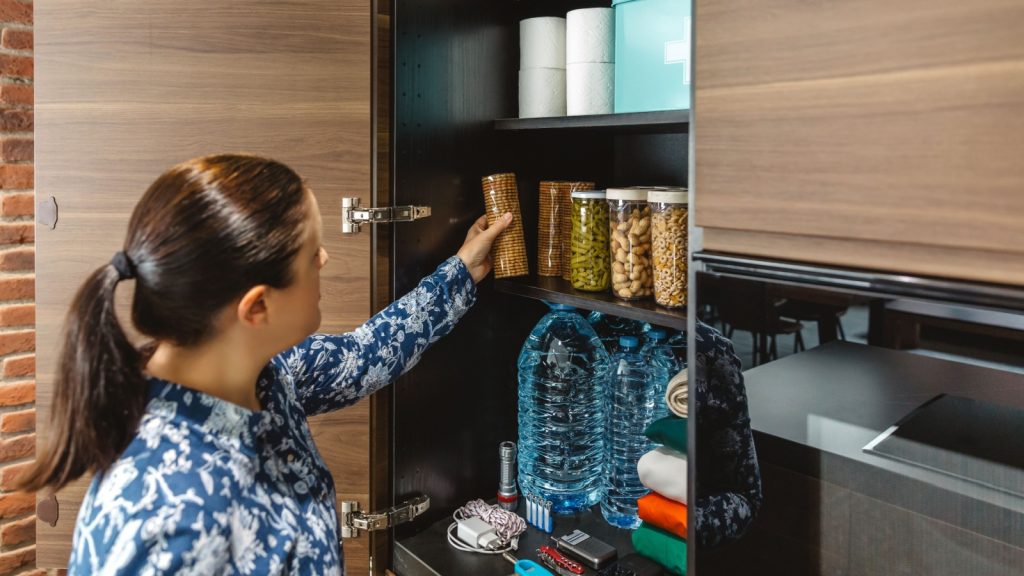
Before writing a grocery list, spend a few minutes checking your refrigerator, freezer, and pantry. You may discover ingredients that can become the foundation of several meals without buying much else.
This approach keeps duplicate purchases to a minimum and makes grocery shopping more intentional. It also encourages creativity with ingredients that might otherwise be forgotten.
Store Produce Where It Lasts Longer
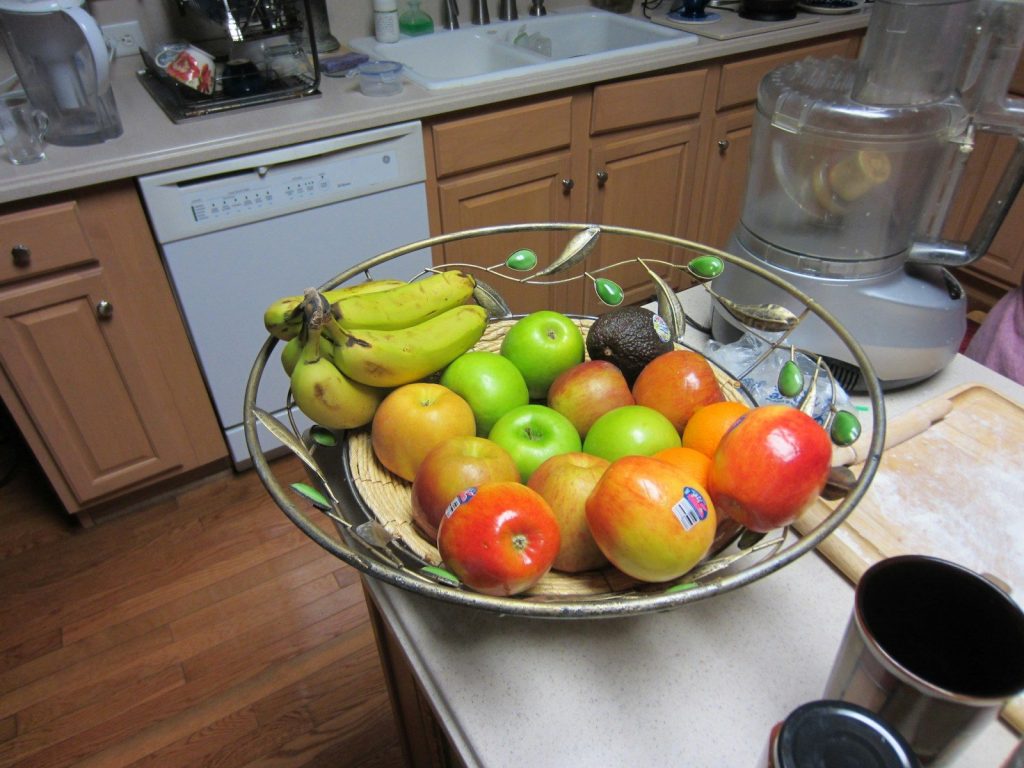
Not every fruit or vegetable belongs in the same place. Some items stay fresher in the refrigerator, while others maintain better flavor when stored at room temperature.
Learning the best storage method for your favorite produce can extend its freshness by several days. That extra time often means the difference between enjoying it and throwing it away.
Turn Leftovers Into Something New
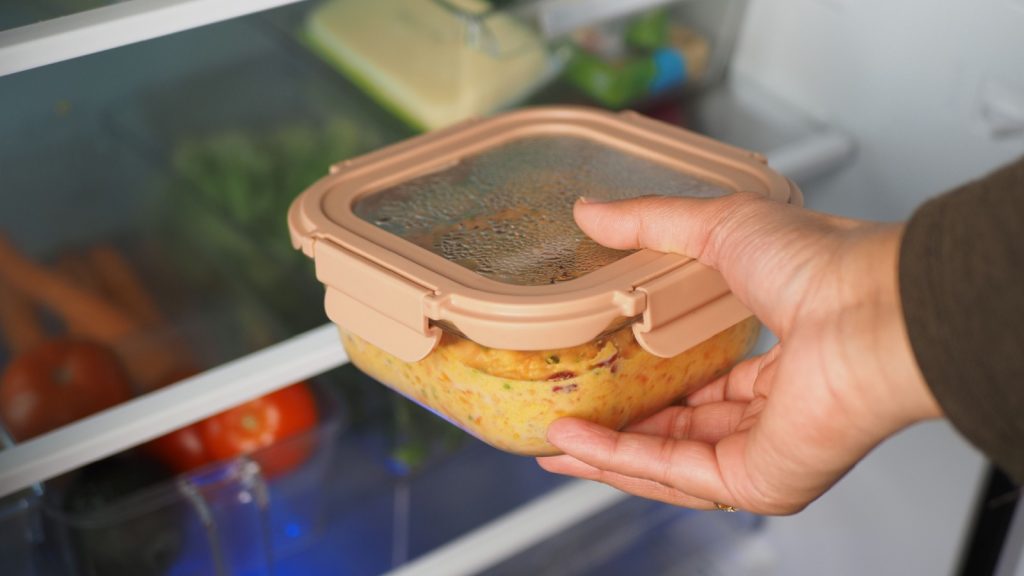
Leftovers do not have to become repeat meals. Cooked vegetables can be added to soups, roasted meat works well in sandwiches or wraps, and leftover rice can become the base for a quick dinner.
Thinking of leftovers as ingredients instead of finished meals creates more possibilities. It also helps reduce boredom while making every grocery purchase go a little further.
Freeze Food Before It Is Too Late
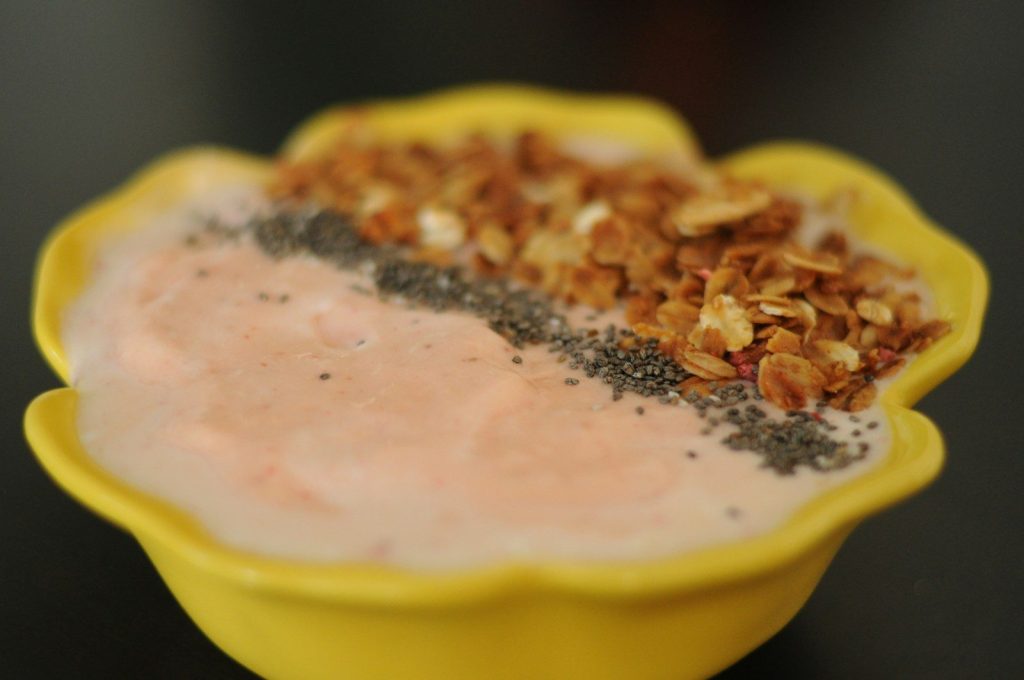
Many foods freeze well long before they begin to spoil. Bread, cooked pasta, shredded cheese, herbs, and even ripe bananas can all be frozen for future use.
Keeping a few labeled containers in the freezer creates a simple backup plan. Instead of rushing to use everything immediately, you gain extra time without sacrificing quality.
Understand Date Labels Before Tossing Food
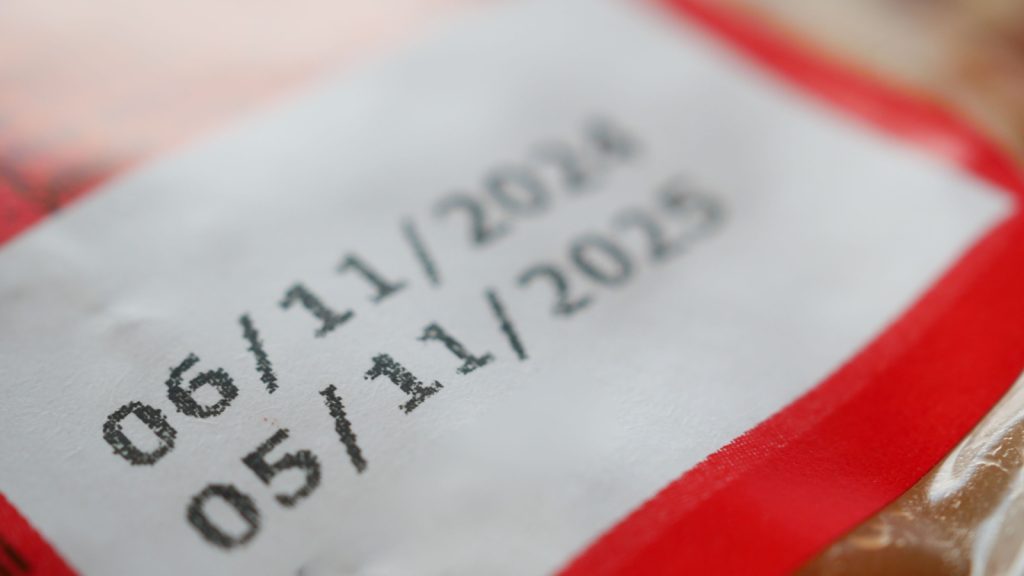
Many shoppers assume every printed date means food should be discarded immediately. In reality, many labels relate to quality rather than food safety, depending on the product.
Learning the difference helps reduce unnecessary waste while encouraging smarter decisions. Using your senses along with proper storage practices often prevents perfectly good food from ending up in the trash.
Cook Smaller Portions More Often

Preparing oversized meals may seem efficient, but it often leads to leftovers that never get eaten. Cooking amounts that better match your household reduces waste from the very beginning.
If you enjoy batch cooking, divide meals into individual portions right away. Ready-to-eat servings are much more likely to be used than one large container hidden in the back of the refrigerator.
Make Food Waste a Weekly Check-In
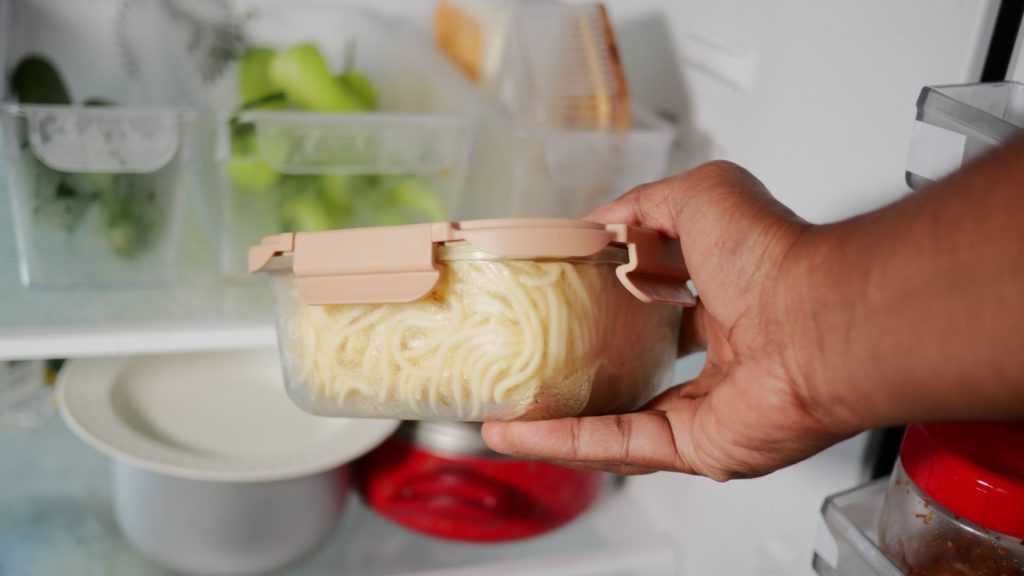
Choose one day each week to review what is left in your kitchen before shopping again. This quick routine helps you spot ingredients that should be used first and reduces unnecessary purchases.
Over time, these simple habits become part of your normal routine. Wasting less food saves money, makes grocery shopping more efficient, and helps every meal deliver better value.