

Many conversations about the education crisis focus on declining test scores or classroom performance. Yet educators increasingly argue that the bigger concern is whether students are developing the practical learning skills they need to succeed long after graduation.
The good news is that many of these abilities can be strengthened without expensive tutoring or complicated programs. A few intentional habits can improve learning, build confidence, and prepare students for real-world challenges.
Learning How to Learn
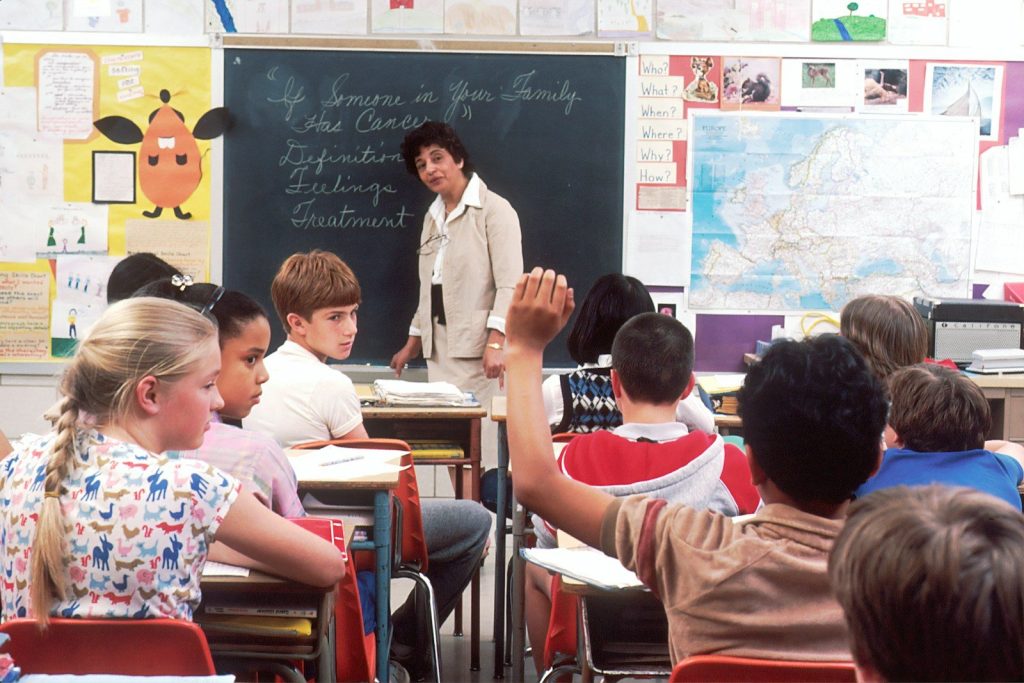
Many students spend hours studying but struggle to remember information because they rely on memorization alone. Techniques like active recall and reviewing material over time help the brain retain knowledge much more effectively.
Developing strong learning strategies makes studying less stressful and more productive. This skill benefits students in every subject and continues to pay off throughout adulthood.
Critical Thinking
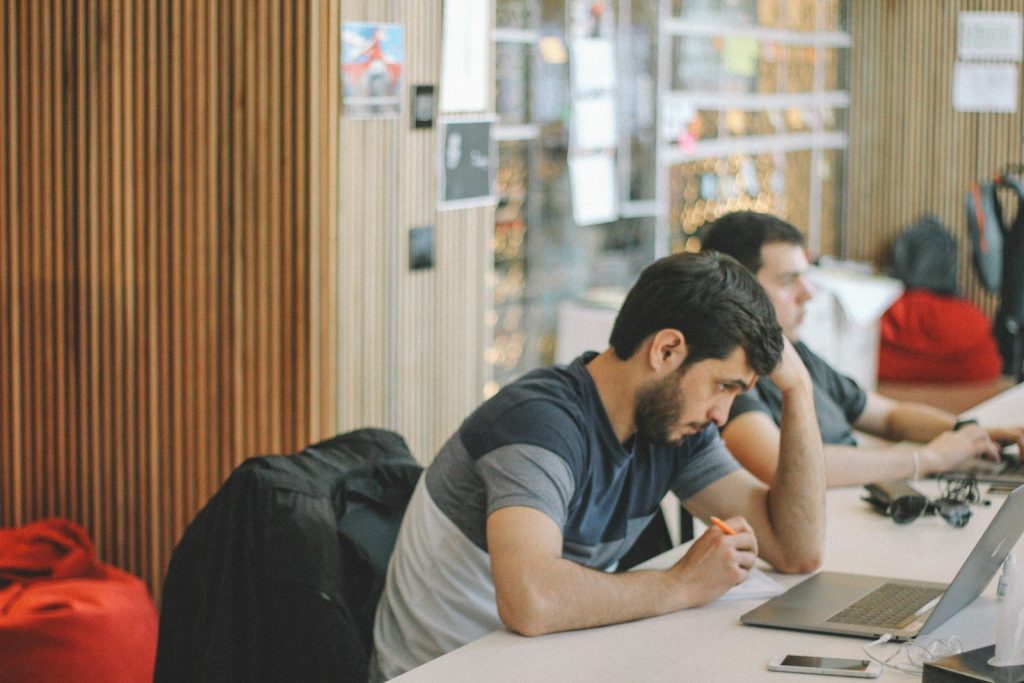
Finding the correct answer is only part of learning. Students also need to evaluate evidence, ask thoughtful questions, and recognize when information may be incomplete or misleading.
Strong critical thinking prepares people to make better decisions in school, at work, and in everyday life. It becomes even more valuable in a world filled with constant information online.
Time Management
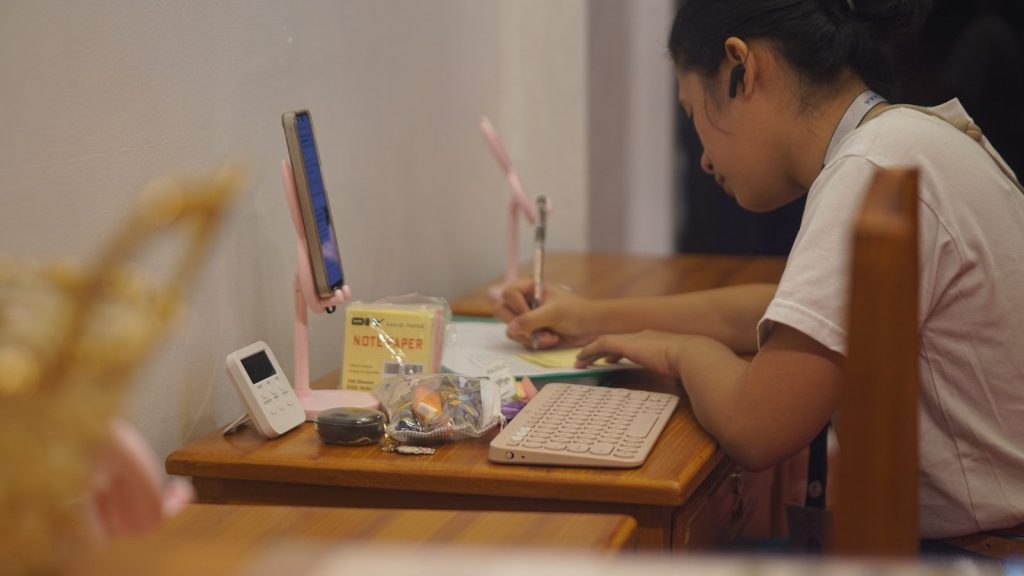
Many students understand the material but struggle because they wait until the last minute to complete assignments. Breaking large tasks into smaller daily goals often leads to better results with less stress.
Good time management also reduces procrastination and creates healthier study habits. It is a skill that benefits careers, relationships, and personal responsibilities long after school ends.
Reading for Understanding
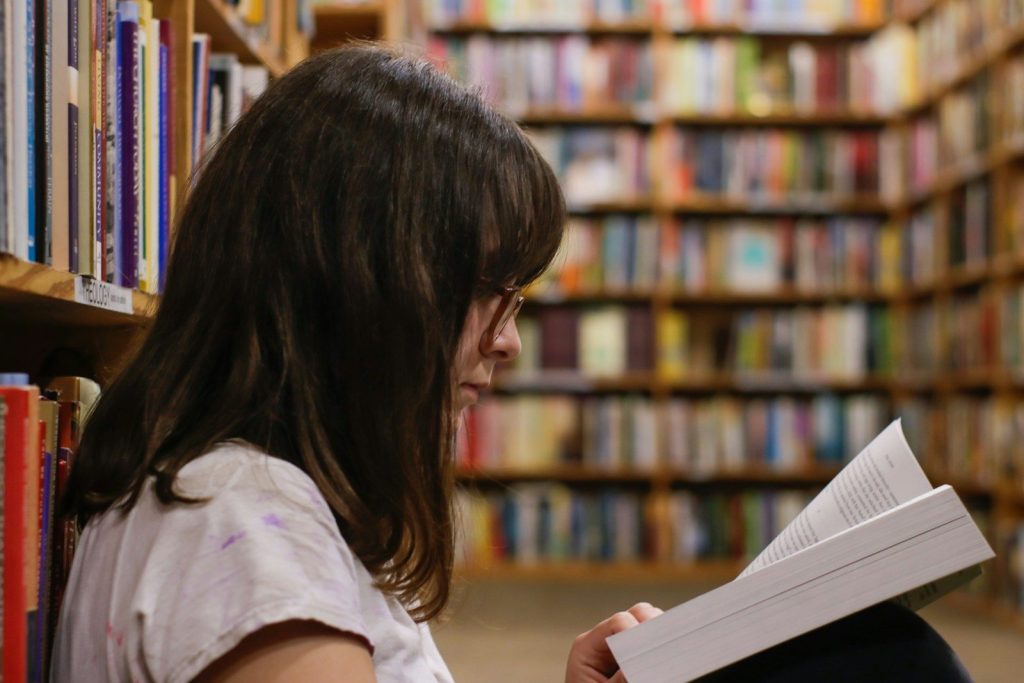
Reading quickly is not always the same as understanding what you read. Strong readers pause to ask questions, identify key ideas, and connect new information with what they already know.
Improving comprehension helps students perform better across every subject. It also builds confidence when tackling more challenging material.
Financial Literacy

Many graduates leave school without fully understanding budgets, savings, interest rates, or responsible spending. These everyday financial skills influence decisions people make for decades.
Learning how to manage money early can prevent costly mistakes and encourage smarter financial habits. Even simple budgeting skills create greater confidence and independence.
Digital Literacy

Technology makes information easier to access than ever before, but not everything online is accurate. Students benefit from learning how to evaluate sources, identify misinformation, and protect their personal information.
Digital literacy also includes using technology responsibly rather than becoming distracted by it. These habits support both academic success and everyday life.
Communication Skills
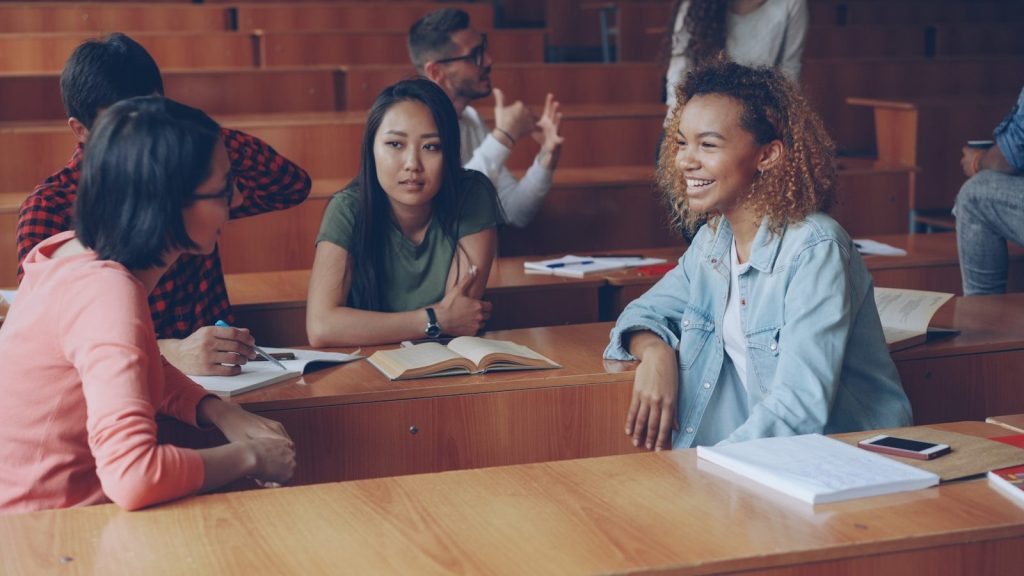
Knowing an answer is valuable, but explaining it clearly is just as important. Strong communication includes listening carefully, asking thoughtful questions, writing effectively, and speaking with confidence.
These abilities improve teamwork, strengthen relationships, and prepare students for future careers. They remain useful in almost every profession.
Problem Solving

The most successful learners know how to approach unfamiliar challenges instead of giving up when answers are not obvious. Problem solving encourages creativity, persistence, and confidence in difficult situations.
The growing conversation about today’s education crisis reminds us that success depends on more than grades alone. Building these practical learning skills helps students become adaptable, capable learners throughout their lives.