

Major events often make headlines because they promise to reshape communities, jobs, and local economies. While those conversations usually focus on national policies, the real impact often appears much closer to home through the prices we pay, the services we use, and the routines we depend on every day.
Your household does not exist in isolation. It is connected to local businesses, workers, supply chains, and neighborhoods, which means changes around your community can quietly influence your budget long before you notice them.
Your Grocery Cart Reflects More Than Food Prices

When communities experience major economic changes, grocery stores often feel the effects before many other places. Products may become harder to find, certain items may cost more, or seasonal produce may change in price depending on local supply and demand.
Instead of building every meal around the same ingredients, create flexible shopping lists. Swapping vegetables, proteins, or pantry staples based on weekly prices helps your household adjust without sacrificing quality.
Local Workers Shape Everyday Convenience

Many everyday services rely on skilled workers who keep neighborhoods running smoothly. From landscapers and house cleaners to restaurant staff and delivery drivers, local labor plays an important role in keeping daily life affordable and convenient.
When services become more expensive or harder to schedule, simple household skills become even more valuable. Learning basic repairs, meal preparation, or yard maintenance can reduce costs while giving you greater flexibility.
Waiting Until You Need Something Can Cost More

Community changes sometimes affect how quickly products and services are available. A repair that once took two days may suddenly require two weeks, especially during busy seasons or periods of high demand.
Planning ahead makes a difference. Replacing worn household essentials before they completely fail helps you avoid paying premium prices during urgent situations.
Small Local Businesses Matter More Than You Think

Neighborhood hardware stores, produce markets, and family-owned shops often respond differently to changing economic conditions than larger retailers. They may offer seasonal bargains, personalized service, or products that are difficult to find elsewhere.
Getting to know a few reliable local businesses can give you more options when prices fluctuate. It also helps build stronger connections within your community while supporting the local economy.
Delaying Maintenance Is Rarely the Cheaper Choice
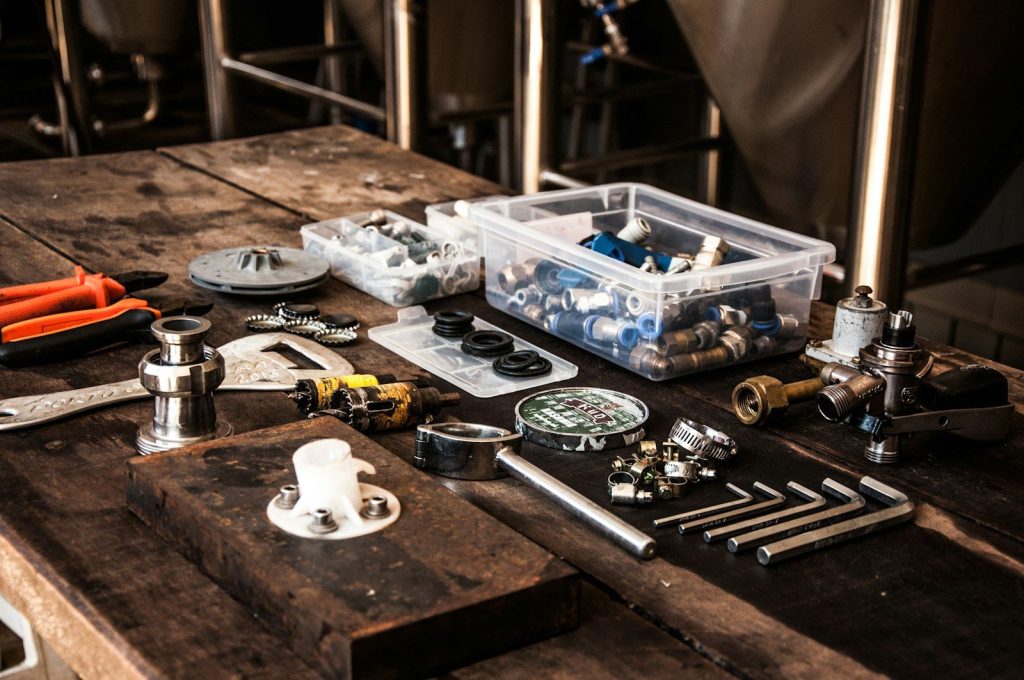
When prices rise or local services become busier, many homeowners postpone small maintenance jobs, hoping to save money. Unfortunately, minor issues often become larger repairs that cost much more to fix later.
Set aside a few minutes each month to inspect things like weather stripping, plumbing fixtures, smoke detectors, and appliance filters. Catching small problems early is one of the simplest ways to protect your household budget.
Skills Can Be Just as Valuable as Savings

Money is an important resource, but practical knowledge has value too. Knowing how to sew on a button, sharpen kitchen knives, patch a small wall, or maintain appliances helps reduce dependence on outside services.
These skills also make your household more adaptable when labor costs increase or appointments become difficult to book. A little knowledge today can prevent unnecessary spending tomorrow.
Strong Communities Often Create Stronger Budgets

Households do not always need to solve every challenge alone. Borrowing tools from neighbors, sharing gardening tips, exchanging children’s clothing, or recommending trusted local services can reduce expenses for everyone involved.
Community connections often become even more valuable during periods of economic change. They provide practical support that no coupon or discount can replace.
The Best Financial Plan Includes Room to Adapt
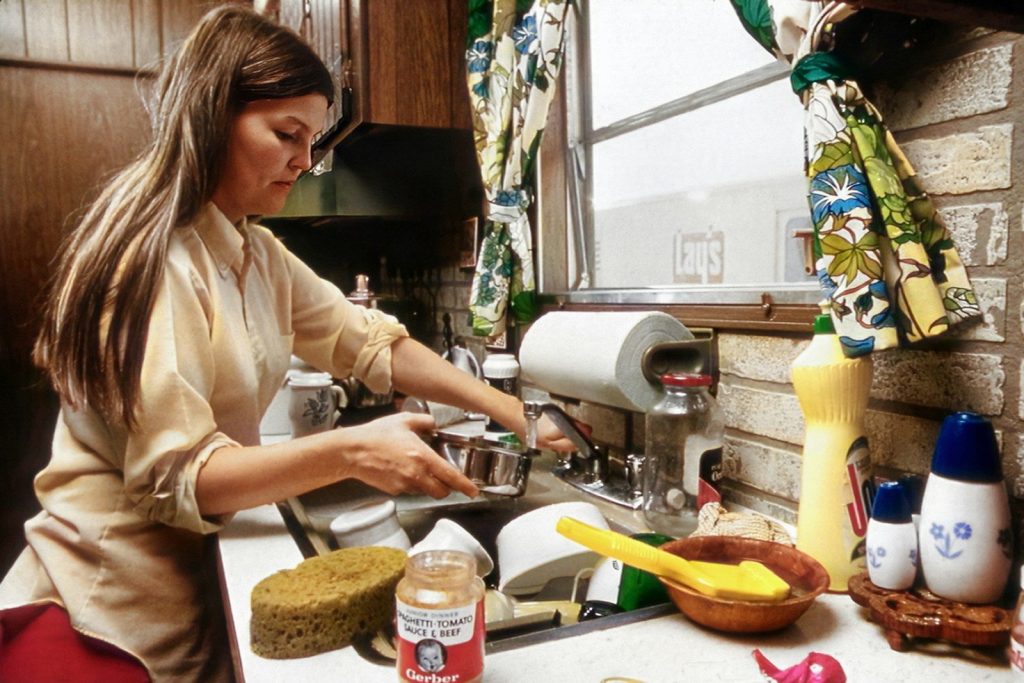
Large economic shifts often begin outside our control, but the way we respond inside our homes is something we can influence. Paying attention to changes in your local community makes it easier to adjust before small challenges become expensive ones.
A flexible budget, practical household skills, thoughtful shopping habits, and strong community relationships all help create a home that is prepared for change. Those everyday choices make your household more resilient, no matter what is happening beyond your front door.