

For years, grabbing a burger before or after shopping at Walmart felt like part of the experience. While those familiar McDonald’s locations have largely disappeared, the change reflects something much bigger than a restaurant moving out.
It also highlights how shopping habits have evolved. Looking at those changes can help you spend more intentionally, avoid unnecessary purchases, and get better value from every trip.
A One-Stop Shopping Trip Once Included Lunch

Having a McDonald’s inside Walmart made it easy to combine shopping with a quick meal. It added convenience for families, travelers, and anyone spending extra time in the store.
That setup matched an era when shoppers often browsed longer and treated shopping as an outing instead of a quick errand.
Shoppers Started Spending Less Time in Stores

Many people now head into Walmart with a list and a plan instead of wandering through every aisle. Faster trips leave less room for distractions.
That simple shift can also reduce impulse purchases. Spending less time browsing often means spending less money overall.
Eating Before You Shop Can Pay Off

One reason in-store restaurants became less essential is that shoppers began planning meals around their errands instead of during them.
Having a meal or snack before shopping can make it easier to stick to your grocery list. It also helps you avoid adding expensive convenience foods to your cart.
Convenience Looks Different Today
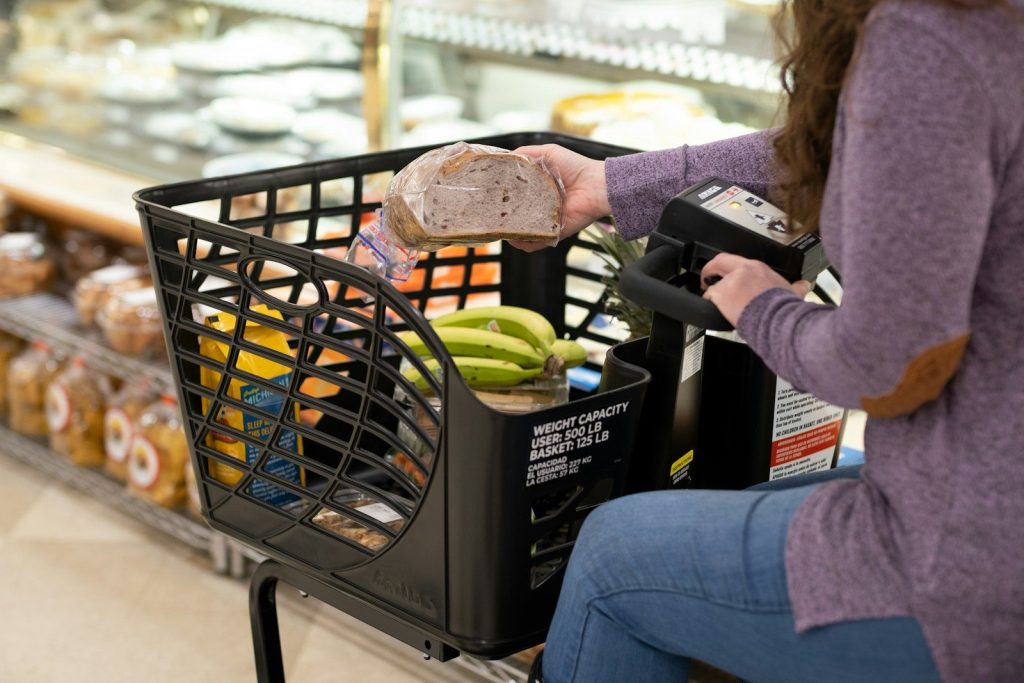
Modern shoppers often value speed over stopping for a meal during a shopping trip. Pickup services and organized shopping lists help people finish errands more efficiently.
Planning ahead saves more than time. It can also reduce fuel costs by limiting extra trips during the week.
Every Extra Purchase Adds Up
Stopping for a quick meal may not seem expensive, but small purchases made during routine errands can quietly grow into a larger monthly expense.
Bringing a drink or snack from home is a simple habit that keeps more money in your pocket without making shopping less enjoyable.
Stores Follow Customer Habits

As shopping routines changed, Walmart began using former restaurant spaces for services and businesses that better fit today’s customers.
The lesson for shoppers is just as useful. Adjusting your own routine as habits change can lead to better savings and a more efficient day.
Smart Planning Beats Impulse Spending
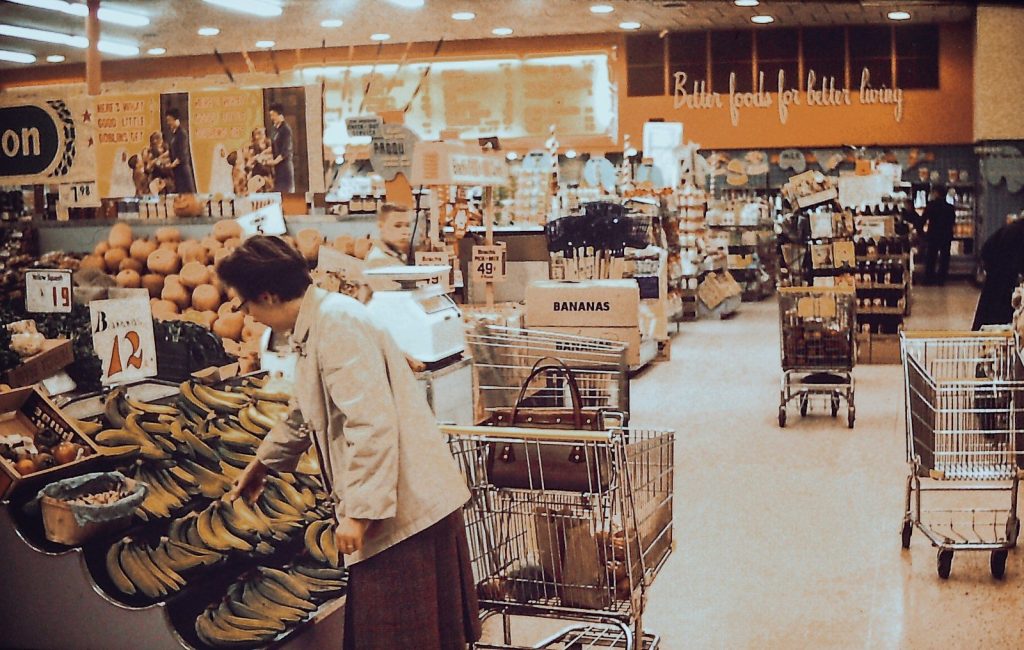
Making a shopping list, combining errands, and setting a budget before leaving home are easy ways to stay focused.
These small habits help reduce waste, prevent duplicate purchases, and make every shopping trip more productive.
The Bigger Lesson Is About Shopping Smarter
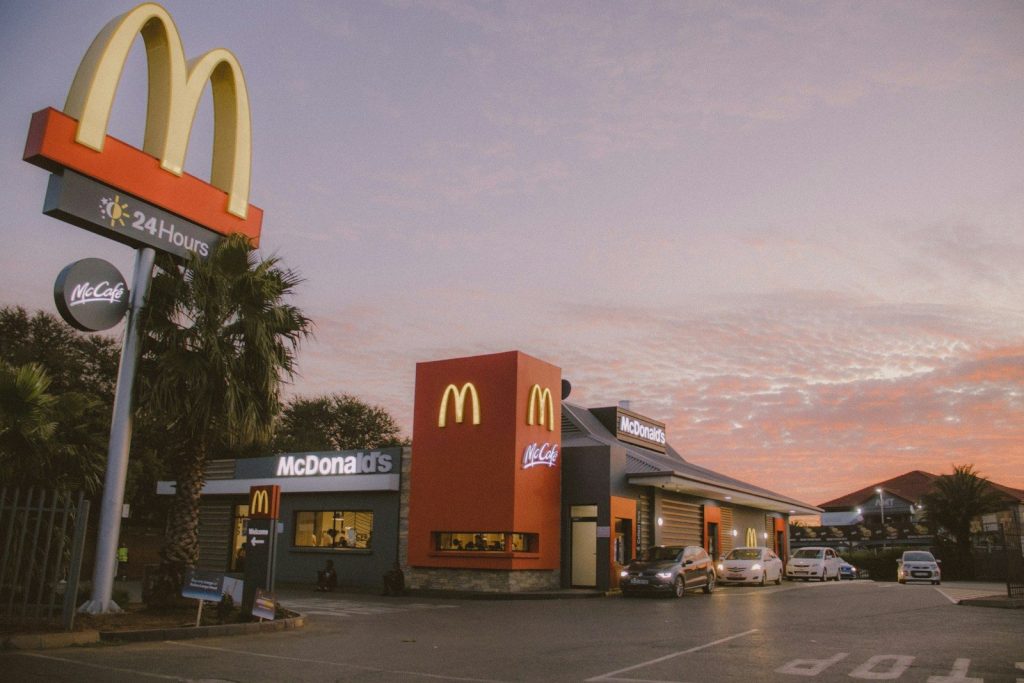
The disappearance of McDonald’s inside Walmart is more than a retail story. It reflects how convenience has shifted from spending more time in stores to making every visit count.
By planning ahead, avoiding unnecessary stops, and shopping with purpose, you can save both time and money while getting more value from every trip.