

Rising prices can make ordinary shopping trips feel unpredictable. Whether it is groceries, household supplies, or utility bills, many families are looking for ways to stretch their money without sacrificing their quality of life.
While no one controls the economy, everyone can control daily spending habits. A few thoughtful adjustments can make your budget more resilient and help you feel prepared when costs continue to change.
Focus on What You Can Control

Economic headlines often create uncertainty, but reacting emotionally rarely improves financial outcomes. Instead of worrying about every price increase, direct your attention toward decisions you make each day.
Creating a realistic monthly budget gives you a clearer picture of where your money goes. Small improvements in spending habits often add up faster than people expect.
Shop With a Plan Instead of a Mood

Walking into a store without a list makes it easier to buy things that seemed useful in the moment. Those extra purchases often become the hidden reason grocery bills continue to grow.
Plan meals before shopping and organize your list by store sections. This saves time, reduces impulse spending, and helps prevent food from going unused at home.
Learn the Difference Between Price and Value

The cheapest product is not always the best purchase. A higher quality item that lasts longer may actually cost less over time than replacing a cheaper version several times.
Compare durability, usefulness, and long term value before making larger purchases. Spending thoughtfully is often more effective than simply spending less.
Reduce Waste Before Cutting Comfort
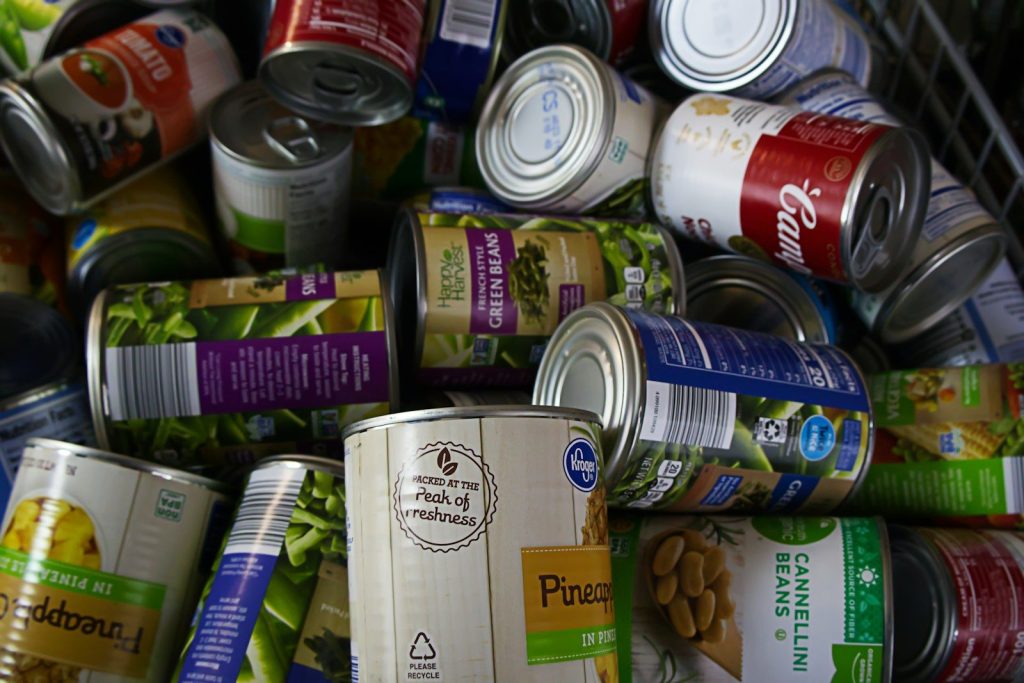
Many households immediately look for things to eliminate when budgets become tighter. A better starting point is reducing waste that provides little benefit in everyday life.
Finish pantry items before buying more, use leftovers creatively, and repair household goods whenever practical. These habits preserve comfort while lowering unnecessary expenses.
Build Flexibility Into Weekly Spending
Not every week costs the same, especially when prices change unexpectedly. Leaving a small amount of room in your budget makes it easier to handle higher grocery bills or surprise expenses.
Think of this extra space as part of your financial routine rather than unused money. Having flexibility reduces the need to rely on credit for small emergencies.
Delay Non Essential Purchases

When prices are climbing, waiting can become one of the smartest financial tools. Many items that feel urgent today seem much less important after a few days.
Use that waiting period to compare prices, read reviews, and decide whether the purchase truly improves your daily life. Careful decisions usually lead to greater satisfaction and fewer regrets.
Keep Everyday Costs Visible
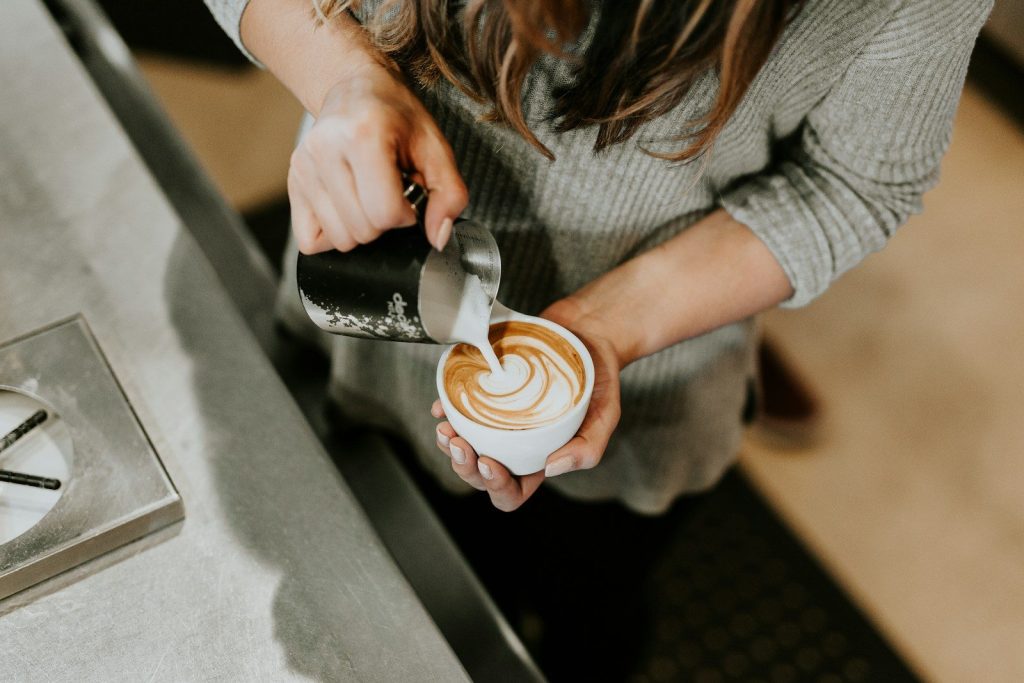
It is easy to notice large bills, but smaller daily purchases often escape attention. Coffee runs, convenience store visits, and online impulse buys can quietly consume a surprising amount each month.
Tracking these expenses for just a few weeks helps reveal patterns you may not have noticed. Once you see them clearly, making adjustments becomes much easier.
Strong Habits Outlast Economic Changes

Markets, prices, and economic conditions will always rise and fall over time. The financial habits you develop today continue working whether costs increase or eventually become more stable.
Planning ahead, spending with purpose, avoiding waste, and maintaining a flexible budget create lasting value. These simple routines help families feel more confident regardless of what the economy does next.