

Global events can change the price of fuel faster than most people expect. Even if you never follow international news, you may notice the effects when filling your car, shopping for groceries, or paying monthly bills.
The good news is that you do not have to wait for prices to settle before taking action. A few practical habits can reduce waste, stretch your budget, and make everyday spending more predictable during uncertain times.
Fuel Prices Affect More Than Your Gas Tank
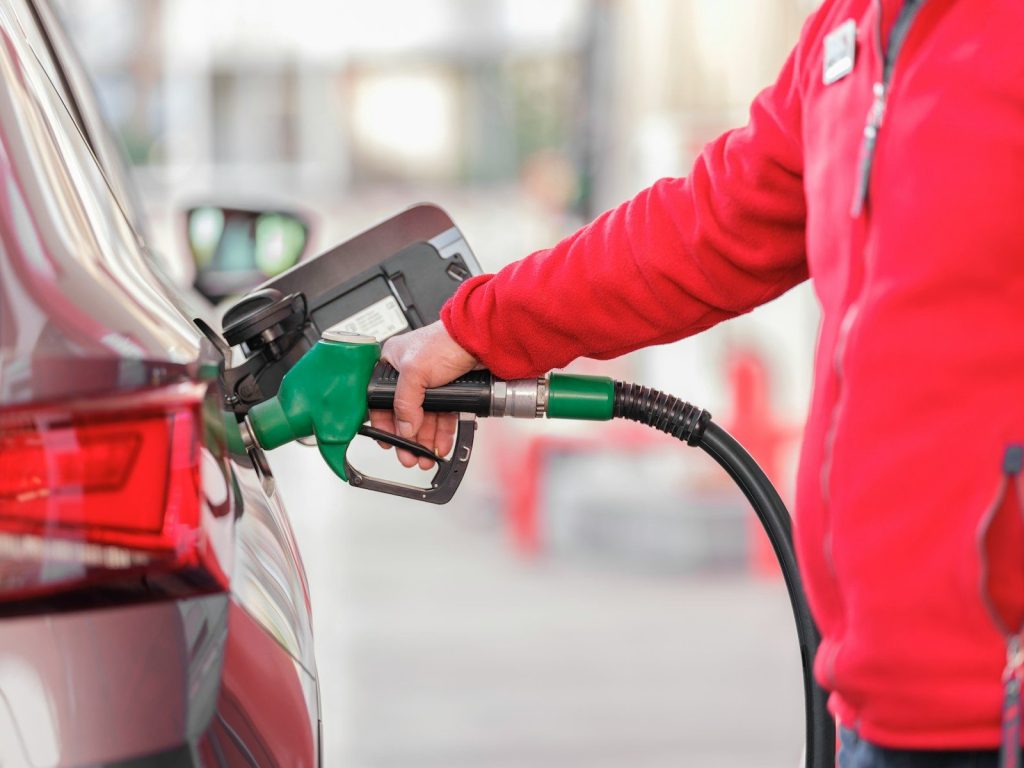
Most people connect fuel costs with driving, but the impact reaches much further. Transportation plays a role in moving groceries, clothing, household goods, and building materials from one place to another.
That means higher fuel costs can slowly appear across many parts of your budget. Understanding this connection helps families prepare instead of feeling surprised when everyday expenses begin to rise.
Plan Errands Instead of Driving More Often

One of the easiest ways to reduce fuel expenses is to combine several errands into one trip. A little planning saves both time and unnecessary miles throughout the week.
Keep a running shopping list instead of making multiple visits for single items. Fewer trips also reduce vehicle wear, which can help lower maintenance costs over time.
A Well Maintained Car Uses Fuel More Efficiently

Simple maintenance often delivers better fuel efficiency than many drivers realize. Proper tire pressure, clean air filters, and routine servicing help vehicles perform as intended.
Ignoring small maintenance tasks may lead to higher fuel use and more expensive repairs later. Spending a little on prevention is often cheaper than paying for avoidable problems.
Smart Grocery Shopping Helps Offset Rising Costs

Transportation expenses can influence food prices, making careful grocery shopping even more valuable. Planning meals before shopping reduces impulse purchases and limits wasted ingredients.
Buying seasonal produce, comparing store brands, and freezing leftovers are practical habits that stretch food budgets. These choices become even more helpful when prices begin to increase.
Home Energy Savings Still Make a Difference

Fuel markets can also influence household energy costs depending on where you live. Small adjustments inside the home help reduce monthly utility bills without making life less comfortable.
Turn off lights in unused rooms, seal drafts around doors, and run full loads of laundry whenever possible. These everyday habits save energy while making household expenses easier to manage.
Avoid Panic Buying

When headlines focus on rising prices, it is tempting to stock up on everything at once. Buying more than you need often ties up money that could be used for other important expenses.
Instead, replace household essentials as needed while watching for genuine sales. Calm and consistent shopping usually leads to better financial decisions than reacting to short term uncertainty.
Build Flexibility Into Your Monthly Budget
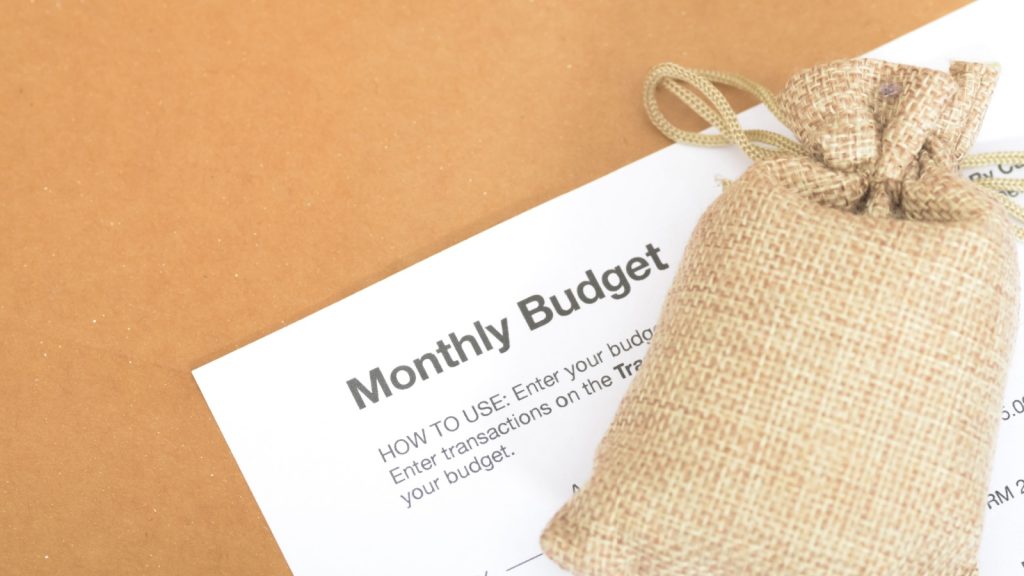
Markets can change quickly, making flexible budgets more valuable than rigid spending plans. Leaving room for unexpected expenses reduces stress when costs temporarily increase.
Review discretionary spending each month and identify areas where you can easily adjust if needed. Even a modest financial cushion provides greater confidence during changing economic conditions.
Practical Habits Matter More Than Predictions

No one can accurately predict how long higher fuel prices or global market changes will last. What remains within your control is how you respond through everyday financial choices.
Driving efficiently, reducing waste, maintaining your home and vehicle, and shopping thoughtfully all strengthen your budget. These simple habits continue paying off regardless of what happens in the broader economy.