

Online shopping has made life more convenient, but it has also created new opportunities for scammers. Fake delivery messages, unexpected tracking alerts, and convincing emails are becoming more common, making it important to know what to watch for.
The good news is that avoiding these scams usually comes down to a few simple habits. By slowing down and checking the details, you can protect your personal information, avoid unnecessary stress, and keep your money where it belongs.
Be Careful With Unexpected Delivery Messages

Scammers often send texts or emails claiming there is a problem with a package waiting for you. These messages are designed to create urgency so you act before thinking.
If you were not expecting a delivery, pause before clicking anything. Taking a few extra seconds to verify the message can prevent costly mistakes.
Track Packages Through Official Sources
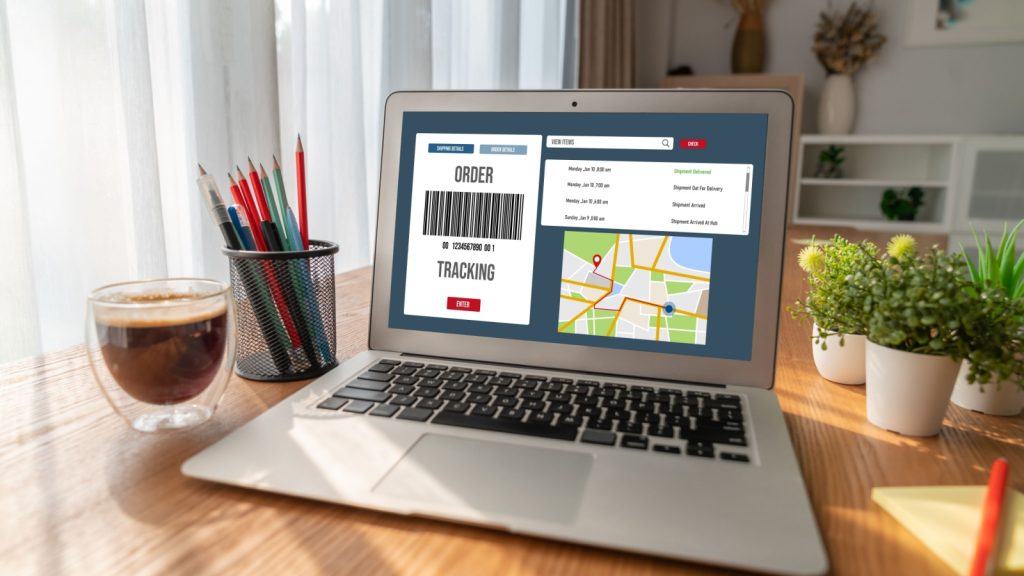
Instead of opening links from text messages, visit the retailer’s website or use the official shipping company’s app to check your delivery status. This simple habit helps you avoid fake tracking pages.
Saving official websites in your browser also makes future package tracking quicker and safer.
Watch for Requests to Pay Small Fees

Some scams ask for a small payment to release a package or update delivery information. Although the amount may seem insignificant, the real goal is often to collect your payment details.
Legitimate delivery companies rarely request unexpected payments through text messages. When in doubt, contact the company directly using information from its official website.
Never Rush Into Sharing Personal Information

Scammers often ask for addresses, passwords, banking information, or verification codes while pretending to resolve a delivery issue. Sharing these details can lead to identity theft or financial loss.
A legitimate business will not pressure you into providing sensitive information through an unexpected message. Taking your time is one of the best forms of protection.
Look Closely at Links Before Clicking

Fraudulent websites often look almost identical to legitimate ones, but small differences in the web address can reveal the scam. Misspelled company names or unusual website endings are common warning signs.
If something feels unusual, type the company’s website address into your browser yourself instead of following the link you received.
Keep Your Devices Updated
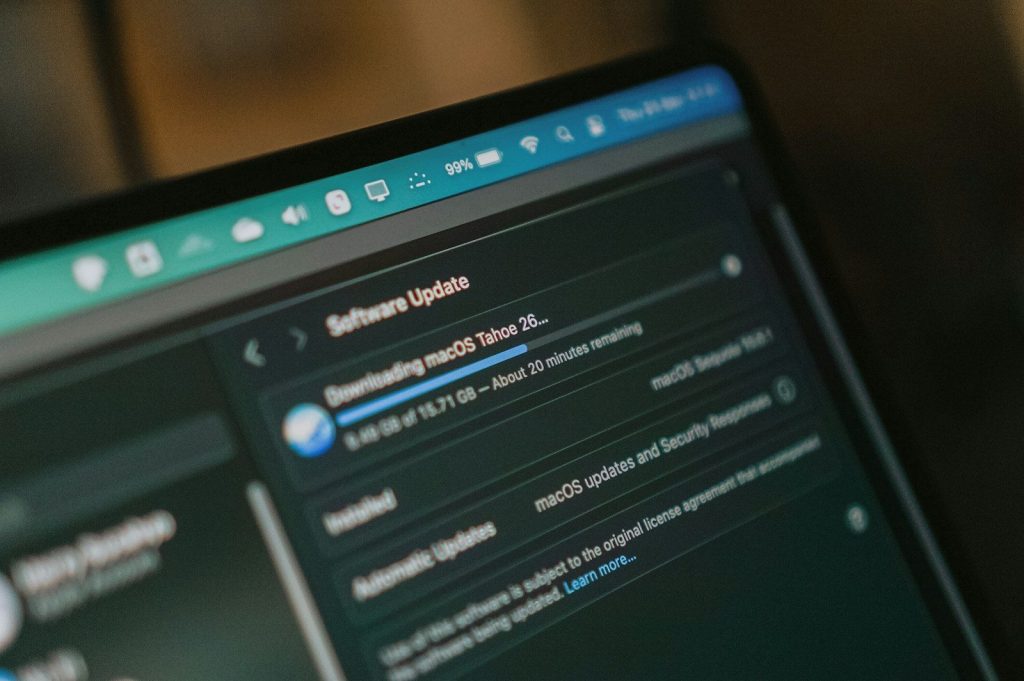
Regular software updates help protect your phone, tablet, and computer from security threats. Updated devices are better equipped to recognize suspicious websites and harmful downloads.
Turning on automatic updates is an easy way to strengthen your digital security without adding extra work to your routine.
Talk About Scams With Family Members

Scammers often target older adults, busy parents, and anyone expecting frequent deliveries. Sharing information with family members can help everyone recognize suspicious messages before someone becomes a victim.
A quick conversation today could prevent a loved one from losing money tomorrow.
Slow Down Before You Click

Most scams rely on people reacting quickly instead of thinking carefully. Taking a moment to verify a message, confirm a tracking number, or contact the retailer directly can make all the difference.
Protecting your money is not only about earning and saving. It is also about avoiding preventable losses. A few cautious habits can help keep your personal information secure while allowing you to shop online with greater confidence.