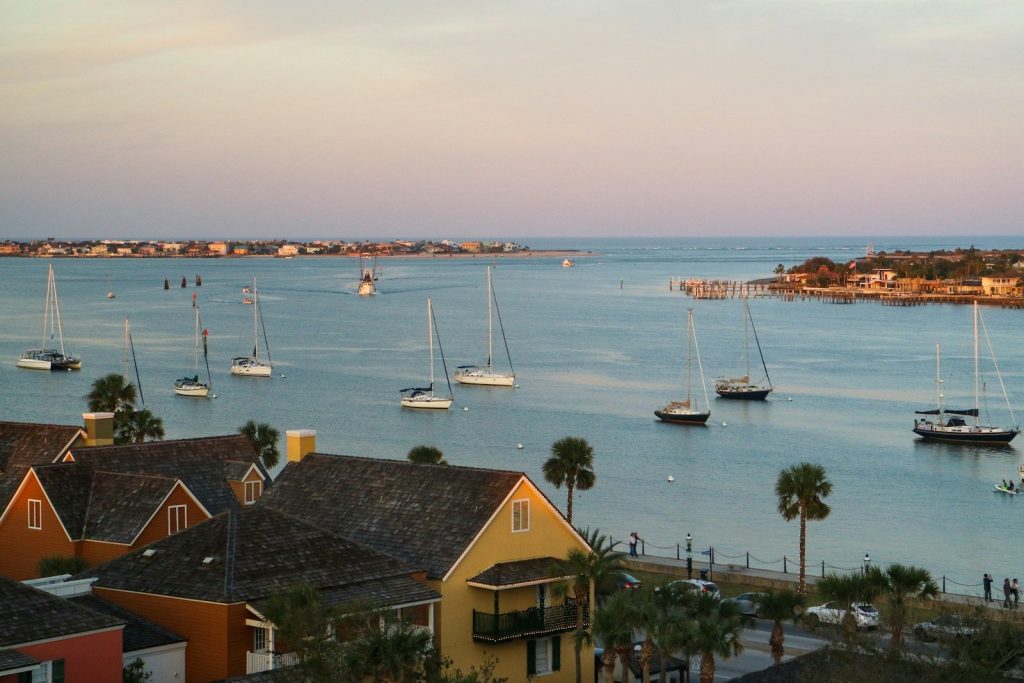

Florida’s beach towns continue attracting buyers in 2026. Warm weather, lower taxes, and flexible work arrangements have helped maintain housing demand across many coastal communities. Some markets have cooled after the rapid price growth earlier in the decade, though several towns still attract attention from buyers and real estate professionals.
Housing analysts often look at population growth, tourism activity, inventory levels, and local development projects when evaluating long-term value. Buyers are also paying closer attention to flood prevention efforts, insurance costs, and year-round amenities. Several Florida beach towns continue standing out in conversations about long-term real estate potential.
1. St. Augustine Continues Drawing Buyers
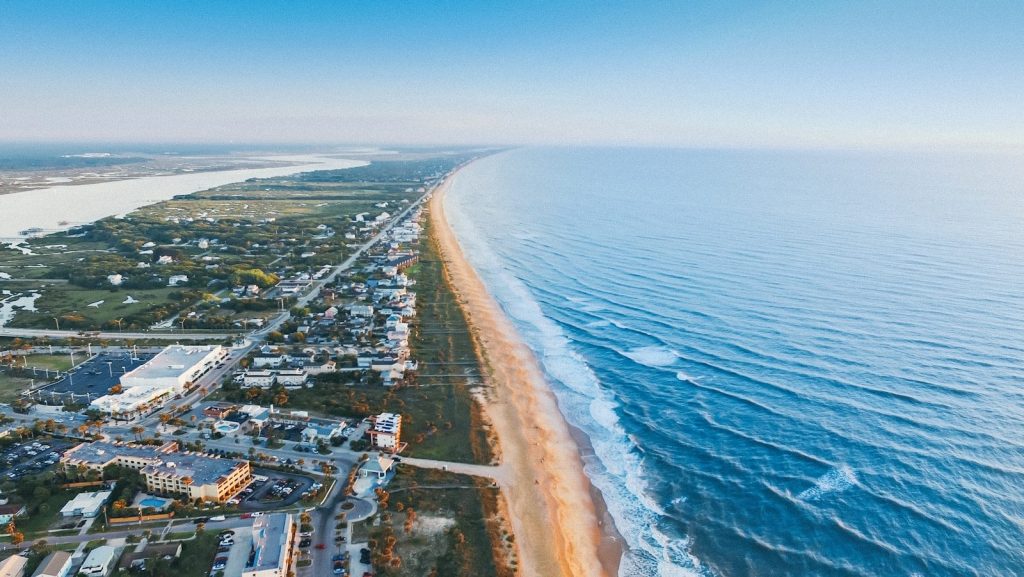
St. Augustine remains one of Florida’s more stable coastal housing markets. Historic neighborhoods, waterfront views, and a strong tourism industry continue attracting buyers from across the country. The city appeals to retirees, remote workers, and families searching for a quieter coastal setting. Housing demand has remained relatively steady compared to some Florida markets that experienced sharper price swings.
New restaurants, healthcare expansion, and infrastructure projects have supported local growth. Short-term rental properties near the historic district and beachfront areas also continue attracting investor interest. Real estate professionals continue watching St. Augustine because of its steady tourism economy and consistent buyer demand.
2. Naples Remains a Luxury Market Leader

Naples continues ranking among Florida’s strongest luxury real estate markets in 2026. Buyers from higher-tax states still relocate to Southwest Florida for financial reasons and coastal living. Waterfront homes and upscale condominiums remain popular, especially near beaches and golf communities. Some buyers are also exploring neighborhoods outside the city center where prices may be lower.
Naples benefits from a wealthy year-round population, strong retirement demand, and an established service economy. Those factors have helped support property values during periods of slower national housing activity. Luxury rental properties also remain popular during peak travel seasons.
3. New Smyrna Beach Continues Growing
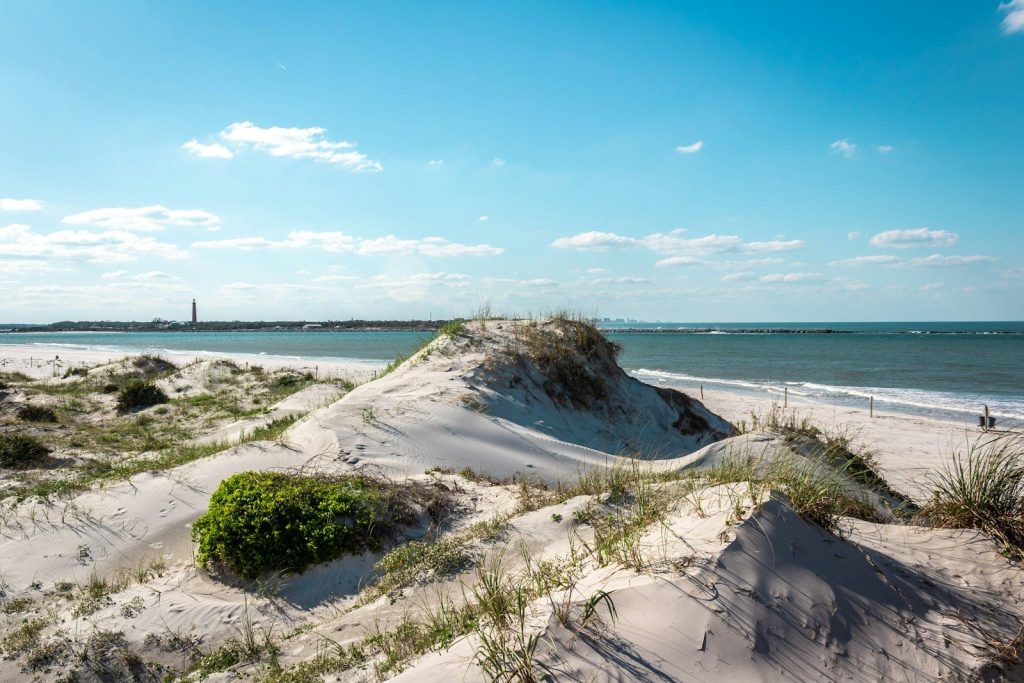
New Smyrna Beach has seen steady growth over recent years. The Atlantic Coast town attracts buyers searching for a quieter beach community with less tourism traffic than some larger Florida cities. The local arts scene, surf culture, and walkable downtown district continue attracting younger buyers and remote workers.
Limited housing inventory has also contributed to rising property values in many parts of the area. Vacation rentals remain popular during busy travel periods. The town’s location near Orlando gives residents access to larger job markets and airports while still offering a coastal lifestyle.
4. Sarasota Maintains Broad Buyer Demand
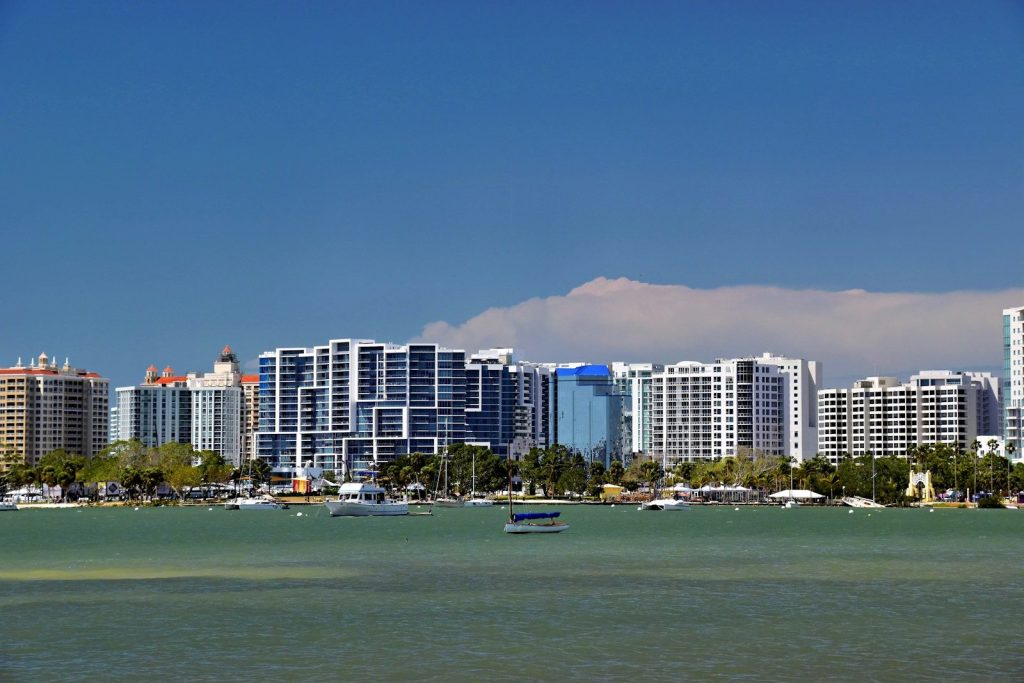
Sarasota continues attracting attention from homebuyers and investors. The Gulf Coast city offers beaches, entertainment, restaurants, and a growing business community. Housing demand comes from retirees, working professionals, and second-home buyers. That broad demand has helped support prices across several property types.
Downtown condominium construction has continued, and nearby communities remain competitive because inventory stays limited. Areas near Siesta Key and Lakewood Ranch continue attracting buyer interest. Healthcare expansion and population growth have also helped support Sarasota’s housing market.
5. Destin Remains Popular With Vacation Buyers
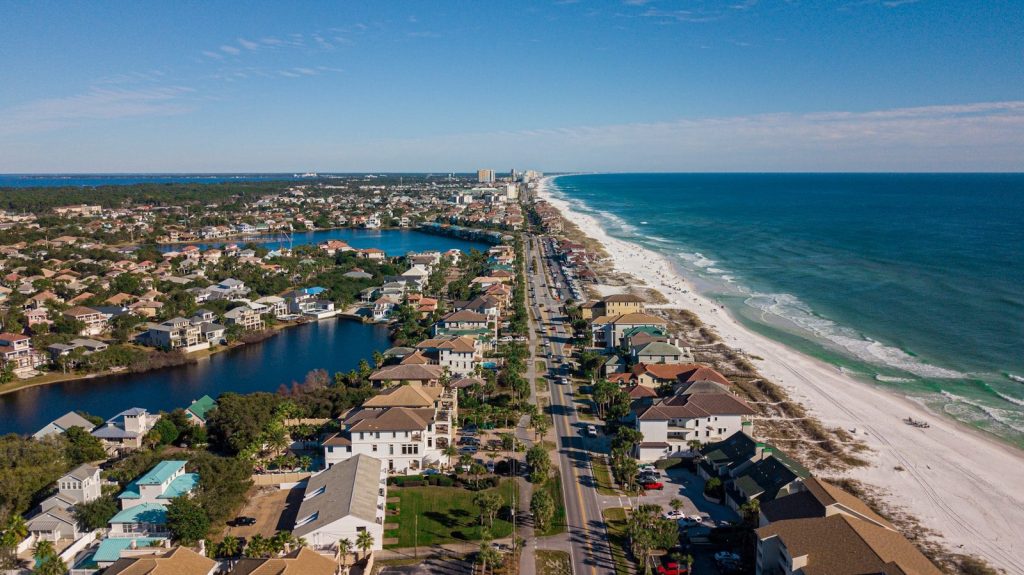
Destin continues ranking among Florida’s best-known beach destinations. White-sand beaches and strong tourism activity have helped support the local housing market in 2026. Short-term rentals remain popular, especially during spring and summer travel seasons. Many buyers purchase second homes that can also generate rental income during parts of the year.
Real estate professionals often point to repeat tourism as one reason Destin continues attracting housing demand. Many visitors return to the area regularly before eventually purchasing property. Marina improvements, restaurant growth, and continued tourism investment have also supported local development.
What Real Estate Professionals Watch Closely
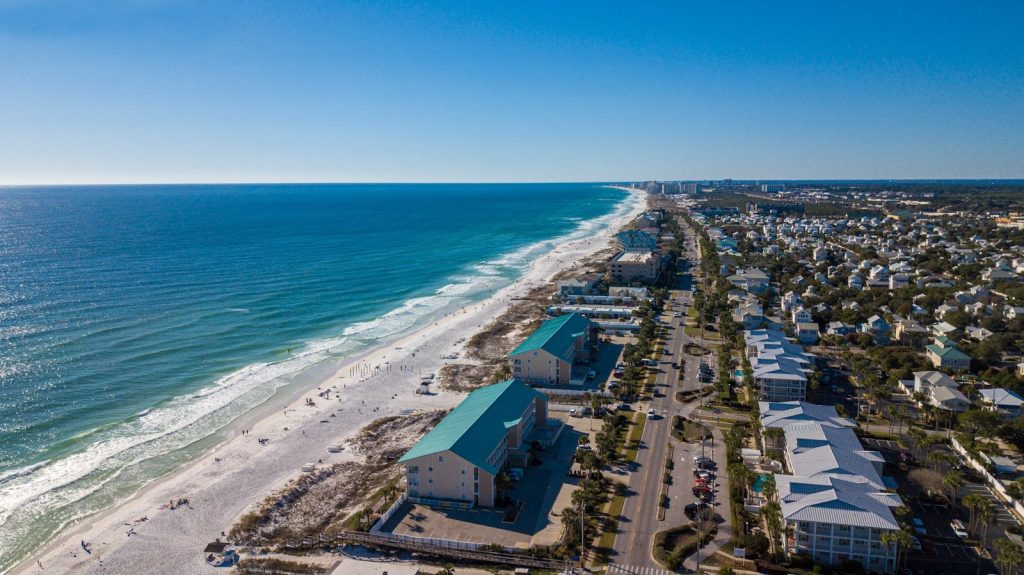
Real estate professionals usually examine several factors before recommending coastal markets. Population growth is often viewed as an indicator of long-term housing demand. Communities gaining full-time residents may experience steadier appreciation over time.
Infrastructure projects can also influence property values. Road improvements, flood prevention systems, and hurricane protection efforts remain important across Florida’s coastal regions. Insurance costs have become another major factor for buyers. Many homebuyers now research flood zones, elevation levels, and storm history before purchasing homes near the water.
Walkability, entertainment, restaurants, and beach access also continue shaping buyer interest.
Remote Work Still Shapes Coastal Markets
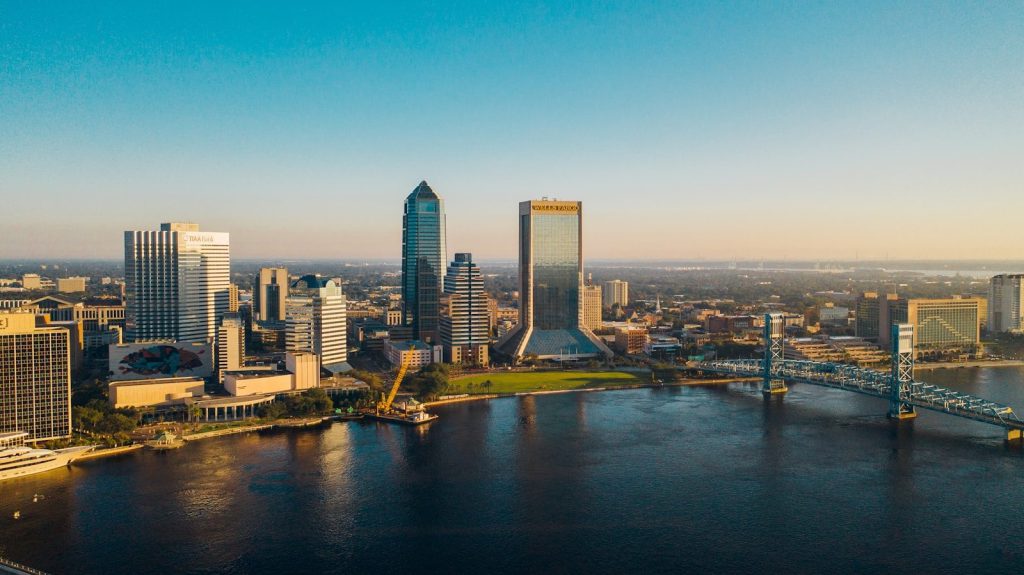
Remote and hybrid work arrangements continue influencing Florida’s housing market in 2026. Many professionals now have more flexibility when deciding where to live.
Beach towns once associated mostly with retirees are attracting younger buyers searching for coastal living and flexible lifestyles. Coffee shops, coworking spaces, and reliable internet access have become attractive features in many communities.
Smaller beach towns have benefited from this trend. Buyers continue prioritizing outdoor recreation, lower traffic levels, and waterfront access. Homes with office space, outdoor patios, and updated interiors remain popular with remote workers.
Buyers Still Face Market Challenges

Florida’s beach markets continue attracting interest, though buyers still face several challenges. Insurance premiums remain expensive in some coastal areas. Property taxes and storm-related building requirements can also increase ownership costs over time.
Some housing markets may experience slower appreciation if inventory levels continue rising. Tourism trends also affect local economies in areas heavily dependent on vacation travel. Many buyers work with local real estate agents and review neighborhood-specific data before making purchasing decisions.
Florida Beach Towns Continue Attracting Interest
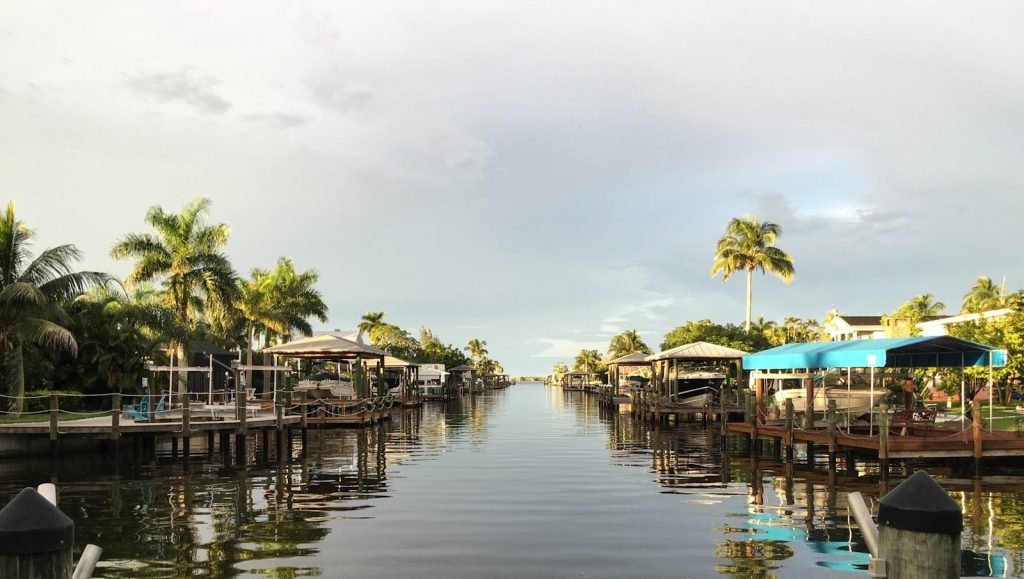
Florida’s coastal housing market continues drawing buyers in 2026. Beach towns remain attractive for retirees, investors, second-home buyers, and remote workers. St. Augustine, Naples, New Smyrna Beach, Sarasota, and Destin each offer different advantages.
Tourism activity, population growth, and limited inventory continue supporting demand in many parts of these markets.
Careful research remains important as buyers navigate insurance costs, local regulations, and changing market conditions. Many real estate professionals continue watching Florida’s coastal towns for long-term housing trends.