

Small purchases often get the blame for draining a budget, but bigger spending habits can quietly have an even greater impact. Looking at everyday choices through a practical lens can reveal where money slips away without adding lasting value.
The goal is not to spend less for the sake of it, but to make purchases that bring real value while leaving more room for future goals.
Think Beyond the Price Tag

A smart purchase is about more than the amount on the receipt. It also includes maintenance, storage, repairs, and how often you will actually use it.
Before buying anything expensive, ask whether it will still feel worthwhile a year from now. That simple pause can prevent costly regrets.
Status Is Not the Same as Value

Expensive brands often promise prestige, yet many affordable options deliver similar quality for daily use. Paying for a label does not always improve your experience.
Choosing reliable products instead of trendy ones can leave extra money for savings, travel, or projects that matter more over time.
Bigger Homes Bring Bigger Bills
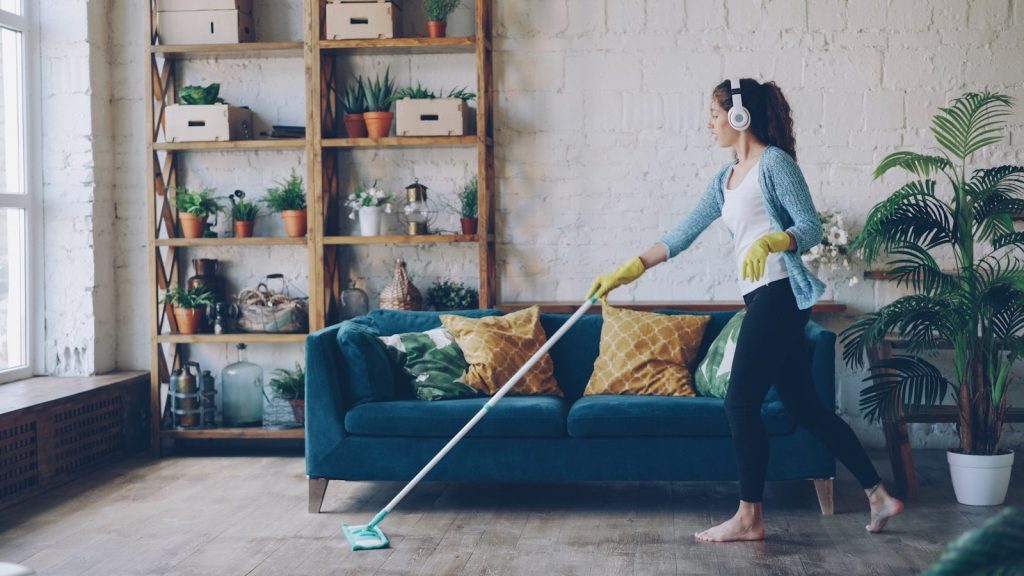
More space sounds appealing until utility costs, cleaning time, furniture, and maintenance begin adding up month after month.
Buying a home that truly fits your lifestyle can reduce stress while making everyday living simpler and more affordable.
Luxury Experiences Fade Quickly

Special occasions deserve celebration, but constantly chasing premium experiences can strain even a healthy budget.
Many memorable moments come from thoughtful planning instead of premium prices. Local adventures and simple gatherings often create the best stories.
Watch the Small Daily Habits
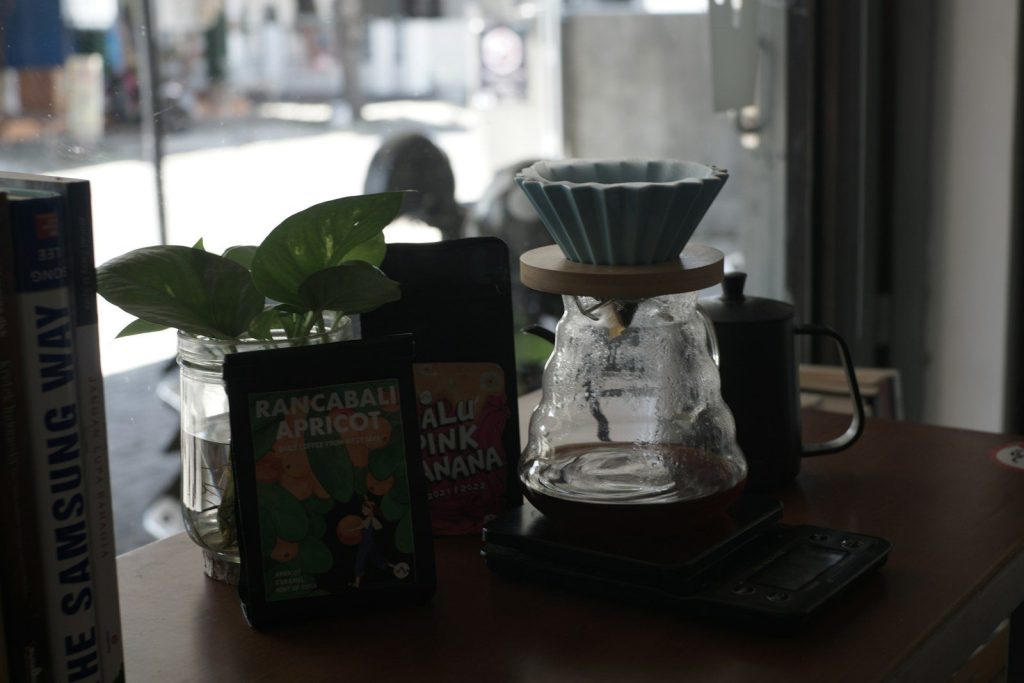
Large purchases attract attention, yet repeated daily spending quietly shapes your finances over time.
Brewing coffee at home a few mornings each week or packing lunch occasionally can free up money without making life feel restricted.
Buy for Your Real Life

Many purchases are inspired by who we hope to become instead of how we actually live. That unused exercise machine or specialty gadget is a familiar example.
Waiting a few days before buying gives you time to decide whether the item solves a real problem or simply feels exciting in the moment.
Quality Beats Quantity
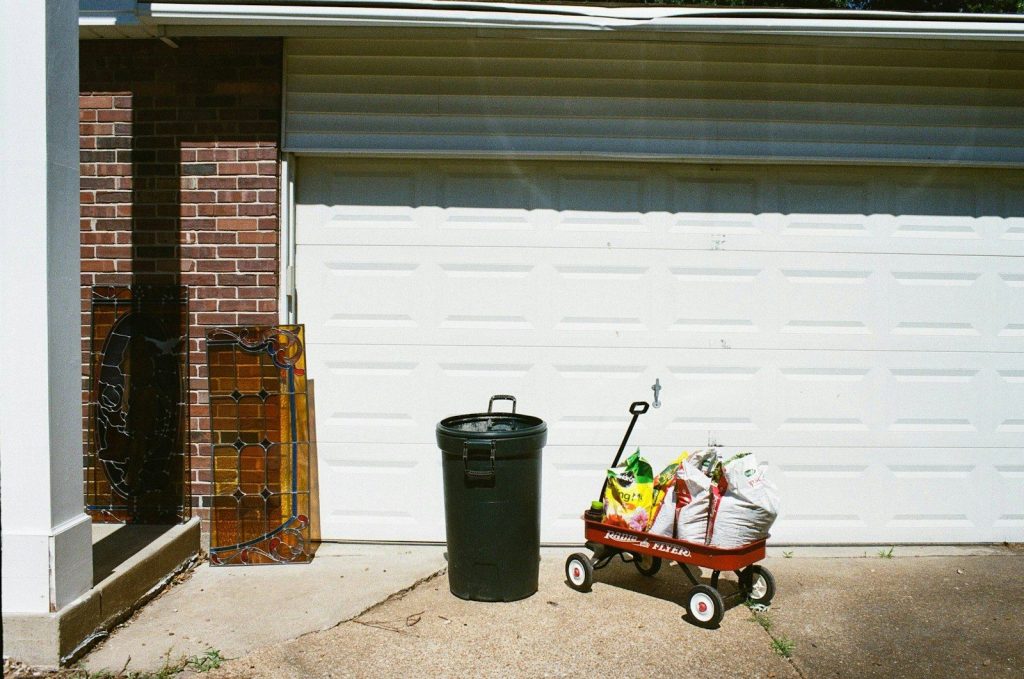
Owning fewer dependable items often works better than filling your home with products that wear out quickly or rarely get used.
This approach reduces clutter, limits waste, and stretches every dollar further because replacements become less frequent.
Build Habits That Last

Financial confidence usually comes from consistent choices instead of dramatic sacrifices. Every thoughtful purchase strengthens the habit of spending with purpose.
The most valuable lesson is simple. Spend where life genuinely improves, skip what only looks impressive, and let those everyday decisions create lasting savings over time.