

Life does not always go as planned. A power outage, internet problem, or banking delay can make having some cash at home more useful than many people realize.
The goal is not to keep large amounts of money lying around. It is to create a practical emergency reserve that gives you peace of mind while fitting comfortably into your everyday budget.
Keeping a Small Cash Reserve Can Save You During Unexpected Situations

Most purchases happen with cards or digital payments, but those methods are not always available. Having enough cash for basic necessities can make stressful situations much easier to handle.
Think about what your household might realistically need for a day or two. Building your reserve around those essentials keeps your savings practical instead of excessive.
Start Small Instead of Saving It All at Once
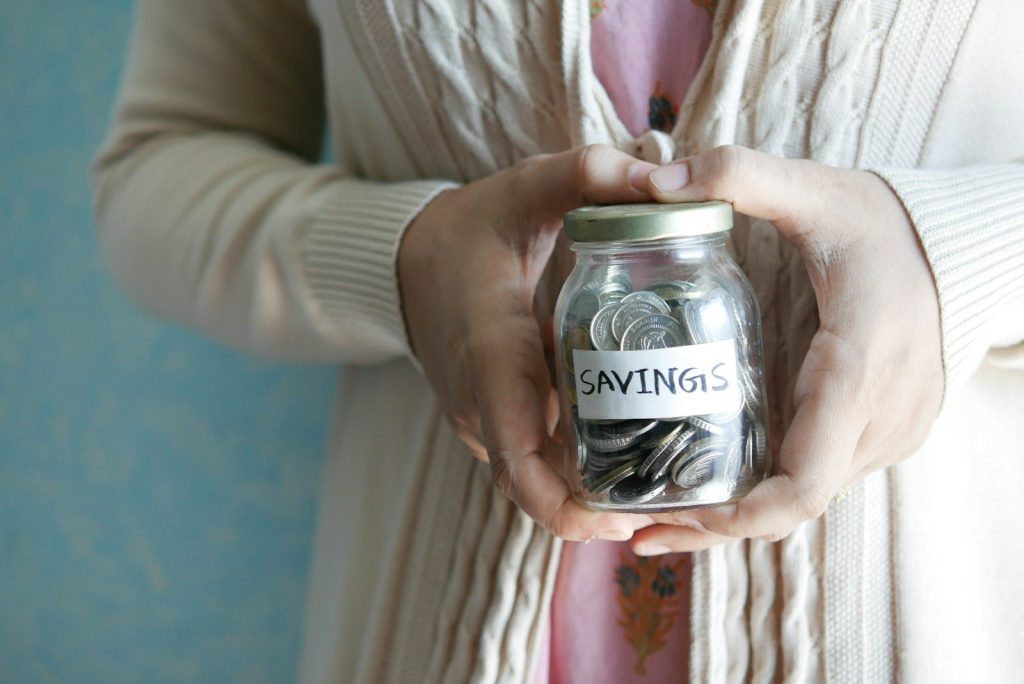
Setting aside a large amount immediately can strain your monthly budget. Adding a little cash each week makes the goal much more manageable.
Even saving the change left after grocery shopping or setting aside a small bill every payday can add up over time.
Choose a Safe Place That Only Your Household Knows About
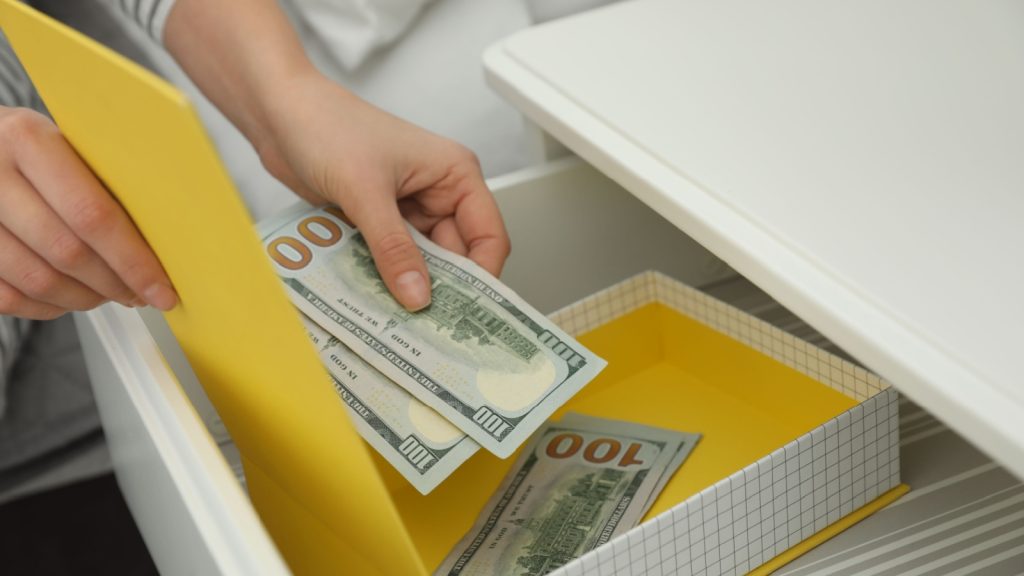
Cash is only helpful if it stays protected. Pick a secure location that is dry, discreet, and easy for trusted family members to access if needed.
Avoid obvious hiding places that most people would check first. A little planning adds another layer of security.
Keep Small Bills Ready for Everyday Purchases

Large bills can be difficult to use during emergencies when businesses have limited change available. Smaller denominations make it easier to pay for groceries, fuel, or other essentials.
A mix of bills also gives you greater flexibility without carrying more cash than necessary.
Refresh Your Cash Reserve Every So Often
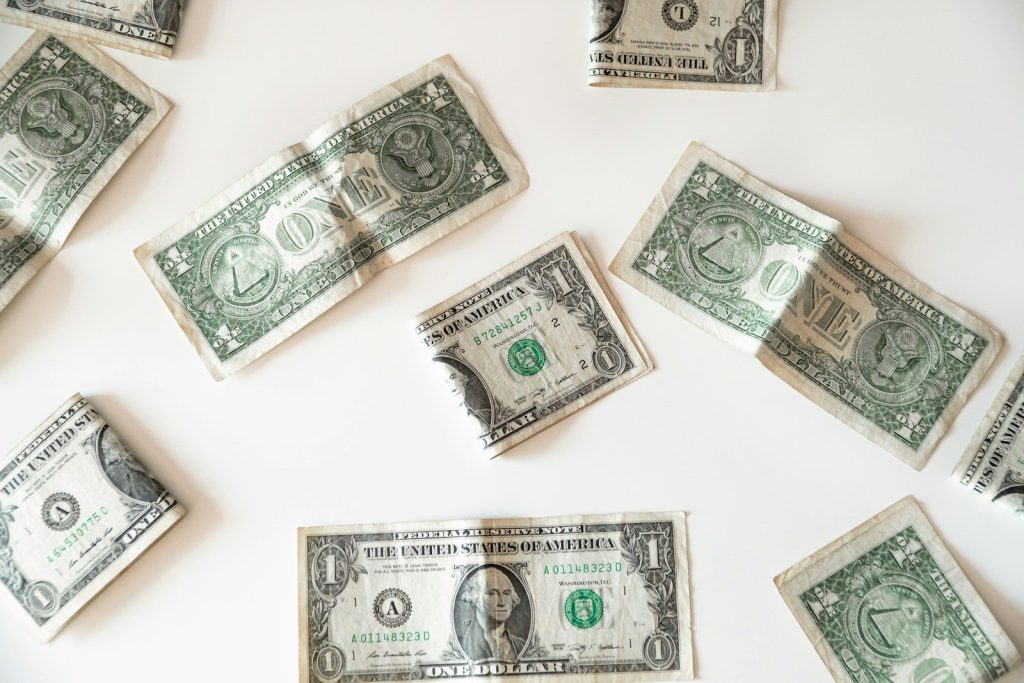
Money stored for years may become worn or outdated. Checking your emergency cash from time to time ensures it stays clean, usable, and complete.
If you notice damaged bills, simply spend them during normal errands and replace them with newer ones.
Treat Your Home Cash Like an Emergency Tool

It can be tempting to borrow from your cash reserve for everyday spending. Doing so makes it less likely to be available when you truly need it.
Instead, think of it as you would a fire extinguisher. You hope not to use it often, but you are glad it is there.
Balance Cash With a Strong Emergency Fund

Cash at home is useful for immediate needs, but it should not replace money saved in a bank account. Both serve different purposes in a well-prepared financial plan.
Keeping this balance allows you to stay ready for short-term disruptions while continuing to grow your long-term savings.
Review Your Emergency Plan Once a Year
Your household expenses may change over time, so your cash reserve should change as well. A quick annual review helps you decide whether your current amount still makes sense.
Simple habits like this can make everyday life more resilient without adding unnecessary costs or complicating your budget.