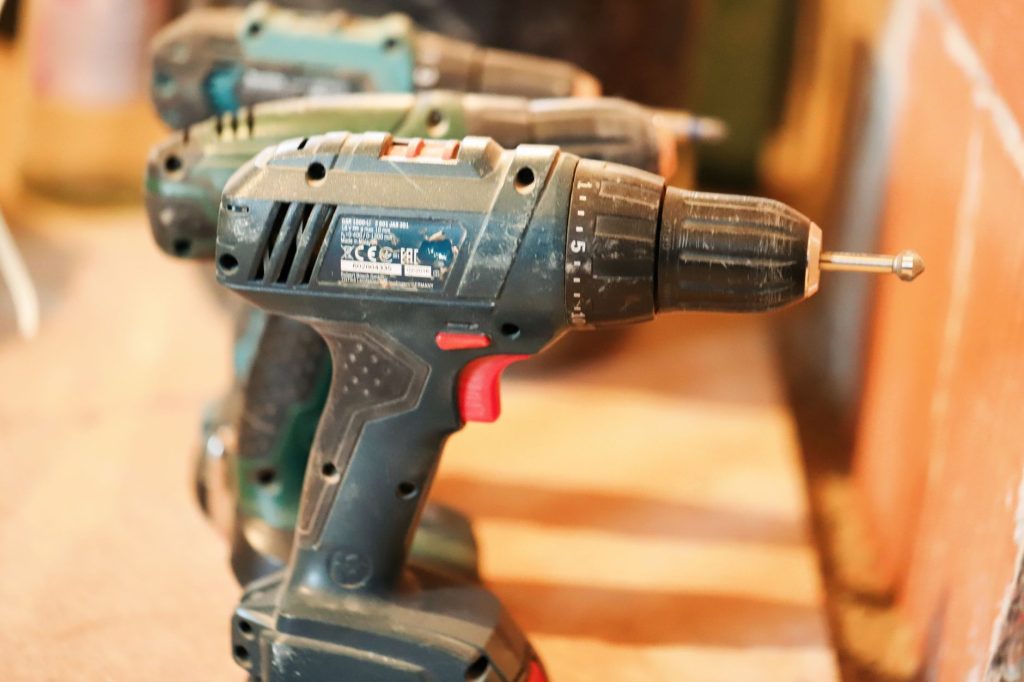

A dusty shelf can hide more than clutter. Some common garage leftovers still attract buyers, repairers, collectors, or scrappers.
The garage is where useful things go to be forgotten: old tools, bikes, boxes of parts, and equipment that only comes out once a year. Before you drag everything to the curb, it is worth slowing down. Some items lose value fast, but others hold up surprisingly well if they still work, have desirable parts, or can be cleaned up for a second owner.
Cordless Power Tools
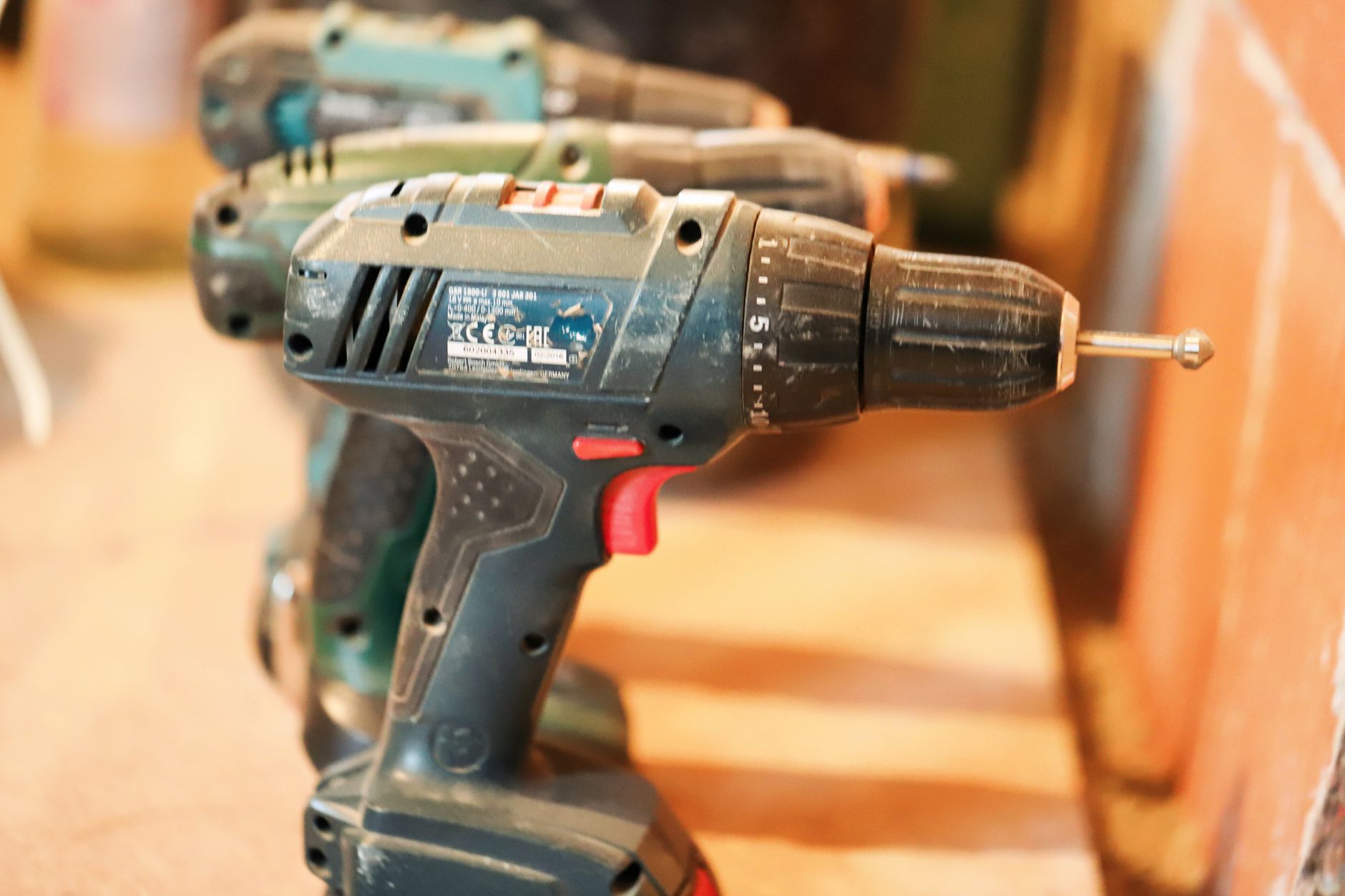
Old cordless drills, impact drivers, sanders, and saws are easy to overlook because they get buried under paint cans or spare hardware. But a working tool can still have value, especially if it comes with batteries, chargers, cases, or attachments. Buyers often look for a cheaper backup tool, a starter set for home projects, or compatible batteries for tools they already own.
- Check next: charge every battery, test each speed setting, and photograph the model number clearly.
- What can go wrong: dead batteries can drag down the price, so be honest about runtime and missing parts.
- Best angle: sell complete kits together instead of scattering chargers and cases across separate listings.
Adult Bicycles
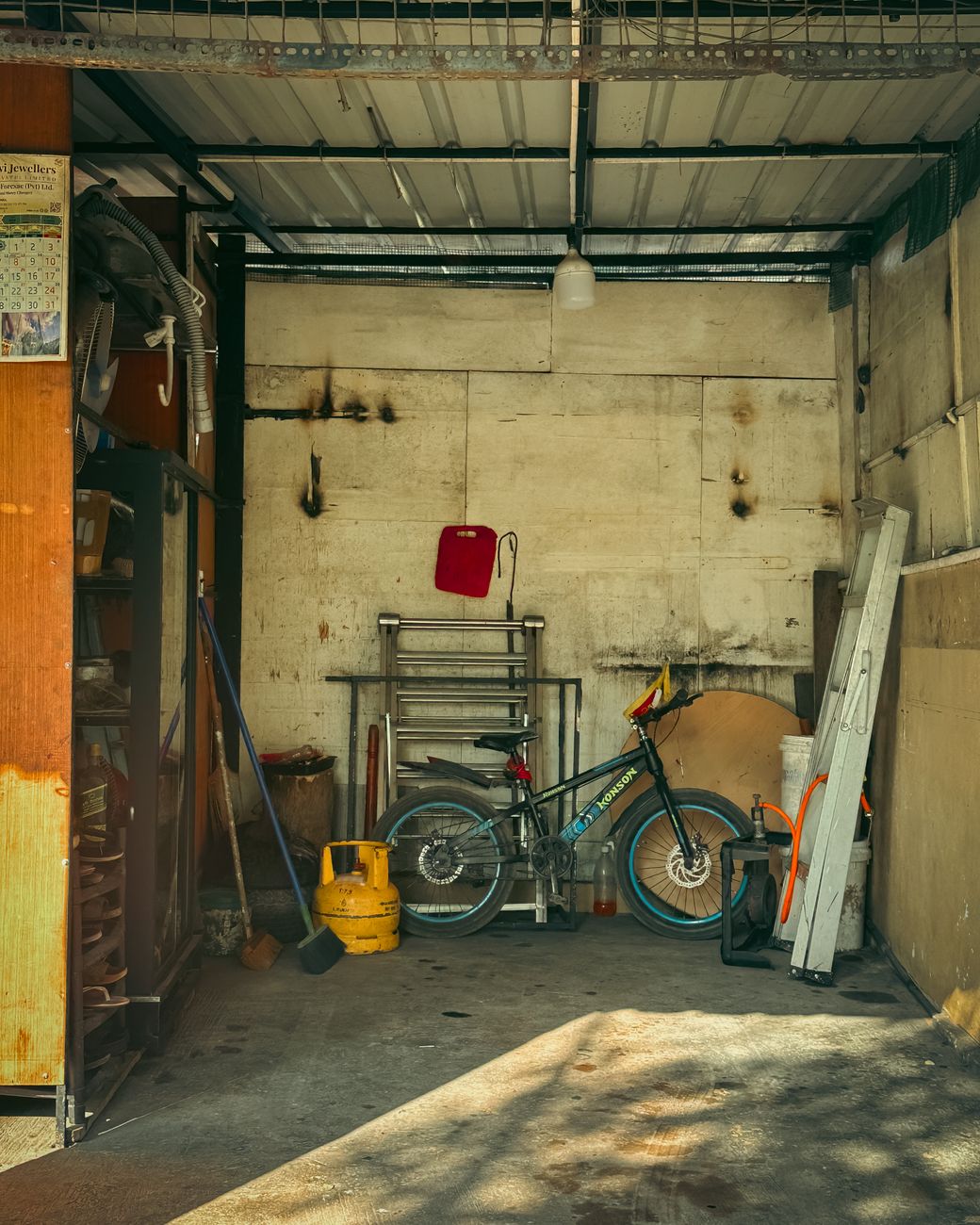
A bike that has not moved in years may still be attractive to someone who wants a commuter ride, a project bike, or spare parts. Frames, wheels, saddles, pedals, and shifters can all matter, even when the bike needs a tune-up. The catch is condition: rust, bent rims, cracked frames, and frozen chains can quickly change a saleable item into a parts-only listing.
- Check next: find the frame size, brand markings, tire condition, and whether the brakes actually stop the bike.
- Who it helps: local buyers often prefer used bikes because they can inspect fit and ride quality in person.
- Smart move: wipe it down, inflate the tires if safe, and note any repairs needed instead of pretending it is ready for a long ride.
Lawn Mowers
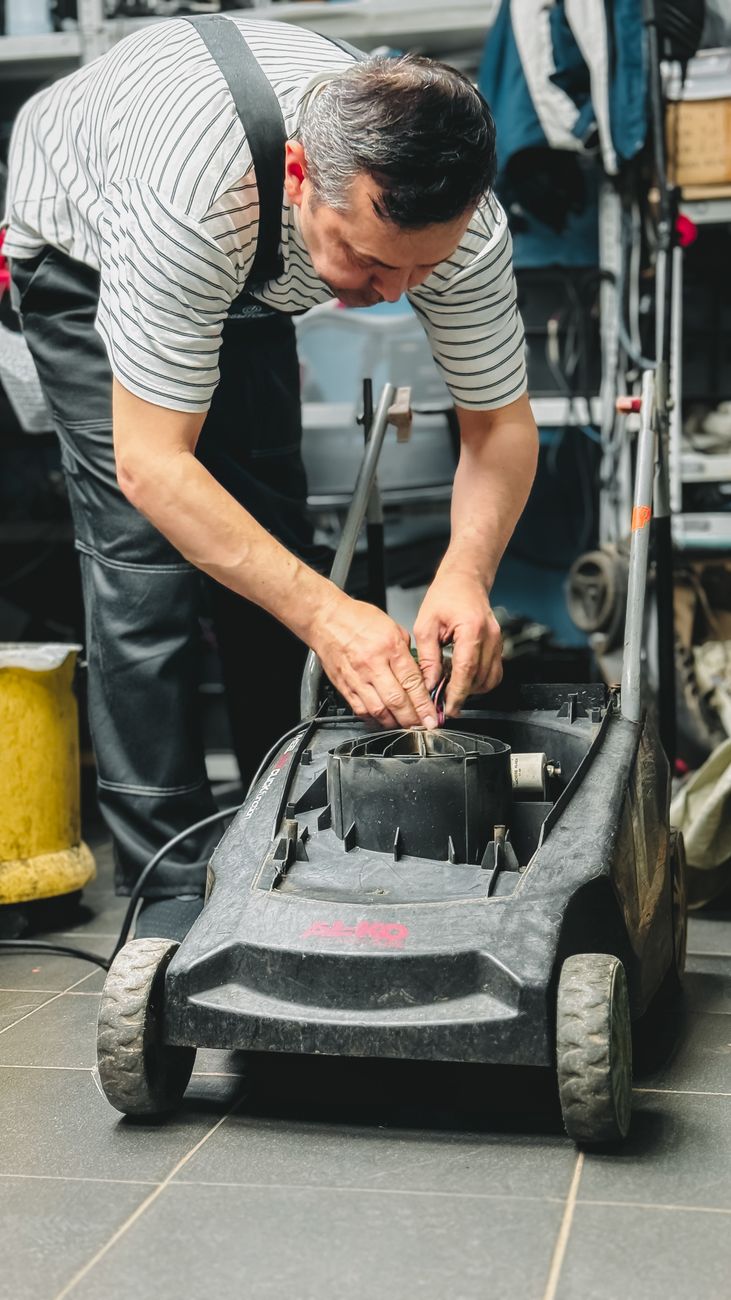
Small yard equipment can be worth checking before disposal because many buyers want a lower-cost mower, trimmer, edger, or leaf blower for a small property. Even a machine that will not start may have value to someone who repairs engines or needs a deck, wheels, handle, grass bag, or replacement parts. Timing also matters: interest usually rises when people are preparing for mowing season.
- Check next: note whether it starts, whether the pull cord works, and if any fuel has been sitting in the tank.
- What can go wrong: leaking fuel, missing safety guards, or damaged blades can make resale risky or unattractive.
- Best angle: list the exact condition plainly, because repair buyers often search for specific parts and engine models.
Car Wheels and Tires
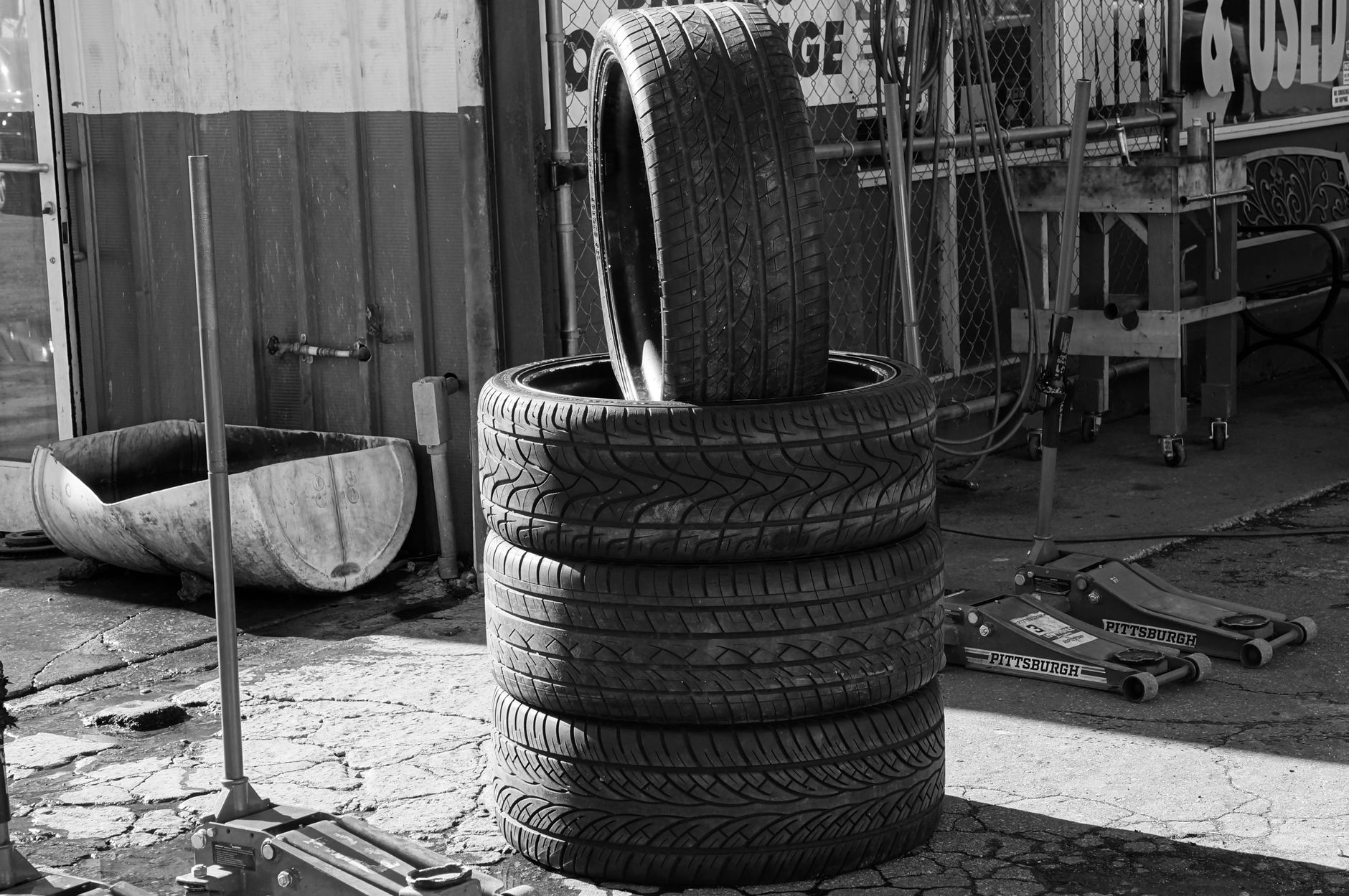
Extra wheels, seasonal tires, hubcaps, roof racks, and other car accessories can sit in a garage long after the vehicle is gone. Some buyers want an affordable winter set, a matching rim, or a replacement for curb damage. The key is fit. A wheel that looks ordinary may be useful only to certain vehicles, so clear markings and measurements matter more than a dramatic sales pitch.
- Check next: record tire size, tread depth, bolt pattern if known, rim diameter, and any cracks or uneven wear.
- Who it affects: local drivers may save money, but they need accurate details to avoid buying parts that do not fit.
- Smart move: take close photos of sidewalls and rims, then avoid selling tires that are visibly unsafe or badly aged.
Vintage Stereo Gear
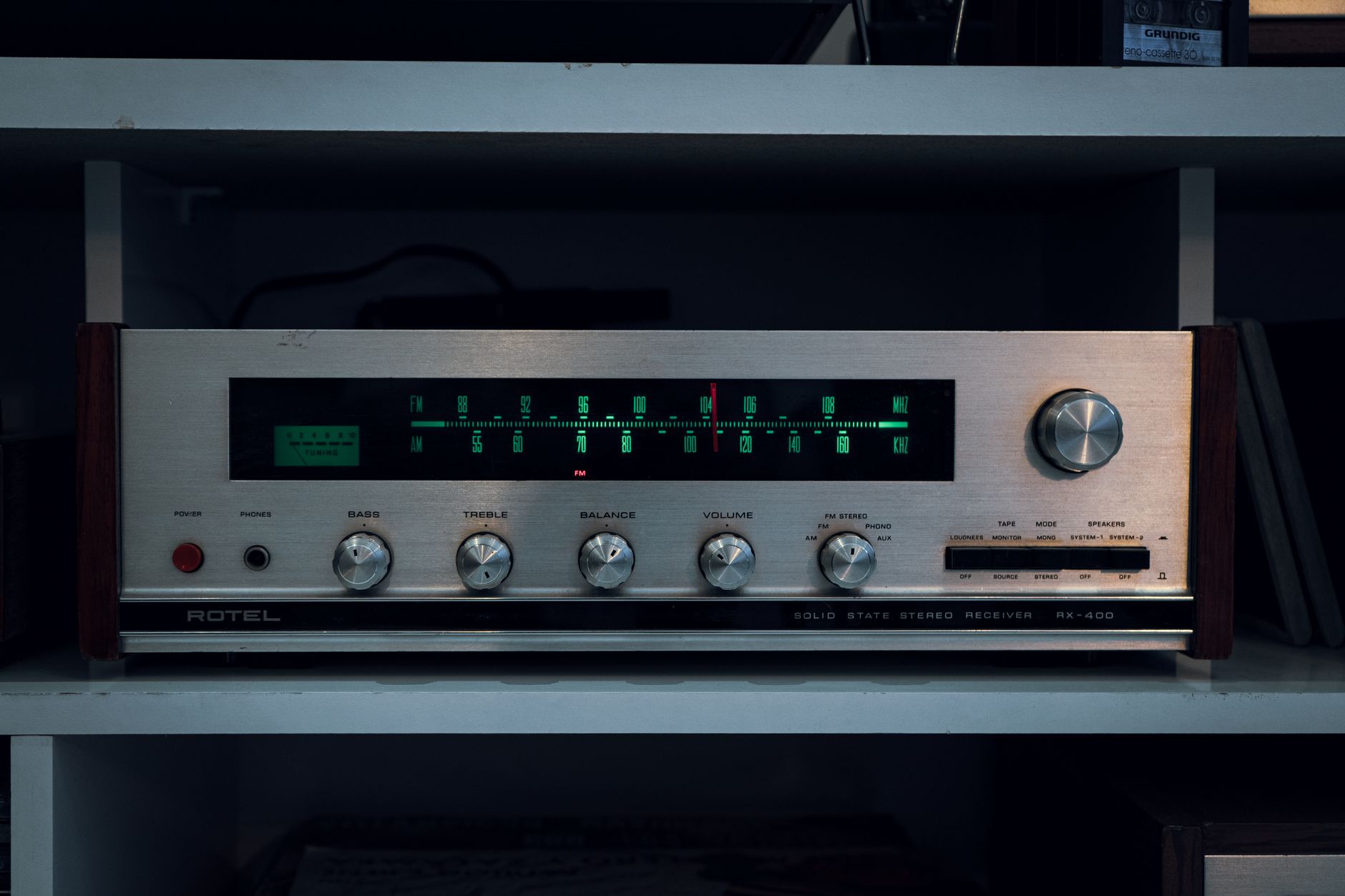
Garage shelves often hide receivers, turntables, cassette decks, speakers, and old audio cables that still interest hobbyists. Some people want vintage sound, while others want parts, knobs, dust covers, cartridges, or speaker cabinets for repair projects. Condition is everything. A dusty unit may still be desirable, but water damage, missing cords, blown speakers, or strange electrical smells should be disclosed before anyone plugs it in.
- Check next: look for model numbers, matching speaker pairs, original manuals, and whether lights or controls respond safely.
- What can go wrong: testing unknown electronics carelessly can damage the item or create a hazard.
- Best angle: photograph the front, back, labels, and connectors so buyers can verify exactly what you have.
A garage cleanout gets more useful when you sort before you toss. Make three piles: items that work, items that are parts-only, and items that should not be resold because they are unsafe, recalled, broken beyond use, or missing critical pieces. For anything headed to a buyer, clean it lightly, photograph model numbers, describe flaws plainly, and check current local listings before choosing a price.