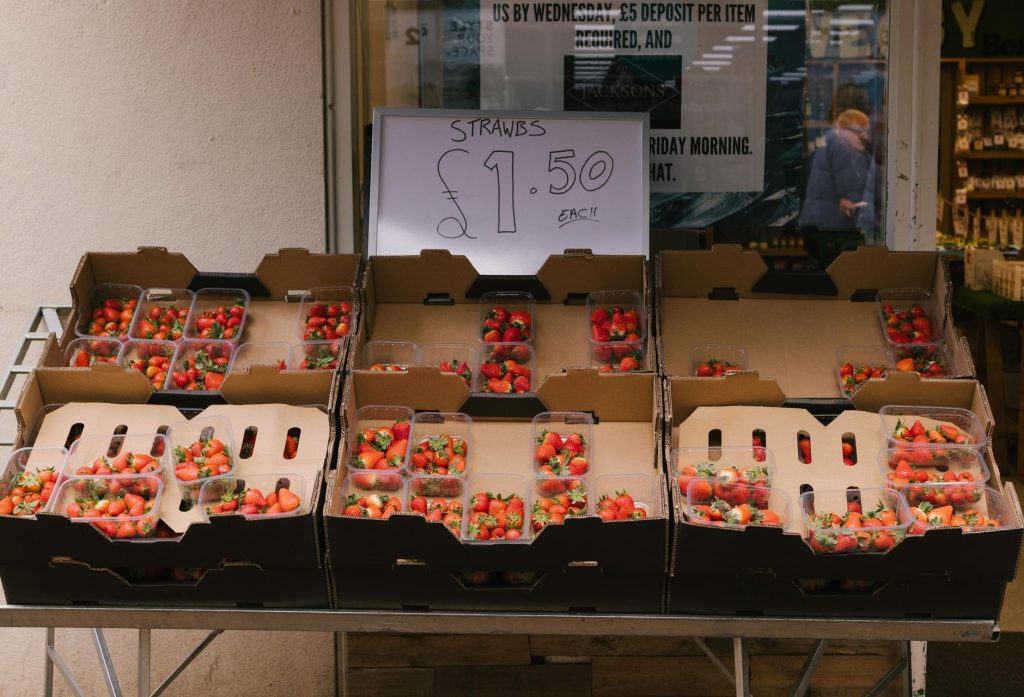

Small convenience buys can look harmless in the cart, but they are often the first to go when the weekly grocery bill starts creeping up.
Grocery inflation rarely hits every aisle the same way, which is why smart shoppers do not panic-buy or slash everything at once. They look for the items with the weakest value: foods with extra packaging, built-in convenience, short shelf lives, or easy homemade substitutes. These five grocery splurges are often the first to get cut because dropping them can lower the receipt without making dinner feel impossible.
Pre-Cut Produce
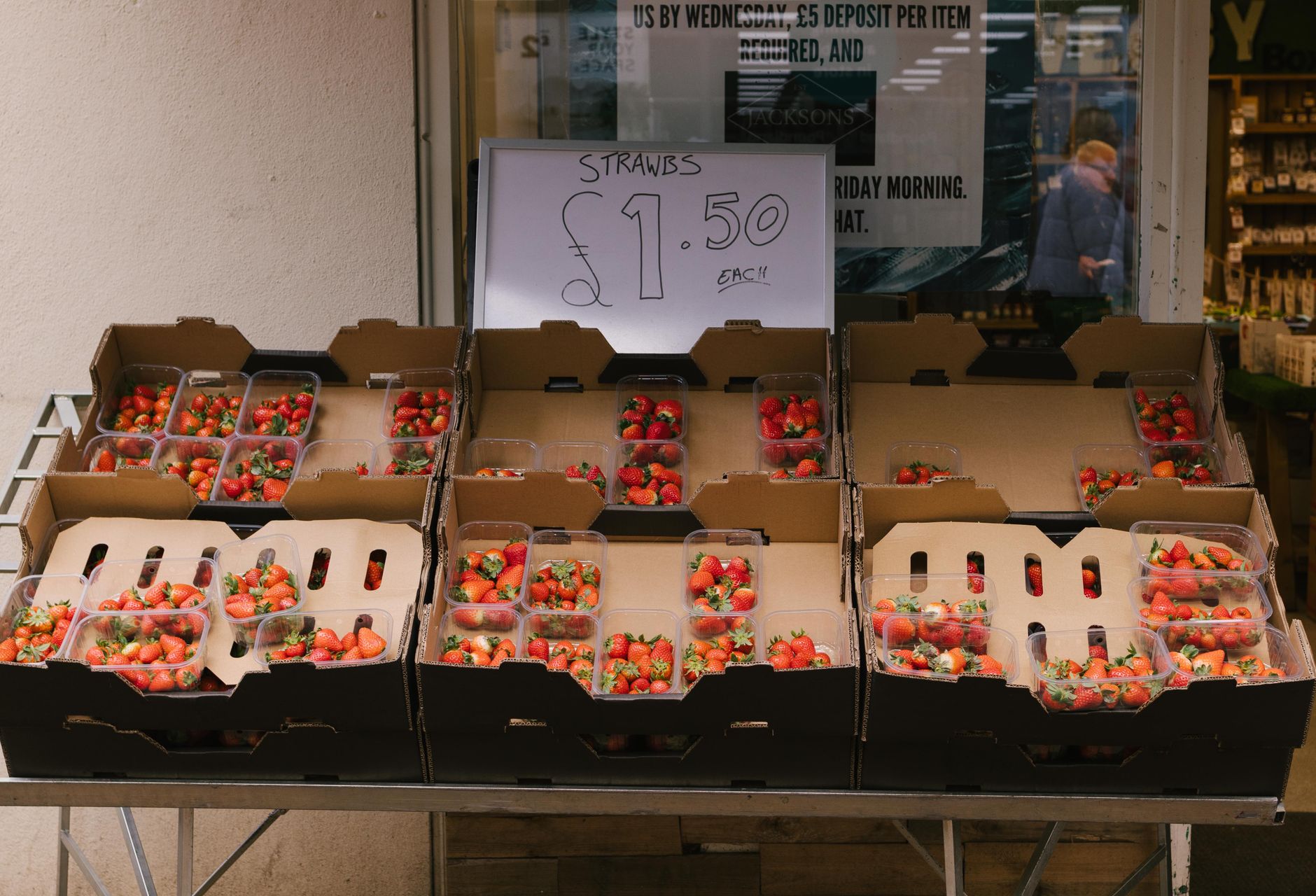
Pre-cut produce is convenient, but the convenience is usually what shoppers are paying for. Sliced melon, peeled carrots, chopped onions, and ready-made veggie trays can cost noticeably more than buying the same produce whole. They also tend to have a shorter usable window once opened, which makes waste more likely if plans change during the week.
Frugal shoppers often switch to whole produce first because it gives them more control over portion size and timing. A few minutes with a knife can stretch the same grocery dollars further.
- Check next: compare the price per pound against the whole item.
- Watch for: containers that look watery, bruised, or close to the sell-by date.
- Better use: chop once for two or three meals instead of buying several prepared packs.
Single-Serve Snacks
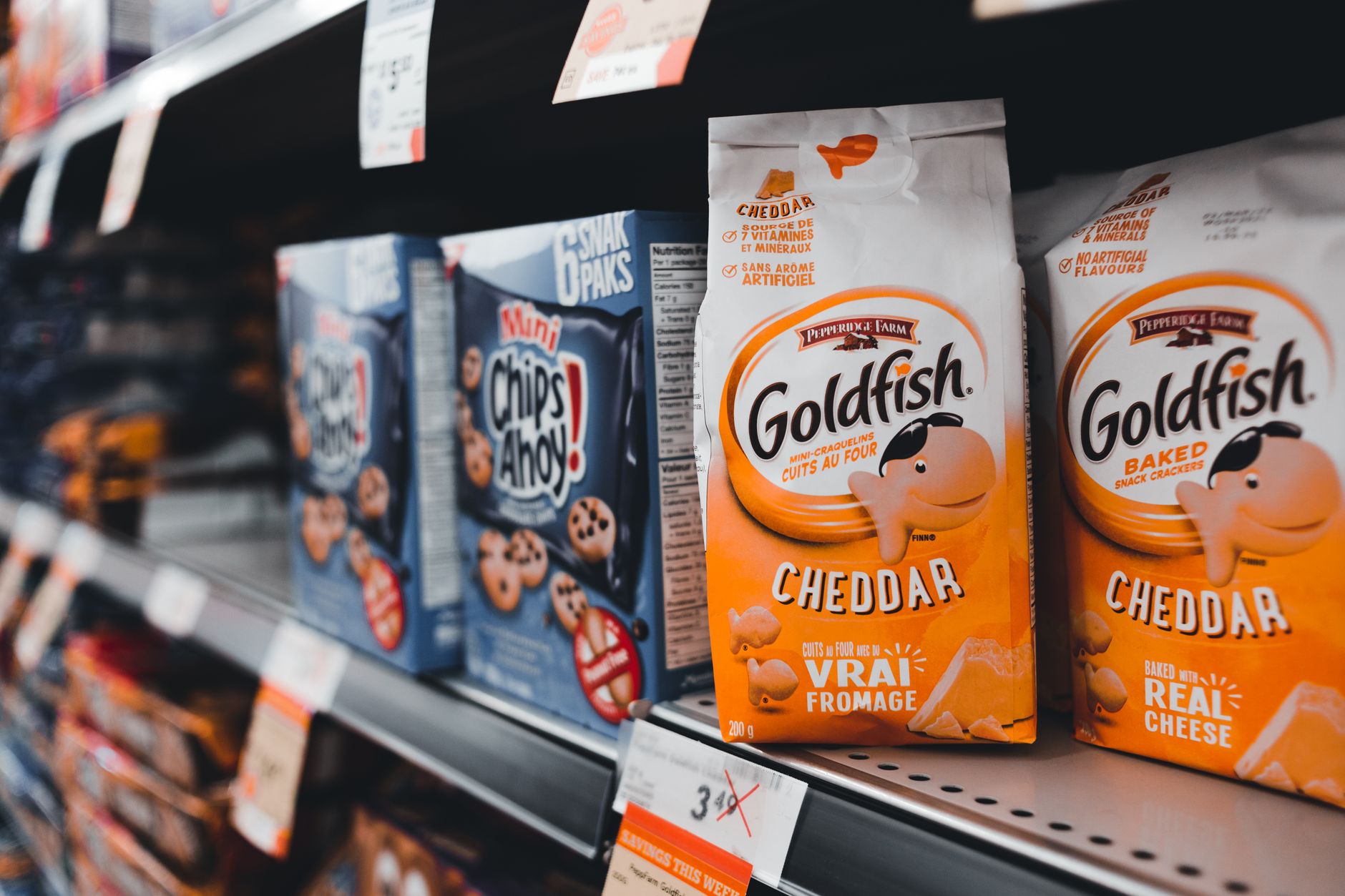
Single-serve snacks can make lunch packing easier, but the packaging usually raises the cost per ounce. Chips, cookies, crackers, nuts, and fruit snacks sold in tiny portions often look affordable because the box price feels manageable. The surprise comes when shoppers compare them with a larger bag and a set of reusable containers.
This cut helps families most, especially when several lunches or after-school snacks are packed every day. The risk is buying a bulk bag and letting it disappear in one night, so portioning still matters.
- Check next: unit prices on the shelf tag, not just the front price.
- Watch for: lunchbox packs that contain very little food per bag.
- Better use: divide larger bags into containers as soon as groceries come home.
Name-Brand Cereal
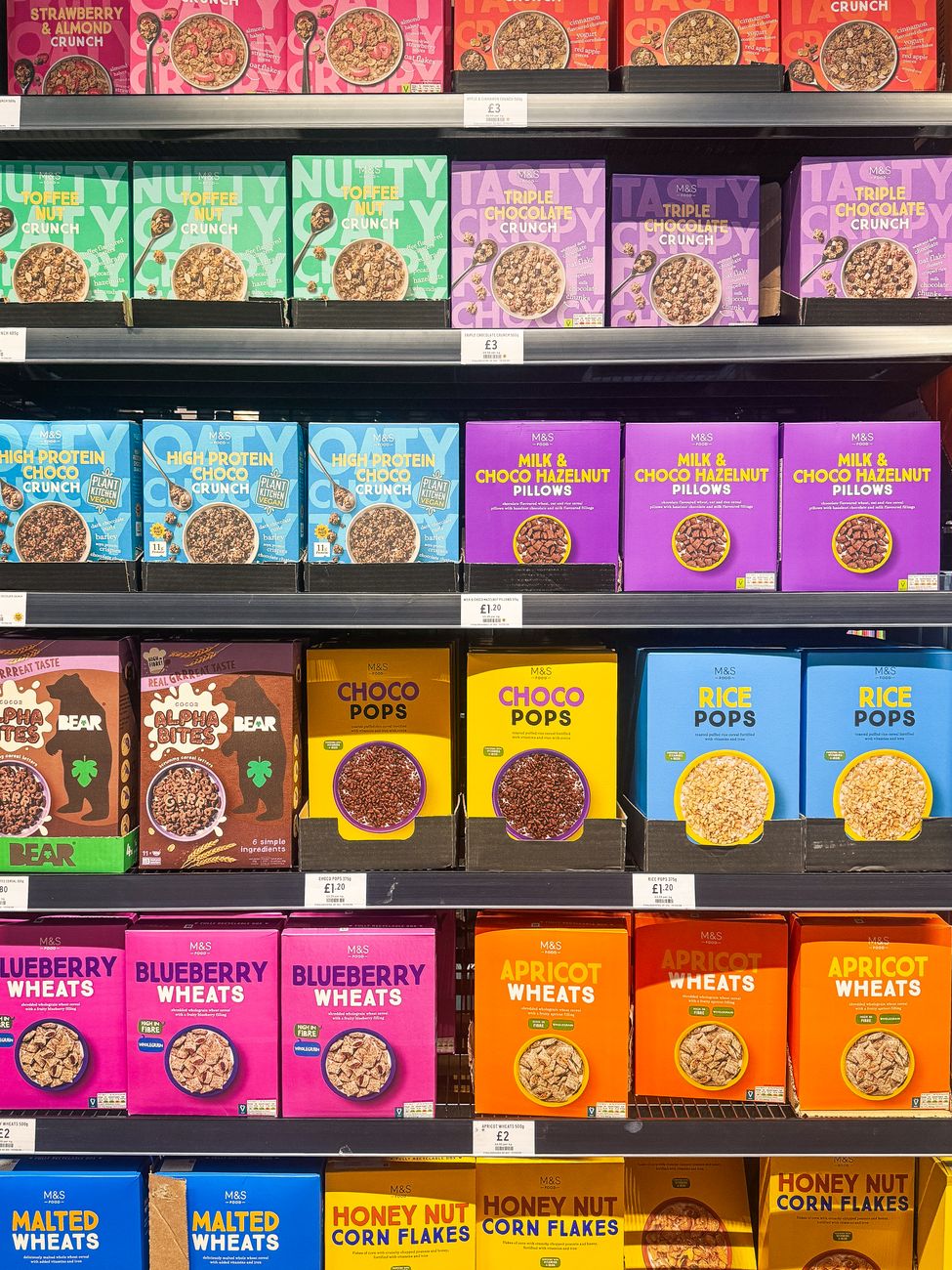
Name-brand cereal is one of those grocery habits that can stay on autopilot for years. The box is familiar, the kids know it, and the sale tags can make it feel like a deal. But when prices climb, frugal shoppers often test store brands, larger bags, oatmeal, or eggs instead of paying extra for a logo and a smaller box.
The important move is not to assume every swap will work. Taste and texture can matter, especially for picky eaters. Try one alternative before stocking up, then keep the old favorite for real sales.
- Check next: price per ounce across boxes and bagged cereals.
- Watch for: boxes that shrink while the shelf price stays similar.
- Better use: rotate cereal with lower-cost breakfasts to slow how fast boxes vanish.
Bottled Drinks
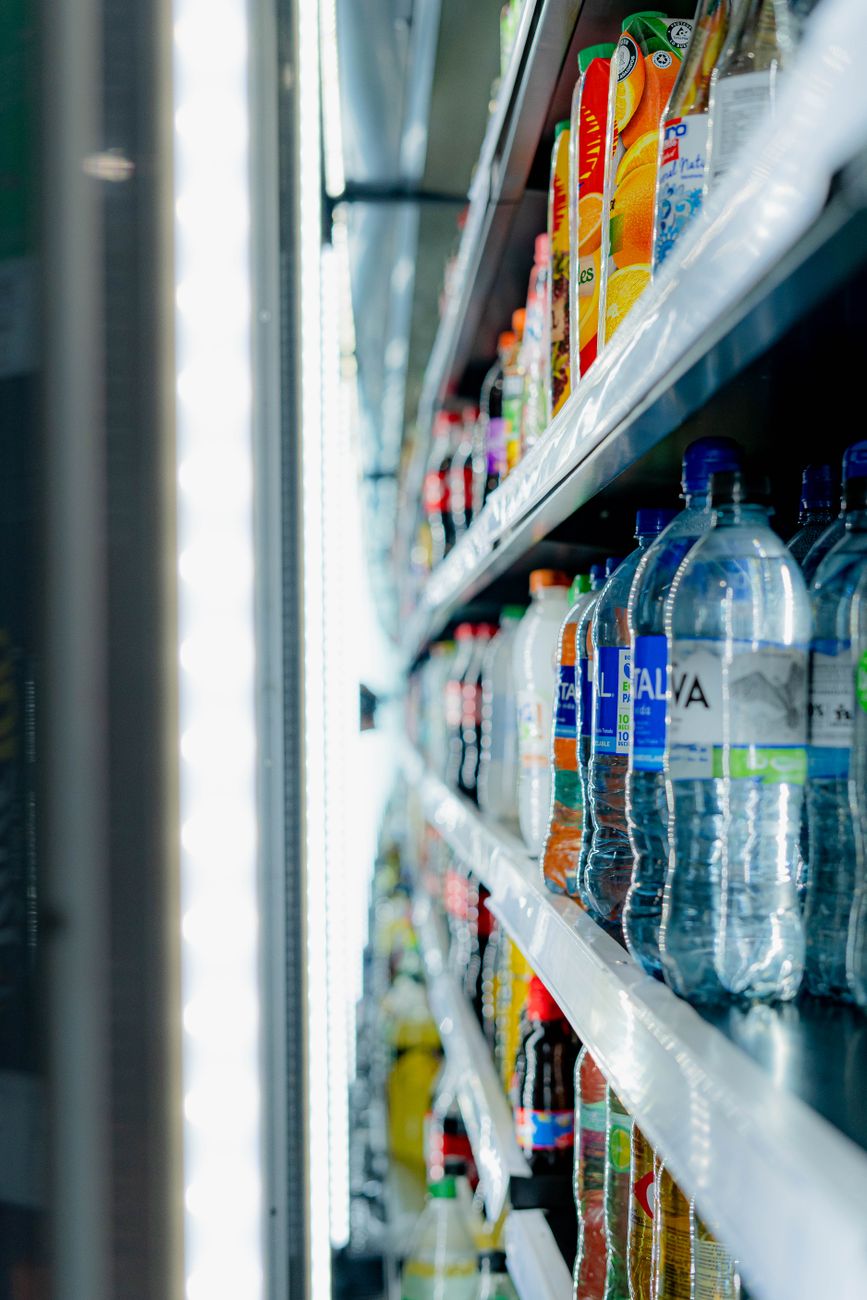
Bottled drinks are easy to toss into the cart because they solve a daily convenience problem. Water bottles, sports drinks, iced teas, sodas, and flavored beverages can quietly take over a grocery budget, especially when bought in small packs or from refrigerated cases. They also add weight, storage clutter, and more repeat trips to the store.
Frugal shoppers often cut this category early because there are simple substitutes: tap water, filtered pitchers, drink mixes, homemade iced tea, or coffee brewed at home. The savings are most noticeable for households that buy drinks every week.
- Check next: the monthly total, not just the price of one case.
- Watch for: chilled single bottles that cost far more per ounce.
- Better use: keep one emergency pack and make everyday drinks at home.
Prepared Deli Meals
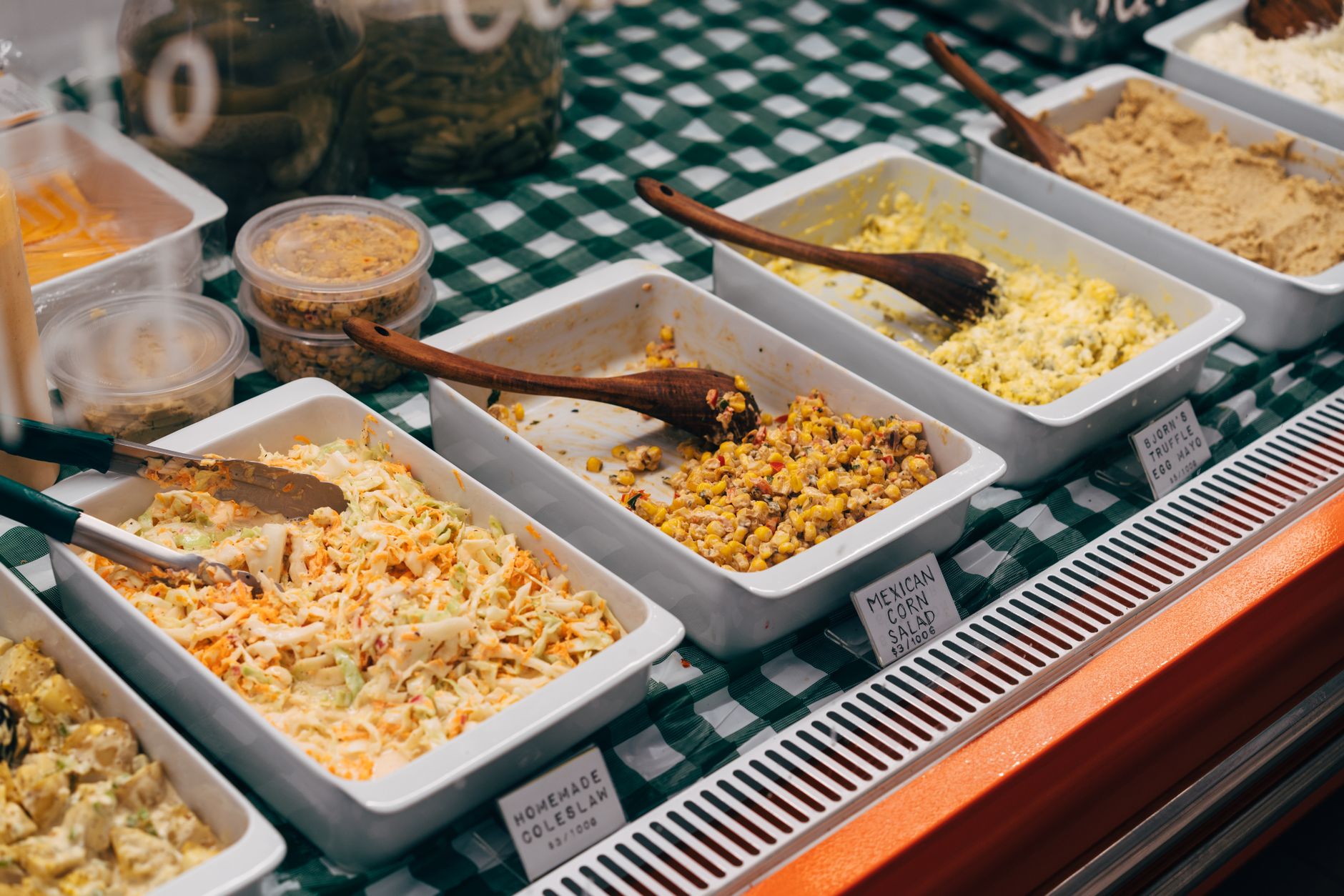
Prepared deli meals are useful on chaotic nights, but they can blur the line between grocery shopping and takeout spending. Pasta salads, hot sides, ready-to-heat trays, sandwiches, and premade entrees usually include labor, packaging, and convenience in the price. If they replace a restaurant meal, they may still be a win. If they replace simple home cooking, the bill can climb fast.
Frugal shoppers do not always ban the deli counter. They use it selectively, often choosing one shortcut that supports several meals instead of buying the whole dinner premade.
- Check next: whether the item is priced per pound or per package.
- Watch for: sides that cost more than the main ingredient would at home.
- Better use: buy a rotisserie chicken and add low-cost rice, beans, or vegetables.
The easiest grocery cuts are not always the biggest packages or the fanciest foods. They are often the items where convenience, packaging, or habit hides the real cost. Before dropping foods your household actually uses, compare unit prices, check what gets wasted, and choose one or two swaps that feel realistic enough to repeat next week.