

The cheapest-looking bottle on the shelf is not always the better buy. These refill-counter staples are where frugal households often pause first.
Refill counters are easy to overlook because the aisle does all the shouting: bright labels, sale tags, jumbo packs, and familiar brands. But for households watching everyday costs, the refill station can be worth a quick stop before tossing another packaged bottle into the cart. The trick is knowing which items actually make sense to refill, what to compare, and when the aisle is still the smarter move.
Laundry Detergent Jugs

Laundry detergent is one of the easiest refill-counter checks because the original container is usually sturdy enough to use again. Frugal households look past the front label and compare the price per ounce or per load, especially when the aisle version is bundled with a new plastic jug every time. A refill can also help families avoid overbuying giant containers that sit around for months.
- Check next: whether the refill formula matches your washer type.
- Watch for: scent strength, concentration, and measuring instructions.
- Skip it if: the refill price is higher than a sale jug after unit pricing.
The biggest mistake is assuming every refill is automatically cheaper. Bring a clean, labeled container if the store allows it, confirm the tare weight policy, and compare the final receipt against the shelf tag.
Dish Soap Bottles
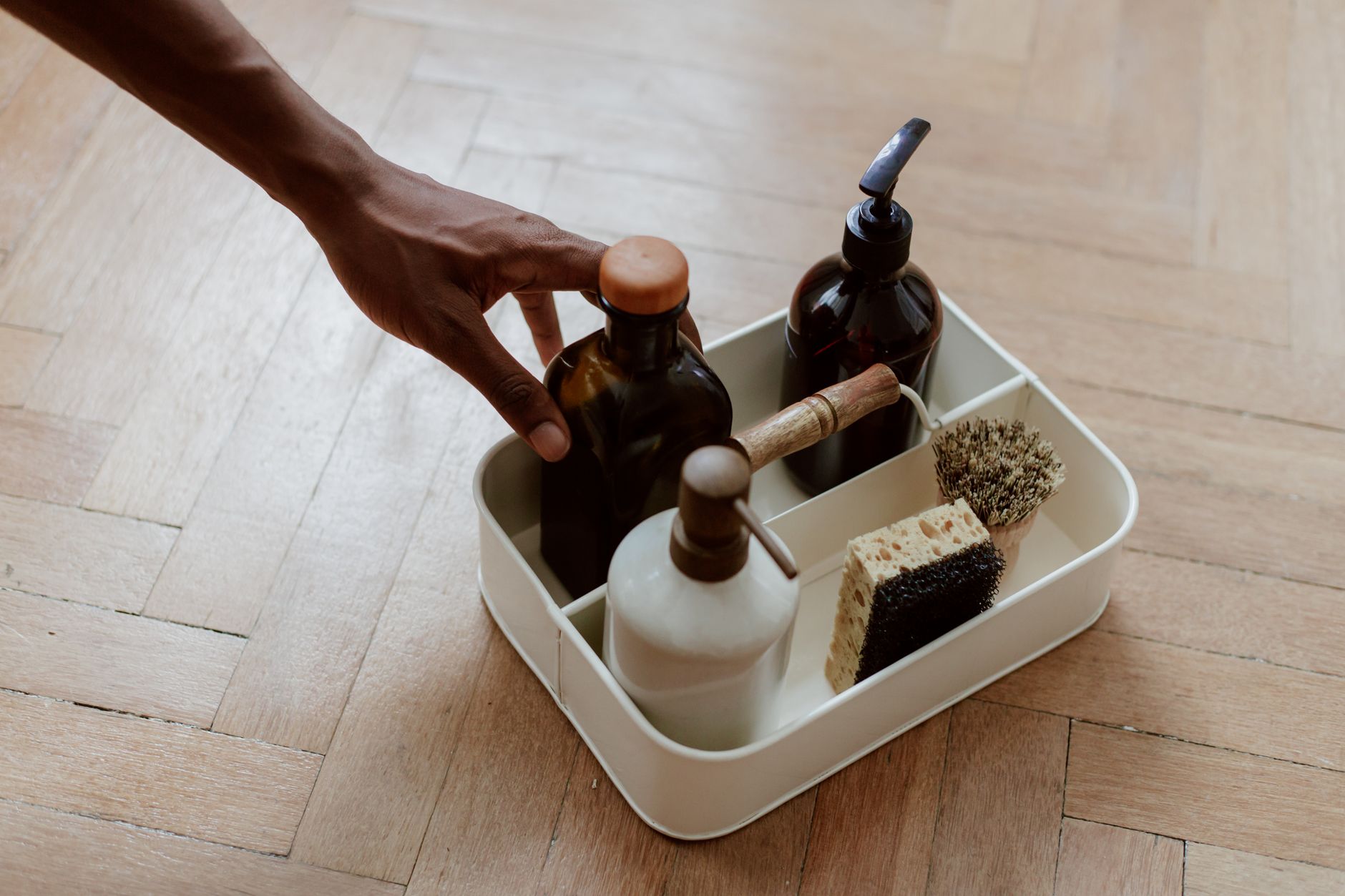
Dish soap is a small purchase that repeats all year, which is why refill counters can matter. A household that cooks often may go through bottle after bottle without noticing how much of the cost is packaging, branding, and impulse switching. Refilling a bottle you already like keeps the sink setup simple and can make it easier to buy only the amount you need.
- Check next: the thickness of the soap and whether it dispenses cleanly.
- Watch for: diluted formulas that require more product per wash.
- Skip it if: a multipack sale beats the refill price per ounce.
This helps people who hate clutter under the sink as much as people chasing savings. The refill counter is best when the soap works well, the container seals tightly, and the price is clear before you fill.
Hand Soap Pumps
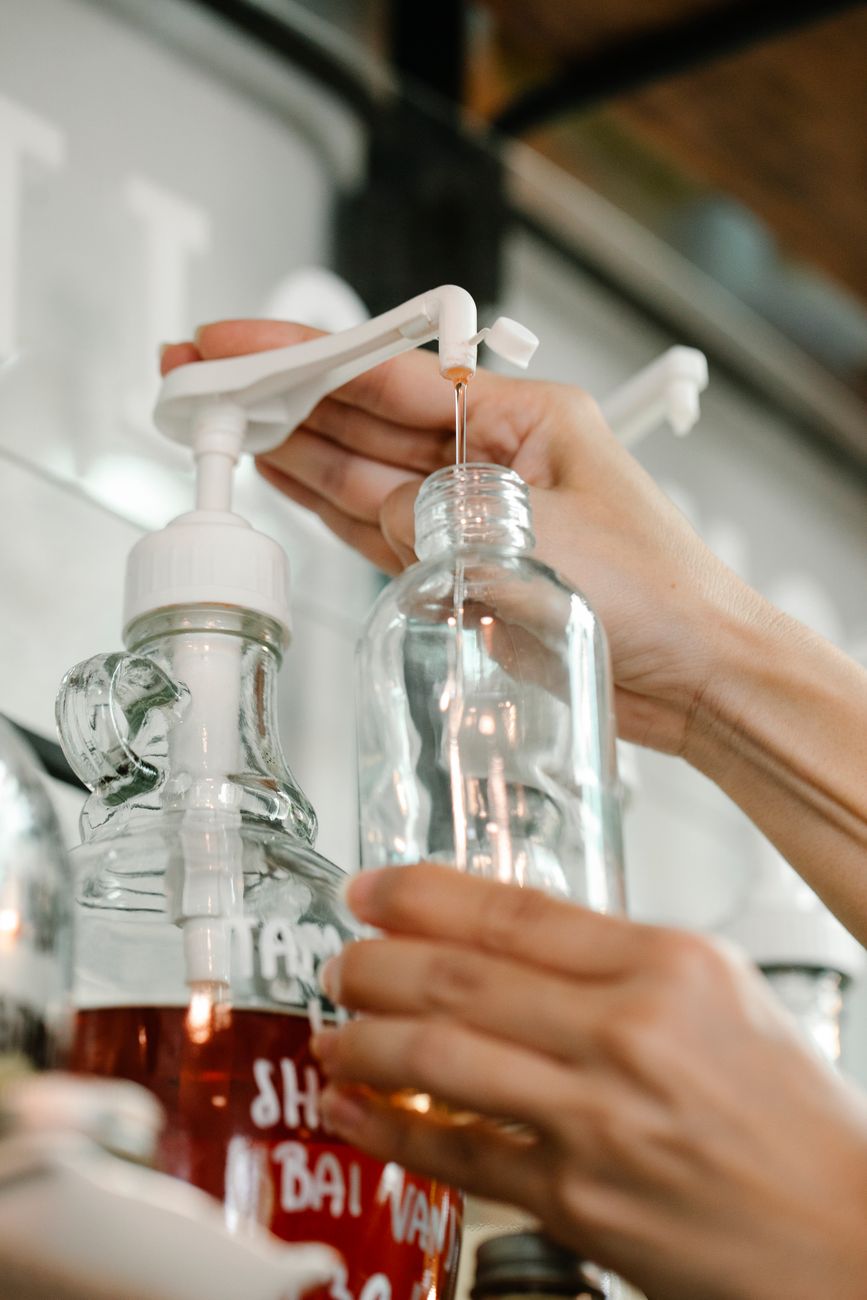
Hand soap pumps are classic refill candidates because the pump bottle often lasts far longer than the soap inside it. Frugal households keep a few decent dispensers in bathrooms and the kitchen, then refill them instead of buying another decorated bottle every time. It is a simple habit, but it can prevent a steady stream of small purchases from becoming a quiet household leak.
- Check next: whether the refill soap is compatible with foaming or regular pumps.
- Watch for: fragrances that are too strong for shared bathrooms.
- Skip it if: the dispenser is cracked, rusty, or hard to clean.
The practical benefit is control. You can fill only what you will use, match scents across rooms, and avoid paying repeatedly for pumps you already own. Clean bottles matter here, since old residue can clog the pump or make the soap unpleasant.
Shampoo Bottles

Shampoo can be a smart refill-counter buy when a household already knows what works for their hair. The savings angle is not just the bottle; it is also avoiding half-used products abandoned in the shower because a new aisle purchase sounded better. Refilling a trusted bottle keeps the routine boring in the best way, especially for families with several people using the same product.
- Check next: hair type, scent, and whether the formula is clearly labeled.
- Watch for: containers that are not waterproof or easy to squeeze.
- Skip it if: you are trying an unfamiliar formula in a large amount.
A smaller refill is often the safer first move. If the product works, larger refills can make sense later. If it does not, you have not paid aisle prices for another full bottle that becomes shower clutter.
Olive Oil Bottles

Olive oil is where refill-counter shopping requires a little more attention. It can be useful for households that cook regularly and already have a dark glass bottle or clean container ready. The refill option may reduce extra packaging and let shoppers buy a practical amount instead of grabbing a large bottle that loses freshness before it is finished.
- Check next: price per ounce, harvest or best-by information, and storage conditions.
- Watch for: clear containers exposed to bright light for long periods.
- Skip it if: the store cannot clearly identify the oil type or date.
This helps cooks who value freshness as much as savings. A bargain is not a bargain if the oil tastes flat, sits too long, or gets stored near heat. Refill only what your household can reasonably use.
The refill counter is not a magic discount zone, but it is a useful checkpoint. Frugal households do three things before filling: compare the unit price, make sure the container is clean and allowed, and buy an amount they will actually use. If those boxes are checked, the refill station can turn everyday restocks into smaller, smarter purchases.