

Downsizing is supposed to simplify retirement, but the decisions made during the transition often create new problems years later. Selling a house and moving into something smaller sounds like a clean fix for fixed incomes and aging joints.
The real trouble usually shows up after the moving truck leaves and the adrenaline of a fresh start wears off. These seven mistakes show up again and again among retirees who moved fast without thinking through what daily life would look like five or ten years down the road.
1. Selling the House Before Finding the Right Replacement

Many retirees list the family home first and only start touring smaller places once an offer comes in. That timeline forces decisions under pressure, often ending in a rental or a condo that was simply available, not well suited.
A two-bedroom apartment near downtown might solve the maintenance problem and still ignore everything else: distance from a primary care doctor, no yard for grandkids, or stairs that become harder to manage at seventy-five.
2. Choosing a 55-Plus Community Without Visiting in Every Season

Age-restricted communities photograph beautifully in the brochure, everyone gathered around a pool deck in July. Winter tells a different story.
Retirees who buy during the busy season sometimes discover the clubhouse closes early, the golf course shuts down for two months, or the friendly neighbors all leave for Florida from November through March. A community that feels lively in spring can feel empty come January, and HOA dues rarely shrink to match.
3. Getting Rid of Tools and Equipment Too Soon

Downsizing sales often target the garage first: ladders, snow blowers, power tools, the lawnmower that took years to break in. Selling all of it before settling into a new place creates problems when the new home still needs basic upkeep, or when a son-in-law asks to borrow a tool that’s already gone.
Renting equipment for a single repair costs more than keeping a modest set on hand, and replacing a $400 snow blower a year later stings.
4. Underestimating How Much Storage Actually Costs
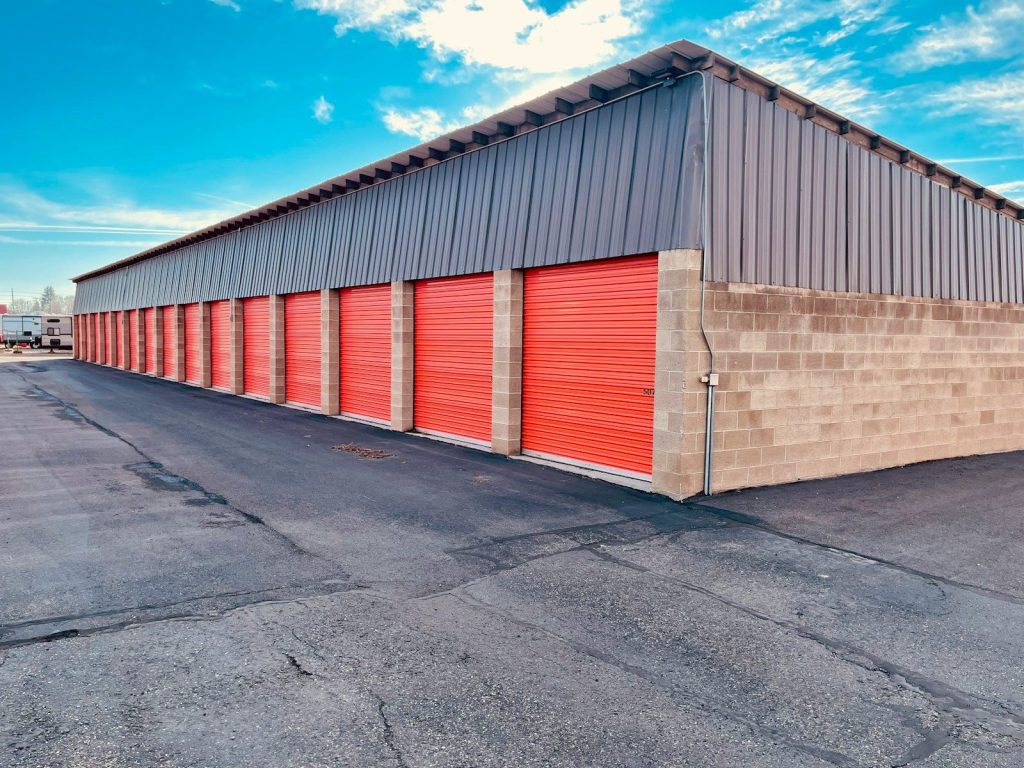
A smaller home almost always means less closet space, which sends boxes of photo albums, holiday decorations, and old furniture into a storage unit.
Many retirees treat that unit as temporary, then keep paying $150 to $250 a month for years because sorting through decades of belongings keeps getting postponed. That adds up to thousands of dollars spent protecting items that often get donated anyway once the avoidance finally wears off.
5. Moving Too Far From Family for the Wrong Reasons
Lower property taxes and warmer winters pull plenty of retirees toward states like Florida, Arizona, or Tennessee. Grandchildren often end up three states away, and visits shrink to twice a year. Some retirees move back within five years, covering two rounds of closing costs and moving expenses in the process. A cheaper zip code rarely makes up for the relationships that retirement was supposed to make room for.
6. Choosing a Single-Story Home Without Enough Bedrooms
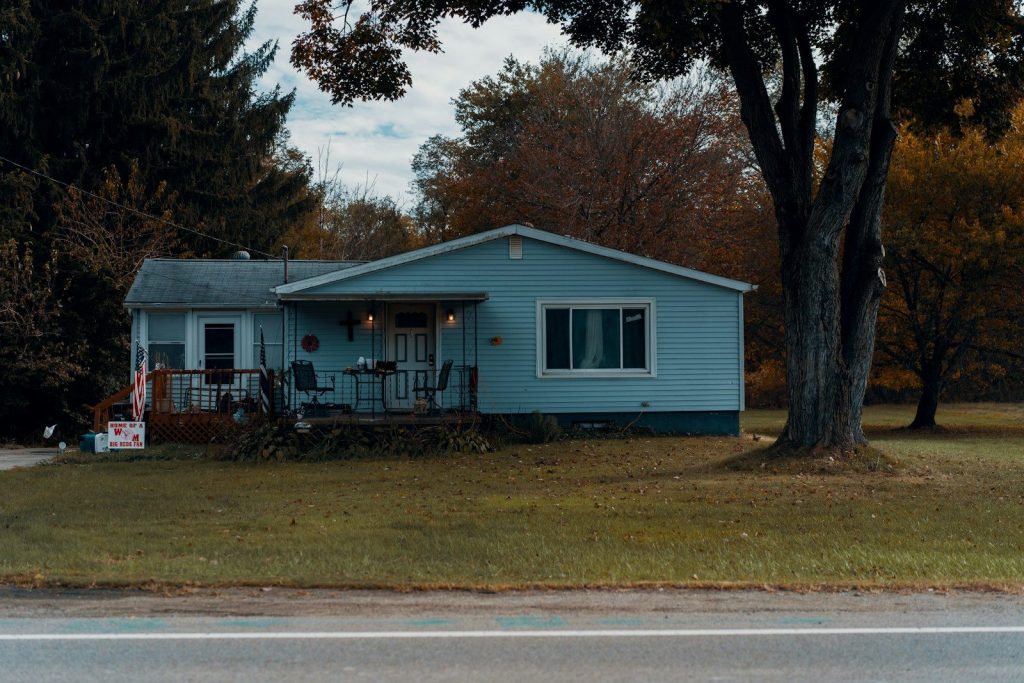
Single-level living solves the stairs problem. Plenty of retirees downsize so aggressively that they end up with one guest room, or none, just as adult children start needing a place to crash with grandkids in tow.
Hotels for every visit add up fast, and a cramped guest room turns a week-long stay into a strained one. A slightly bigger single-story home often costs less in regret than a smaller one that can’t host anyone.
7. Selling Furniture and Heirlooms in a Rush

Estate sale companies move fast, and that speed makes it easy to let go of a grandmother’s dining table or a set of tools passed down from a father, only to regret it once moving day adrenaline fades.
Some pieces carry value that has nothing to do with resale price. A handful of items, even just two or three, deserve to come along regardless of how small the next home is.
The Pattern Behind Most of These Regrets

Nearly every mistake on this list traces back to speed: selling fast, deciding fast, signing a contract before testing what daily life would actually feel like in a new spot. Paying cash for a smaller home out of the sale proceeds feels responsible.
Draining a paid-off house into an emptied-out savings account leaves little room for a slow furnace failure or a $2,000 dental bill. Liquidity rarely gets enough attention while the boxes are still being packed.
Treating Downsizing as a Decision That Can Still Change

Retirement now lasts twenty or thirty years for plenty of people, and what feels right at sixty-five rarely matches what’s needed at eighty-five.
Renting before buying, keeping a small cash reserve instead of spending all of it on the new place, and revisiting the plan every few years all shrink the size of these mistakes. The best downsizing decisions leave room for the next one.