
Grocery prices have climbed steadily, and in 2026, most Americans are feeling it at the checkout line. But not everything in the store deserves a premium.
Certain foods are essentially identical across price points, same ingredients, same nutrition, same taste, and paying extra for them is just funding a company’s marketing budget. Knowing which ones fall into that category can shave real money off a weekly grocery bill without anyone noticing the difference on the plate.
1. Canned Tomatoes
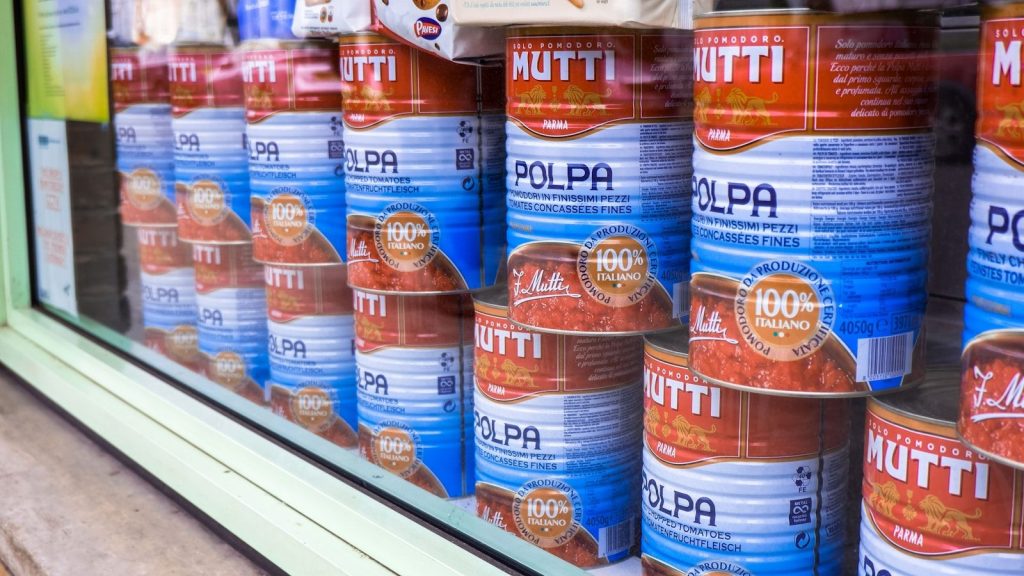
Few pantry staples earn their place the way canned tomatoes do. They anchor soups, stews, pasta sauces, and chili, and the store brand does all of that just as well as anything with a fancier label. Sunita Yousuf, founder of The Wannabe Cook, notes that canned tomatoes typically run under $2 a can and pack a solid nutritional profile, including vitamin C, lycopene, and antioxidants that help fight inflammation. None of those benefits change based on the brand name on the outside of the tin.
2. Dried Beans
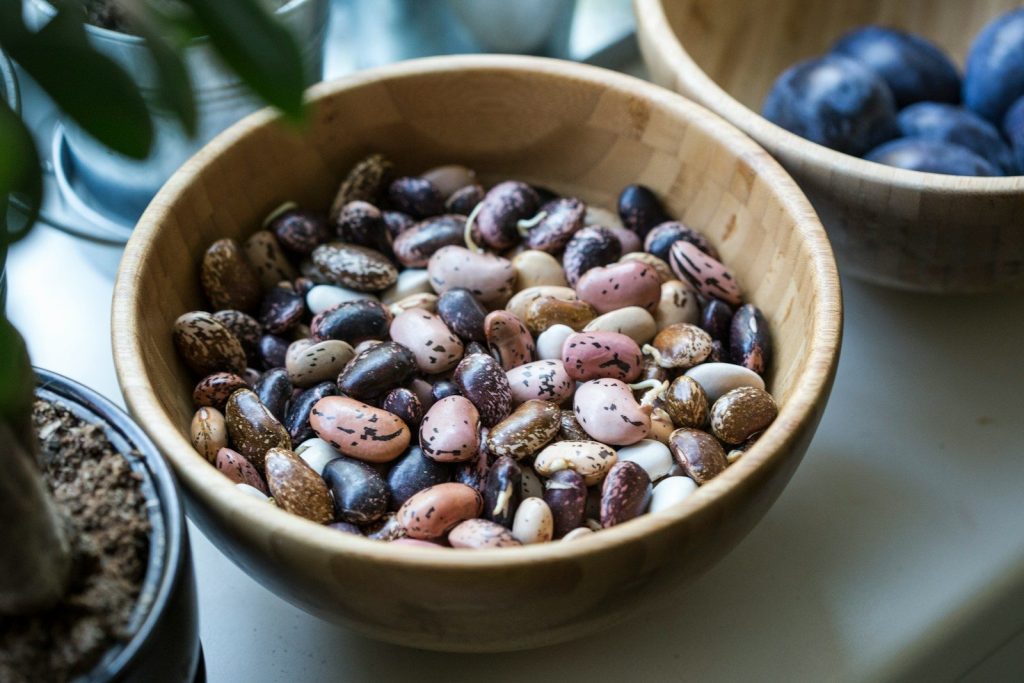
Beans may be the most underestimated item in the grocery store. A one-pound bag of store-brand dried black beans or lentils often costs less than $2 and yields multiple meals. The nutritional content, high protein, high fiber, low fat, is the same whether the bag carries a name brand or a generic label.
Scott Lieberman, founder of Touchdown Money, puts it plainly: the quality between brands simply doesn’t differ. Buy the cheapest bag available and spend the savings somewhere they’ll actually matter.
3. Rice
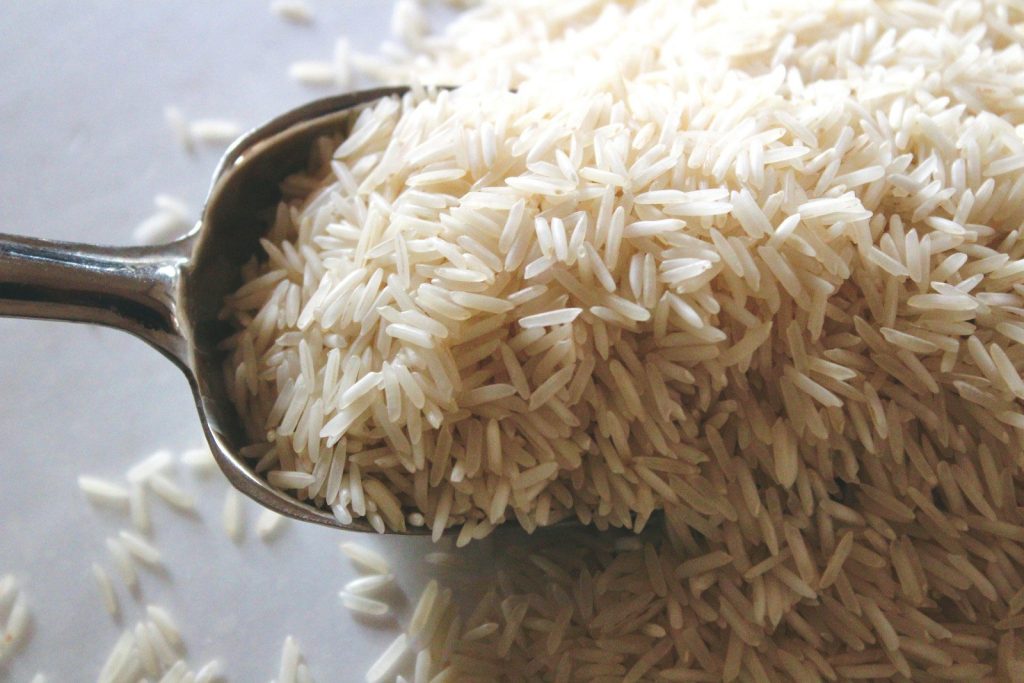
Long-grain white rice is long-grain white rice. The starch content, the cooking time, the texture when done right, none of it varies meaningfully by brand. Lieberman recommends going with the largest, least expensive bag on the shelf.
A five-pound store-brand bag of white rice will behave identically to a premium-labeled version in any recipe. The brand premium here buys nothing practical.
4. Milk

Brand loyalty in the milk aisle tends to be more habit than anything else. Lieberman points out that store-brand milk carries the same nutritional content as name-brand alternatives and typically costs $1 to $2 less per gallon.
Both are pasteurized, both meet the same federal standards, and in many cases, they come from the same regional dairy operations. The label changes. The milk doesn’t.
5. Eggs
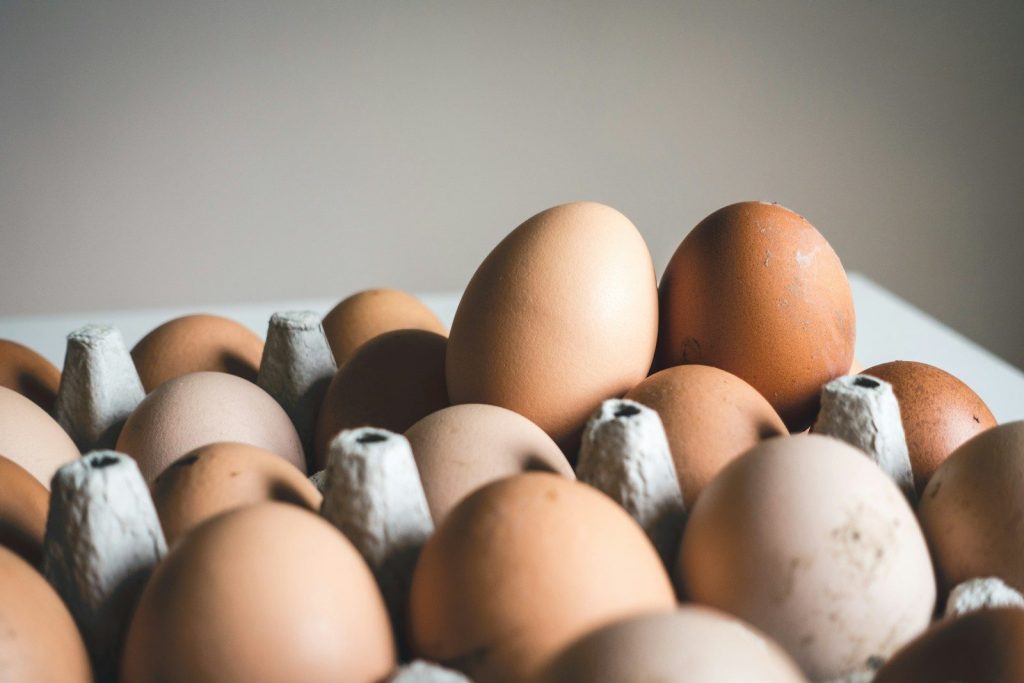
Eggs went through a rough stretch price-wise in recent years, and shoppers have understandably become more price-conscious in the egg aisle. For standard large eggs, not specialty varieties like pasture-raised or certified humane, Lieberman says the differences between brands are negligible.
Unless eggs are coming directly from a local farm with a specific feeding or housing practice, store-brand eggs offer the same protein, the same yolk, and the same cooking performance for less money.
6. Frozen Vegetables
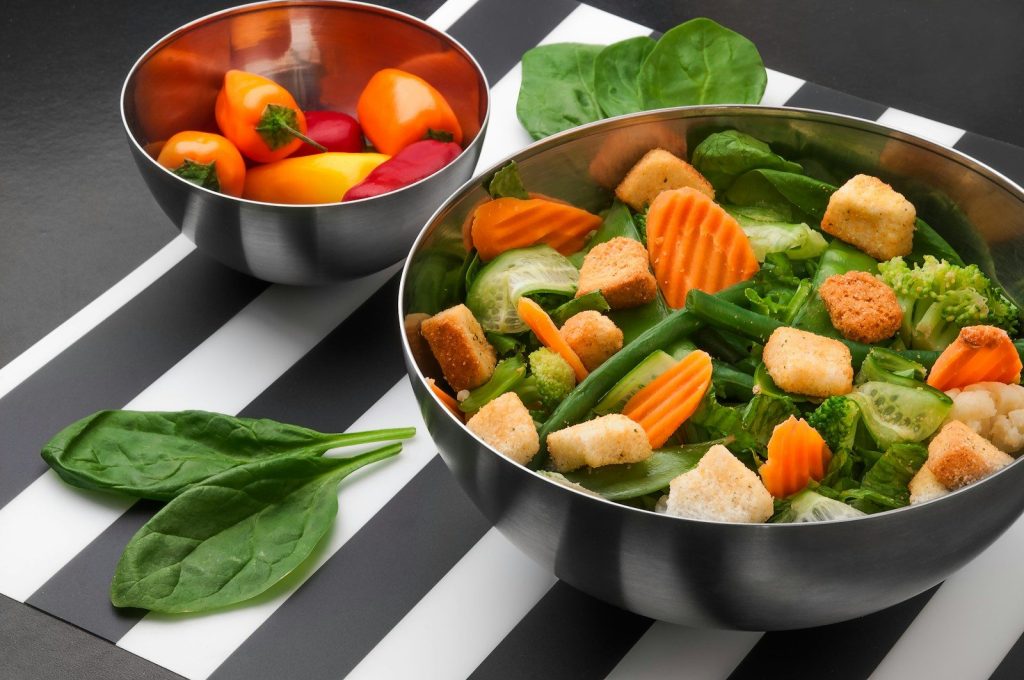
The idea that fresh always beats frozen doesn’t hold up to scrutiny. Flash-freezing locks in nutrients at peak ripeness, which means store-brand frozen broccoli, peas, spinach, or corn can actually be more nutritious than “fresh” produce that spent days in transit and on a shelf.
Lieberman notes that the freezing process is the same regardless of brand, so taste and nutrition remain consistent. A 12-ounce bag of store-brand frozen peas does exactly what a name-brand bag does, for considerably less.
7. Potatoes
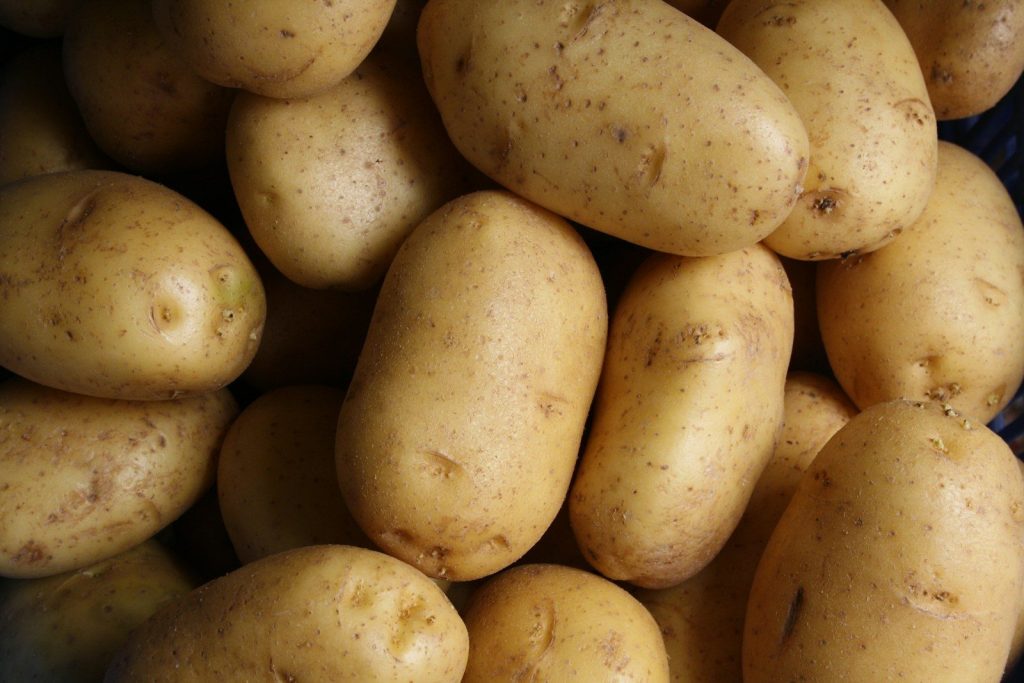
Fresh potatoes are one of the most affordable foods on the market regardless of brand, but the generic or store-label bags consistently come out cheaper per pound. Yousuf notes that a five-pound bag typically runs under $5, making potatoes one of the best value-per-calorie options in the produce section.
They deliver a meaningful amount of potassium, and sweet potato varieties add beta-carotene and extra fiber. Generic bagged potatoes are nutritionally identical to anything with a name-brand sticker.
8. Dry Pasta
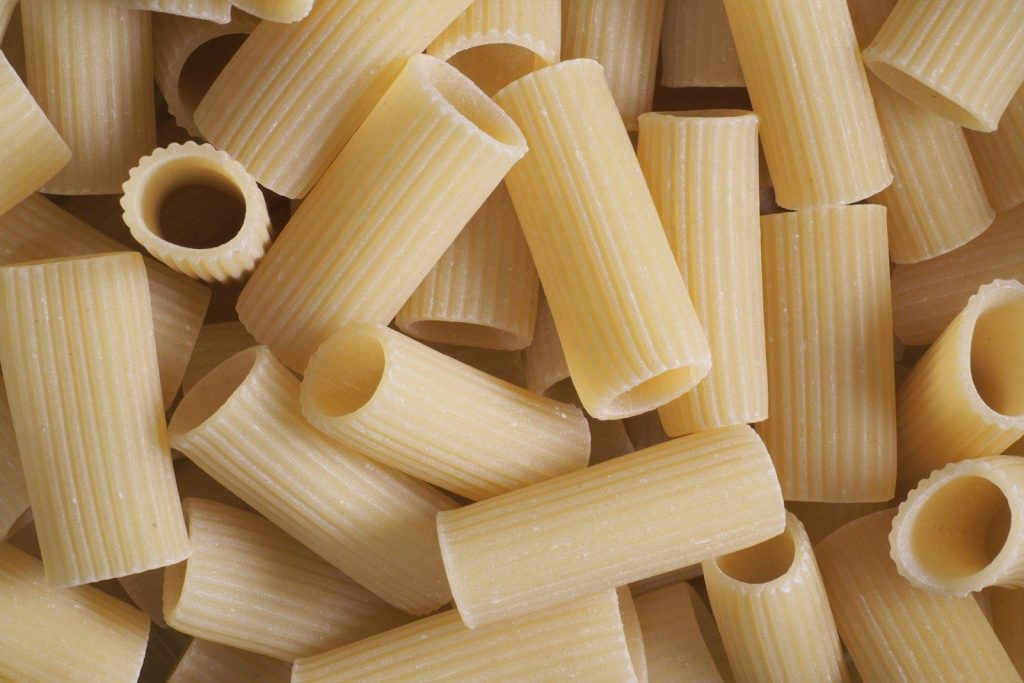
Store-brand spaghetti and penne are made from the same semolina flour as their more expensive Italian-labeled counterparts. The cooking process is identical, the texture when properly prepared is identical, and the caloric and protein content doesn’t shift based on packaging.
Food writers and home cooks have argued for years that the place to spend on pasta is the sauce and the olive oil, not the pasta itself. Generic pasta is a category where the premium option offers almost nothing extra.
Where the Savings Actually Add Up

The eight foods above share a common trait: the production process is standardized enough that brand differentiation is largely cosmetic. Spending an extra dollar or two on any one of them feels small in isolation, but across a full week of grocery shopping, those premiums stack up fast.
The smarter move is directing those savings toward foods where quality genuinely varies — better olive oil, fresh herbs, higher-quality proteins — and buying the cheapest version of everything on this list without a second thought.