

Mark Cuban built and sold multiple businesses, most famously Broadcast.com to Yahoo in 1999 for $5.7 billion in stock. He spent 15 seasons on Shark Tank before departing after the Season 16 finale in May 2025, and before any of that, he was sleeping on floors and splitting a three-bedroom apartment with five other guys in Dallas. The point: he’s been broke, and he’s been very rich, and he’s thought carefully about what separates the two.
Cuban is unusually direct about money. He doesn’t speak in vague motivational language. He gives specific warnings, and several of them cut against habits that millions of Americans treat as totally normal. Here are six he keeps coming back to.
1. Carrying Credit Card Debt
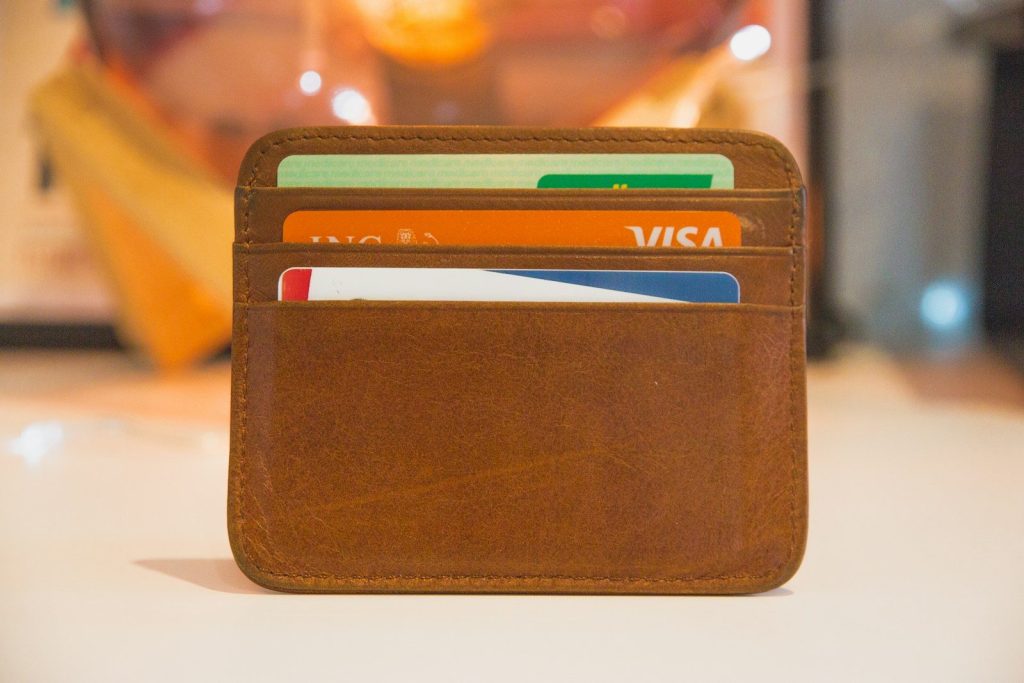
Cuban has called credit card debt one of the worst financial decisions a person can make. He’s said that if you’re paying 18 to 30 percent interest on a balance, no investment strategy in the world is going to outrun that cost. The math simply doesn’t work in your favor.
His position is blunt: pay off the full balance every month, or stop using the card. He’s particularly critical of people who carry debt while simultaneously putting money into savings accounts earning 4 or 5 percent. The gap between what you earn and what you owe is pure loss.
2. Buying a New Car You Can’t Truly Afford

Cuban has talked openly about how new cars are one of the fastest ways to destroy wealth. A vehicle loses a significant portion of its value the moment it leaves the lot, and financing it at a high interest rate compounds the problem. You’re paying interest on something that’s worth less every single day.
His personal history backs this up. Before the Broadcast.com sale, he drove used cars and kept expenses low. The discipline of not spending on depreciating assets was part of how he kept capital available for actual opportunities.
3. Paying for Things You Don’t Use

This is a Cuban theme that shows up in interviews repeatedly: unused subscriptions, gym memberships that go dormant in February, streaming services stacked on top of each other. He argues that most people have no clear picture of what’s actually being drafted from their accounts each month.
His advice is to audit every recurring charge and cancel anything that isn’t earning its place. The numbers bear it out. Recent consumer surveys put the average American’s waste on unused subscriptions at roughly $17 to $33 a month, which adds up to several hundred dollars a year quietly leaving people’s accounts. Cuban’s point is that this kind of low-visibility spending is where financial discipline quietly falls apart.
4. Relying on One Source of Income

Cuban has said that having a single income stream is a risk that most people dramatically underestimate. If that one source disappears, whether through a layoff, a company going under, or a health issue, the fallout can be immediate and severe.
He encourages people to build secondary income however they can, whether through a side business, freelance work, or investments that generate returns. After being fired from a software sales job in Dallas, he launched MicroSolutions, a computer consulting firm, with nothing but a $500 advance from his first client. The side thing eventually became the main thing.
5. Investing in Things You Don’t Understand

Cuban watched a lot of people get wiped out during the dot-com crash. His consistent warning since then has been simple: never put money into something you can’t explain in plain terms. Crypto, complex derivatives, trending stocks, whatever the current hype cycle is pushing, if you can’t describe how it generates value, you’re speculating, not investing.
After the Yahoo deal closed, Cuban couldn’t immediately sell his shares due to a lock-up period, so he used a financial hedging strategy to protect their value before eventually selling most of his position. That discipline saved him when the market collapsed.
6. Spending to Impress Other People

Cuban has called lifestyle inflation one of the most financially destructive forces there is. He’s specifically called out the habit of upgrading your car, your apartment, or your wardrobe in response to what people around you are doing.
He once said that nobody who matters is paying attention to what you’re driving. The people who are paying attention are usually trying to sell you something.
7. Not Having an Emergency Fund
Cuban’s position on emergency savings is essentially non-negotiable. He recommends having enough liquid cash to cover at least six months of expenses before doing anything else with money. Not invested in the market, not tied up anywhere illiquid. Cash, available immediately.
His reasoning: unexpected costs are inevitable. A medical bill, a car repair, a sudden job loss. People who don’t have that cushion end up taking on debt to cover emergencies, which starts a cycle that’s genuinely hard to break.
8. Ignoring the Actual Cost of Homeownership

Cuban has pushed back on the reflexive advice that buying a home is always the smart financial move. He argues that most people dramatically underestimate the true cost of ownership: property taxes, maintenance, insurance, HOA fees, and the opportunity cost of the down payment.
He’s not anti-homeownership, but he’s skeptical of the idea that a house is automatically a wealth-building asset. In certain markets and under certain conditions, renting and investing the difference produces better outcomes. He wants people to run the actual numbers rather than follow the conventional script.
The Same Underlying Idea

What runs through almost all of Cuban’s financial warnings is the same underlying idea: most money mistakes are invisible until they compound. Credit card debt, lifestyle creep, unused subscriptions, and under-diversified income don’t feel catastrophic in the moment. They feel like normal life.
Cuban’s track record gives him some credibility here. The habits he built in his twenties, spending carefully, keeping costs low, and staying out of high-interest debt, were in place long before the money arrived. He tends to argue that the habits created the conditions, not the other way around.