
Big cars get a lot of attention, but small cars often do the real work. They navigate tight parking lots, sip fuel instead of gulping it, and in many cases outlast their larger counterparts because there’s simply less that can go wrong.
The small car segment has quietly produced some of the most durable vehicles on the road, and the 2026 market offers solid options for buyers who want dependability without the price tag of a luxury sedan or the bulk of a crossover. These eight models have the track records and engineering to back up their reputations.
1. Toyota Corolla
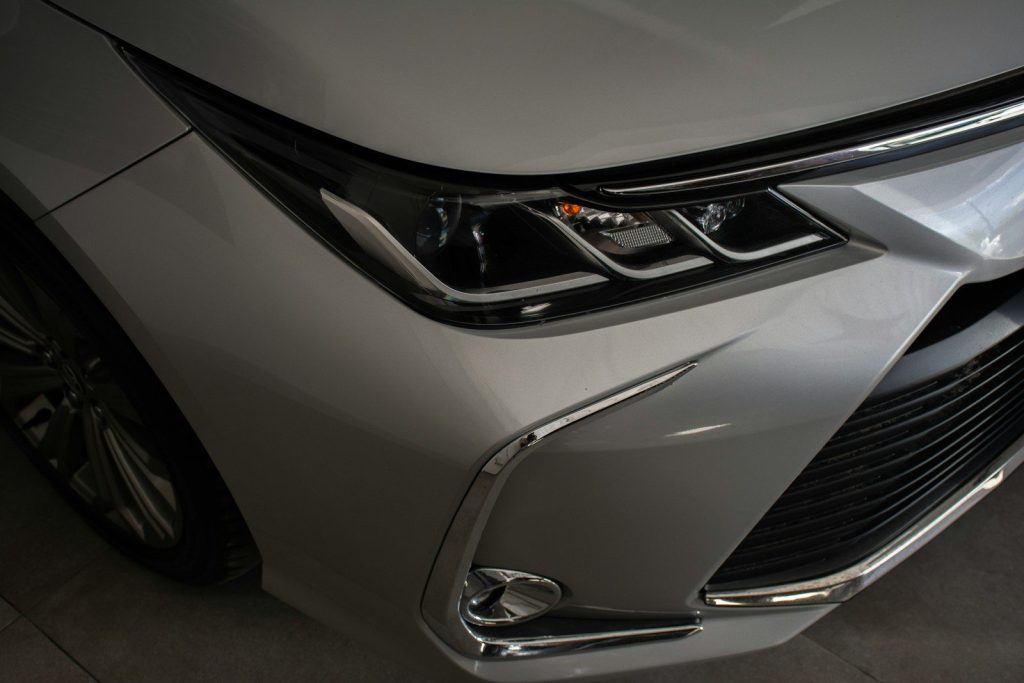
Few vehicles have earned trust the way the Corolla has. Toyota’s compact has been in continuous production since 1966, and the current generation keeps that streak alive with a 2.0-liter four-cylinder engine, updated safety tech, and a hybrid variant that delivers around 50 mpg combined.
Owners regularly push past 200,000 miles with routine maintenance. Repair costs stay low because parts are everywhere and mechanics know the platform inside and out. For a buyer who wants a car that simply works, the Corolla remains the benchmark everything else gets measured against.
2. Honda Civic
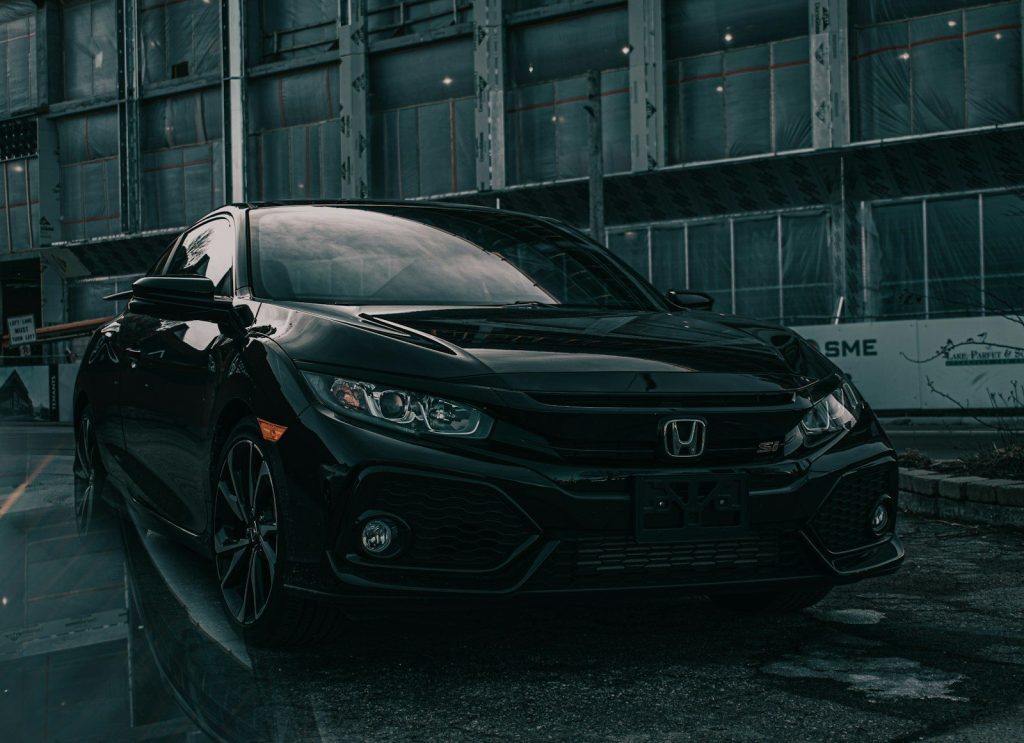
The Civic has spent decades trading blows with the Corolla for compact car supremacy, and the current generation gives Toyota genuine competition. The base LX and Sport trims use a naturally aspirated 2.0-liter four-cylinder producing 150 horsepower, while the performance-oriented Si steps up to a turbocharged 1.5-liter making 200 horsepower.
Honda’s build quality has tightened considerably after some rough years in the early 2010s. Long-term reliability data consistently places the Civic among the top compact cars for owners who plan to keep their vehicles for a decade or more. The interior is well-assembled and holds up to daily wear without looking ragged at 80,000 miles.
3. Mazda3
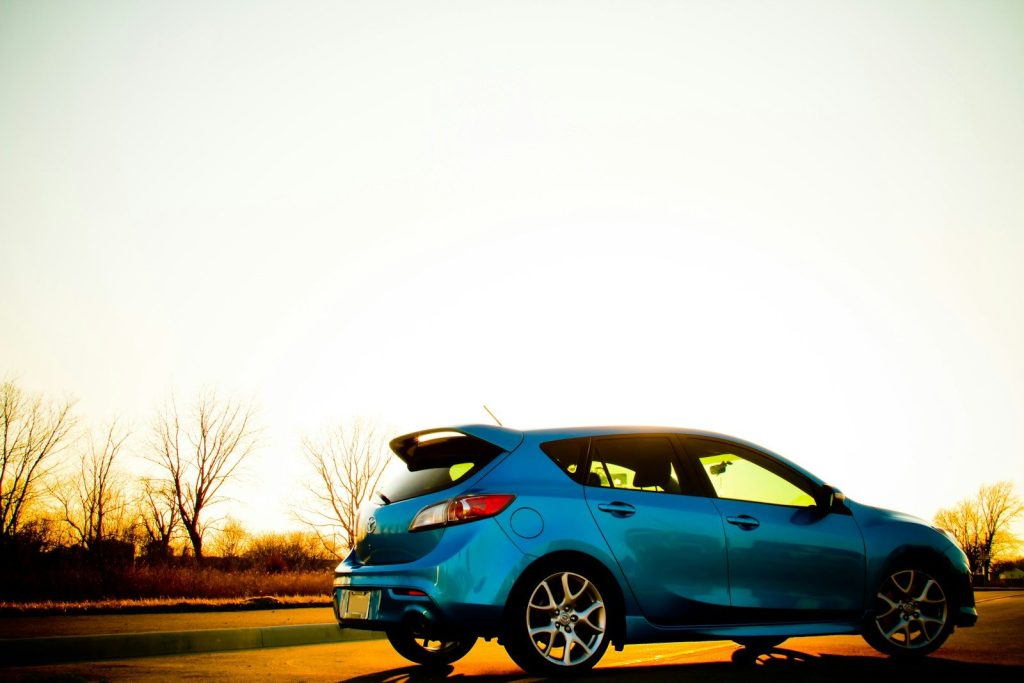
Mazda builds cars like it has something to prove. The Mazda3 uses the company’s Skyactiv-G engine technology to extract fuel efficiency without sacrificing refinement, and the chassis tuning is closer to a European sports sedan than anything in its price class.
Consumer Reports has consistently ranked Mazda among the more reliable mainstream brands, placing it third for long-term used-car reliability and sixth among new-car brands. The Mazda3 sedan and hatchback both qualify, and the interior materials punch well above the car’s sticker price. Owners report low maintenance costs and engines that age gracefully.
4. Subaru Impreza
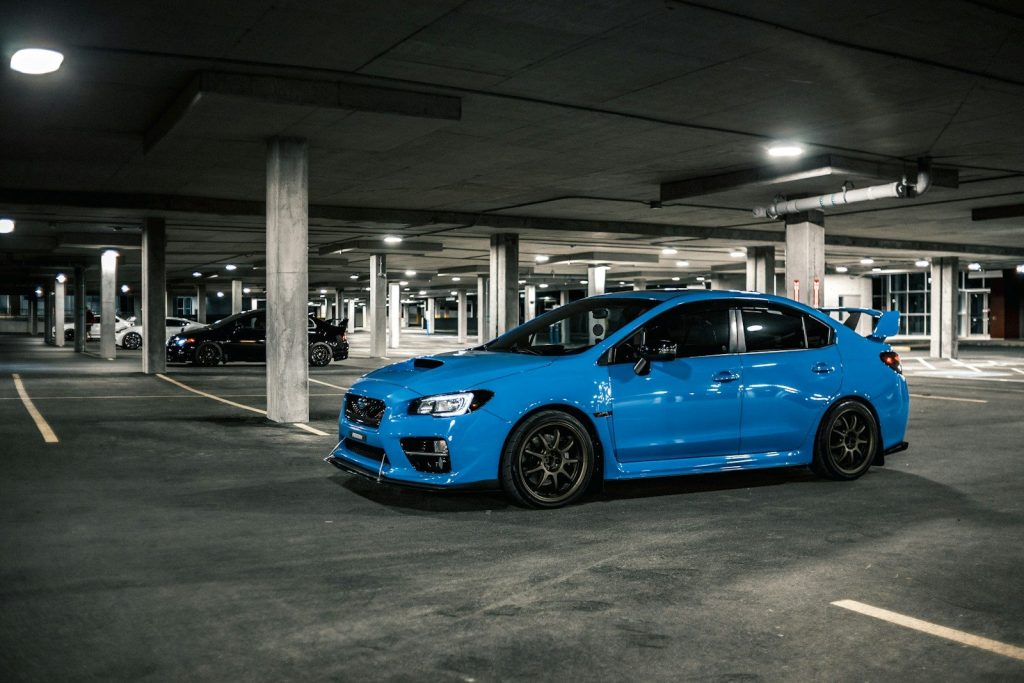
The Impreza earns its place here partly because of what it offers that most compacts don’t: standard all-wheel drive across the entire lineup. For buyers in the Midwest, the Pacific Northwest, or anywhere winter driving is a genuine concern, that’s a meaningful advantage.
The base Sport trim runs a 2.0-liter boxer engine producing 152 horsepower, while the RS steps up to a 2.5-liter unit making 182 horsepower. Subaru’s reliability reputation took some hits in the mid-2010s over head gasket issues in certain models, but the current Impreza generation has largely moved past those concerns and earned stronger long-term scores.
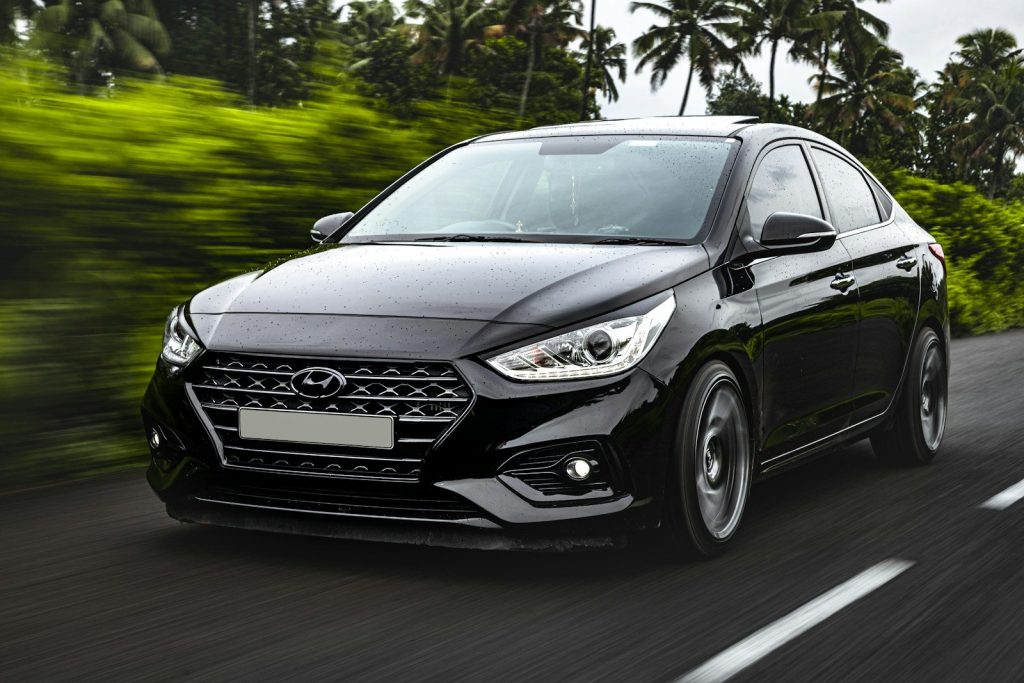
5. Hyundai Elantra
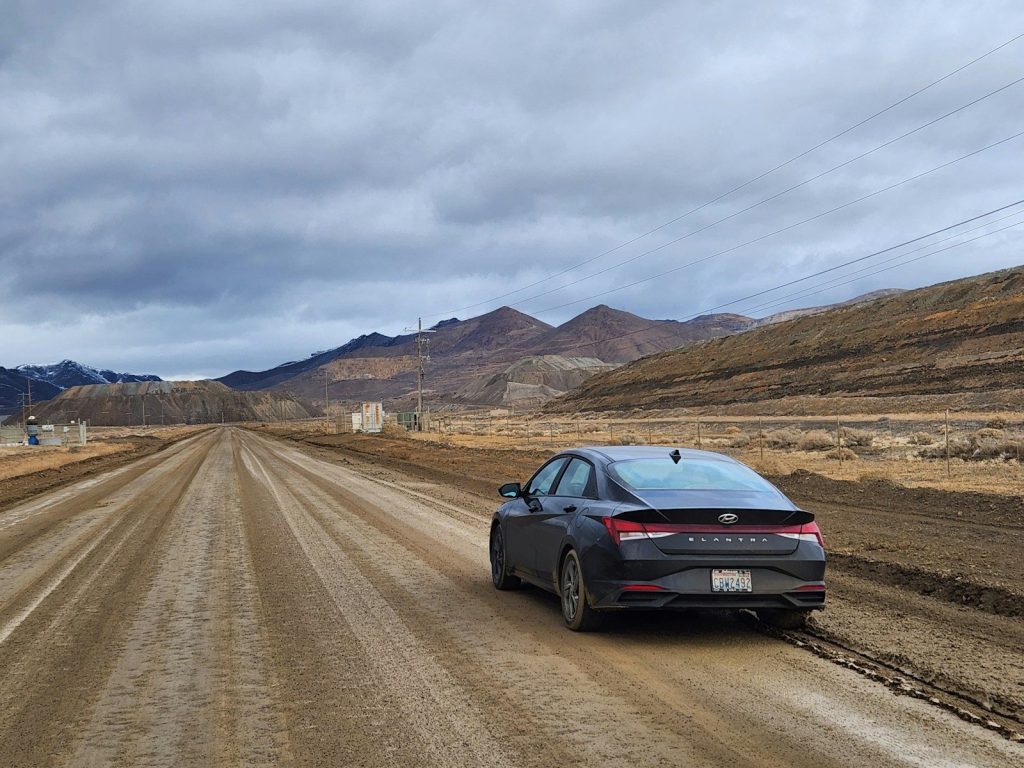
Hyundai has closed the reliability gap with Japanese brands more convincingly than any other Korean automaker. The Elantra features a 2.0-liter naturally aspirated engine in its base configuration, producing 147 horsepower, with a turbocharged 1.6-liter option available in the N Line trim.
In J.D. Power’s 2025 Initial Quality Study, Hyundai ranked second among mass-market brands, placing it ahead of most Japanese competitors in early ownership quality. The Elantra also offers a hybrid variant with an EPA-estimated 54 mpg combined, making it one of the most fuel-efficient non-plug-in compacts on sale.
6. Toyota Yaris (available in select markets as the GR Yaris)
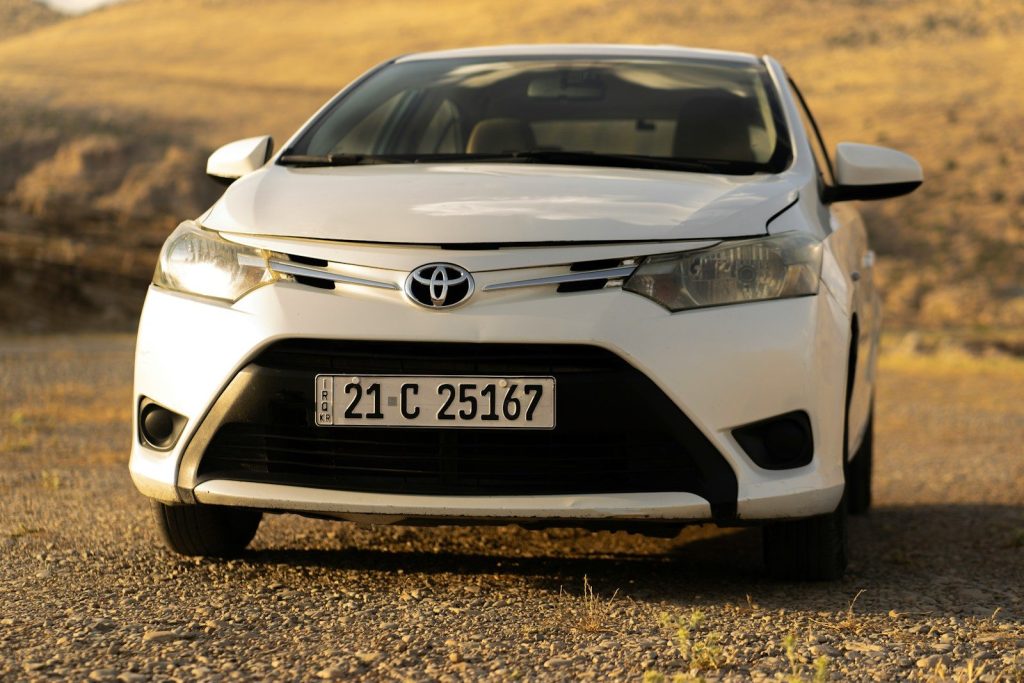
The standard Yaris has been discontinued in the U.S., but the GR Yaris, available through select import dealers, carries Toyota’s reliability DNA in a sharper package.
More practically, buyers who want a Toyota subcompact can still find excellent certified pre-owned Yaris models with low mileage. Toyota’s engine longevity data on the Yaris platform is among the strongest in the subcompact class, and the car’s straightforward mechanical layout means fewer electronics to fail over time.
7. Volkswagen Golf
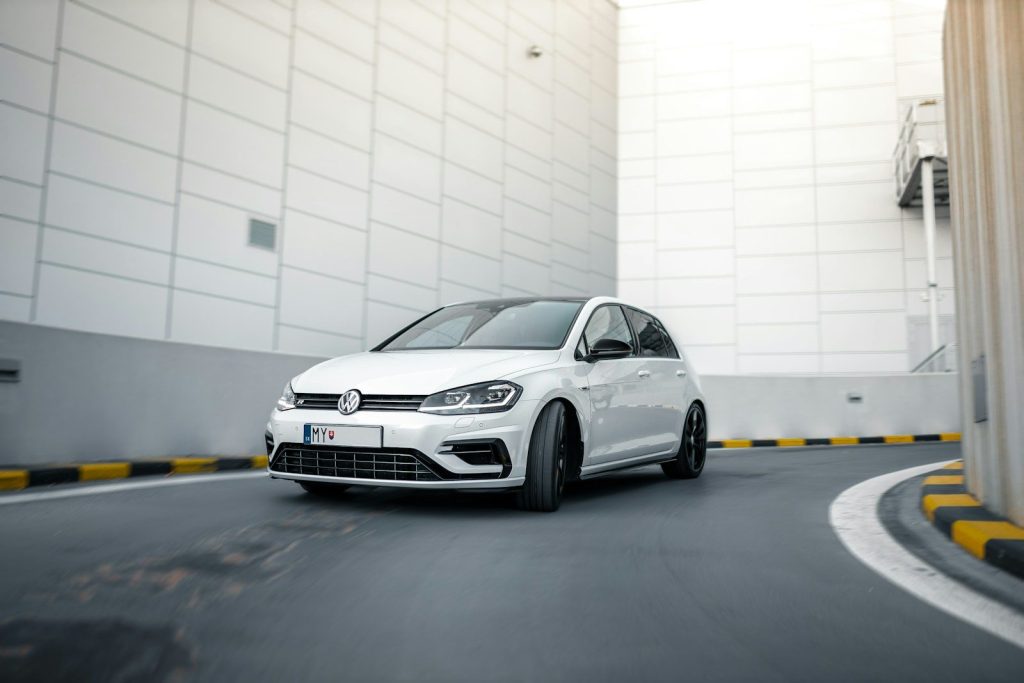
The Golf is the outlier on this list, and knowingly so. Volkswagen’s long-term reliability scores trail the Japanese and Korean options here, and repair costs run higher. What earns the Golf a spot is the quality of its engineering over time when properly maintained.
The current eighth-generation Golf GTI uses a 2.0-liter turbocharged engine producing 241 horsepower, mated to a seven-speed dual-clutch automatic. Owners who follow Volkswagen’s service schedule and use the correct parts report surprisingly durable results. It asks more of its owner, but it rewards that attention.
Mazda3 vs. the Field
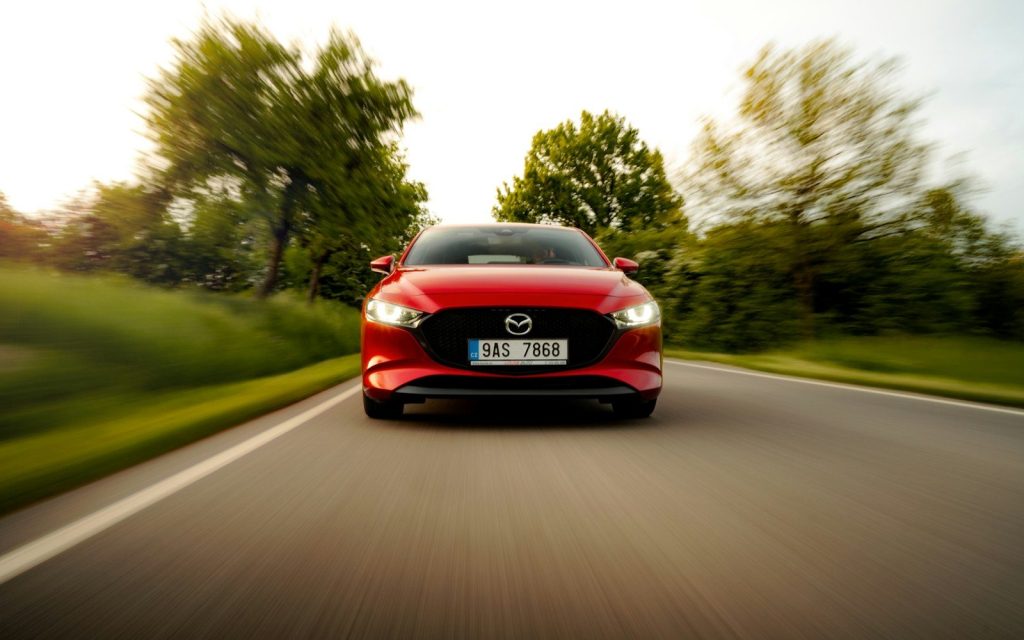
Among all the cars on this list, the Mazda3 makes perhaps the strongest case that reliability and driving pleasure aren’t mutually exclusive. It scores well in long-term dependability surveys, costs less to repair than most European alternatives, and still manages to feel like something worth driving on a twisty road.
That combination is genuinely rare in the compact class. The Corolla and Civic may get more headlines, but for buyers who care about how a car feels as much as how long it lasts, the Mazda3 is worth a hard look.
What All These Cars Have in Common
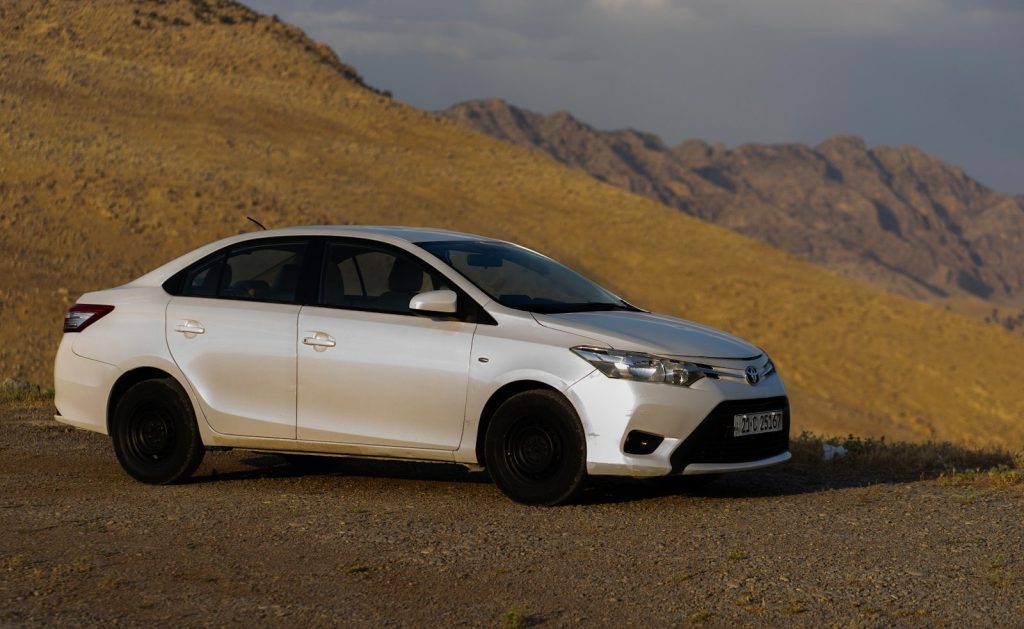
None of these vehicles are flashy propositions. They don’t lead news cycles or attract much attention at car shows. What they share is an engineering philosophy that prioritizes longevity over novelty, reasonable parts costs, and a track record that owners and mechanics have validated over hundreds of thousands of real-world miles.
A well-maintained Corolla or Civic bought new in 2026 could still be running reliably in 2036 and beyond. That’s not a minor thing in a market where the average new vehicle price has climbed past $48,000. Small cars that last are genuinely valuable, and these eight make the strongest case for the segment.