

Retirement income is fixed, but expenses have a way of staying unpredictable. The solution most financial advisors push is cutting back, and that advice is valid up to a point. What gets less attention is the other side of the equation: strategic purchases that reduce long-term costs.
Some upfront spending genuinely pays for itself, often within a year or two. The key is knowing what actually delivers returns and what just sounds like it should.
1. A Quality Programmable Thermostat
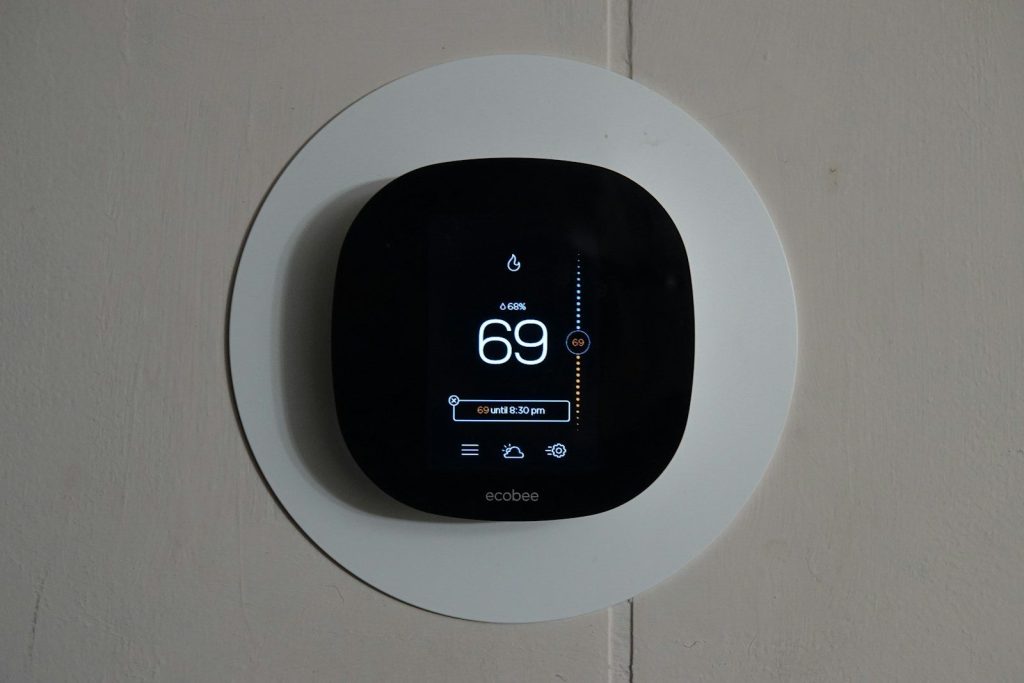
A smart thermostat like the Ecobee or Google Nest costs between $130 and $250, but the Department of Energy estimates it can cut heating and cooling bills by around 10 to 15 percent annually.
For a household spending $2,000 a year on energy, that’s $200 to $300 back. Most models are straightforward to install and can be controlled by phone, which also makes them useful for retirees who travel for extended periods.
2. A Chest Freezer
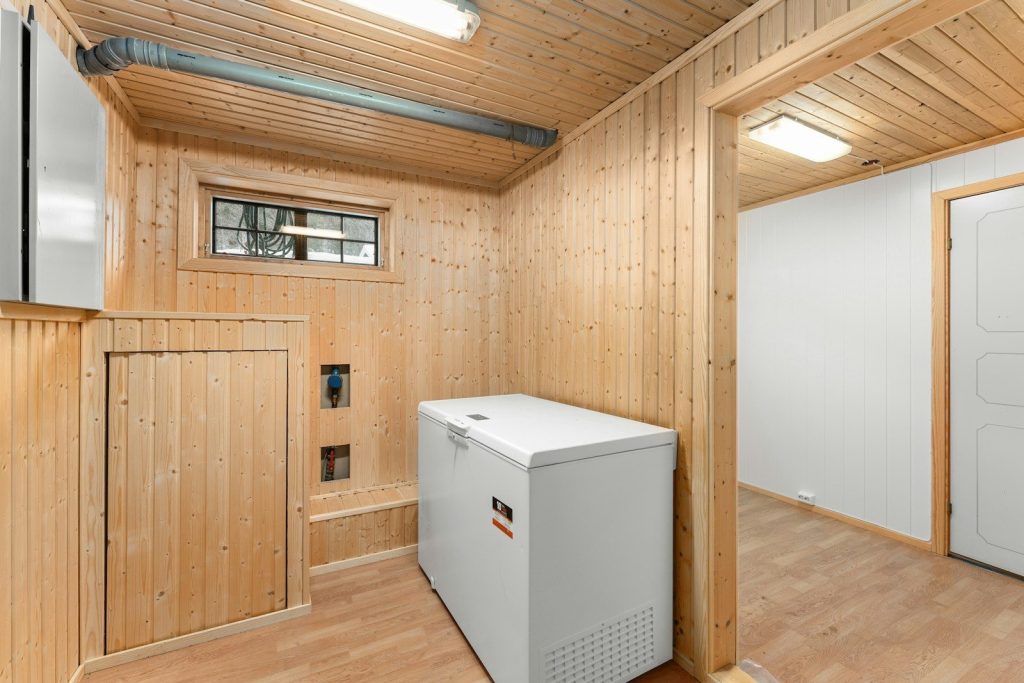
This one tends to surprise people. A chest freezer, typically $150 to $300, allows retirees to buy meat, bread, and produce in bulk when prices drop or sales hit.
Grocery costs are one of the more controllable household expenses, and bulk buying with proper freezer storage is one of the most reliable ways to lower them. A family of two can realistically cut $50 to $100 per month off their grocery bill with disciplined freezer use.
3. LED Lighting Throughout the Home

LED bulbs use roughly 75 percent less electricity than traditional incandescent bulbs and last up to 25 times longer. Replacing every bulb in a mid-sized home costs around $100 to $150 total.
The electricity savings can reach $225 or more per year, according to Energy Star estimates. Most retirees who make the switch never think about it again, which is part of what makes it a good purchase.
4. A High-Quality Water Filter
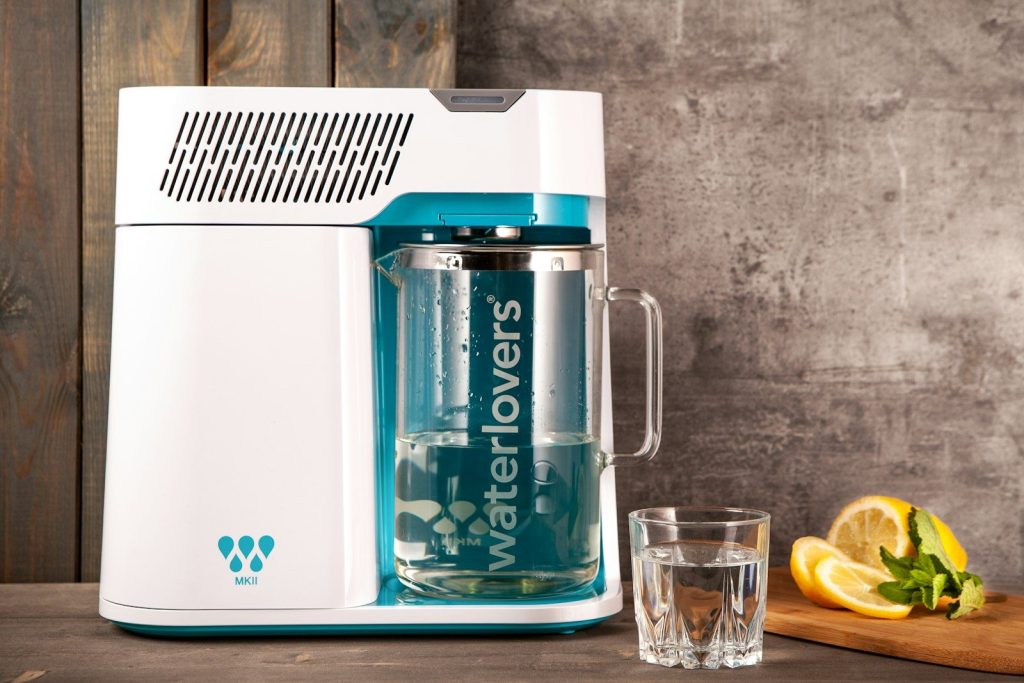
Bottled water costs have climbed steadily, and many retirees spend $30 to $60 a month on it without really tracking the total. A countertop or under-sink filter from a brand like Brita Pro or PUR Plus runs $50 to $200 and eliminates most of that expense.
Replacement filters add modest ongoing costs, but the math generally works out to savings of several hundred dollars a year for households that drink bottled water regularly.
5. A Pressure Cooker or Instant Pot
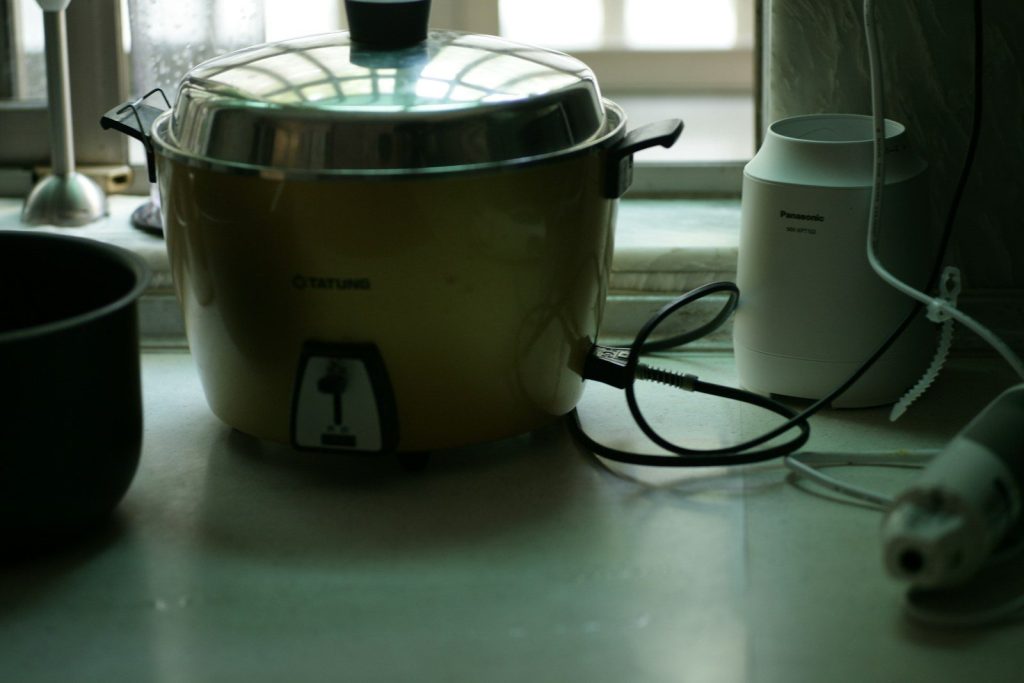
Cooking at home saves money. Cooking dried beans, lentils, tougher cuts of meat, and whole grains at home saves significantly more. A pressure cooker makes those cheaper, nutrient-dense ingredients fast and practical.
The Instant Pot Duo 7-in-1, around $80 to $100, also replaces several other appliances, which matters for kitchen space and reduces the temptation to rely on takeout when cooking feels like too much effort.
6. Wool or High-Quality Thermal Underlayers

Cold weather is expensive if the solution is cranking up the heat. A good set of merino wool or thermal base layers, around $60 to $120, lets retirees keep the thermostat several degrees lower without sacrificing comfort.
Merino wool in particular resists odor and washes well over time, making it a durable purchase. It’s a modest investment that compounds over multiple winters.
7. A Basic Home Maintenance Toolkit
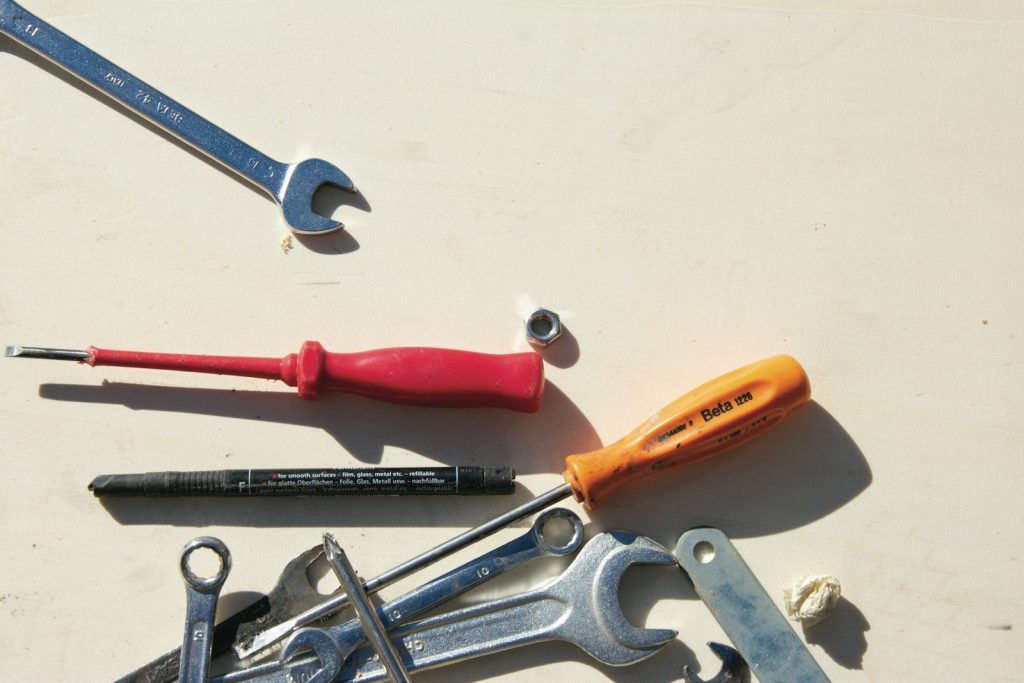
Service calls for minor repairs, a dripping faucet, a running toilet, a loose cabinet hinge, can easily run $100 to $200 each by the time a plumber or handyman shows up. A solid toolkit with a good set of screwdrivers, pliers, a wrench set, and a cordless drill runs about $100 to $150.
YouTube has made basic home repair genuinely accessible. Retirees who handle even a few small jobs themselves each year can save several hundred dollars.
8. Prescription Discount Cards and a GoodRx Membership

This one costs nothing or very little, but it belongs on the list. GoodRx and similar services can cut prescription costs by 40 to 80 percent at participating pharmacies, sometimes dropping a medication from $60 to under $10.
Retirees on multiple prescriptions who haven’t compared their Medicare Part D copays against GoodRx pricing are frequently leaving real money on the table every single month.
9. A Library Card and a Streaming Bundle

Entertainment costs add up quietly. A library card is free and provides access to ebooks, audiobooks through Libby, DVDs, and in many cases free digital museum passes and online learning courses.
Paired with one mid-tier streaming service, total entertainment spend can stay around $20 a month or less. That compares favorably to the $80 to $120 many households spend without really thinking about it.