

One of the first things that trips up new investors is assuming the stock market and the broader economy move in lockstep. They don’t. The market is forward-looking, pricing in what investors expect to happen months or even years down the road.
During the early months of the COVID-19 pandemic, the S&P 500 was already recovering sharply while unemployment was still at historic highs. Understanding this disconnect early saves a lot of confusion later.
1. Time in the Market Beats Timing the Market
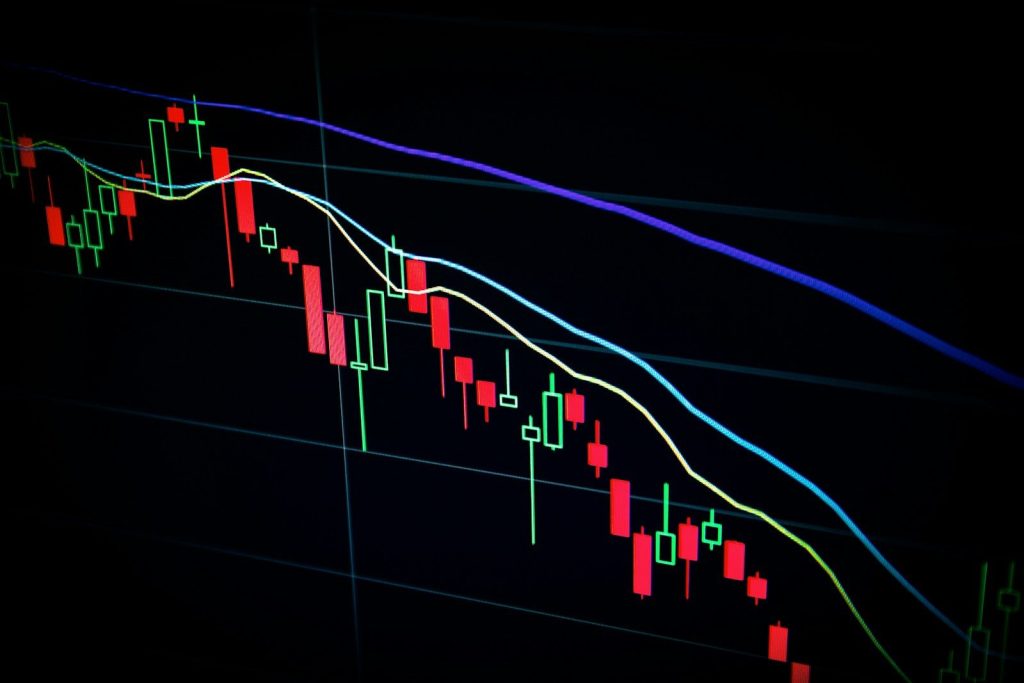
Countless studies have shown that missing just the ten best trading days over any given 30-year stretch can cut long-term returns roughly in half. Most of those big days happen during periods of peak uncertainty, right when most people are tempted to sit on the sidelines.
Staying invested through the rough patches is harder than it sounds, but the data consistently rewards it.
2. Volatility Is the Price of Admission
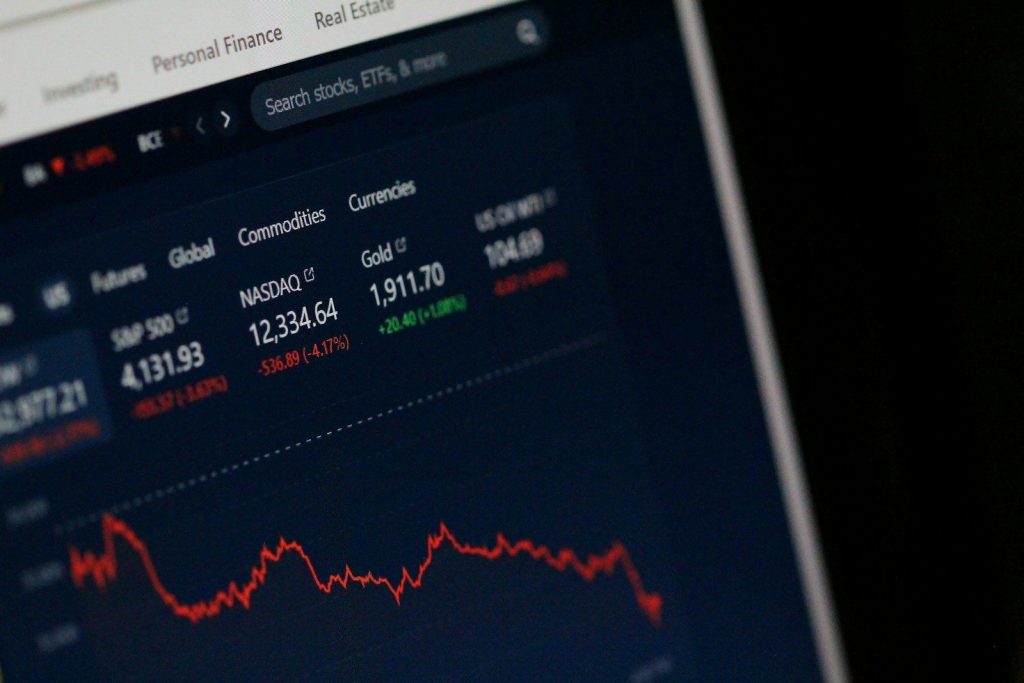
Expecting a smooth ride is the fastest way to make bad decisions under pressure. The S&P 500 has historically dropped 10% or more from its peak about once a year on average.
Those pullbacks are not signs that something has gone permanently wrong. They are a normal feature of equity investing, and treating them as a cost rather than a crisis changes how they feel when they happen.
3. Diversification Is Not Just a Buzzword
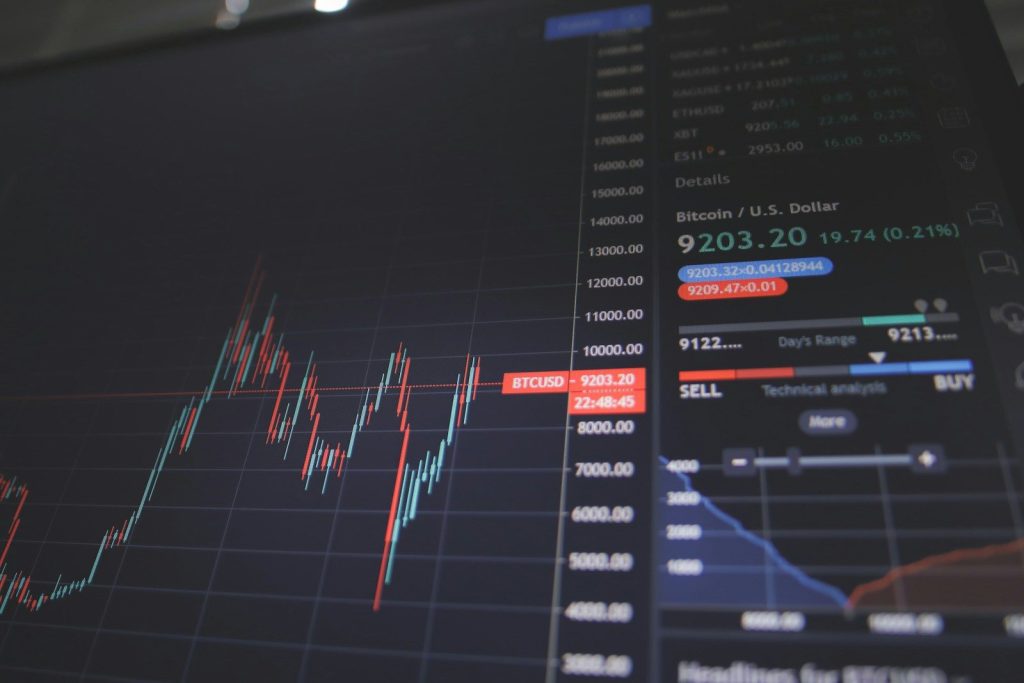
Owning 20 shares of different tech stocks is not diversification. Real diversification spreads risk across sectors, asset classes, and sometimes geographies.
When the Nasdaq fell more than 33% in 2022, investors with meaningful bond or international exposure felt considerably less pain. The goal is to make sure no single bad year in one corner of the market can derail years of progress.
4. Fees Compound Just Like Returns Do
A 1% annual management fee sounds trivial. Over 30 years on a $100,000 portfolio growing at 7%, it can cost well over $100,000 in lost growth once the compounding effect is factored in. Low-cost index funds have made this easier to manage than ever.
Vanguard and Fidelity both offer funds with expense ratios near zero. The investment industry spent decades obscuring this math, and it remains one of the most underappreciated edges a retail investor has.
5. Emotions Are the Biggest Risk

Behavioral finance researchers have documented repeatedly that the average investor significantly underperforms the funds they invest in, largely because of poorly timed buying and selling. People pile in after a big run-up and flee after a drop.
The result is buying high and selling low, which is the opposite of the goal. Building a system, whether that’s automatic contributions or a written plan, reduces the number of live decisions that emotions can sabotage.
6. Not Understanding What You Own Is a Real Risk

Warren Buffett’s long-standing advice to avoid anything you don’t understand has kept many investors out of spectacular blow-ups. That includes complex derivatives, leveraged ETFs, and highly speculative small-cap stocks. In 2021, several meme stocks surged hundreds of percent before collapsing.
The people who got burned were mostly those who bought late, had no idea how the business worked, and had no plan for when things turned.
7. Dividends Are Worth Paying Attention To
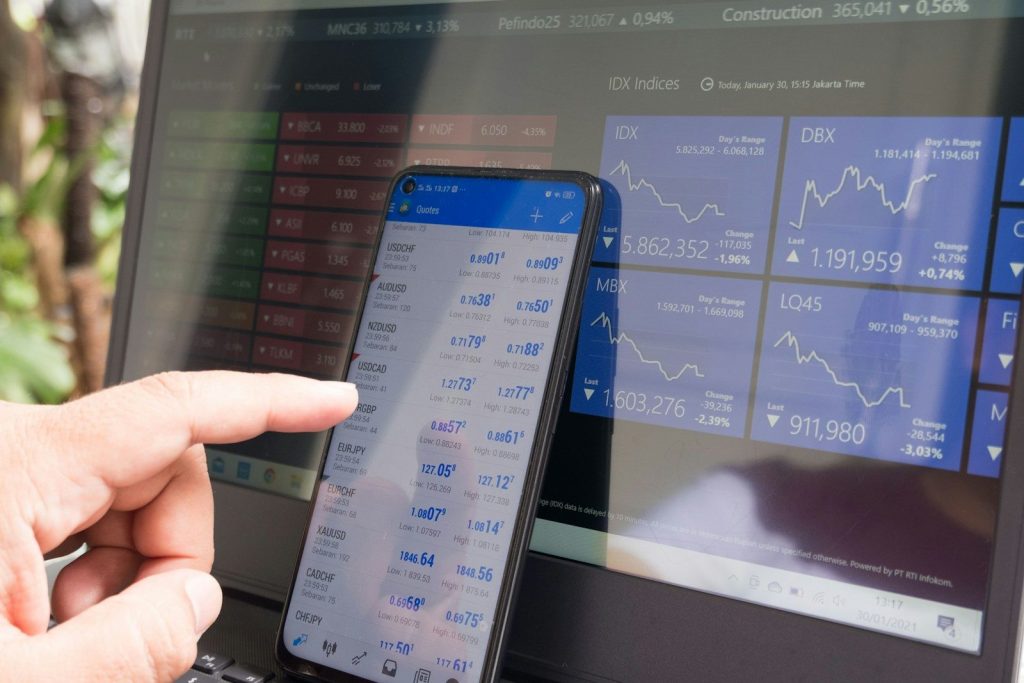
Growth stocks get most of the headlines, but dividend-paying stocks have contributed roughly 31% of total stock market returns since 1926. Companies that consistently raise dividends, like Johnson & Johnson or Coca-Cola, tend to be financially stable businesses with real earnings.
For long-term investors, reinvesting dividends is one of the quietest and most effective compounding tools available.
8. The News Is Usually Priced In Already

By the time a story is dominating headlines, the market has typically already reacted. Trading on news cycles is a losing game for most retail investors because institutional traders with faster systems and better information got there first.
A more reliable approach is focusing on long-term fundamentals rather than reacting to what’s trending on financial media on any given afternoon.
9. Starting Late Is Better Than Never Starting
Someone who begins investing at 45 instead of 25 still has two decades of compounding ahead. The math is less dramatic than starting young, but the alternative of staying out of the market entirely is far worse.
A 45-year-old who contributes $500 a month to a diversified portfolio for 20 years at a 7% average annual return ends up with roughly $260,000. That’s real money, built from a late start.