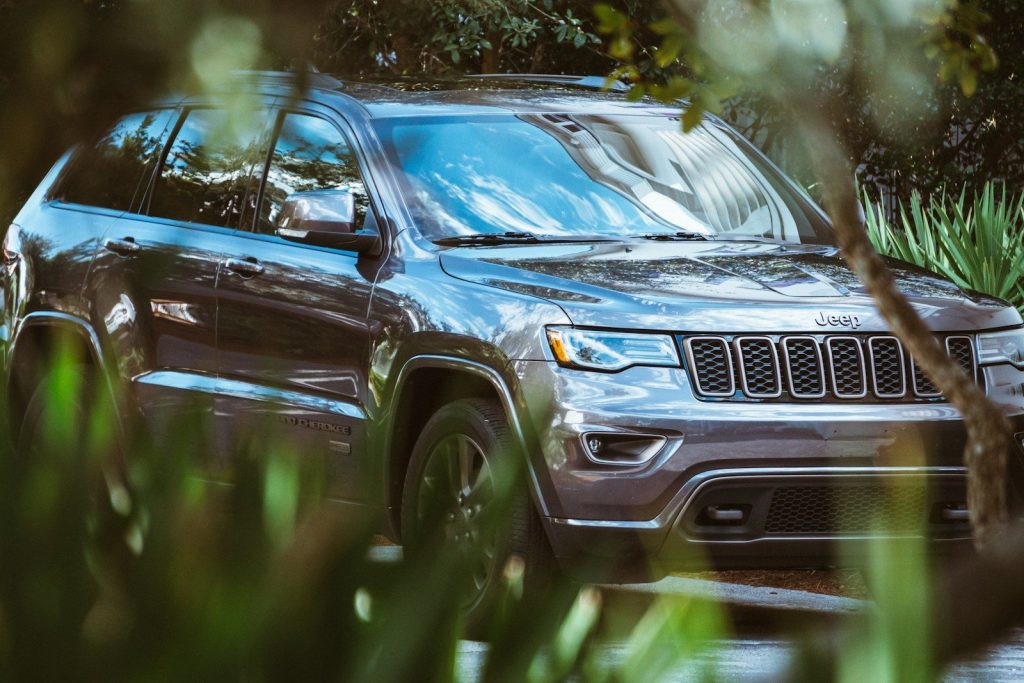

The SUV market has never been more crowded, and automakers know it. With buyers conditioned to expect a certain level of comfort and technology, manufacturers have been quietly inflating prices while leaning on brand prestige and clever marketing to close the deal.
Some of these vehicles are genuinely good. A few are excellent. But a surprising number are charging luxury-tier money for mid-tier execution, and buyers who do their homework before signing tend to walk away with a much better deal, or a much better vehicle.
1. Jeep Grand Cherokee L (Starting in the Low $40s)
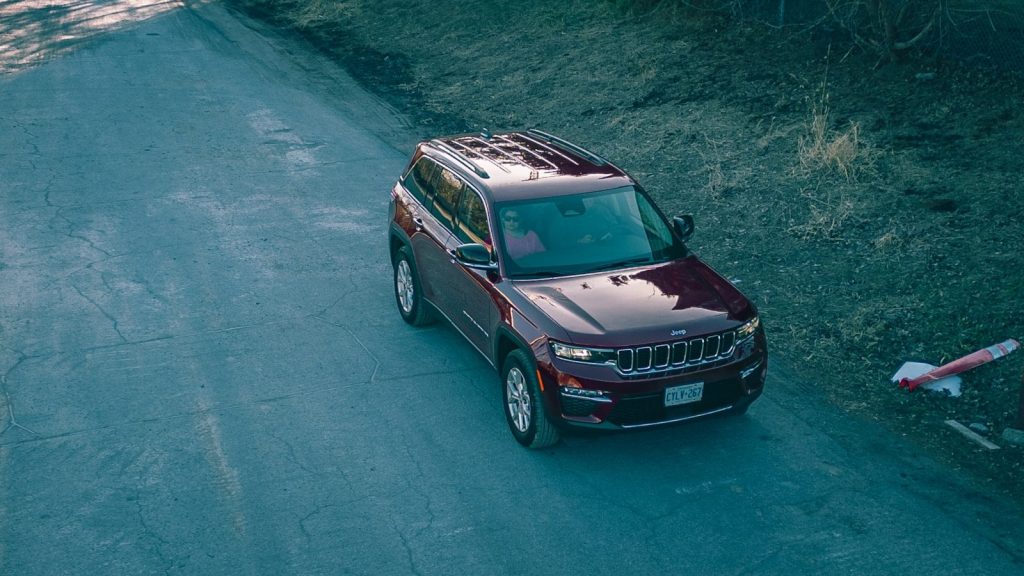
The Grand Cherokee L looks the part, and Jeep’s reputation for off-road credibility does a lot of heavy lifting in showrooms. The problem is that once the trim levels start climbing, buyers are suddenly staring at $60,000-plus for a three-row family hauler with reliability scores that consistently lag behind Toyota and Honda rivals.
J.D. Power and Consumer Reports have both flagged recurring issues with the Grand Cherokee’s electrical systems and interior quality. For that kind of money, the competition is fierce and largely more dependable.
2. BMW X5 (Starting Around $68,000)
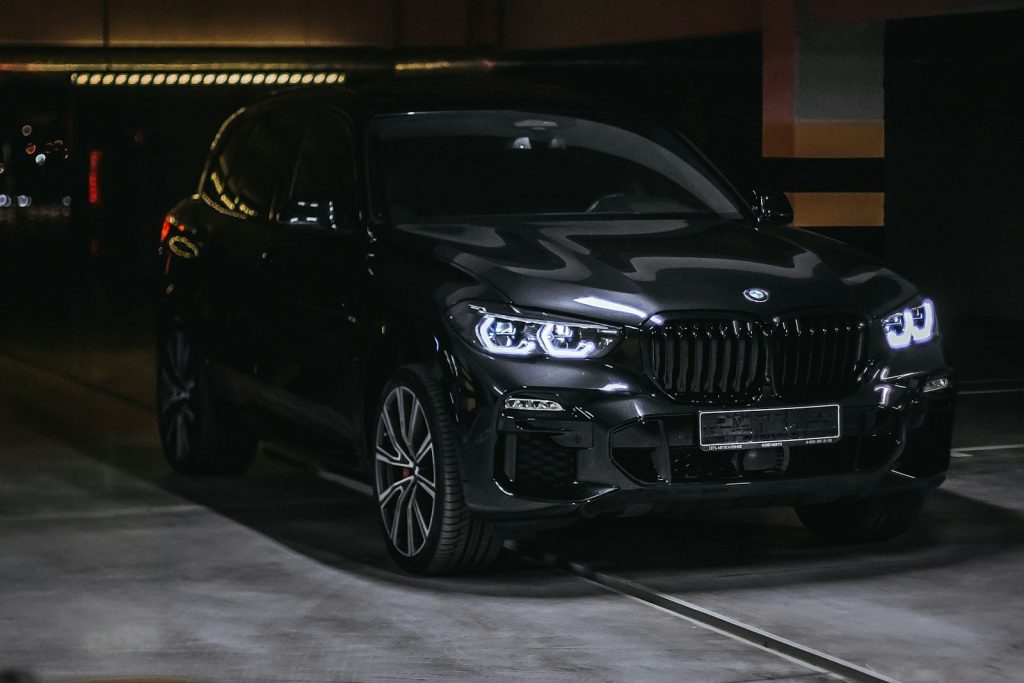
The X5 has been BMW’s bread-and-butter SUV for over two decades, and the brand coasts on that legacy more than it probably should. At its base price, the X5 is already expensive. By the time a buyer adds the driver assistance package, the panoramic roof, and a few other options that feel like they should come standard at this price point, the number clears $80,000 without much effort.
Maintenance costs after the warranty expires are a real concern too. Independent BMW repair shops report that ownership costs in years four through seven can rival a second car payment.
3. Cadillac Escalade (Starting Around $93,000)
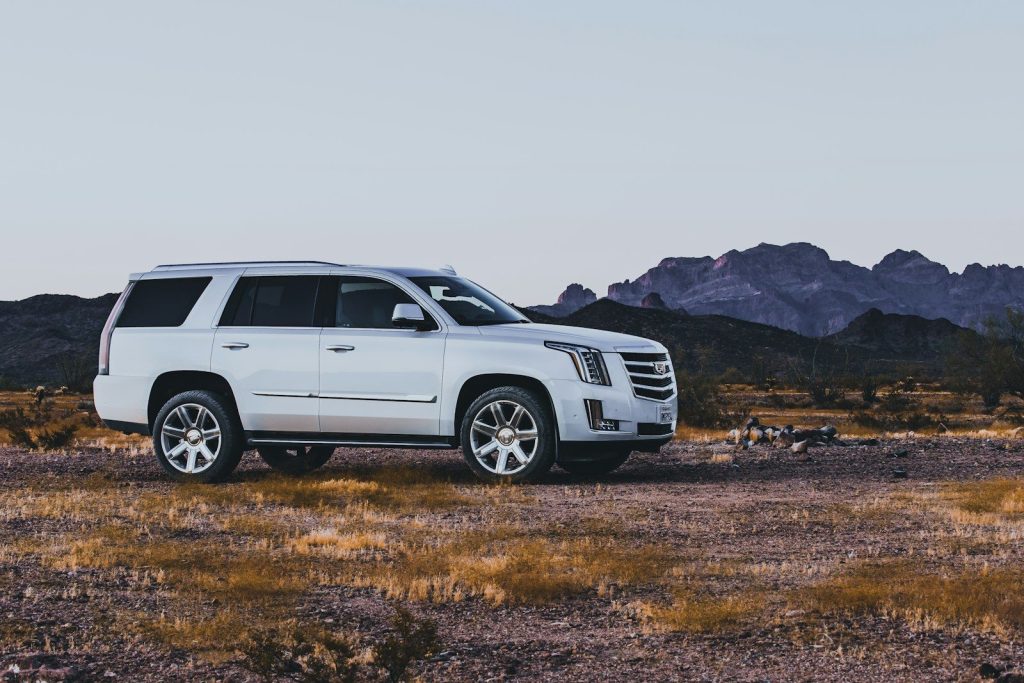
The Escalade is a status symbol first and a vehicle second, which is fine if that’s what someone is buying. What’s less fine is that the base model, at over $91,000, delivers an interior that feels noticeably behind what Genesis and Lincoln are offering for similar or lower prices.
The third row is cramped for a vehicle this physically large. Fuel economy is dismal even by full-size SUV standards. The name carries weight in certain circles, but the hardware doesn’t always justify the premium over a well-equipped Lincoln Navigator or a Genesis GV80.
4. Land Rover Defender (Starting Around $63,500)
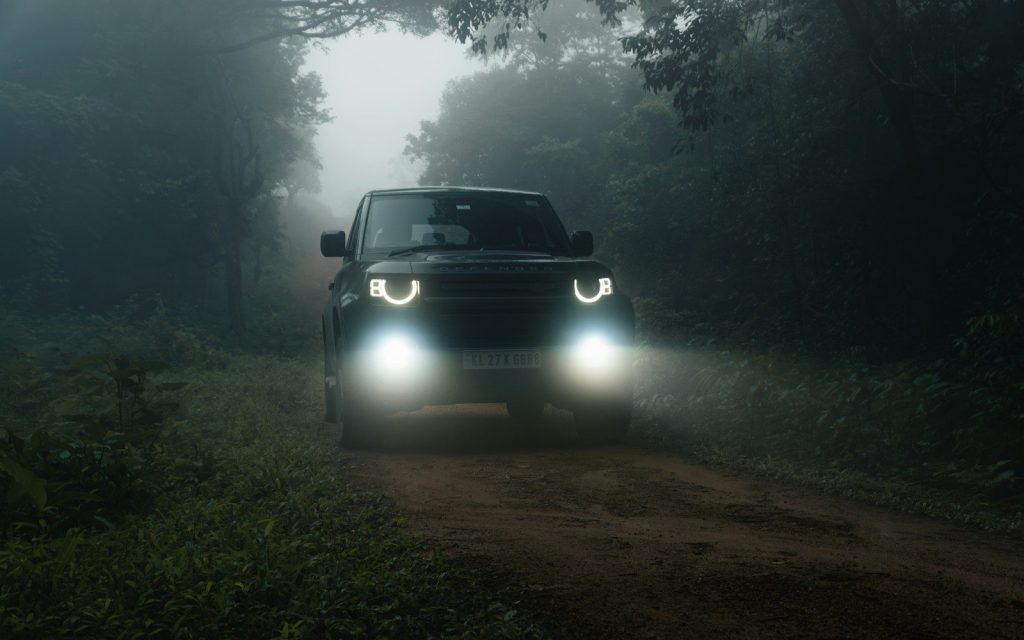
Land Rover has genuinely worked to improve its reliability reputation, but the Defender is still a complicated buy. The brand’s long-term ownership history includes higher-than-average unplanned repair rates, and buyers who consult independent reliability surveys tend to find more caution flags than the glossy marketing suggests.
The off-road capability is real and the styling is striking, but a buyer who uses this vehicle primarily for school runs and highway commuting is paying a steep premium for capability they’ll rarely use, wrapped in a package with an above-average repair history that predates the current generation.
5. Porsche Cayenne (Starting Around $90,000)
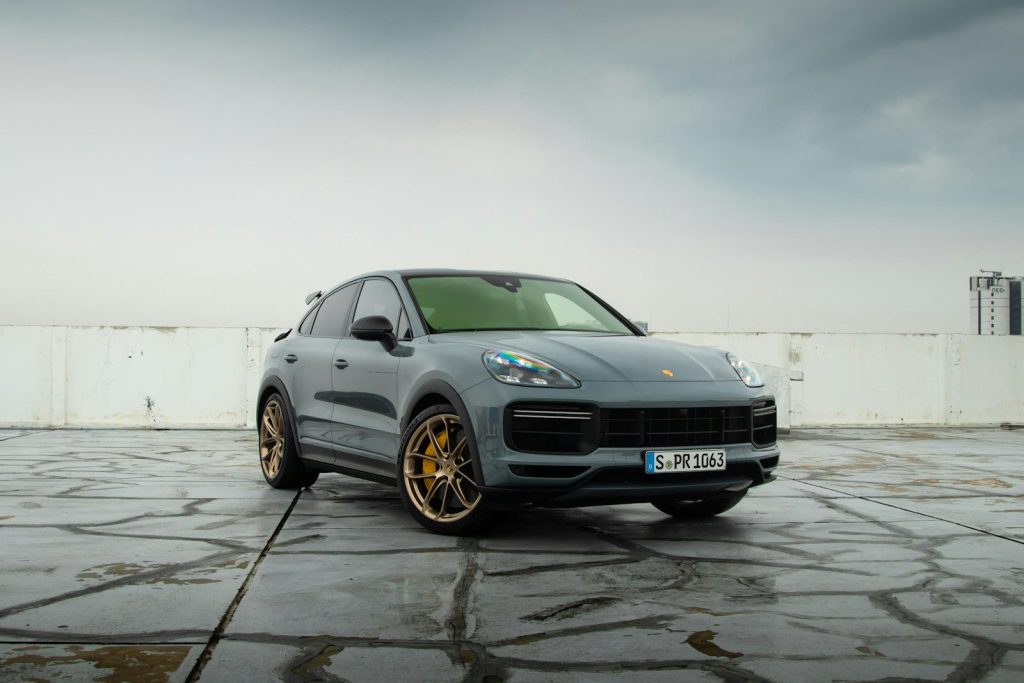
The Cayenne drives beautifully. Nobody disputes that. The issue is that Porsche’s option pricing strategy is almost aggressively padded, with features like rear-axle steering, better sound systems, and upgraded suspension components costing thousands extra on a vehicle that already starts near $90,000.
A fully loaded Cayenne can push well past $120,000. For drivers who want the Porsche experience in an SUV form, the Macan is the more honest value. The Cayenne charges for a badge as much as engineering.
6. Acura MDX (Starting Around $52,000)
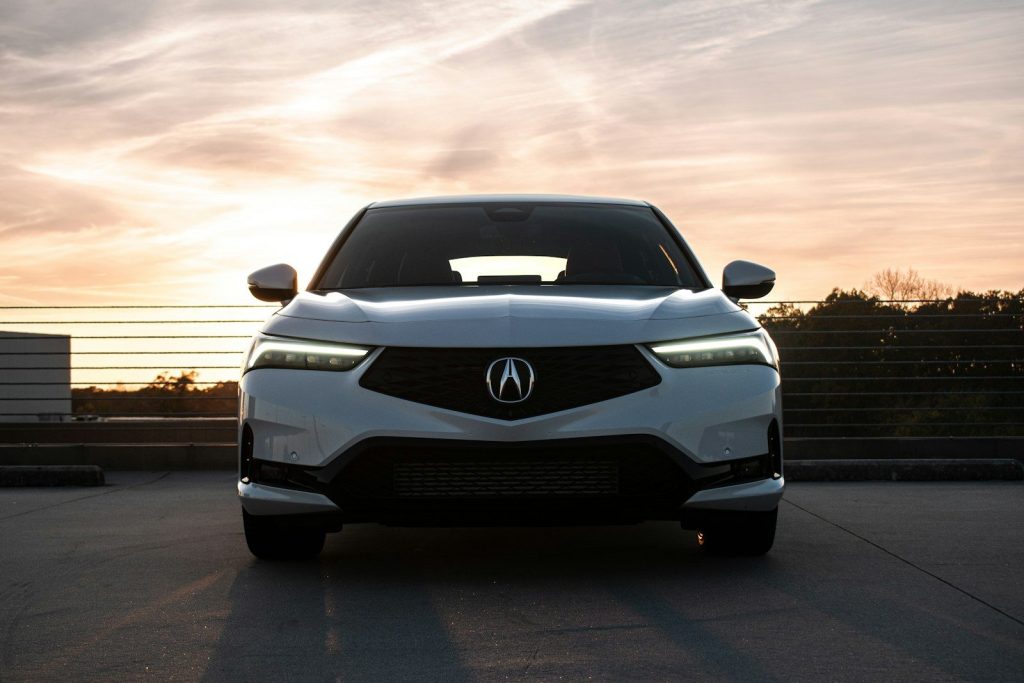
The MDX is a well-built vehicle, and Acura’s reliability record is solid. But the pricing has crept up consistently over the past few years, and the MDX now sits in territory where it competes directly with German alternatives that offer more brand prestige and, in some configurations, comparable feature sets.
Reviewers have noted that despite a recent infotainment overhaul that replaced the old mousepad interface with a touchscreen, the screen placement sits a bit too far from the driver for easy reach. Paying a premium for a system that still draws ergonomic complaints is a harder sell than it should be at this price.
7. Mercedes-Benz GLE (Starting Around $63,500)
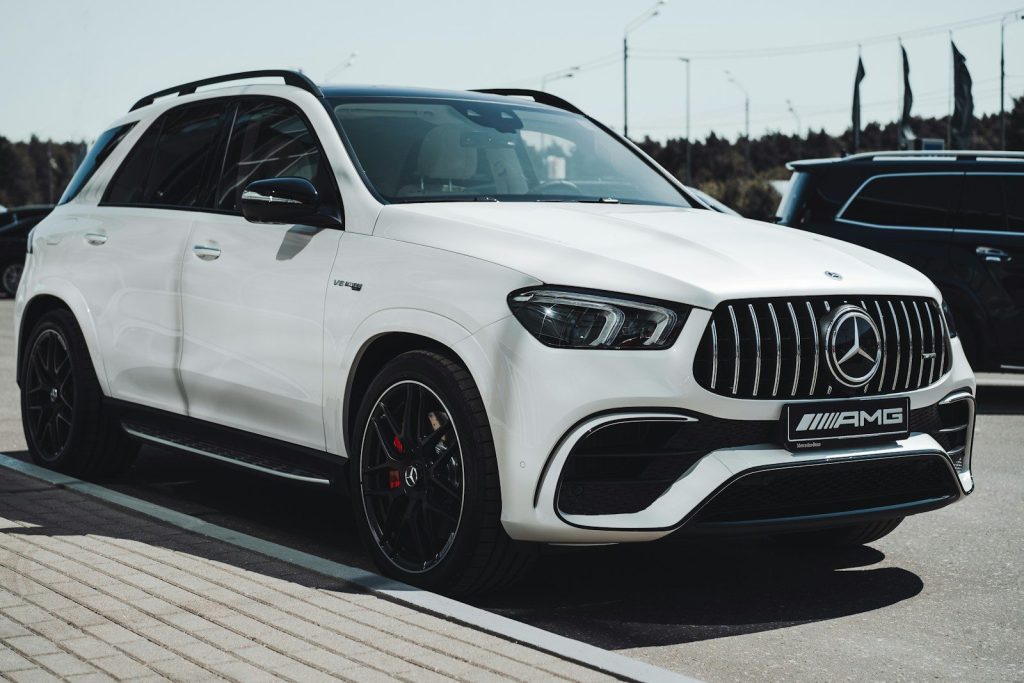
The GLE offers a genuinely premium interior and strong road manners, but Mercedes has become notorious for reserving key features behind subscription paywalls or expensive option packages.
Heated rear seats, enhanced navigation, and certain driver assistance features that come standard on a Hyundai Palisade or Kia Telluride at half the price are either optional or subscription-based on the GLE. That business model is particularly frustrating at this price point, and it’s drawn public criticism from automotive journalists and consumer advocates alike.
8. Infiniti QX80 (Starting Around $86,000)
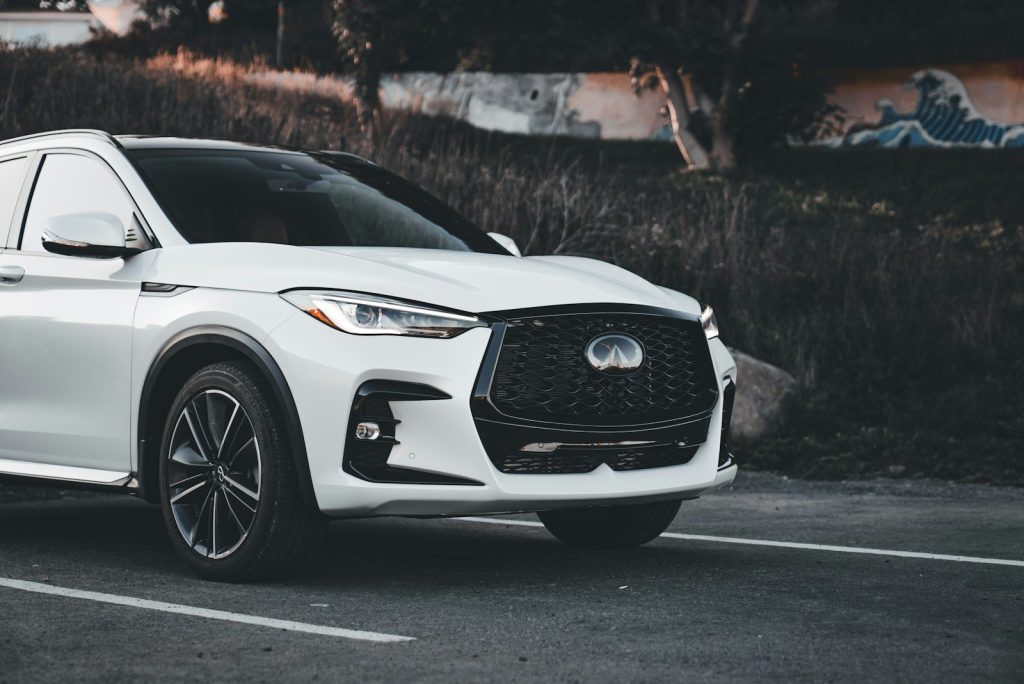
The QX80 was completely redesigned for 2025, and the 2026 carries that forward without major changes. Credit where it’s due: the new generation is a genuine improvement. But at $86,000 and climbing fast through the trim levels, the expectations are sky-high, and not every reviewer agrees the execution matches the ambition.
The interior materials are impressive, but the driving experience still feels heavy in ways that the Lexus LX and Genesis GV80 handle more gracefully at comparable or lower price points. Buyers paying near six figures deserve a vehicle that doesn’t require any mental asterisks.
The Pattern Worth Noticing
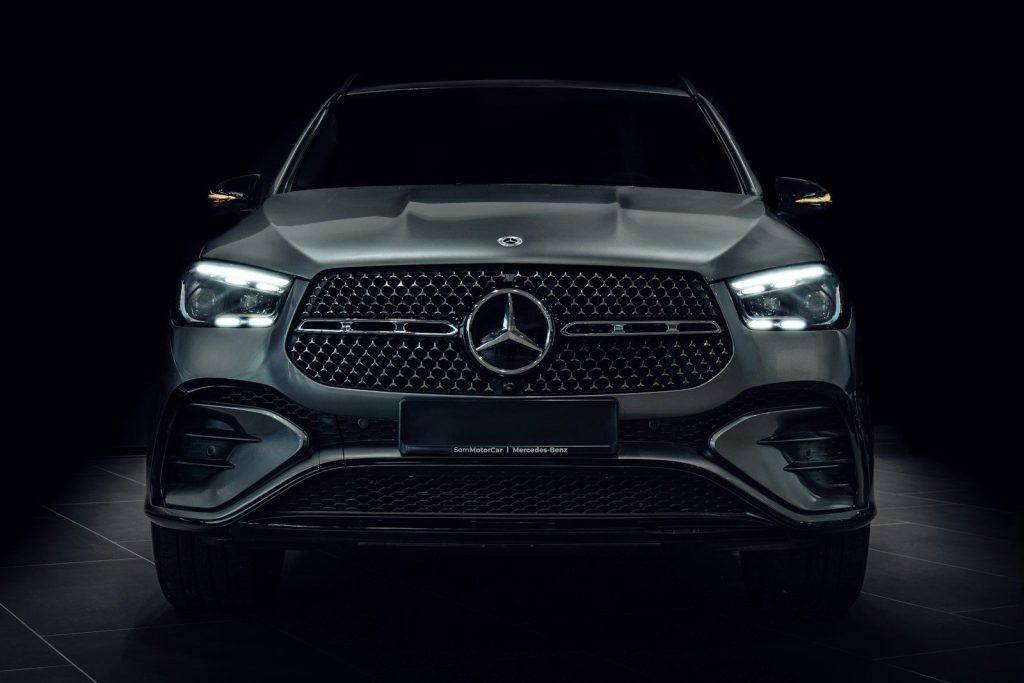
What connects most of these vehicles is the gap between what the price implies and what the ownership experience actually delivers. Brand heritage, a well-produced advertisement, and a polished showroom presentation can make a $70,000 SUV feel inevitable in the moment.
But reliability data, long-term cost of ownership, and feature-for-feature comparisons tell a different story. Korean brands in particular have closed the quality gap substantially over the past decade while keeping prices lower. Buyers who cross-shop seriously, and who look at five-year ownership costs rather than just the sticker, tend to end up in better vehicles for less money.