
The beauty industry has spent decades convincing people that professional treatments are non-negotiable. Some of that is genuinely true. But a lot of it isn’t, and the gap between what requires a trained hand and what anyone can do at home with a $20 kit has never been more obvious than it is now.
With better at-home tools, clearer tutorials, and reformulated products that actually perform, 2026 is a reasonable time to reassess where the salon is earning its price tag and where it simply isn’t.
1. Eyebrow Shaping — Do It Yourself
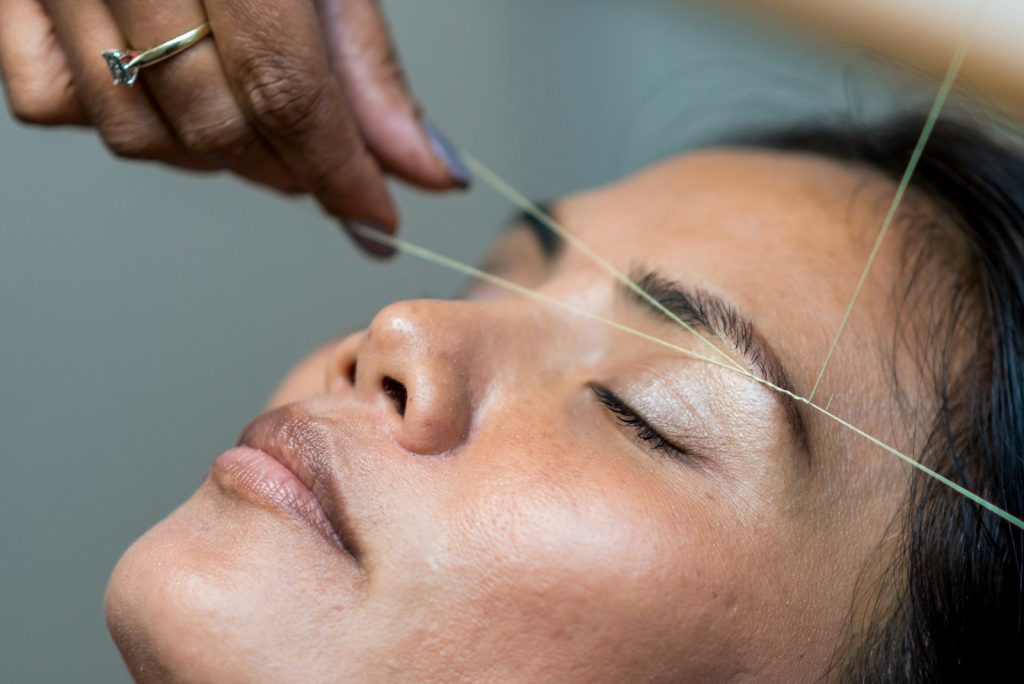
Eyebrow threading and waxing at a salon can run $20 to $40 a session. For most people, that adds up to several hundred dollars a year for something that takes about ten minutes.
Tweezing at home, done slowly and in good lighting, produces results that are hard to distinguish from a professional job. The key is restraint. Remove one hair at a time, step back often, and avoid over-plucking. Tinted brow gels and shaping tools available at drugstores now make it even easier to maintain clean, defined brows between sessions. Unless someone has very sparse or unusually shaped brows that need corrective work, this one belongs at home.
2. Hair Coloring — Depends Entirely on What You’re Doing
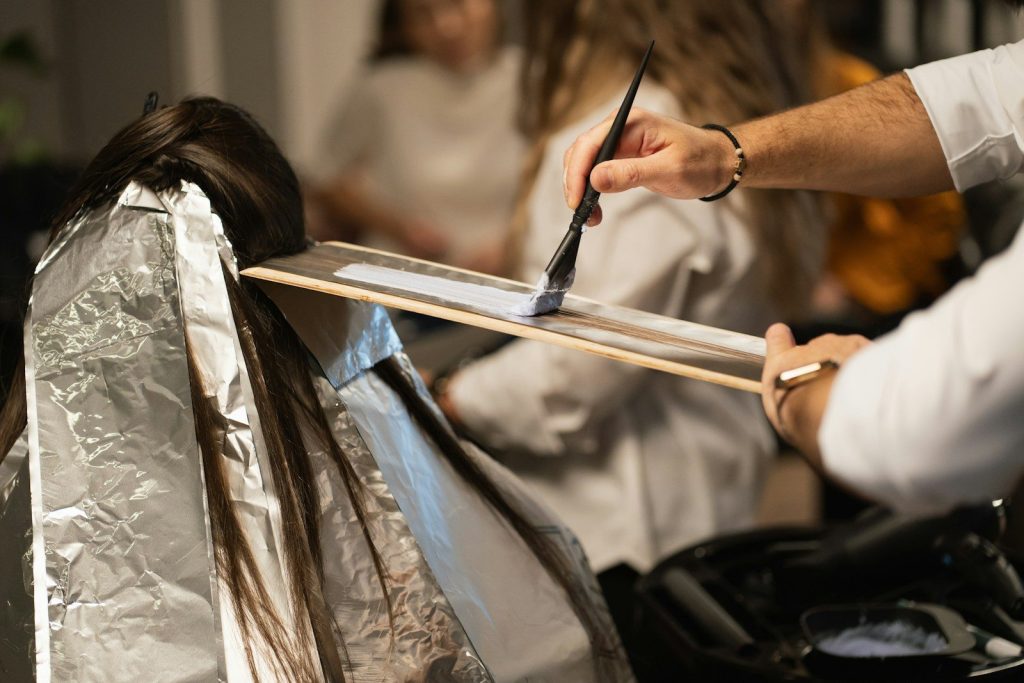
Box dye has a bad reputation that’s partly deserved and partly outdated. For someone going darker, refreshing a single shade, or covering grays on brown or black hair, at-home color works well. Brands like Garnier Nutrisse and L’Oréal Excellence have improved their formulas significantly, and the results on straightforward applications are genuinely good.
Where things fall apart is going lighter, correcting previous color, or attempting anything with multiple tones. Bleaching at home is where most color disasters originate. The chemistry is less forgiving, the margin for error is narrow, and fixing a botched bleach job at a salon typically costs far more than the original appointment would have.
3. Manicures — Do It Yourself
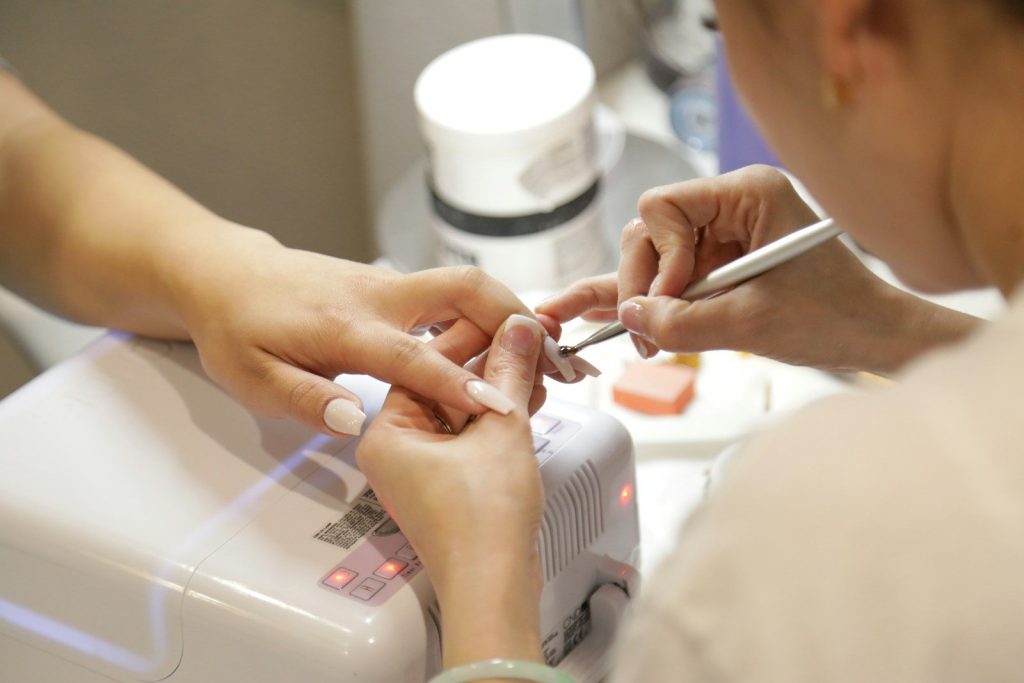
A basic manicure at a nail salon costs anywhere from $25 to $50, depending on location. Gel adds more. At home, a quality nail file, cuticle oil, a base coat, and a reliable polish runs about $30 total and lasts for months.
Gel polish kits with LED lamps have come down in price considerably and now perform close to what salons offer. The application takes practice, but after two or three tries, most people land on a result that lasts two weeks and chips less than regular polish. For anyone doing their nails more than twice a month, the math heavily favors doing it at home.
4. Haircuts — Mostly Leave to Professionals
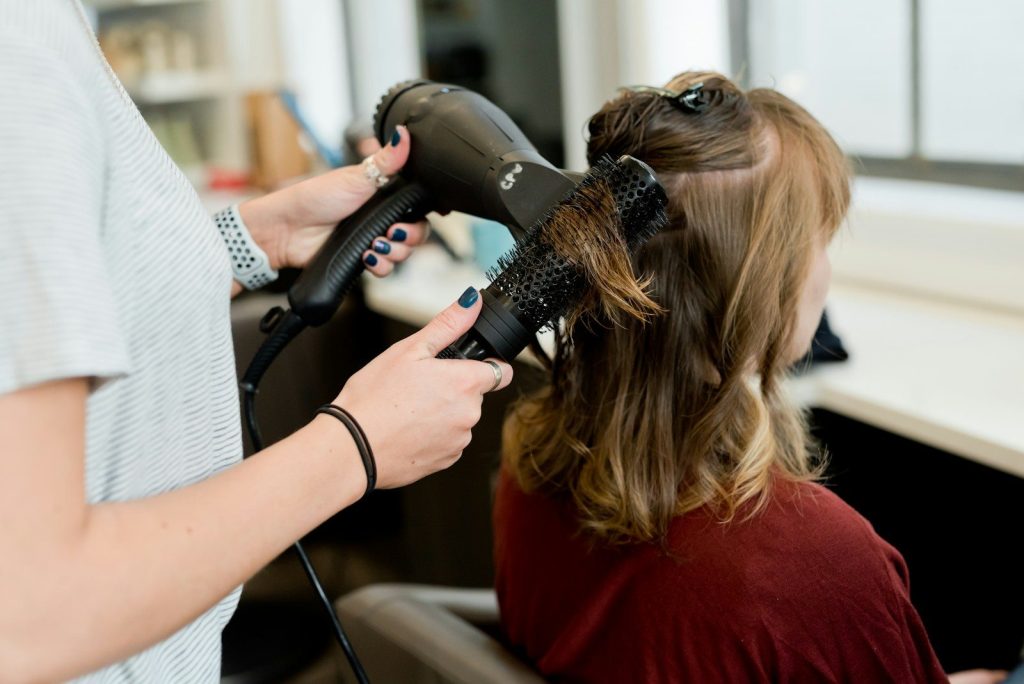
Trimming split ends or doing a basic dusting at home is low risk. Cutting actual length, adding layers, or attempting anything structural is a different matter entirely.
The problem isn’t skill so much as angle and perspective. Cutting the back of one’s own hair without mirrors set up correctly almost always produces uneven results. And once too much is removed, there’s no fixing it quickly. A good haircut from a trusted stylist every eight to ten weeks remains one of the more defensible salon expenses.
5. Facials — Split Decision
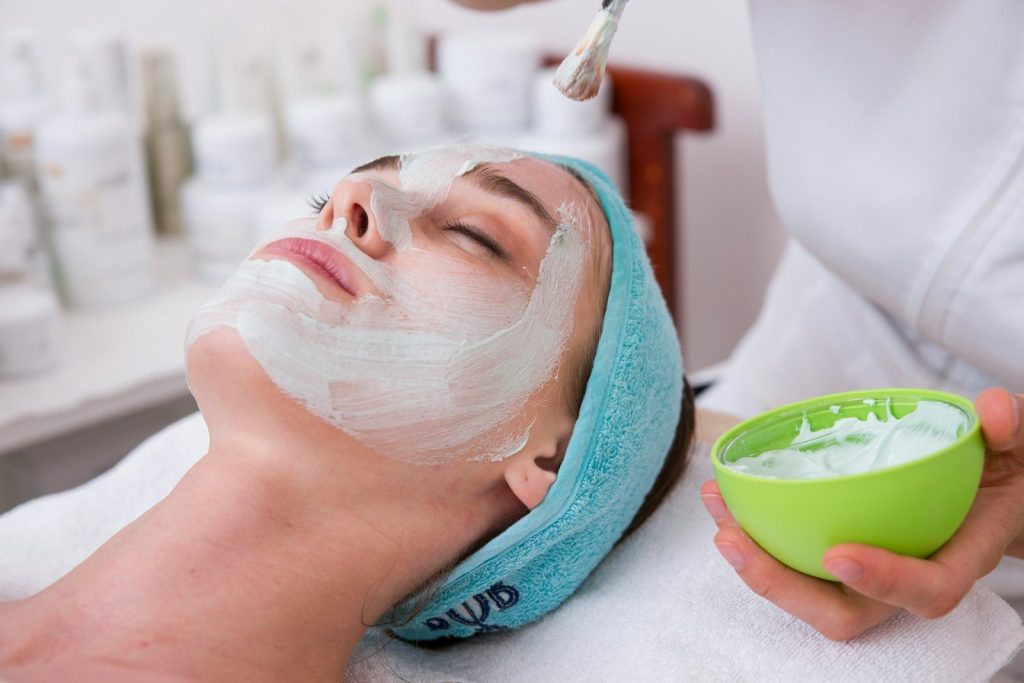
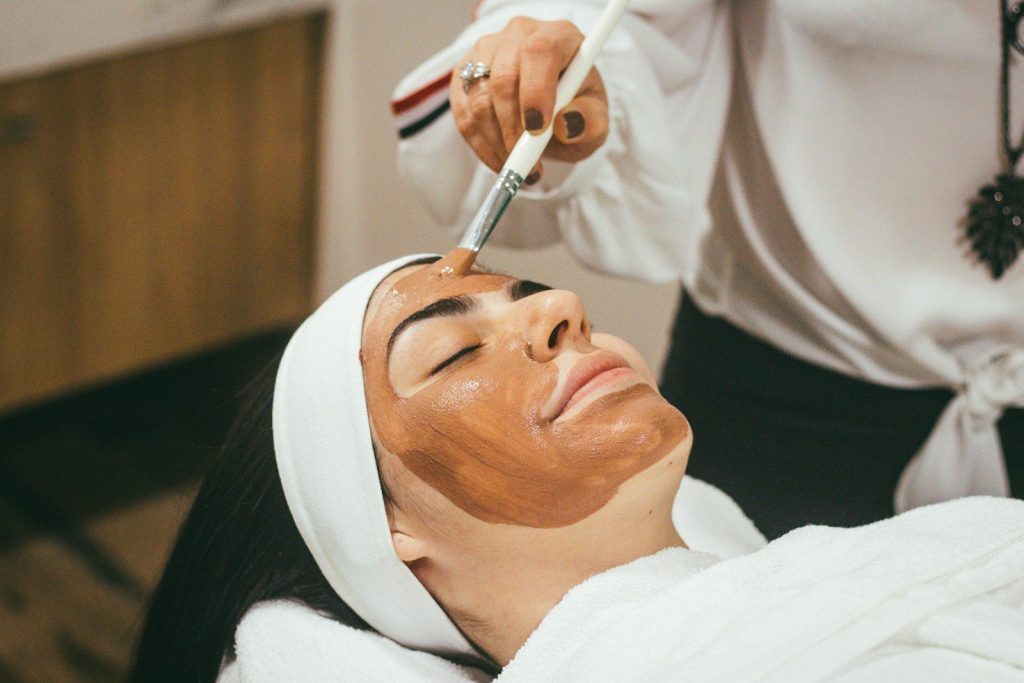
Basic at-home facials, cleansing masks, steam, and gentle exfoliation, are perfectly effective for maintaining skin between professional visits. There’s no reason to pay $80 for something a person can replicate reasonably well at home with quality products.
However, treatments involving extractions, chemical peels at meaningful concentrations, or microdermabrasion carry real risk when done incorrectly. Over-extracting can cause scarring. Misapplied chemical peels can burn. For those procedures, the professional price reflects actual expertise, not just ambiance.
6. Waxing — Mostly DIY Friendly
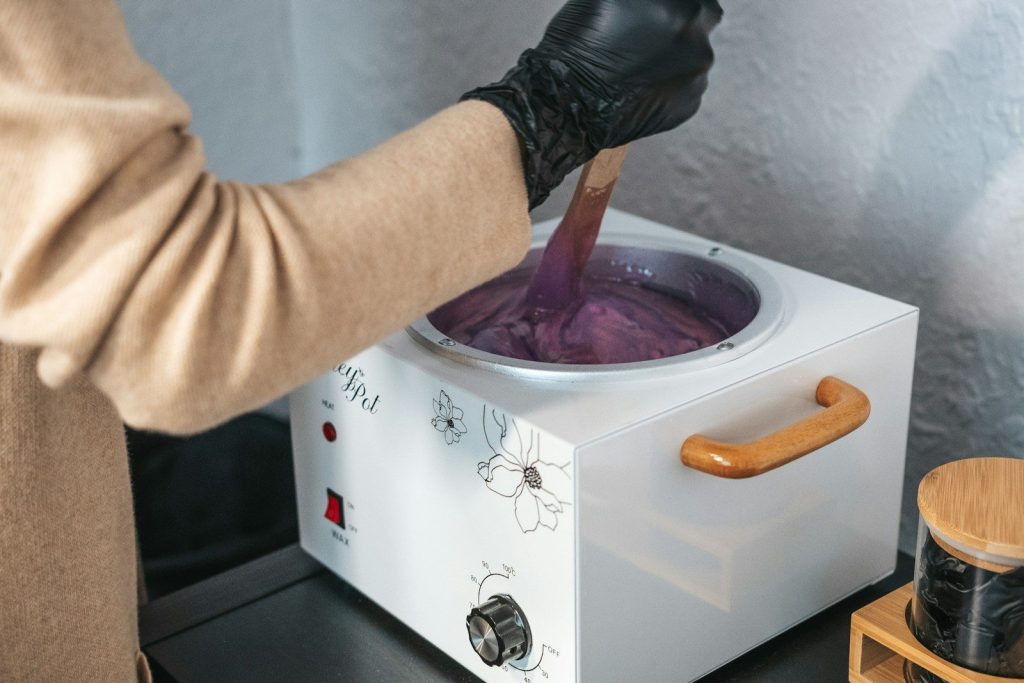
Leg and arm waxing at home is straightforward with strip wax kits. The technique takes a session or two to get right, but it’s not complicated, and the savings are real.
Bikini and Brazilian waxing is where opinions differ. The angle and access required make it genuinely difficult to do alone, and the skin in that area is more sensitive. Many people find that area worth outsourcing. Everything else is fair game.
7. Hair Treatments — Read the Label
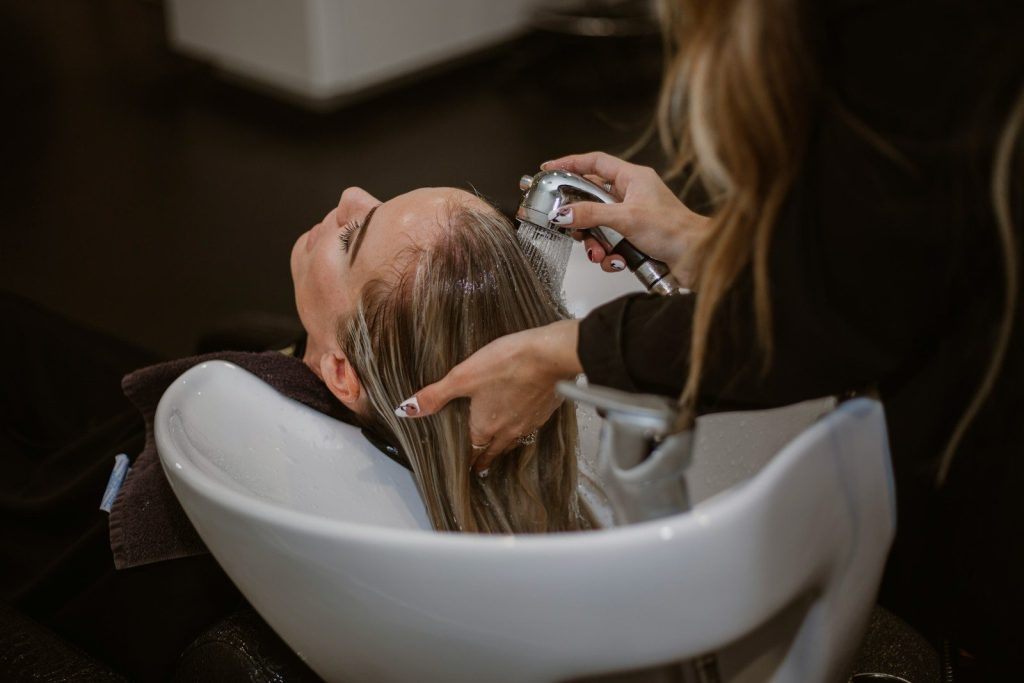
Deep conditioning masks, protein treatments, and scalp oils are all reasonable DIY territory. Brands like Olaplex have made professional-grade bond-building treatments available for home use, and they work.
Keratin smoothing treatments are trickier. The at-home versions are less potent than salon formulas, which is sometimes a feature rather than a flaw. Salon keratin treatments use higher concentrations of formaldehyde or its alternatives and require proper ventilation. For anyone without that, the salon version is the safer call.
8. Lash Extensions — Leave It
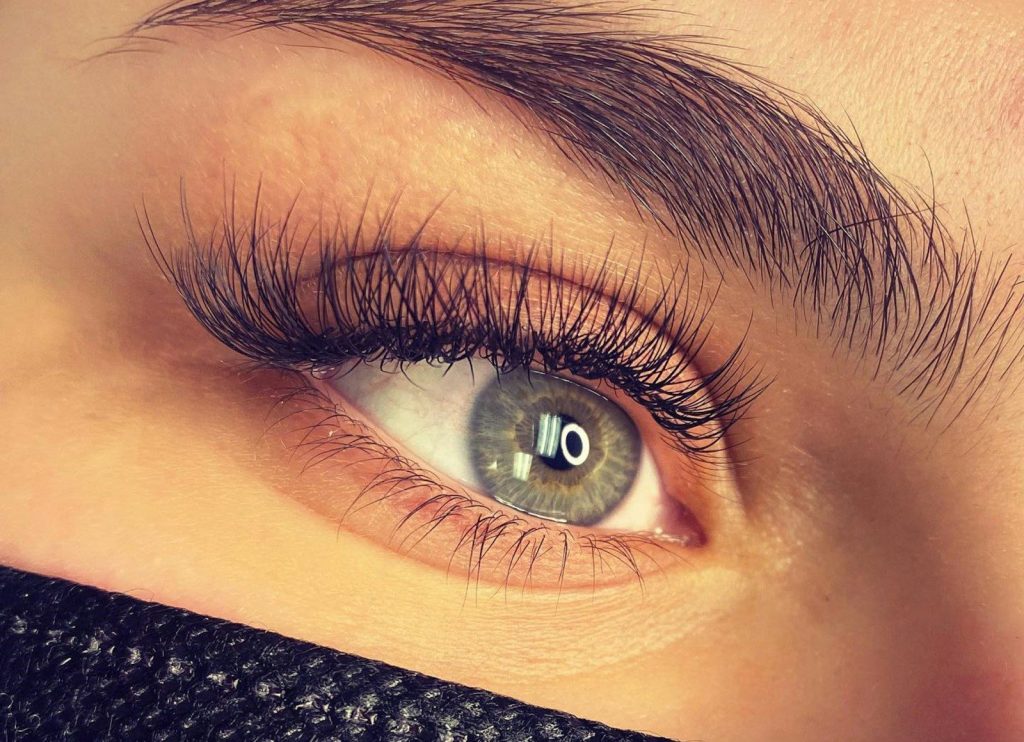
This one isn’t close. Lash extensions applied at home, whether strip lashes or individual clusters bonded near the lash line, carry a real risk of eye irritation, allergic reaction, or damage to natural lashes if the adhesive migrates. Professional lash techs are trained to work safely in that proximity to the eye.
Lash lifts and tints done at home have also resulted in enough chemical burns that most dermatologists advise against them without professional supervision. The savings aren’t worth the exposure.
The Actual Rule
The clearest way to sort DIY from salon is to ask what happens if it goes wrong. Uneven eyebrows grow back. A patchy manicure gets removed. A bad bleach job or a chemical burn near the eye is a different category of problem entirely.
Salons earn their price on precision, safety, and correction. For everything else, the at-home options in 2026 are good enough that paying for professional help is more habit than necessity.