

Summer has a way of quietly draining bank accounts. The season practically demands spending, between travel, new outfits, cooling costs, and every social event that somehow lands between June and August.
But a growing number of women have figured out how to keep summers full without keeping them expensive. These are the tips that actually show up in group chats and comment sections, not on glossy magazine covers trying to sell something.
1. Swap SPF Products Strategically

Sunscreen is non-negotiable, but $40 facial SPF is not. Many women have made the switch to Korean sunscreens, which consistently outperform pricier American brands in texture and protection.
Options like Beauty of Joseon Relief Sun or Purito’s Centella line run under $15 on Amazon and hold up through sweaty commutes. The trick is buying a few tubes at once to offset shipping costs.
2. Freeze Everything

Grocery bills spike in summer partly because fresh produce doesn’t last. Buying in bulk and freezing at peak ripeness solves this.
Grapes, sliced mango, and berries frozen on a sheet pan and bagged up make for free snacks that double as cold treats. Women who swear by this habit report cutting their weekly grocery spend by 15 to 20 percent without eating worse.
3. DIY Cooling Sprays
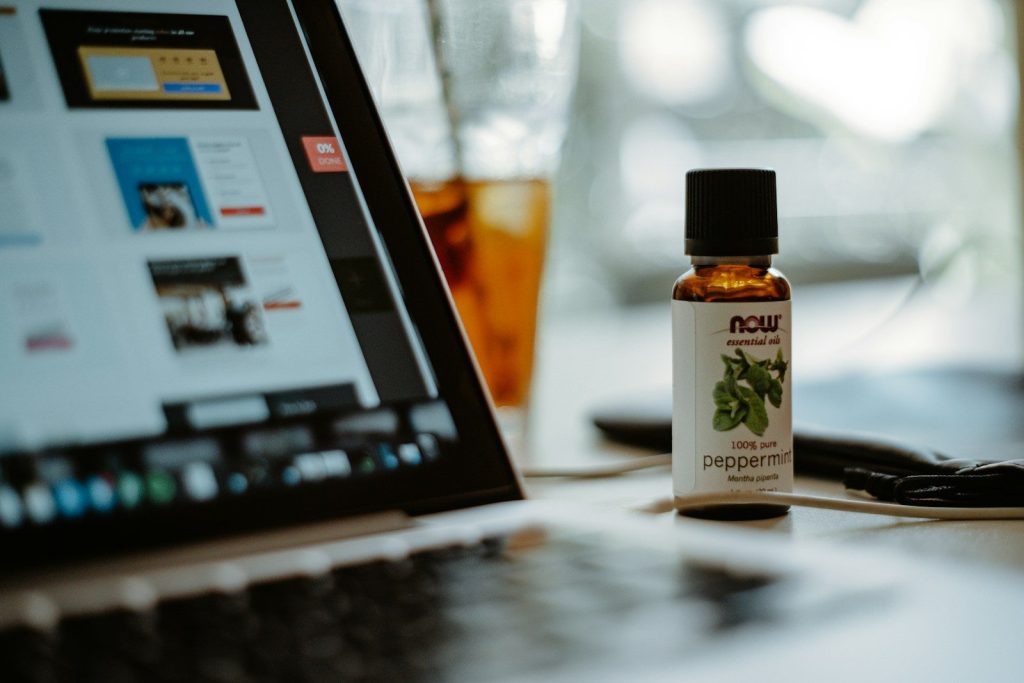
Commercial cooling mists from beauty brands can run $20 to $30 for a tiny bottle. A spray bottle filled with chilled water and a few drops of peppermint essential oil does the same job for under $3.
Some women add aloe vera gel to the mix for a thicker mist that lingers on skin. It takes about two minutes to make and fits in any bag.
4. Shop End-of-Season Sales Early

Most people think of post-summer clearance as something that happens in September. Retailers actually start marking down summer inventory in late June and early July, well before the season ends.
Swimwear, sandals, and linen pieces see the steepest cuts. Shopping those sales for the following year is a habit that pays off reliably, and by 2026, with most retailers running robust loyalty discount programs, early sign-ups often unlock additional markdowns.
5. Make Sunscreen Makeup Work Harder
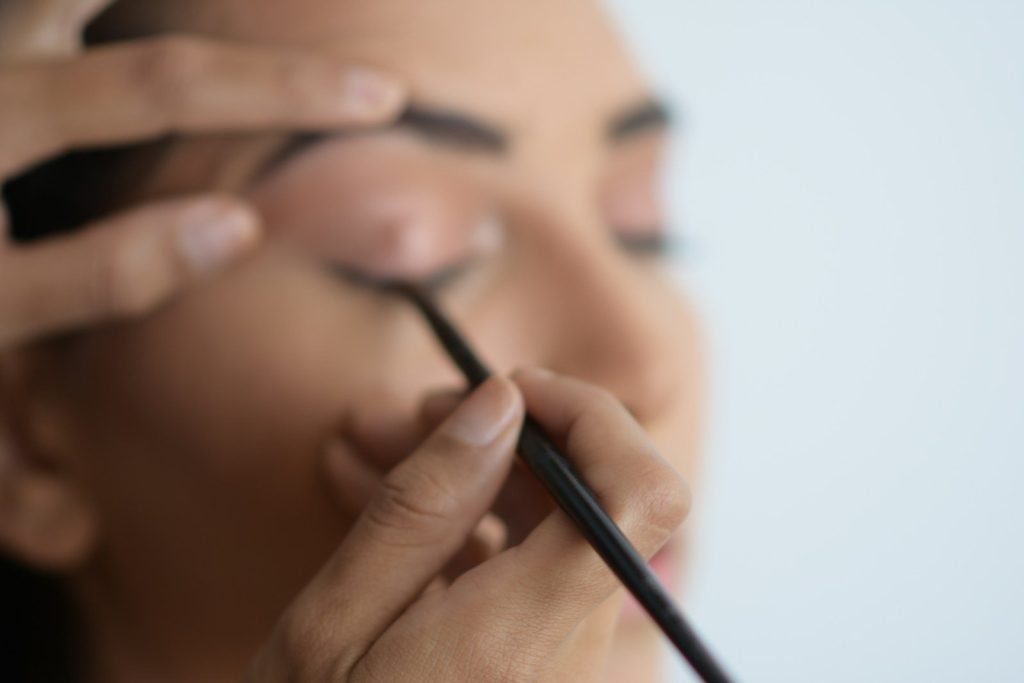
Layering SPF moisturizer, SPF foundation, and SPF setting spray sounds like overkill. Women who do it report that it eliminates the need for separate skincare steps, cutting both morning time and product costs.
E.l.f. Cosmetics’ Halo Glow line and Neutrogena’s Hydro Boost tinted SPF both stay under $20 and routinely appear on dermatologists’ affordable picks lists.
6. Rethink Air Conditioning Habits

Cooling a whole house all day is where summer budgets quietly collapse. Pre-cooling a home in the early morning hours, before peak electricity rates kick in, and then closing blinds on sun-facing windows can reduce cooling costs by a noticeable margin.
Thermal blackout curtains, available at most home goods stores for around $25 to $40 a panel, pay for themselves within a couple of billing cycles during a hot summer.
7. Host Potluck Instead of Going Out
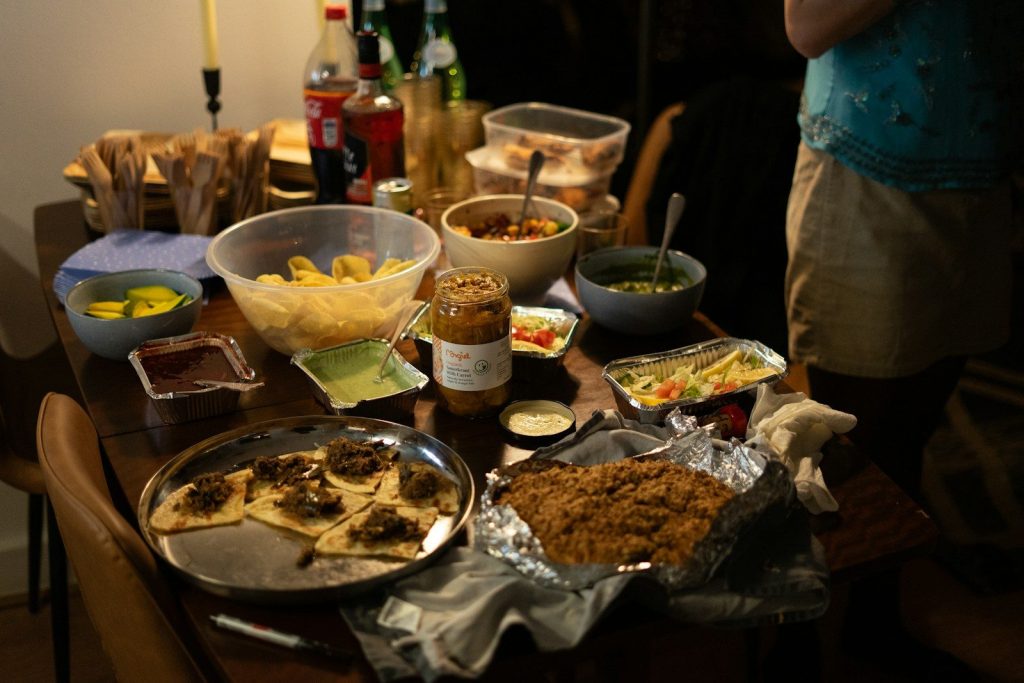
Outdoor dining and rooftop bars are expensive everywhere right now. Rotating potluck dinners among friends have quietly made a comeback.
Everyone brings one dish, nobody hosts every time, and the cost per person for a full evening out drops dramatically. Women who’ve adopted this as a summer social format often say they enjoy it more than restaurants anyway, because the conversations actually go somewhere.
8. Use Library and Park Resources Aggressively

Public libraries in most mid-size and large American cities now offer free passes to local museums, botanical gardens, and sometimes state parks. Many people don’t know this exists.
Beyond that, free outdoor movie screenings, farmers markets, and concert series fill summer calendars in almost every major metro area. Checking a city’s parks and recreation website at the start of the season takes twenty minutes and can map out weeks of free programming.
9. Buy One Versatile Piece Instead of Many Cheap Ones

Fast fashion summer hauls look affordable upfront but fall apart by August. Spending $60 to $80 on one linen dress, wrap skirt, or quality pair of sandals that works across multiple occasions tends to cost less overall than buying six $12 pieces that lose shape after three washes.
The math is straightforward, and the closet stays manageable.