
Clutter has a strange way of becoming invisible. At some point, the pile of stuff on the kitchen counter stops registering as a problem and just becomes part of the scenery.
The good news is that getting rid of it doesn’t require a professional organizer, a storage unit rental, or a weekend spent in existential crisis. Most of the best decluttering methods cost almost nothing and take less time than people expect.
1. The One-In-One-Out Rule
This one is so simple it almost sounds too easy, but it works. For every new item that enters the home, one existing item leaves. Buy a new pair of sneakers? An old pair gets donated.
Pick up a kitchen gadget? Something else in that drawer goes. The rule creates a natural ceiling on accumulation and, over time, forces more thoughtful purchasing decisions. No bins, no labels, no system required.
2. The 12-12-12 Challenge
On any given day, find 12 things to throw away, 12 to donate, and 12 to return to their proper place in the home. That’s 36 items addressed in a single session. It sounds like a lot, but most homes have more than enough candidates sitting in plain sight.
Junk mail, expired pantry items, duplicates, and things bought on impulse two years ago all count. The challenge format makes it feel more like a game than a chore.
3. Use a “Maybe” Box
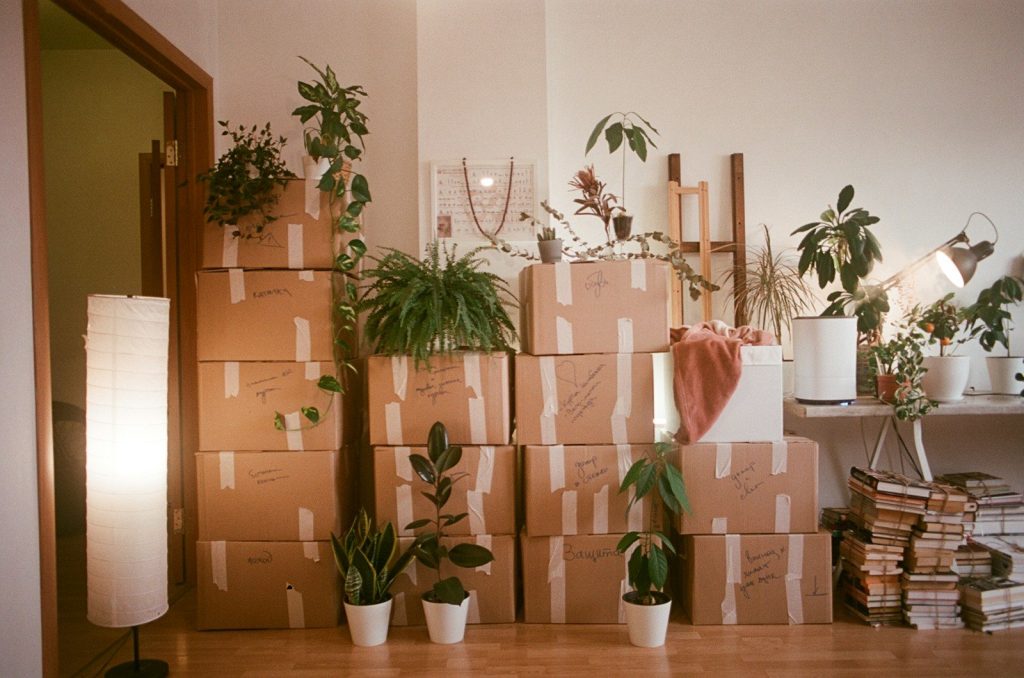
Indecision kills most decluttering attempts. The fix is a cardboard box, sealed and dated, for items that feel too uncertain to discard outright. Label it with today’s date and tuck it somewhere out of the way.
After 30 to 90 days, if nothing from the box was needed or even thought about, it goes to donation unopened. This method removes the emotional pressure of deciding in the moment and lets time make the call.
4. Tackle One Drawer at a Time
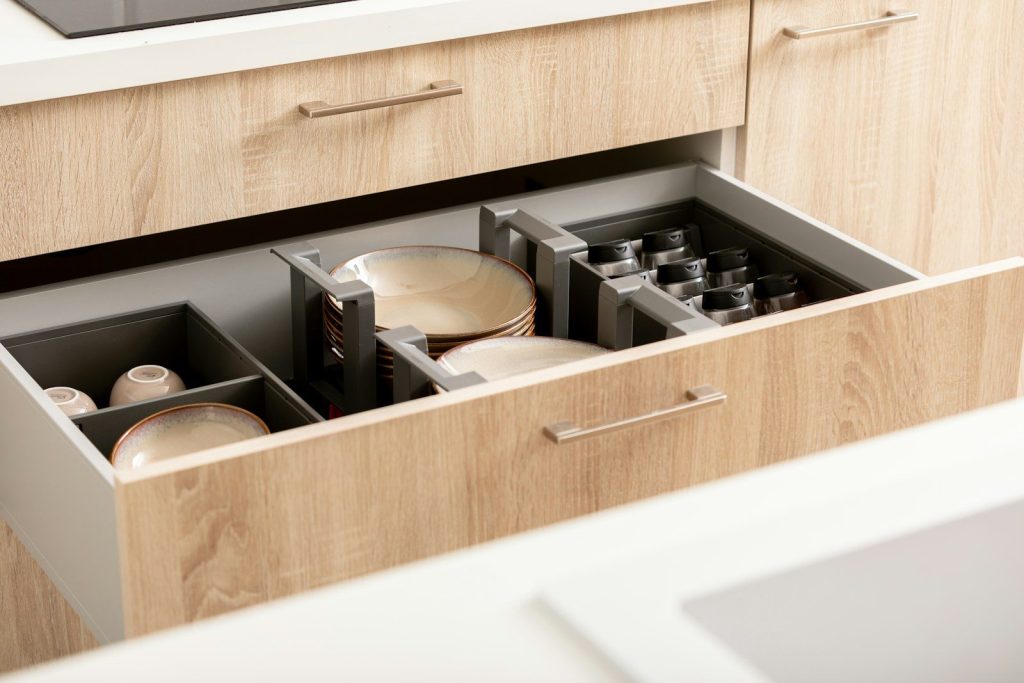
Whole-room overhauls almost always lead to burnout. Starting with a single drawer, shelf, or cabinet keeps the task manageable and produces a visible result fast.
A junk drawer cleaned out in 20 minutes feels like a genuine win. That momentum carries over. Incremental progress beats ambitious plans that stall by noon.
5. The Hanger Trick for Clothes
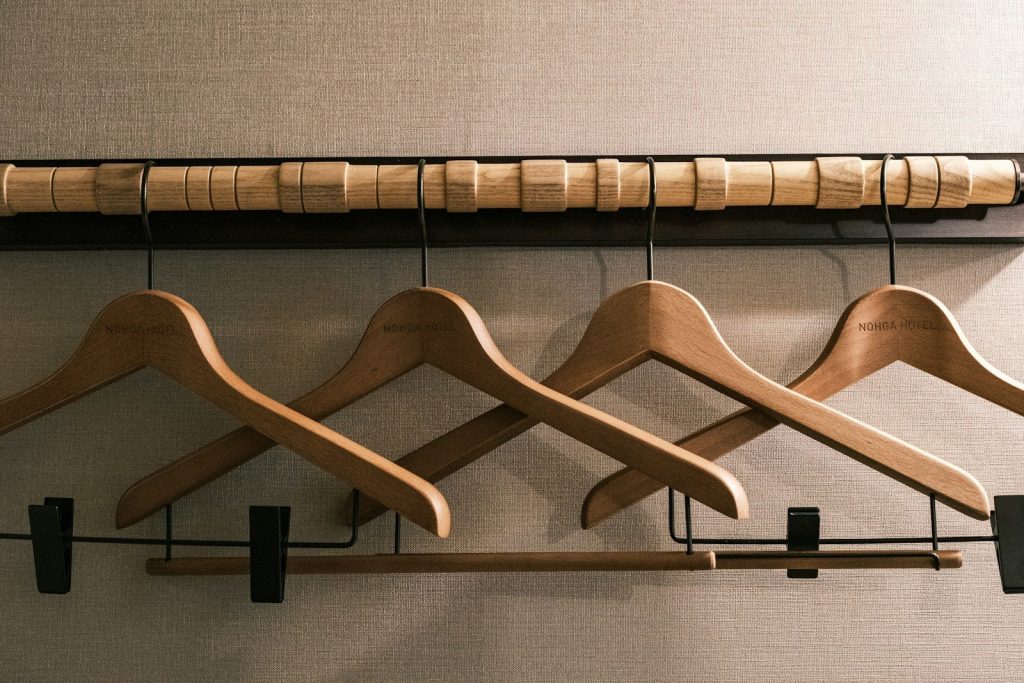
At the start of the season, hang all clothing with the hooks facing outward, away from the wall. Each time a piece is worn and returned, flip the hanger the normal way.
After 90 days, anything still hanging with the hook facing out hasn’t been touched. Those pieces are strong donation candidates. Closets routinely shed 30 to 40 percent of their contents this way, without any agonizing over individual items.
6. Digitize Paper Clutter

Paper piles are one of the most common sources of household clutter, and most of it doesn’t need to exist physically. Utility bills, receipts, insurance documents, and instruction manuals can all be photographed or scanned with a free smartphone app like Adobe Scan or Microsoft Lens and stored in a cloud folder.
The IRS accepts digital copies of most financial records. A full filing cabinet can often be reduced to a single slim folder of truly irreplaceable originals.
7. Repurpose Before You Buy Storage
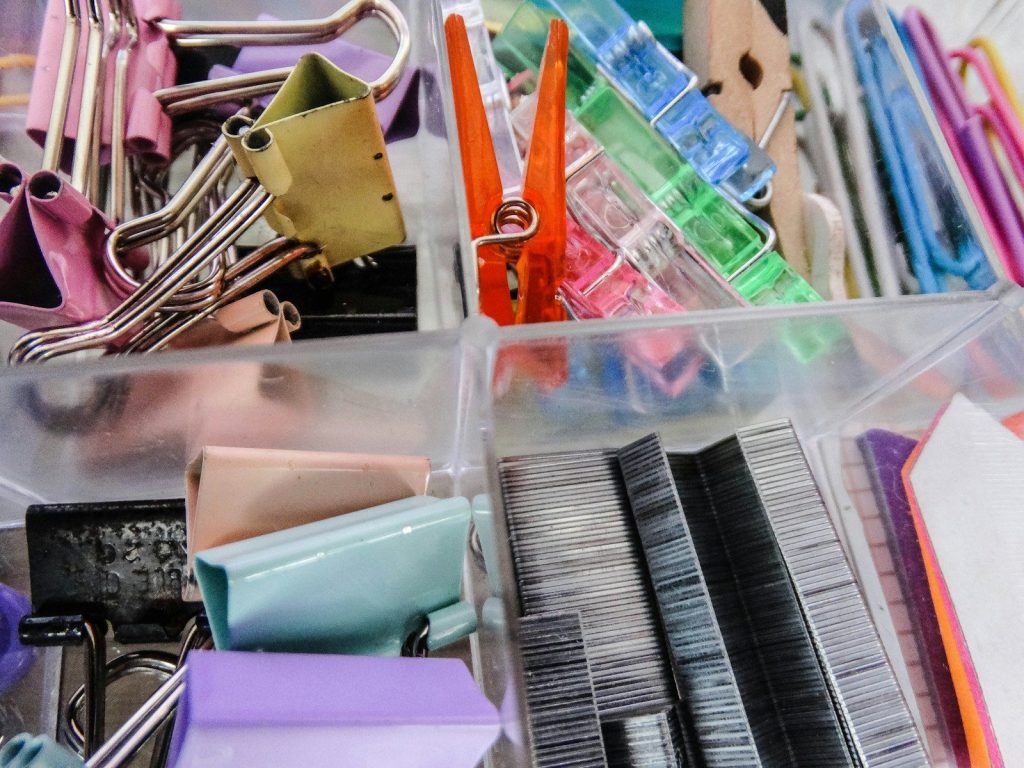
Before spending money on bins, baskets, or organizers, take stock of what’s already in the house. Shoeboxes work as drawer dividers. Mason jars corral pens, brushes, or craft supplies. An old muffin tin holds small hardware in a garage drawer.
Buying storage containers to organize clutter often just relocates the problem rather than solving it. Work with existing containers first, then decide what’s actually still needed.
8. Sell the High-Value Stuff First

Before donating everything, spend 30 minutes pulling out items that could realistically sell. Electronics, name-brand clothing, tools, and collectibles move quickly on Facebook Marketplace and OfferUp.
In 2026, local pickup listings often sell within 48 hours. Even modest returns, say $80 to $150, make the whole effort feel more worthwhile and can fund a small organizational upgrade if one is genuinely needed.
9. Make It a Habit, Not an Event
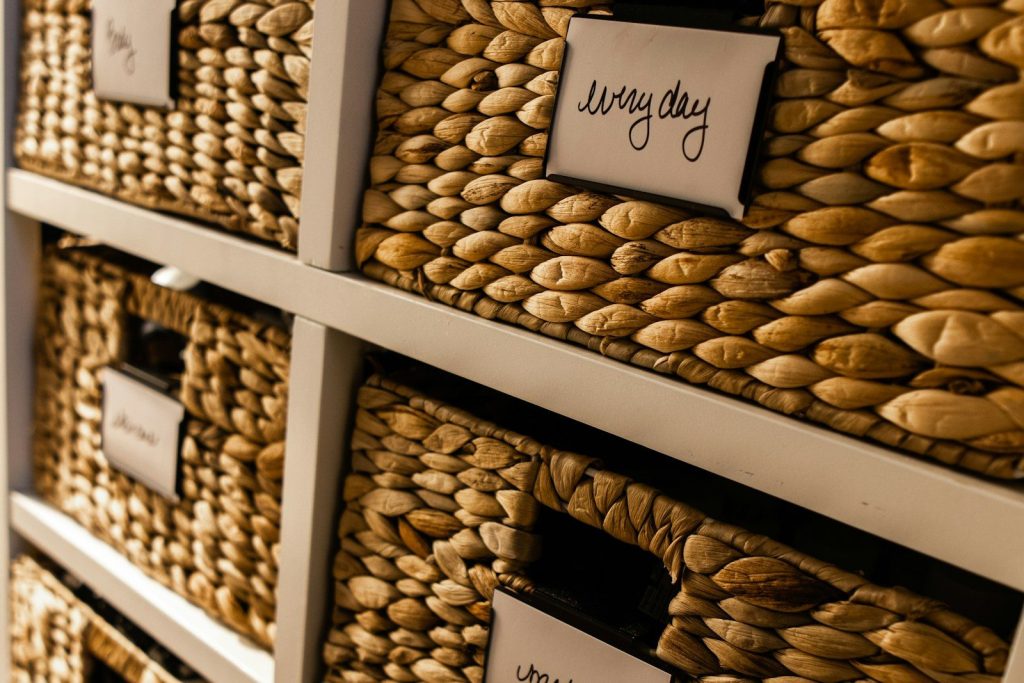
The difference between a tidy home and a chronically cluttered one often comes down to frequency. Spending five to ten minutes each evening returning things to where they belong prevents the buildup that makes decluttering feel like a major project.
Some people call it a “reset,” others just call it putting things away. Either way, keeping up with small resets consistently means the big overhaul rarely becomes necessary again.