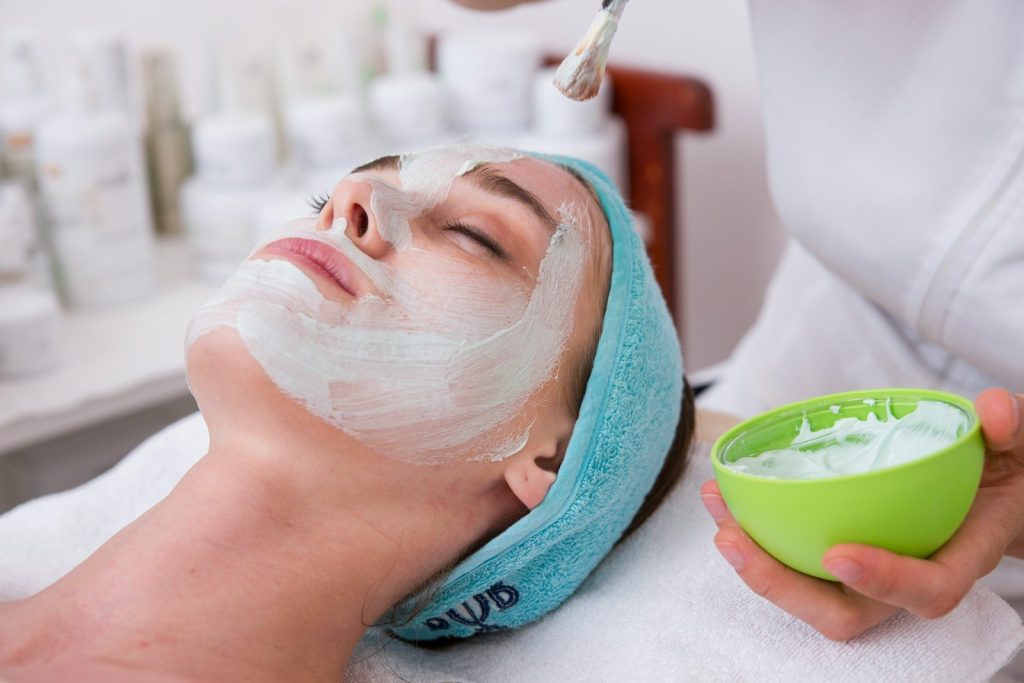

The average American spent over $300 on skincare products in 2025, and that number keeps climbing. Serums, toners, moisturizers with exotic peptides, creams promising to reverse a decade in four weeks. Most of them work, to varying degrees. But a surprising number of ingredients already sitting in kitchen cabinets and bathroom drawers perform similar functions for a fraction of the price. Not as replacements for dermatologist-recommended treatments, but as solid, research-backed alternatives for everyday maintenance.
1. Petroleum Jelly
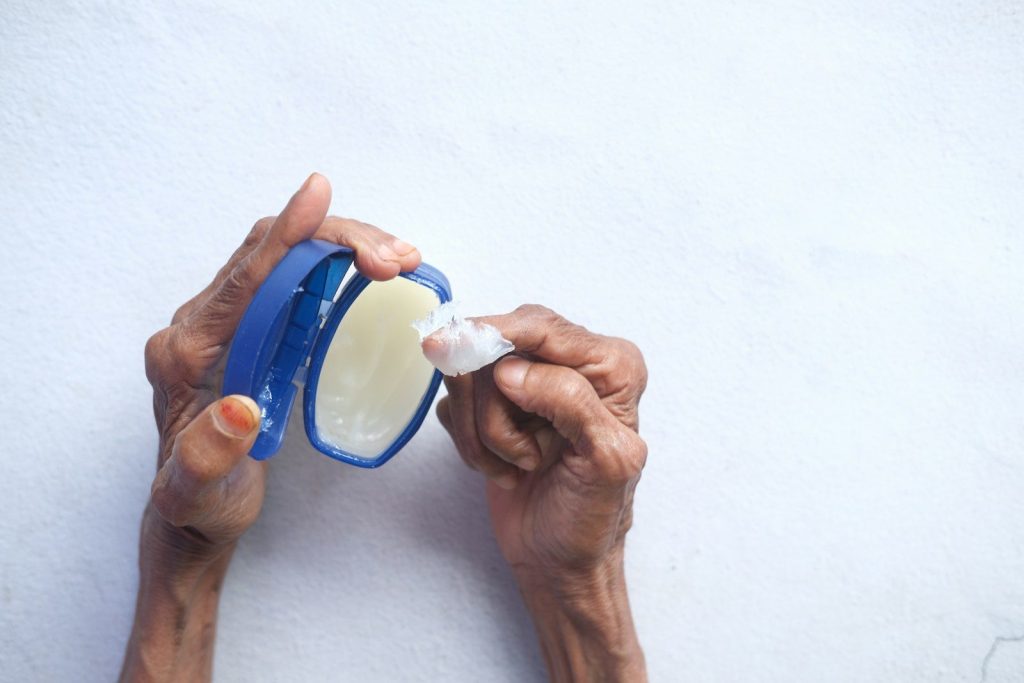
Vaseline has been around since 1870, and there’s a reason it hasn’t been replaced. As an occlusive moisturizer, it forms a barrier over the skin that locks in water and prevents transepidermal water loss better than most premium products on the market.
Dermatologists sometimes call this “slugging,” applying a thin layer over your regular moisturizer before bed. It works especially well on dry patches, cracked heels, and chapped lips. A large tub costs under $5 and lasts months.
2. Oat Flour or Colloidal Oatmeal
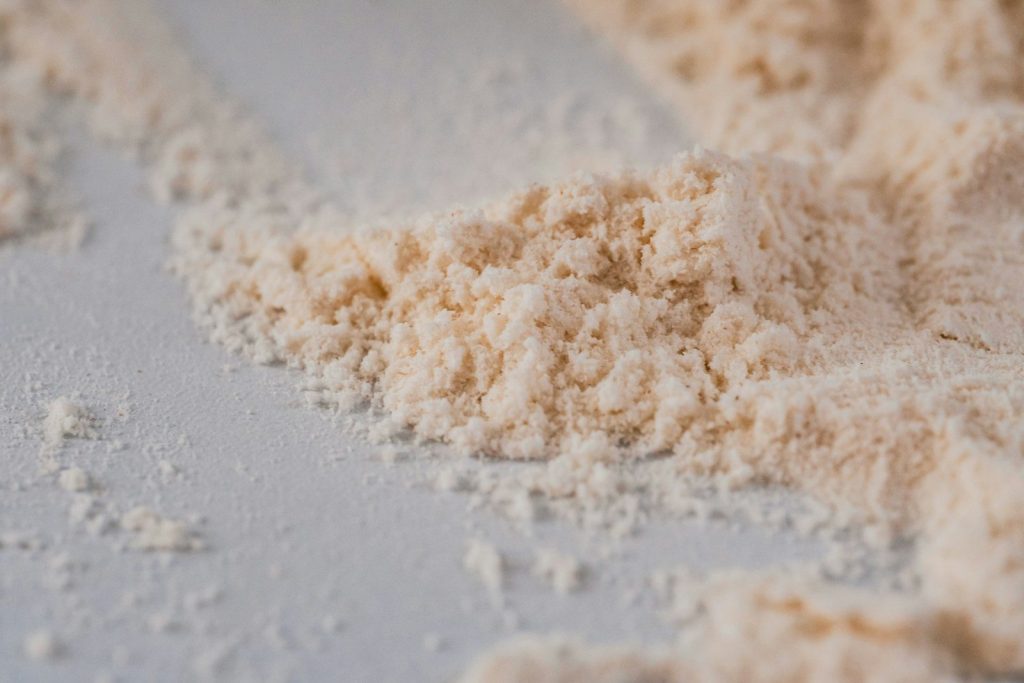
Plain oats ground into a fine powder have legitimate clinical backing. The FDA recognized colloidal oatmeal as a skin protectant in 2003, and studies have consistently shown it reduces itching and inflammation associated with eczema and dry skin.
You can grind rolled oats at home in a blender and add the powder to a lukewarm bath or mix it with water to make a quick calming mask. Aveeno built an entire product line on this concept. The store-brand version does the same job.
3. Aloe Vera
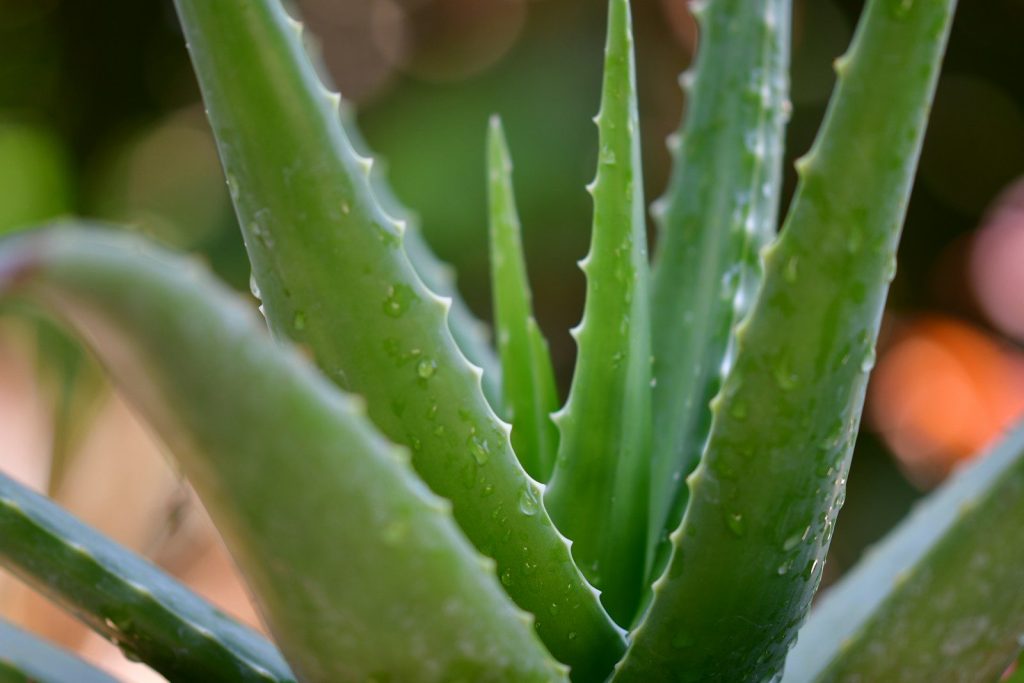
If there’s a living aloe vera plant in the house, the gel inside the leaves is one of the more underrated daily moisturizers available. It absorbs quickly, contains compounds like acemannan that support wound healing, and has been shown in multiple studies to reduce redness and support collagen production with regular use. Fresh gel straight from the plant is more potent than most bottled versions, which often contain preservatives and diluting agents. Works well as an after-sun treatment and as a lightweight daily moisturizer for oily skin types.
4. Green Tea Bags
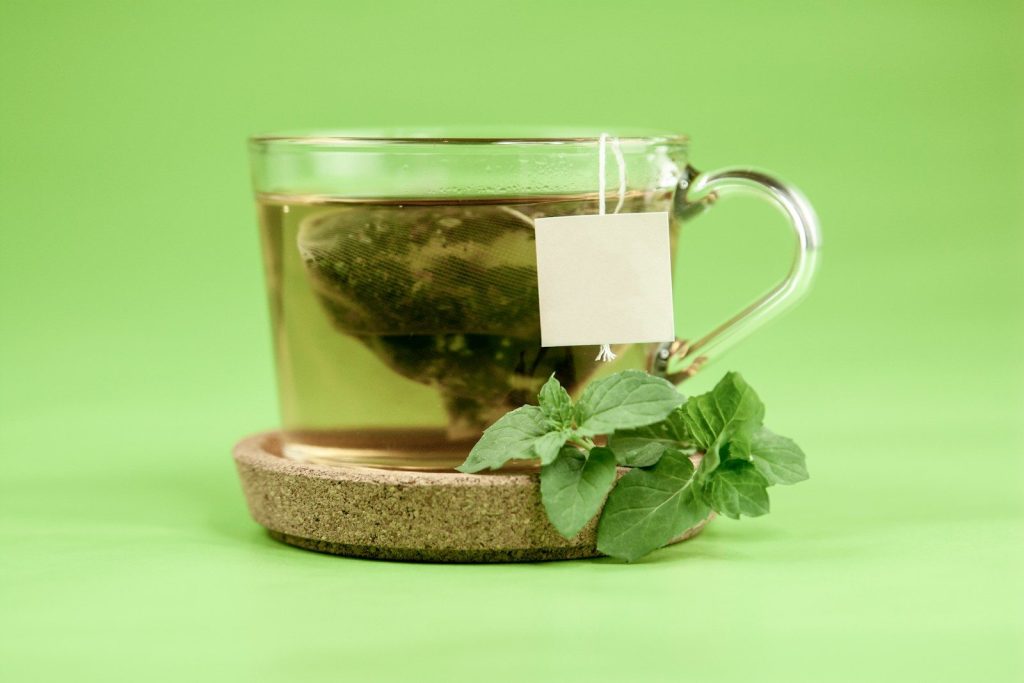
Used green tea bags shouldn’t go straight to the trash. Cooled and pressed against puffy eyes for ten minutes, the combination of caffeine and EGCG (a polyphenol with anti-inflammatory properties) visibly reduces swelling.
The same cooled tea brewed double-strength can be applied with a cotton pad as a toner. Several high-end brands charge upward of $40 for green tea toners that list the same active compound as their primary ingredient.
5. Honey
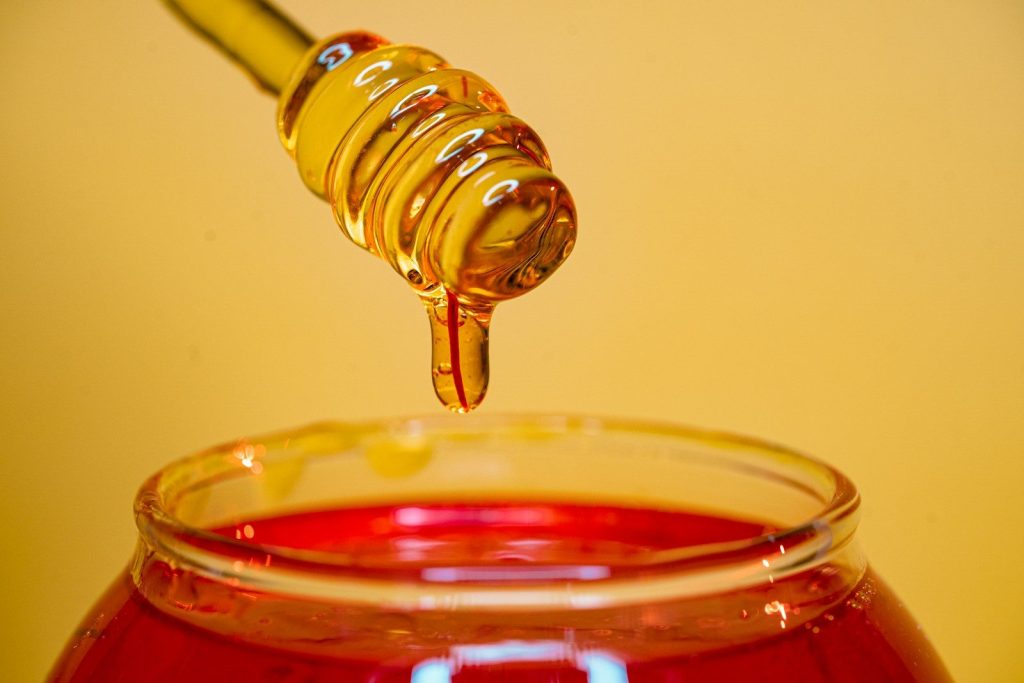
Raw honey, particularly manuka honey from New Zealand and Australia, has genuine antimicrobial properties. Its low pH, high osmolality, and the presence of methylglyoxal (MGO), a compound found in especially high concentrations in manuka, make it effective against the bacteria associated with acne.
Applied as a spot treatment or a five-minute mask, it can reduce redness on active breakouts without the dryness that comes with benzoyl peroxide. Regular raw honey from any grocery store works too, though manuka has the strongest evidence behind it. Don’t substitute flavored or processed honey products.
6. Witch Hazel

Witch hazel extract is a natural astringent derived from the Hamamelis virginiana plant and has been used as a toner in the U.S. since the 1800s. It tightens pores, removes residual oil after cleansing, and helps reduce minor irritation.
The key is finding an alcohol-free version, since the alcohol-based formulas can strip the skin barrier over time. Thayers makes a well-regarded version, but store-brand witch hazel toner sold at most pharmacies for around $3 is chemically equivalent.
7. Sunflower Seed Oil

Cold-pressed sunflower seed oil is high in linoleic acid, which research has linked to improved skin barrier function and reduced acne severity. Studies have consistently shown that linoleic acid-rich oils significantly outperform oleic acid-heavy options like coconut oil for acne-prone skin, a finding supported by multiple dermatology publications going back decades.
A bottle of food-grade sunflower oil works fine as a facial oil, applied in two or three drops after moisturizer. It’s non-comedogenic at low concentrations and costs a fraction of specialty facial oils with similar compositions.
8. Ice Cubes
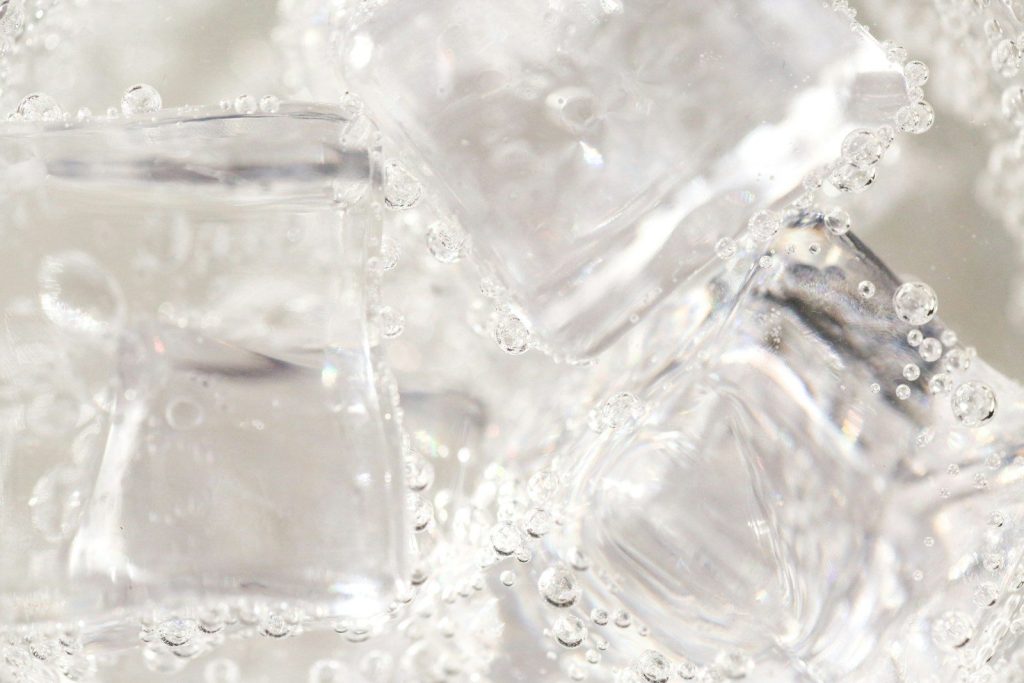
Cold therapy for the face has been a fixture of skincare routines for decades, and in recent years it’s moved firmly into the mainstream. Rubbing an ice cube wrapped in a thin cloth across the face for 60 to 90 seconds in the morning constricts blood vessels, reduces puffiness, and temporarily tightens the appearance of pores.
Some dermatologists use the same principle with cryo-tools that retail for $80 or more. The ice tray in the freezer gets there for free.
9. Baking Soda (With Caution)

Baking soda gets recommended online as a skin treatment more often than it probably should, but it does have one legitimate use: as an occasional exfoliant for rough patches on the body, like elbows and knees. Mixed with a small amount of water or body wash into a paste, it works as a mild physical scrub.
The important caveat is that it should never be used on the face. Its pH of around 9 is far too alkaline for facial skin and will disrupt the acid mantle, potentially causing irritation and increasing sensitivity over time. Used correctly on the body, though, it’s an effective and cheap alternative to pricier scrubs.