
Most people walk past the recycling bin, drop something in, and consider the job done.
That’s fine, but a surprising number of common household items have a second life in the garden that’s worth knowing about, especially as the cost of gardening supplies has crept up steadily over the past few years.
1. Cardboard Boxes
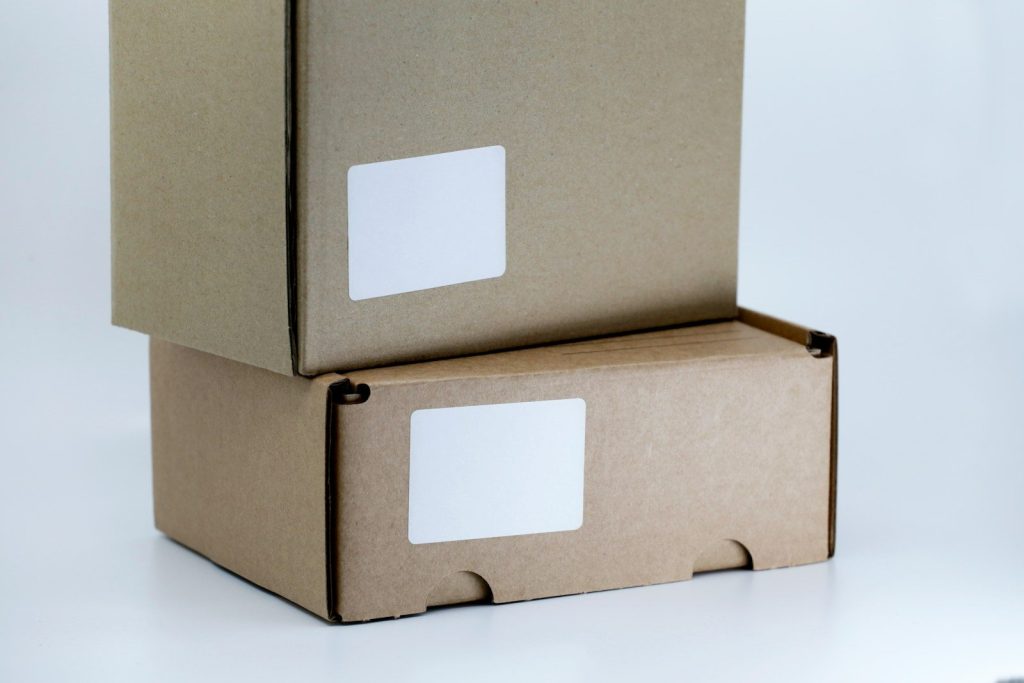
Flattened cardboard laid directly over soil works as one of the better low-cost weed barriers available. It blocks sunlight, breaks down over a growing season, and feeds earthworms in the process.
Remove any tape or staples first, then layer it two or three sheets thick and cover with mulch. It works particularly well when starting a new bed over grass without tilling.
2. Eggshells
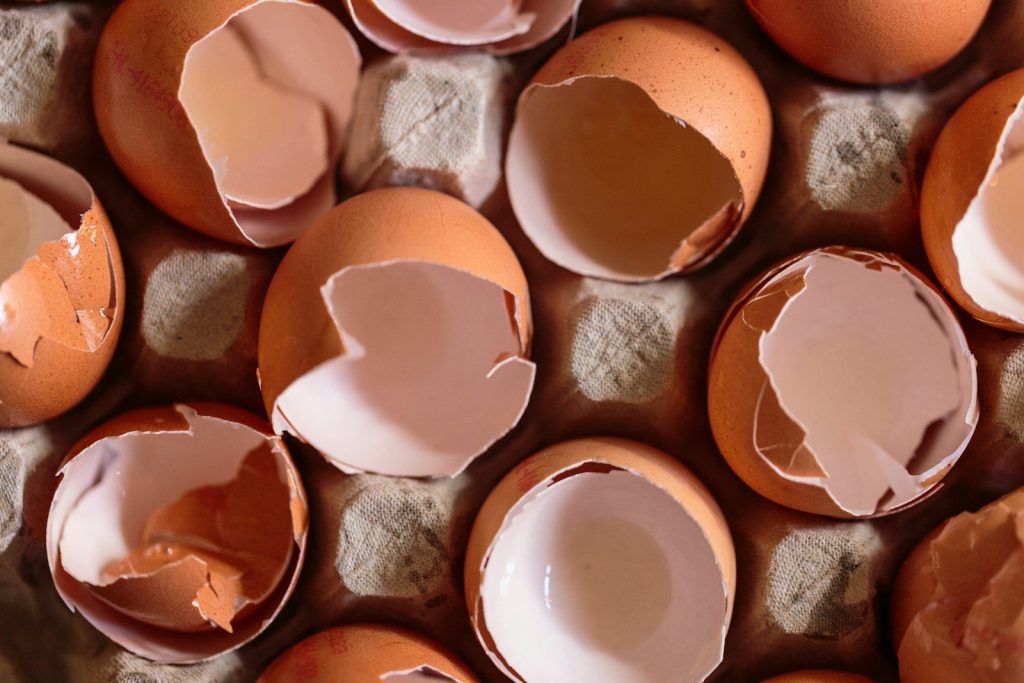
Crushed eggshells add calcium to the soil as they decompose, which is useful for plants prone to blossom end rot, including tomatoes, peppers, and squash.
Crush them finely and work them into the top layer of soil. They also create a mild physical deterrent for soft-bodied pests like slugs, though they’re not a complete solution on their own.
3. Coffee Grounds
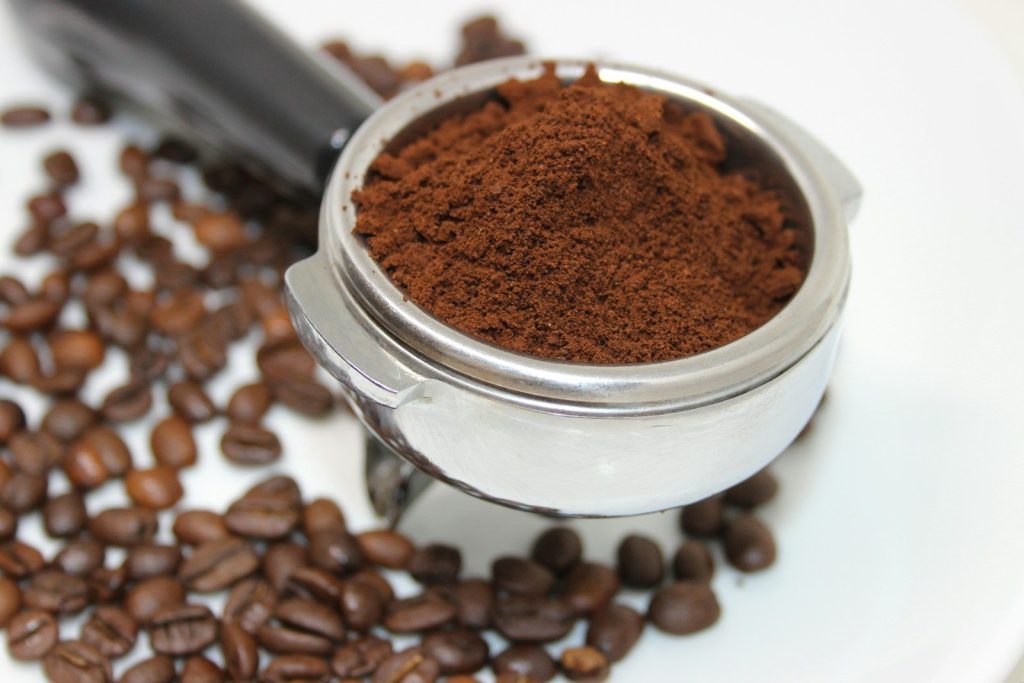
Used coffee grounds are mildly acidic and can benefit blueberries, azaleas, rhododendrons, and other acid-loving plants when mixed into the soil.
Spread them thinly across the surface rather than piling them up, since a thick layer can form a crust that repels water. Many coffee shops still give away used grounds for free if a home supply isn’t enough.
4. Plastic Milk Jugs
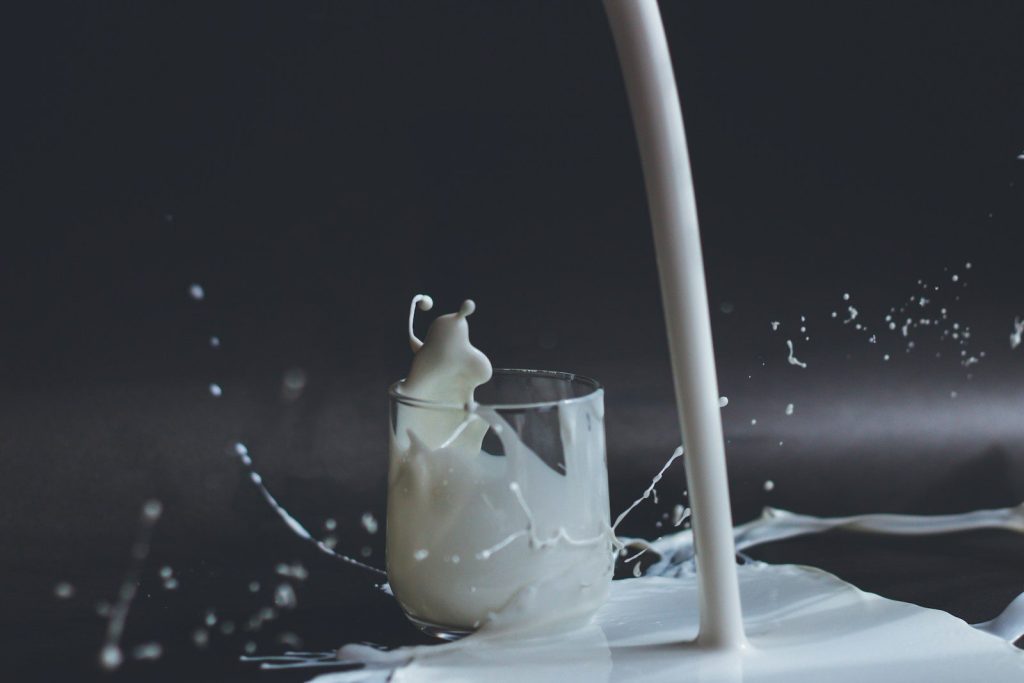
A clean, one-gallon milk jug with the bottom cut off makes a decent cold frame for seedlings, protecting tender transplants from late frosts.
Leave the cap off during the day for ventilation and replace it at night when temperatures drop. They can also be used as simple watering reservoirs by filling them and letting water drip slowly from a small hole near the bottom.
5. Old Pantyhose and Stockings
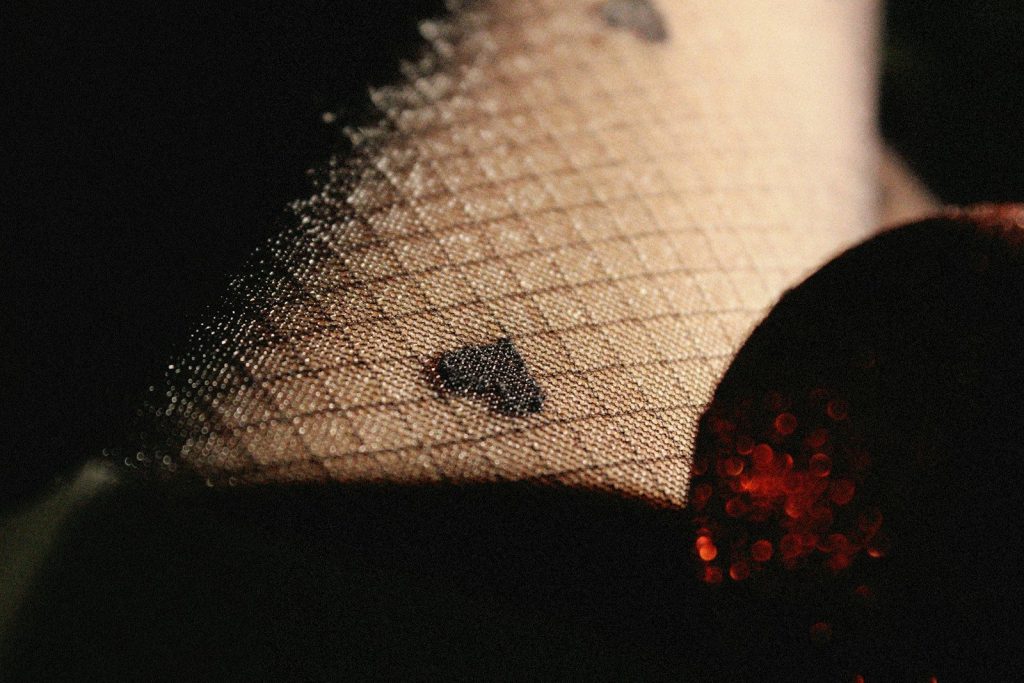
Stretched pantyhose works well as a soft tie for training tomatoes, cucumbers, or climbing roses to a trellis. It’s gentle enough not to cut into stems the way wire or rough twine can.
Cut into strips or used whole, pantyhose has about as much practical value in the garden as anything sold in the garden center for that purpose.
6. Newspaper

Like cardboard, newspaper laid in overlapping sheets suppresses weeds and breaks down relatively quickly.
Avoid glossy inserts, which contain inks that don’t decompose cleanly. Standard newsprint is fine. Wet it before laying it down so it stays put, then cover with compost or bark mulch.
7. Banana Peels
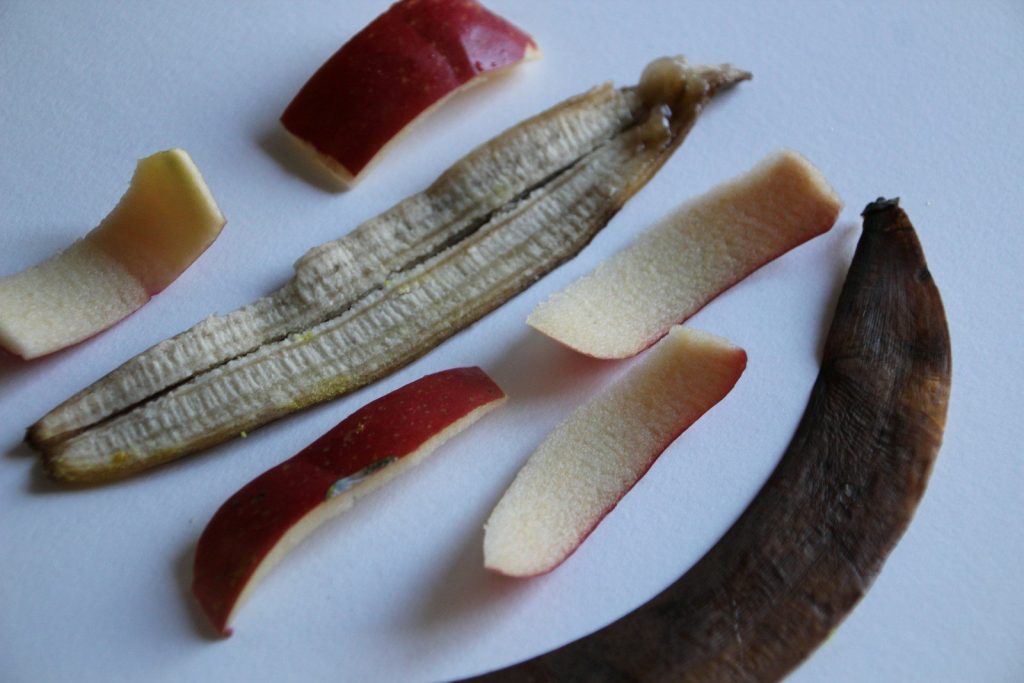
Banana peels are high in potassium, which supports root development and flowering in plants. Burying them shallowly near the base of roses or fruiting plants speeds decomposition and feeds the soil.
Some gardeners dry and grind them into a powder to sprinkle around plants, which works just as well and is easier to store.
8. Wine Corks
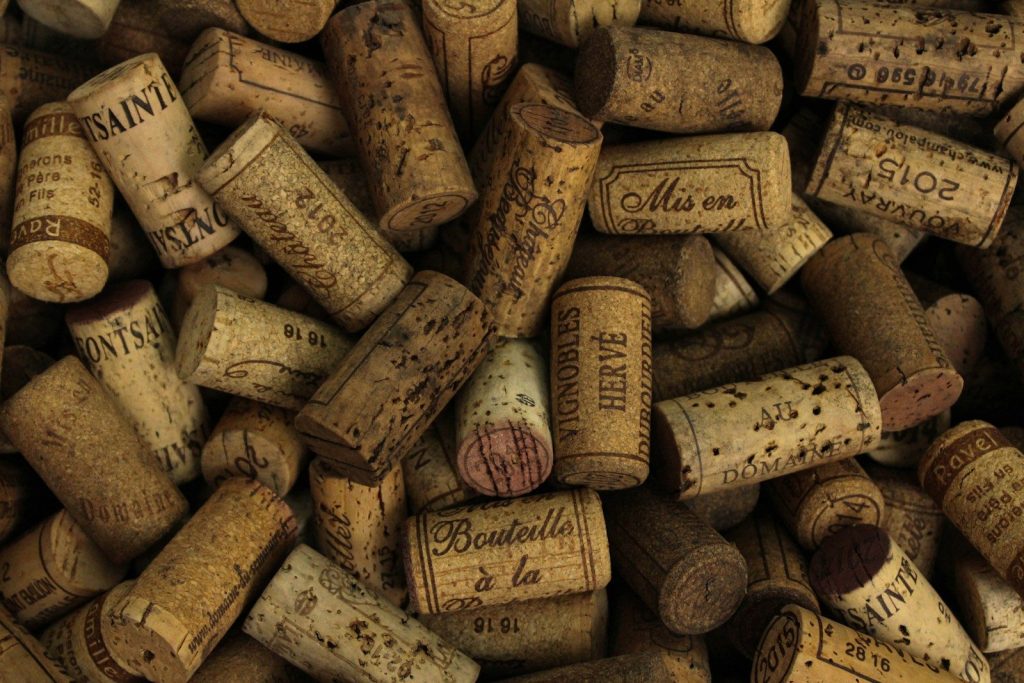
Natural cork floated in a birdbath gives bees and other small insects a safe place to land and drink without drowning. A few corks tossed in is genuinely enough.
Bees are essential pollinators, and providing a water source near flowering plants has measurable effects on pollination rates over a season.
9. Broken Terra Cotta Pots
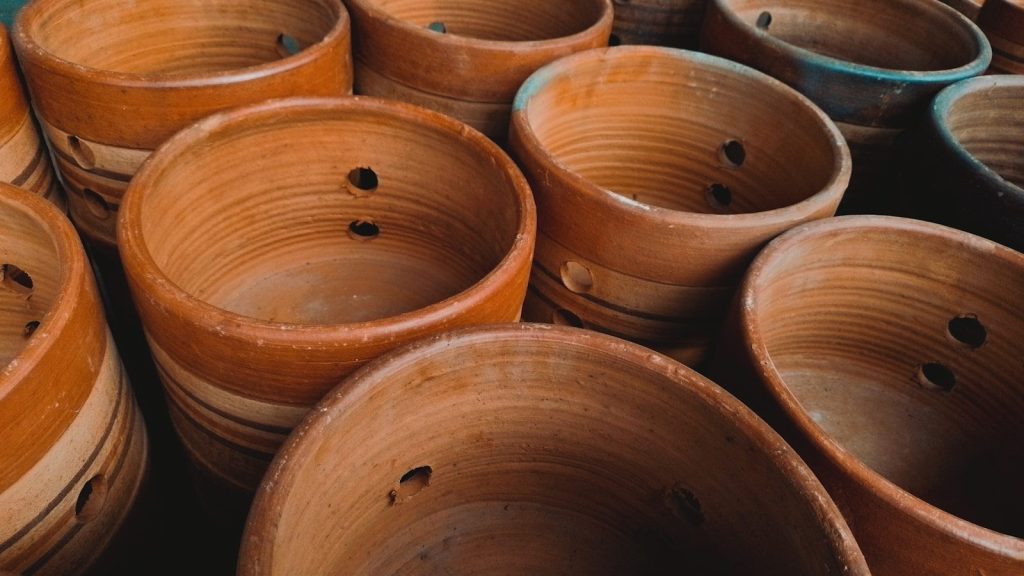
Shards from cracked or broken clay pots have a practical use at the bottom of new containers, placed concave side down over drainage holes to prevent soil from washing out while still allowing water to pass through. It’s the kind of thing most gardeners already do but don’t talk about much.
The shards last indefinitely and solve a real problem without spending anything.
Gardening doesn’t require a cart full of specialized products. A lot of what the soil and plants actually need can be sourced from what’s already headed to the trash. The key is knowing which scraps are worth saving before the bin closes.