
Americans are working differently than they were a decade ago. Remote arrangements, gig platforms, and AI-assisted workflows have completely changed what a typical workday looks like. But, despite these changes, certain states have always had a reputation for being really hardworking, and that reputation has not changed.
This list doesn’t just look into raw GDP numbers and unemployment figures. The criteria include average weekly work hours, the share of residents holding multiple jobs, labor force participation rates, and the concentration of industries known for long or physically demanding work: agriculture, manufacturing, healthcare, and construction. Eight states rise to the top of every credible measure, year after year.
1. Alaska
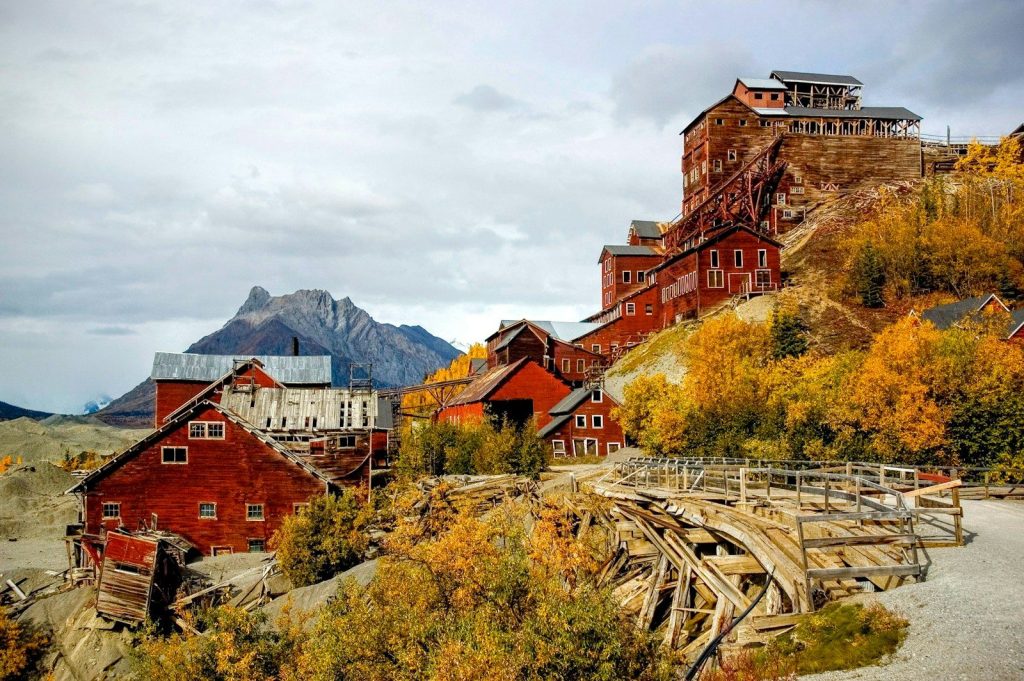
Alaska operates on a different rhythm than the rest of the country. Commercial fishing seasons are brutal, with crab and salmon crews routinely working 18-hour shifts during peak runs. Oil and gas workers on the North Slope rotate two weeks on, two weeks off, and those two weeks are relentless.
The construction season is compressed by arctic winters, so nothing moves slowly when the warm months finally arrive. High costs of living push many residents to hold second jobs, keeping Alaska near the top of national hard-work rankings year after year.
2. North Dakota
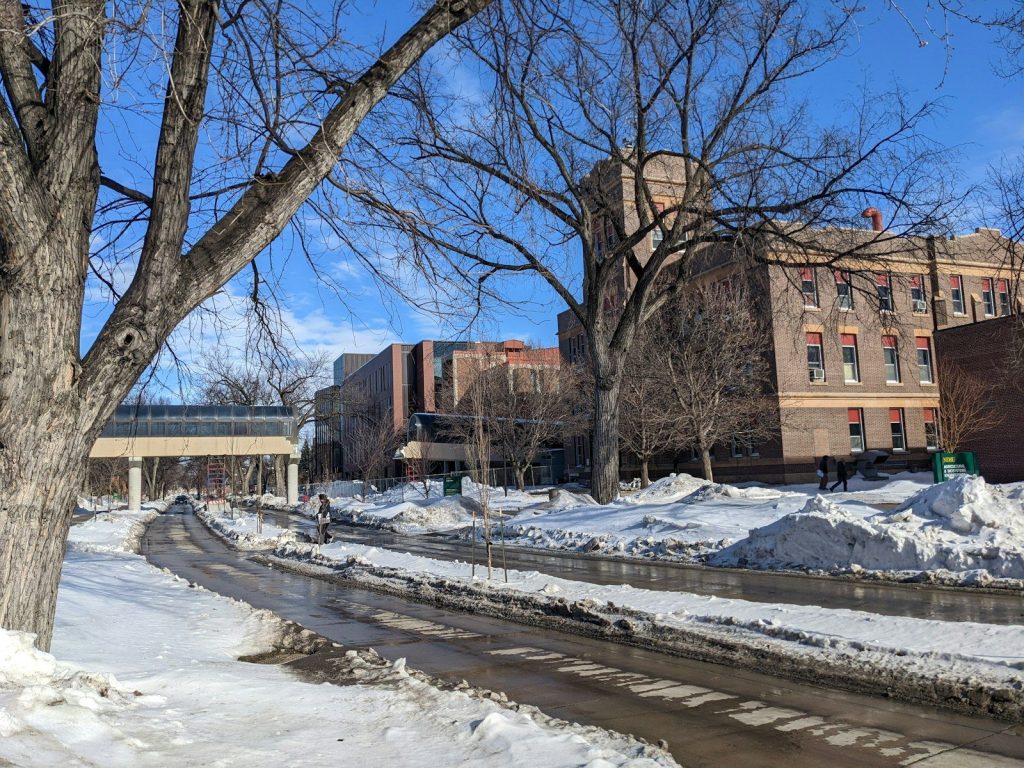
For a state with fewer than 800,000 people, North Dakota posts some of the country’s most impressive labor numbers. Its agricultural sector is enormous relative to the population, with wheat, corn, and soybean farming demanding long seasons and real physical endurance.
The Bakken shale formation brought an energy boom that reshaped the state’s labor culture, and even as oil prices fluctuate, the work ethic has remained. North Dakota routinely records one of the lowest unemployment rates in the nation, and its labor force participation sits well above the national average.
3. Mississippi
Mississippi consistently ranks among the top five states nationally for the share of residents holding more than one job. The manufacturing base drives much of that output: poultry processing, auto parts, and Gulf Coast shipbuilding are all labor-intensive industries with demanding schedules.
Agriculture remains significant as well, with the state ranking high for catfish and broiler chicken production, both requiring year-round physical effort. The combination of economic necessity and a deeply rooted willingness to keep showing up defines the character of Mississippi’s workforce.
4. Nebraska
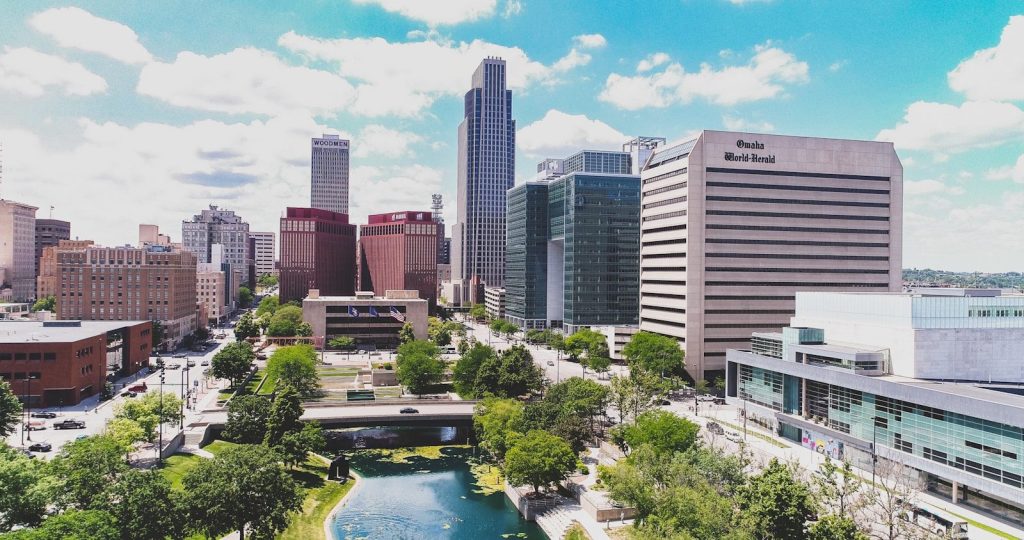
Nebraska’s economy runs on industries that do not allow downtime. Cattle, corn, and meatpacking are the three pillars, and the Omaha metro area hosts some of the largest beef-processing plants in the world, running double and triple shifts around the clock.
Beyond agriculture, Omaha has a well-established insurance and finance sector where long hours are part of the professional culture. Nebraska hovers near the top for labor force participation and near the bottom for unemployment year after year, regardless of broader economic conditions.
5. Texas
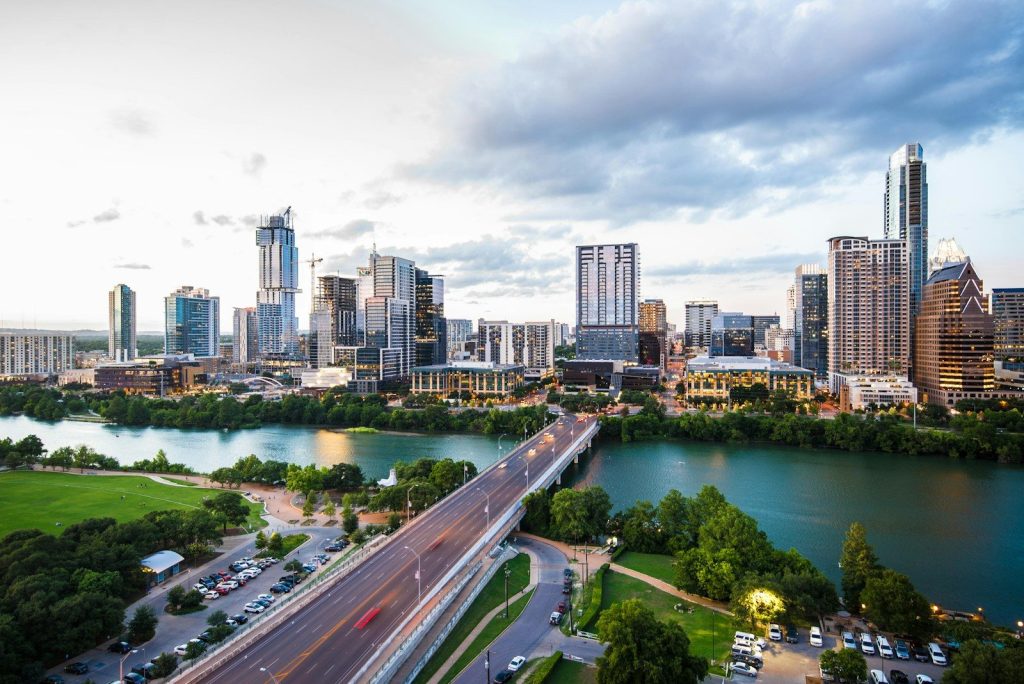
Texas holds the second-largest economy in the United States, built on an enormous volume of labor across multiple sectors. The Permian Basin remains one of the world’s most productive oil fields, where 12-hour days on rigs are standard.
A construction sector running at full speed, driven by population growth that added hundreds of thousands of new residents in 2025 alone, keeps demand for workers consistently high. Manufacturing in aerospace, semiconductors, and food processing adds further hours to the state’s total. The expectation of hard work cuts across every industry and income level.
6. Kansas
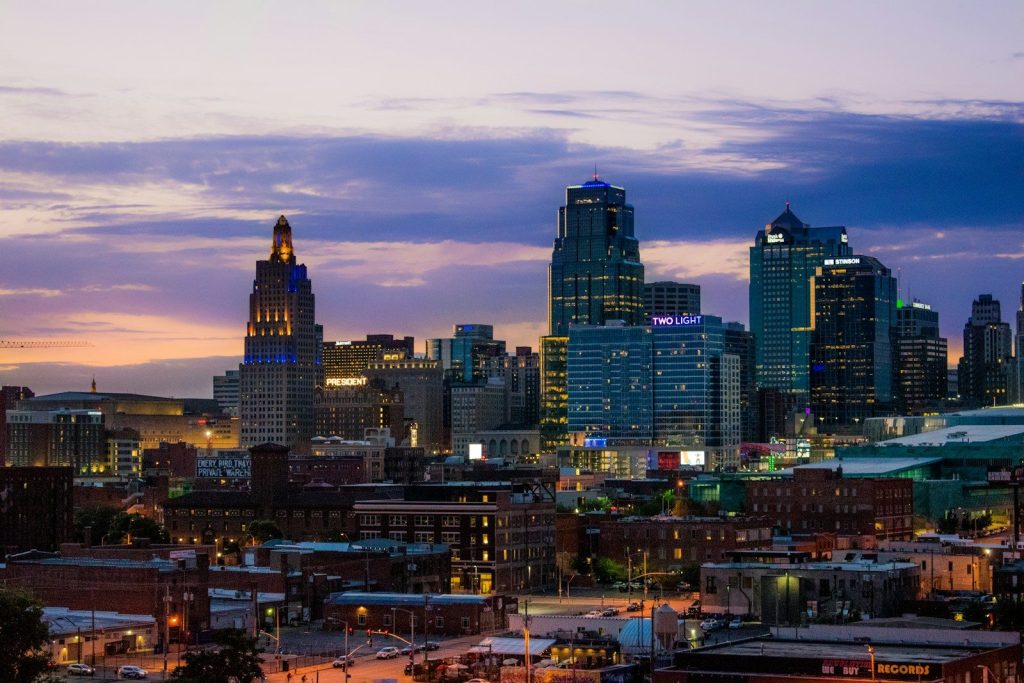
Kansas ranks among the most consistently hardworking states in the country. The wheat harvest demands combines running nearly 24 hours a day during peak season, with operators pushing through days on minimal sleep to catch dry weather windows that close fast.
Wichita, known as the Air Capital of the World, is home to major aircraft manufacturing operations where precision and long shifts are constants. Kansas also ranks high for labor force participation and low for the share of people who have stopped looking for work entirely.
7. Wyoming
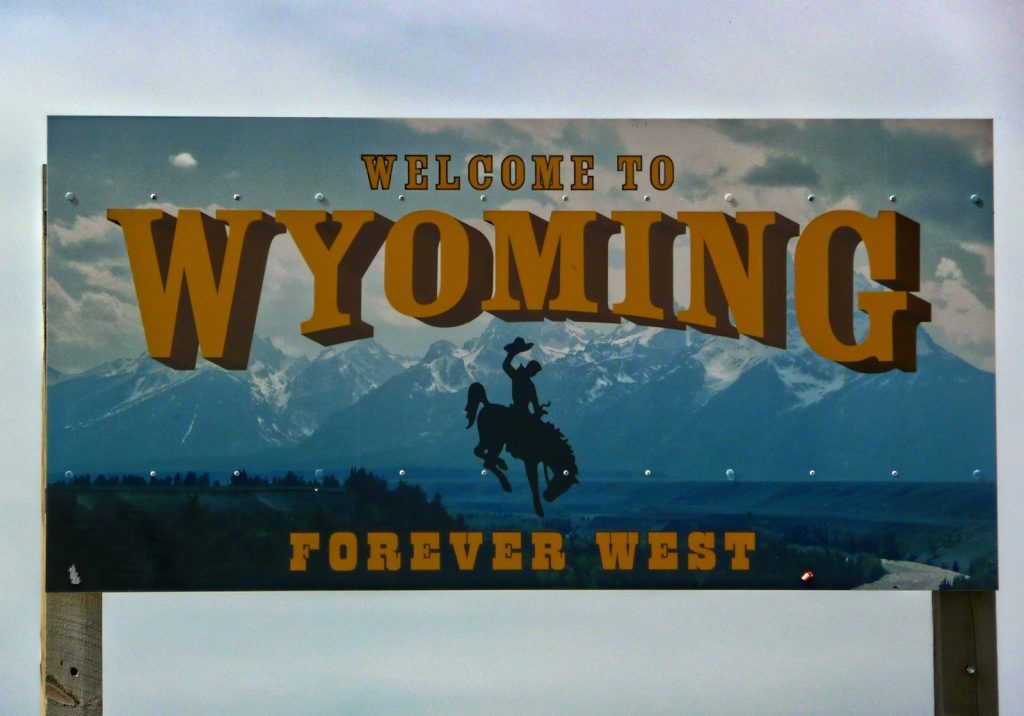
Wyoming is the least populous state in the country, yet its labor force participation rate ranks among the highest nationally. Coal mining, natural gas extraction, and trona mining form the economic backbone, all carrying expectations of long physical shifts.
Ranching remains central to the economy, and cattle operations do not follow a 40-hour week. Tourism tied to Yellowstone and Grand Teton drives seasonal hospitality employment with workers routinely logging 60-hour weeks between May and October.
8. Virginia
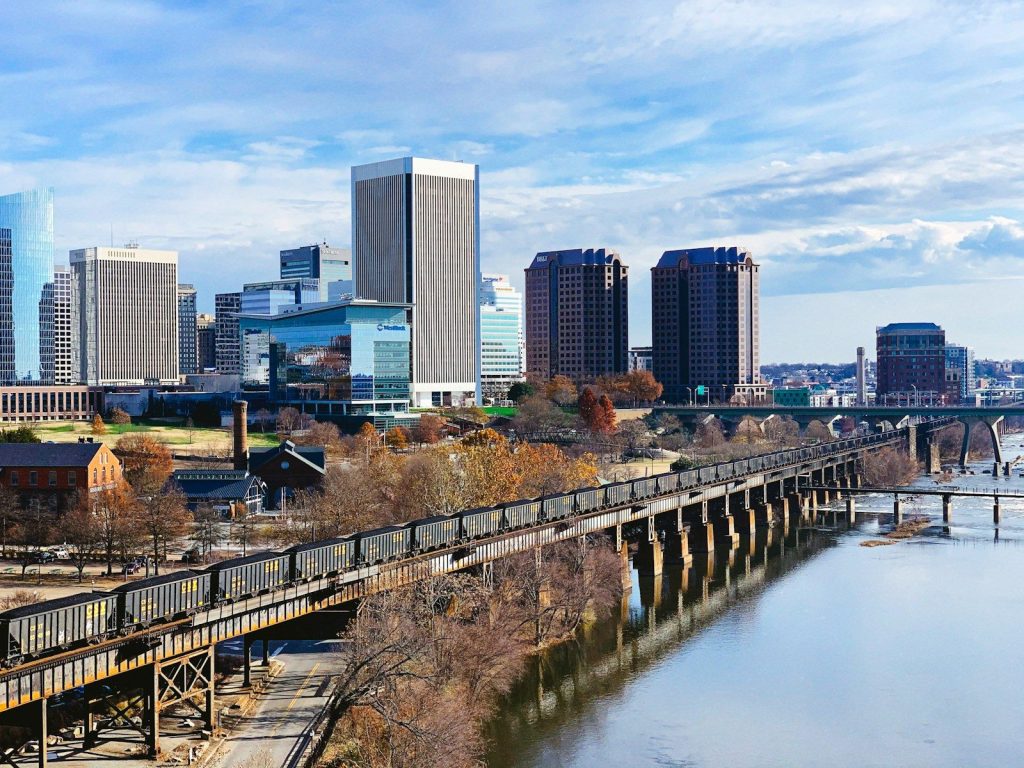
Virginia’s place on this list comes from a different kind of sustained effort. Northern Virginia hosts more federal contractors and defense firms than anywhere else in the country, with a professional culture built on long hours and constant availability.
The Hampton Roads region adds a military and shipbuilding dimension, anchored by Newport News Shipbuilding, one of the largest shipyards in the world. The two regions together create a state where the workday extends well past 5 p.m. across nearly every sector.
Resource Extraction
Nearly all eight states share economies built around resource extraction, agriculture, manufacturing, or defense. These industries are physical, time-sensitive, and unforgiving when work falls behind schedule.
Culture reinforces the numbers in states like North Dakota, Nebraska, and Kansas, where a strong work ethic functions as a community expectation rather than a personal trait. Conversations about shorter workweeks are growing louder in 2026, but for residents of these states, the seasons are short, the industries are demanding, and most people show up.