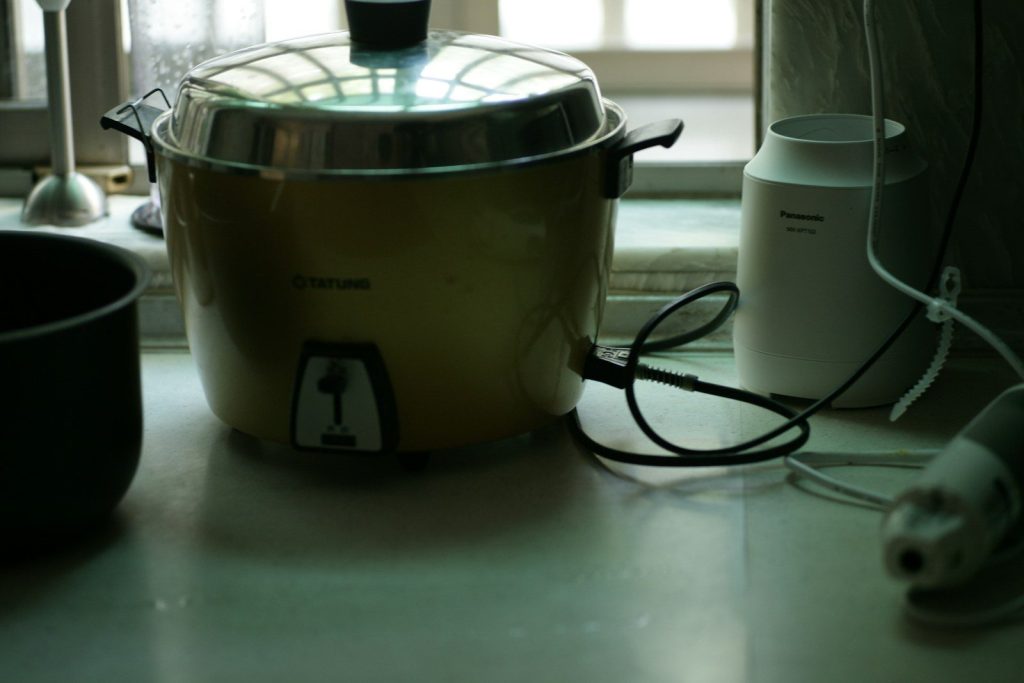

Grocery prices haven’t exactly cooled off heading into 2026. Eggs, beef, and even canned goods have crept upward for years, and the weekly trip to the store feels more expensive every time. One of the more practical responses to that squeeze has been the slow cooker, a device that sits in millions of kitchen cabinets and gets pulled out maybe three times a year. That’s a waste.
A slow cooker is built for cheap cuts, dried legumes, and whatever’s about to go soft in the produce drawer, the exact ingredients that cost the least at checkout. Used consistently, it can take a $15 grocery haul and turn it into four or five servings of something genuinely filling.
1. Split Pea Soup
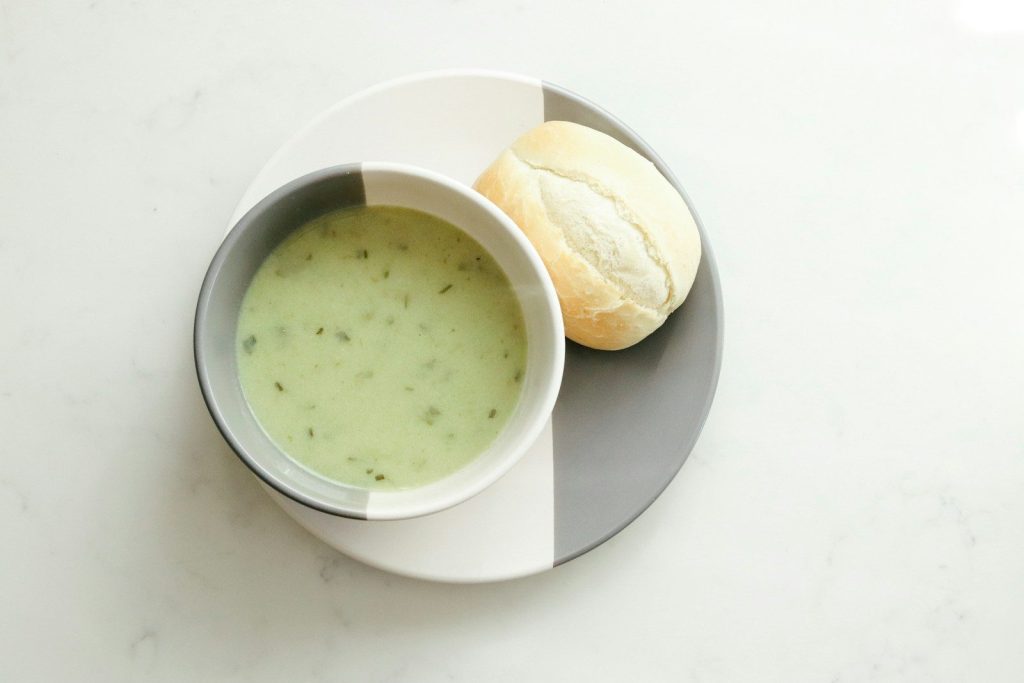
A two-pound bag of dried split peas runs about $2.50 at most supermarkets, and it makes enough soup to feed a family twice. Add a ham hock (or skip it for a vegetarian version), some diced onion, carrots, celery, garlic, and chicken broth, and the slow cooker does the rest over six to eight hours.
The peas break down completely without any blending, creating a thick, naturally creamy texture. Split pea soup is genuinely one of the cheapest meals per serving in existence. It also reheats better than most things, which matters when the goal is stretching a single cook session across multiple days.
2. Chicken Thighs With White Beans
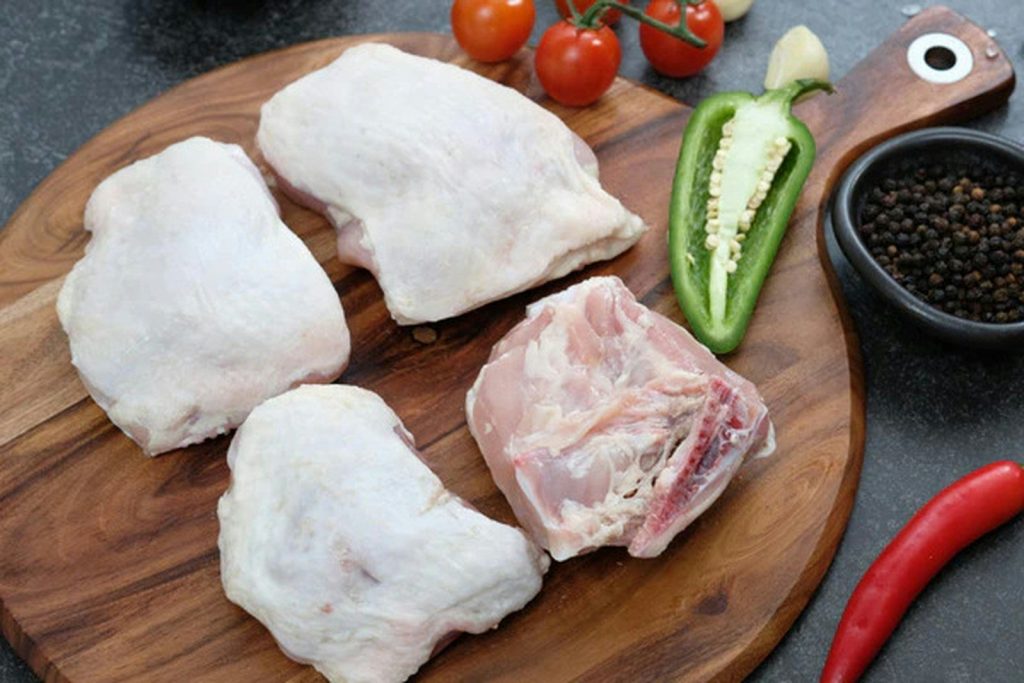
Boneless chicken thighs are consistently cheaper than breasts and hold up far better in a slow cooker, staying moist through a long cook instead of turning stringy. Combined with canned white beans, diced tomatoes, rosemary, and a bit of chicken stock, they produce something that tastes like it came out of a slow-braised Italian recipe.
Total ingredient cost for six servings lands somewhere around $10 to $12. Dried white beans can bring that down further, though they require an overnight soak and a bit more planning.
3. Beef and Barley Stew
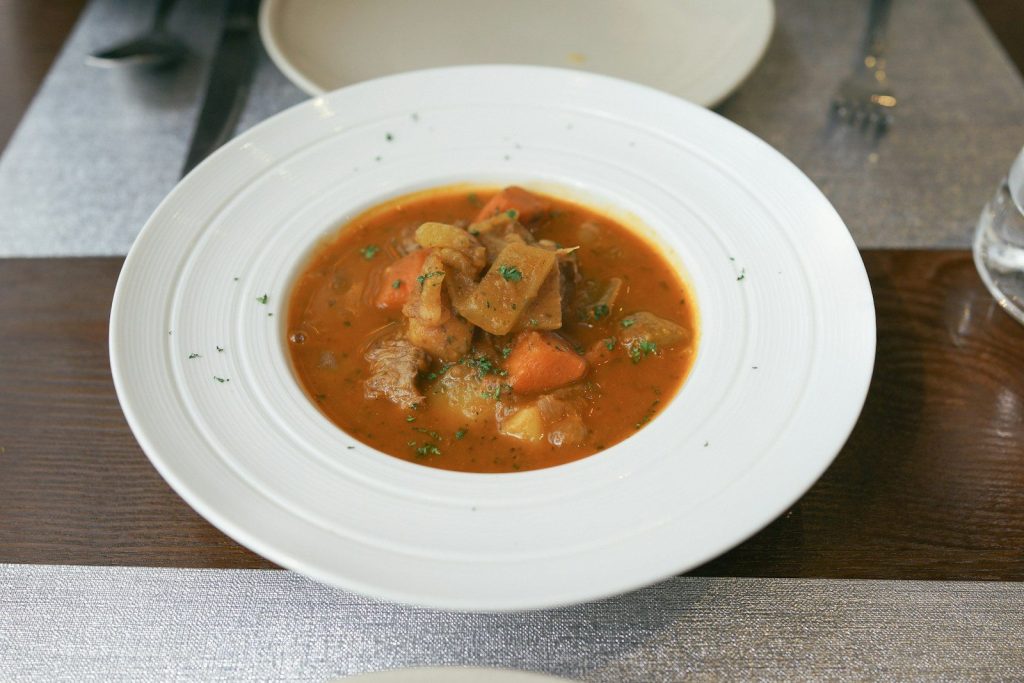
Chuck roast, the cut that used to be considered a last resort, has become more expensive in recent years but still falls well below ribeye or strip pricing. A pound and a half of cubed chuck, pearl barley, carrots, potatoes, beef broth, and a spoonful of tomato paste give you a stew that eats like a full meal with almost no effort.
Pearl barley is an underused ingredient, it adds body, absorbs flavor well, and costs almost nothing. A one-pound bag runs about $2 and extends the stew considerably. Cook on low for eight hours and the beef becomes fork-tender without any searing required.
4. Lentil and Vegetable Curry
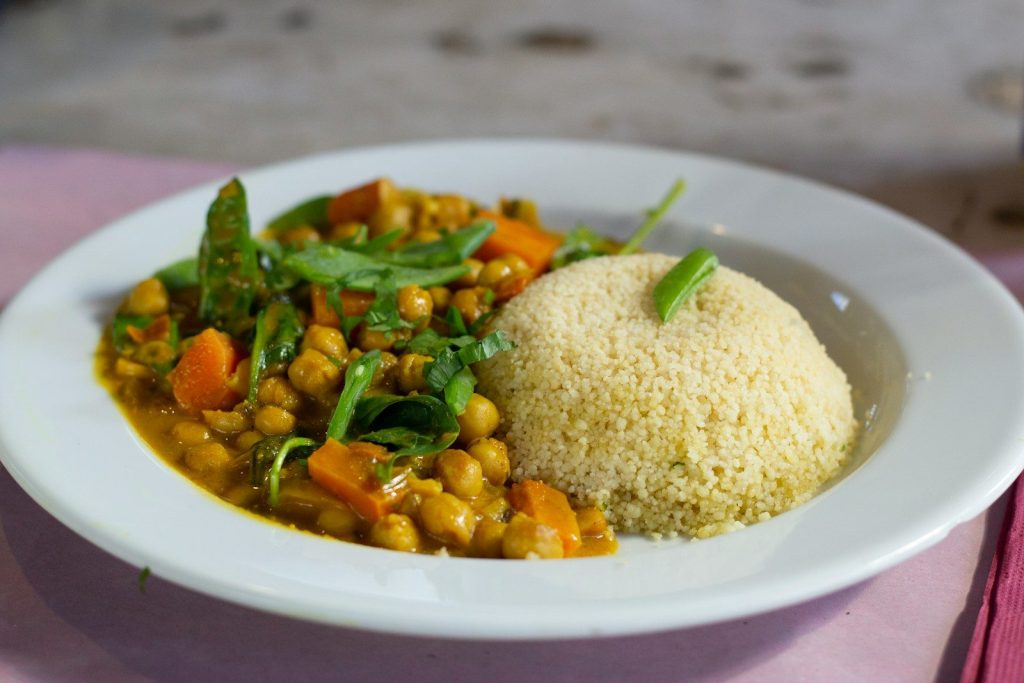
Red lentils cook faster than most legumes and completely dissolve into a sauce, making them ideal for a slow cooker curry. A can of coconut milk, a can of diced tomatoes, red lentils, spinach, onion, garlic, ginger, and curry powder will produce about six servings for under $8 total.
Served over rice, which is already one of the cheapest staples available, this becomes one of the most cost-efficient dinners in the rotation. The spice blend matters here. A good curry powder, cumin, and a pinch of turmeric will do more for the dish than any expensive ingredient.
5. Pulled Pork
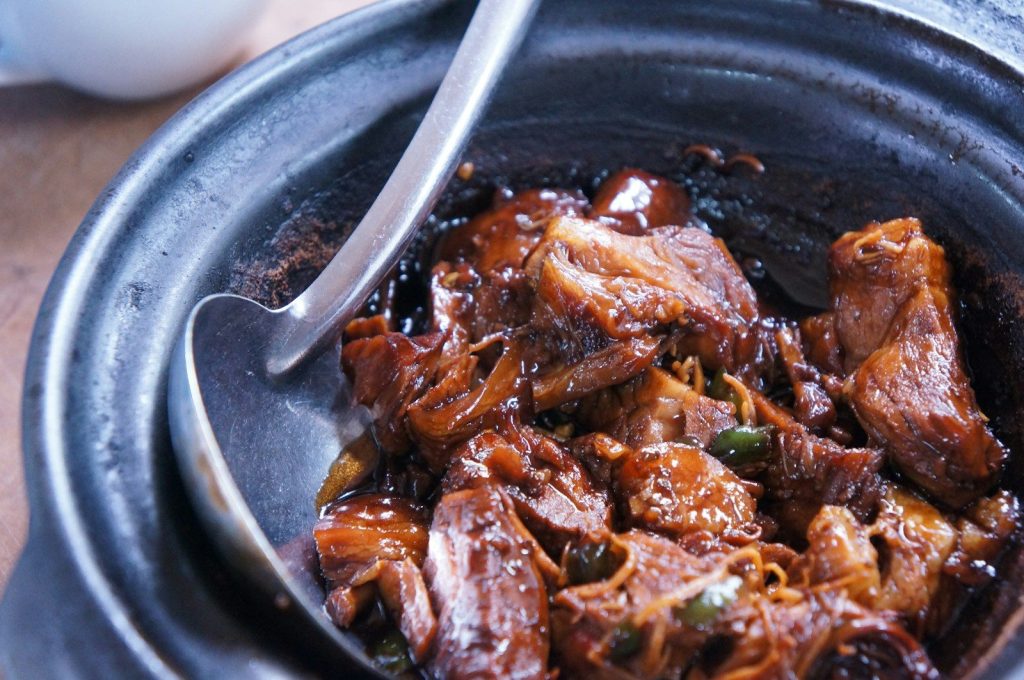
A bone-in pork shoulder, often labeled “pork butt” depending on the region, typically costs $1.50 to $2.50 per pound and yields an enormous amount of pulled meat after a full day in the slow cooker. Season it with salt, pepper, smoked paprika, garlic powder, onion powder, and a bit of brown sugar, then cook on low for ten hours.
The result pulls apart with a fork and goes into sandwiches, tacos, rice bowls, or baked potatoes across the week. A six-pound shoulder can provide ten to twelve servings, bringing the per-serving cost down to roughly a dollar or less depending on what it’s paired with.
6. Black Bean Soup
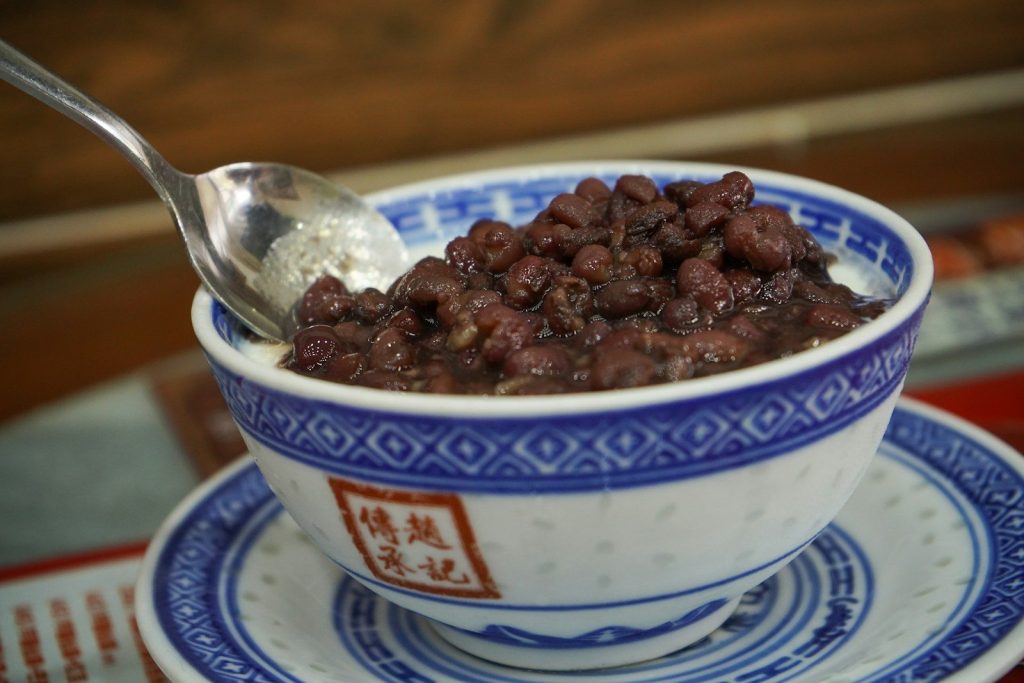
Dried black beans are roughly $1.50 per pound and form the backbone of a soup that punches well above its cost. No soaking required in the slow cooker, just rinse the beans, add diced onion, garlic, cumin, smoked paprika, canned tomatoes, and enough broth to cover, then cook on high for seven to eight hours.
The beans soften completely and the broth thickens into something almost stew-like. A squeeze of lime and some chopped cilantro at the end changes the profile dramatically. Top with sour cream or shredded cheese if the budget allows, though neither is necessary.
7. Oatmeal for the Week
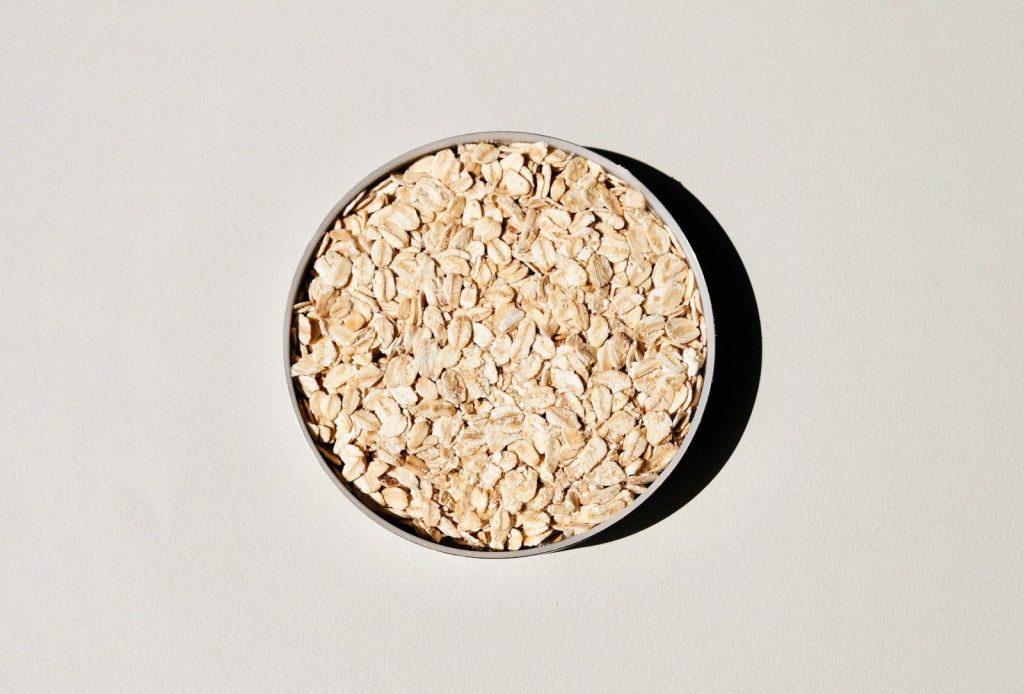
Steel-cut oats are rarely mentioned in slow cooker conversations, which is a genuine oversight. A cup and a half of steel-cut oats, six cups of water, a pinch of salt, and a tablespoon of butter cooked overnight on low produces a large batch of creamy oatmeal ready by morning.
Add cinnamon and a bit of brown sugar before serving, or top with whatever fruit is on hand. A canister of steel-cut oats from brands like Bob’s Red Mill costs around $5 and contains enough for multiple batches. For households where breakfast spending adds up fast, this is one of the easiest cuts to make.
8. Chicken Tortilla Soup
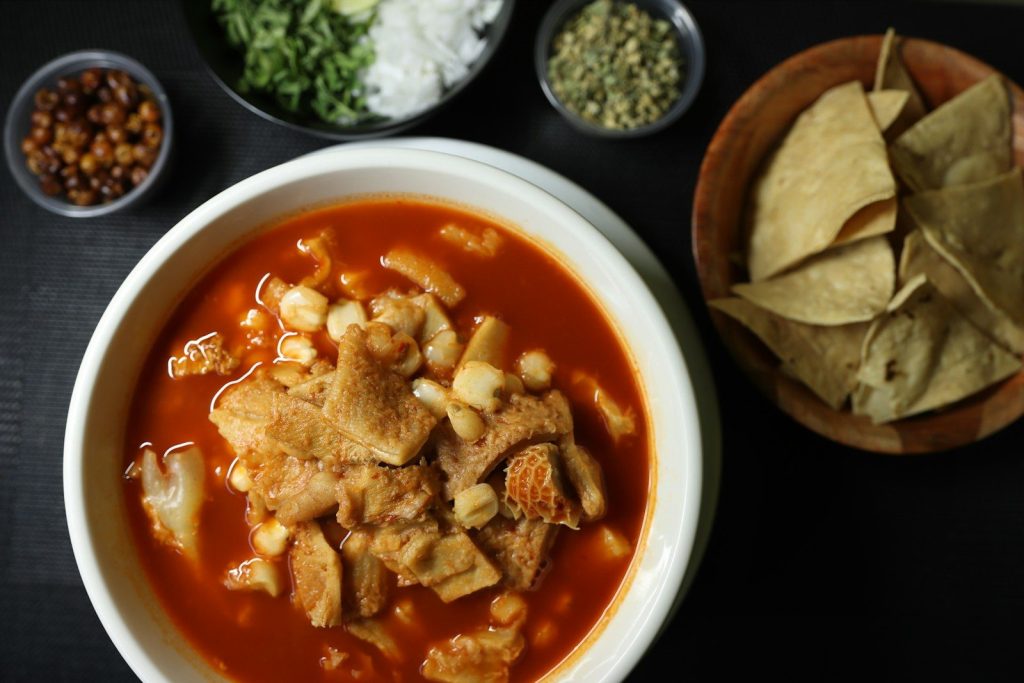
Two or three chicken thighs, a can of black beans, a can of corn, a can of diced tomatoes, chicken broth, cumin, chili powder, garlic, and onion. That’s the whole ingredient list. Cook on low for six to seven hours, shred the chicken directly in the pot, and finish with a squeeze of lime.
Tortilla strips or crushed chips on top add texture without adding much cost. This soup has become a genuinely popular slow cooker recipe over the past few years because it requires almost no prep and scales easily. Double the batch and the per-serving cost drops further.
The Real Advantage
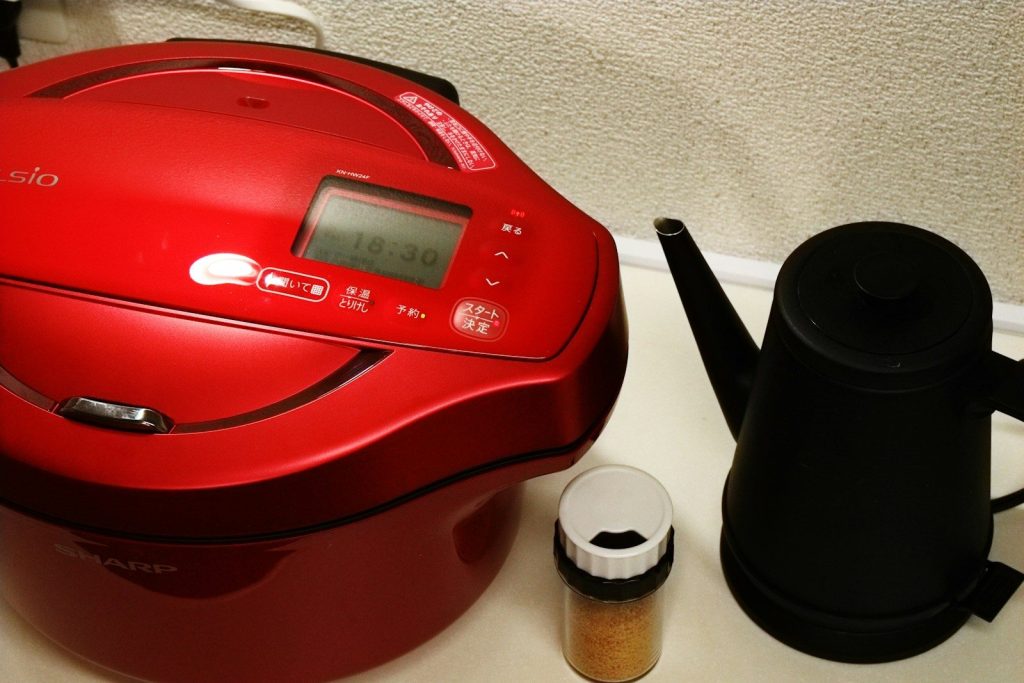
The financial case for slow cooker cooking comes down to two things: cheap cuts and hands-off time. The tougher, less desirable pieces of meat that would be unpleasant cooked quickly become tender and flavorful after hours of low, moist heat.
Dried legumes, which cost a fraction of their canned counterparts, cook perfectly without supervision. Neither requires skill, just time. For anyone trying to cut grocery spending without eating worse, slow cooker meals offer a practical and sustainable path that doesn’t involve clipping coupons or eating the same sad salad four nights a week.