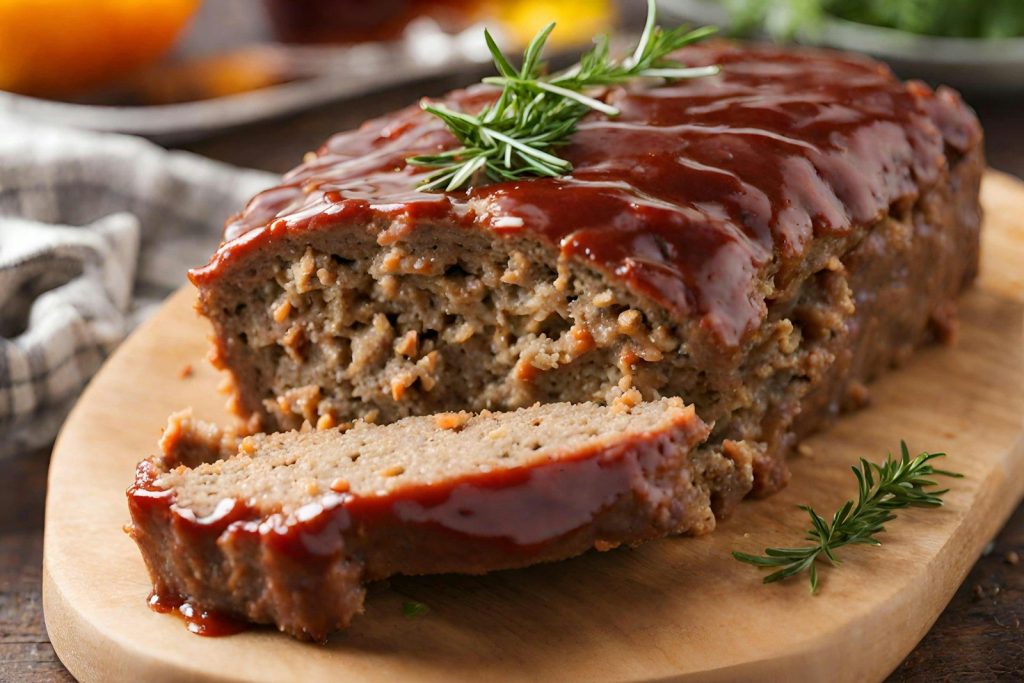

Meatloaf has survived every food trend of the last century. Molecular gastronomy came and went. Avocado toast had its moment. Air fryers changed weeknight cooking forever. And meatloaf? Still sitting at the table, still feeding families, still the thing people request when they come home.
The best versions of this dish almost always trace back to someone’s grandmother. Not a cookbook. Not a cooking channel. A specific woman who made it every Tuesday and never once measured anything. The eight ingredients below are the ones that keep showing up in those handed-down recipes, and there are good reasons why each one earned its place.
1. Ground Beef (The Right Blend)
The meat matters more than anything else on this list. An 80/20 blend, meaning 80% lean beef and 20% fat, is the standard for a reason. Too lean and the loaf dries out in the oven. Too fatty and it falls apart when sliced.
Some grandmothers mixed in a portion of ground pork, usually around 25% of the total, to add a subtle sweetness and extra moisture. That combination is still considered one of the more reliable approaches in home kitchens. The pork keeps things tender without making the whole dish taste like a sausage.
2. Breadcrumbs
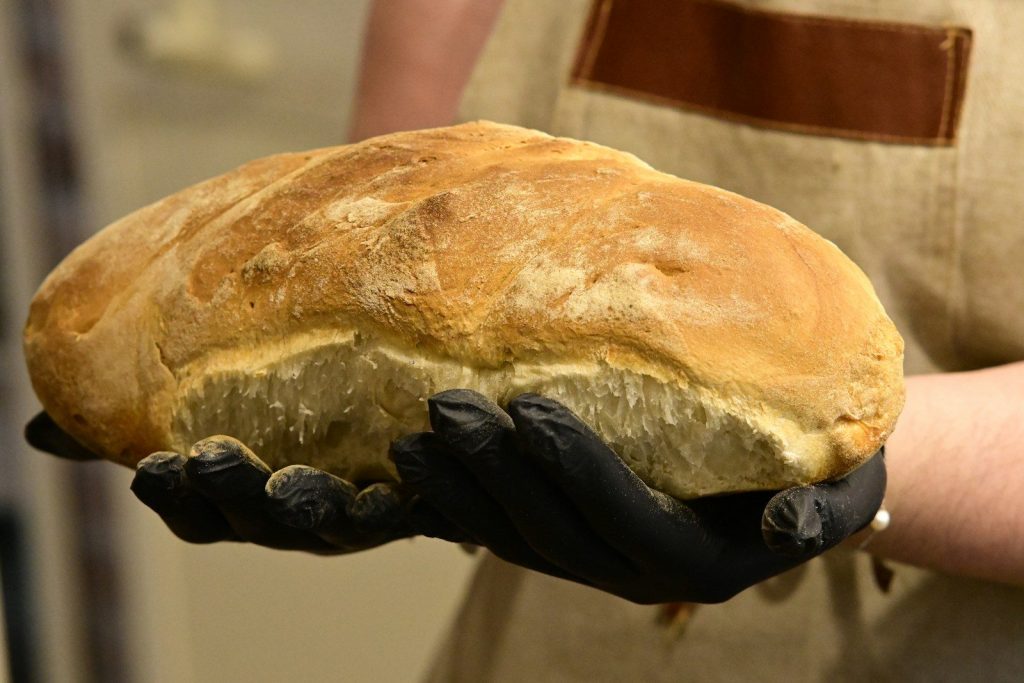
Breadcrumbs act as a binder, but they do more than hold the loaf together. They absorb the fat and moisture released during cooking, then redistribute it through every slice.
Plain breadcrumbs work. Seasoned ones work too, though they add salt, so adjustments elsewhere are necessary. Some families used crushed saltine crackers instead, particularly in Southern households, and the result is a slightly lighter texture. Panko, the Japanese-style breadcrumb that became a pantry staple in the early 2000s, produces a looser crumb. Traditional fine breadcrumbs remain the most consistent choice for a dense, sliceable loaf.
3. Eggs
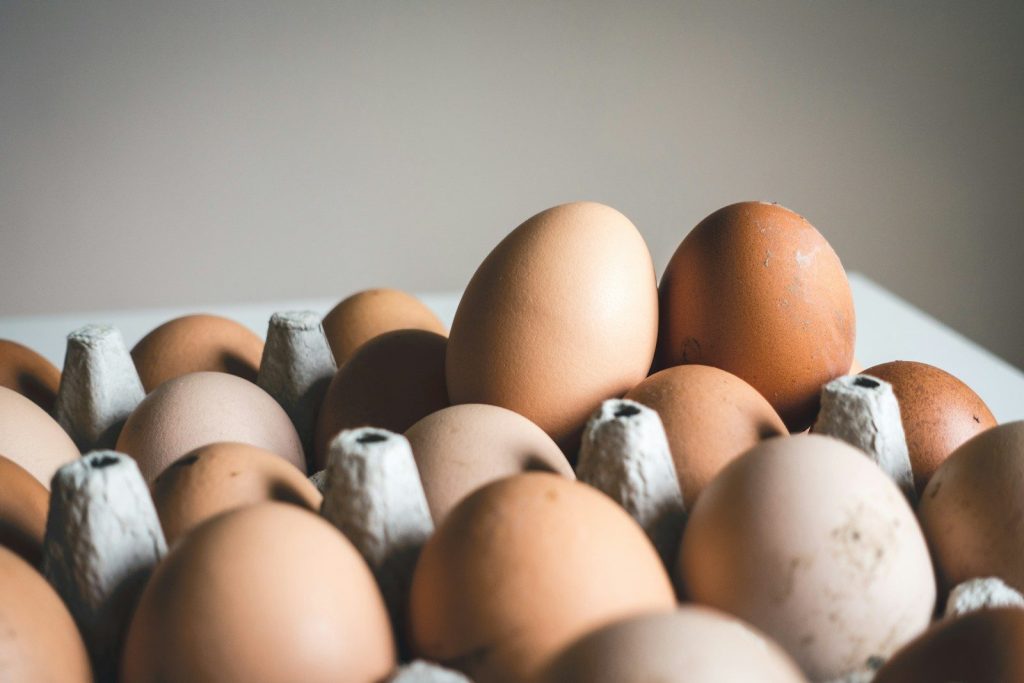
Two eggs per pound of meat is the general rule. Eggs bind everything together and add richness. Without them, the loaf crumbles.
One thing worth knowing: the eggs also affect color. They encourage a deeper browning on the exterior during baking, especially on the sides that press against the pan. Some cooks separate the eggs and beat the whites before folding them in, which creates a slightly lighter texture. Most grandmothers just cracked them straight in and moved on, and the results were perfectly good.
4. Onion
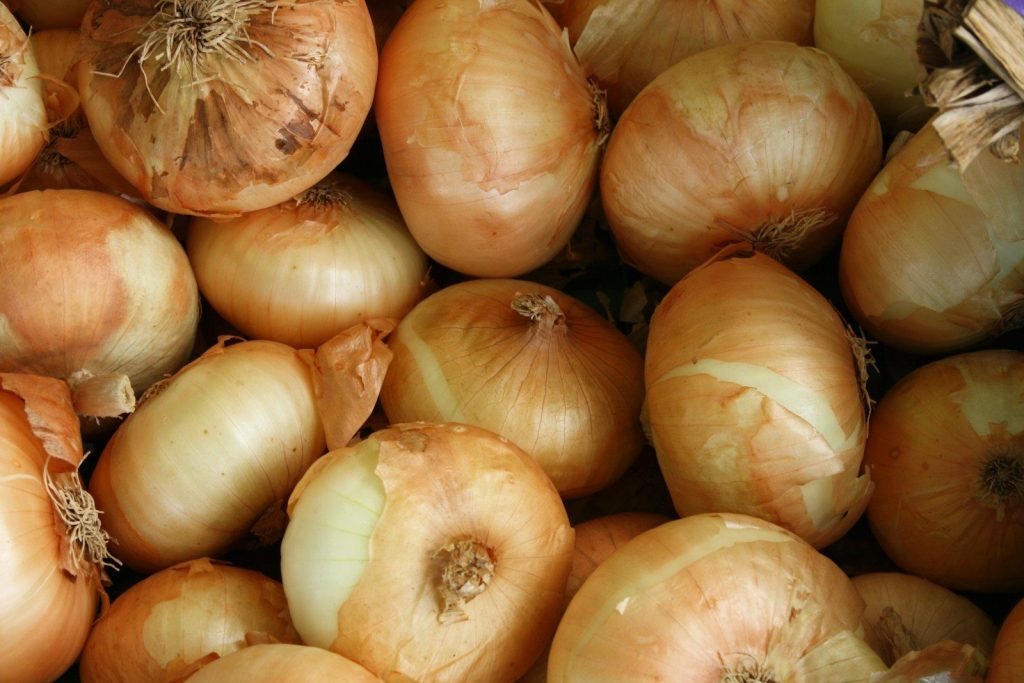
Raw grated onion is the move. Diced onion, even when sautéed first, can create soft pockets in the loaf that break the texture. Grating the onion releases its juice evenly through the mixture, so the flavor distributes without interrupting the structure.
Yellow onions are the classic choice. They mellow completely during the 60 to 75 minutes the loaf spends in the oven. What starts sharp becomes almost sweet. A full medium onion per pound and a half of meat is a reasonable proportion.
5. Worcestershire Sauce
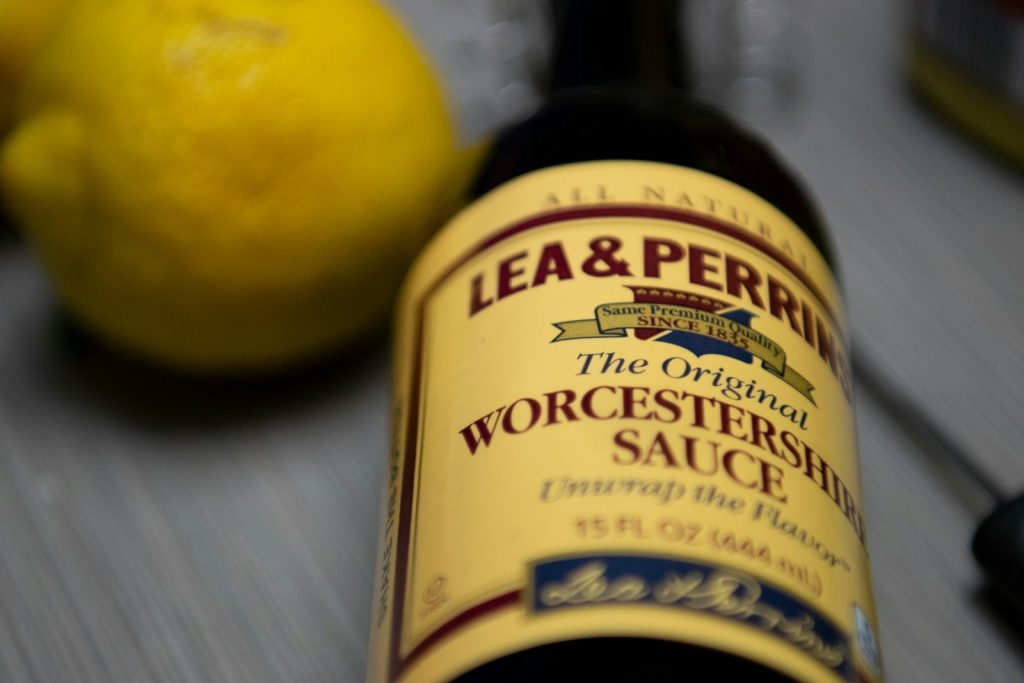
This is the ingredient that most people underestimate. Worcestershire sauce adds umami depth without announcing itself. The loaf doesn’t taste like Worcestershire. It just tastes more like meat.
The original recipe, developed in Worcester, England in the 1830s, includes tamarind, molasses, anchovies, and vinegar. All of that fermented complexity transfers into the meatloaf. Two tablespoons per two pounds of meat is standard. Lea & Perrins remains the most widely available brand in American grocery stores as of 2026, and it performs consistently.
6. Milk
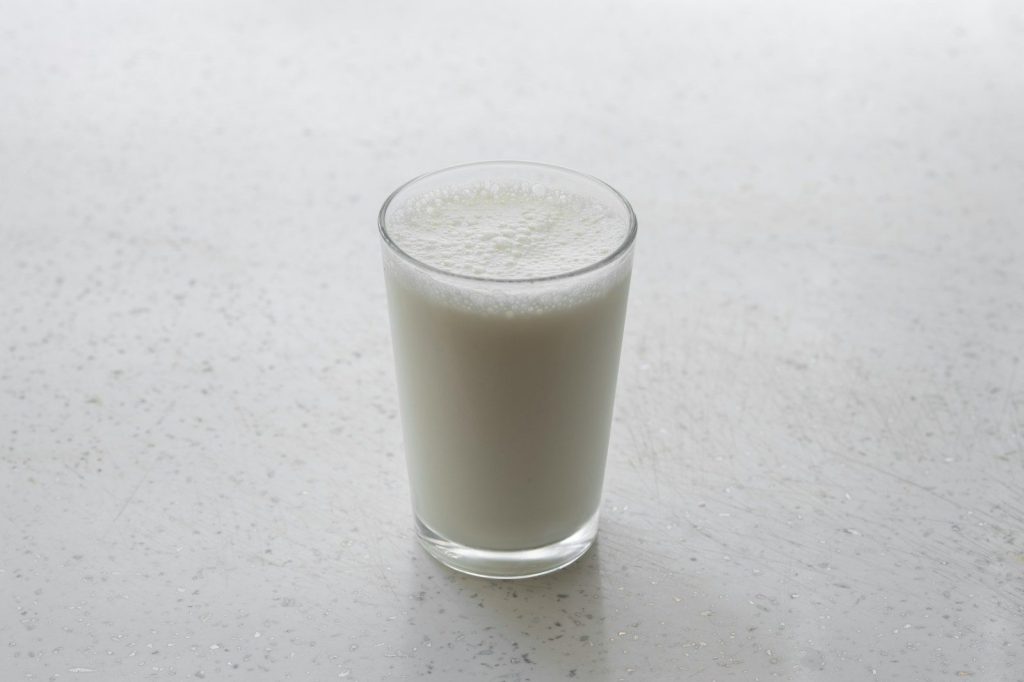
Milk soaks into the breadcrumbs before everything else gets mixed together. This step, often called a panade, creates a paste that stays moist throughout the cooking process.
Whole milk is preferred. The fat content matters here. Skim milk produces a drier result. Some older recipes call for evaporated milk, which has a slightly caramelized flavor from the canning process and adds a subtle richness. Either works, but whole milk is the easier default and produces reliable results every time.
7. Ketchup
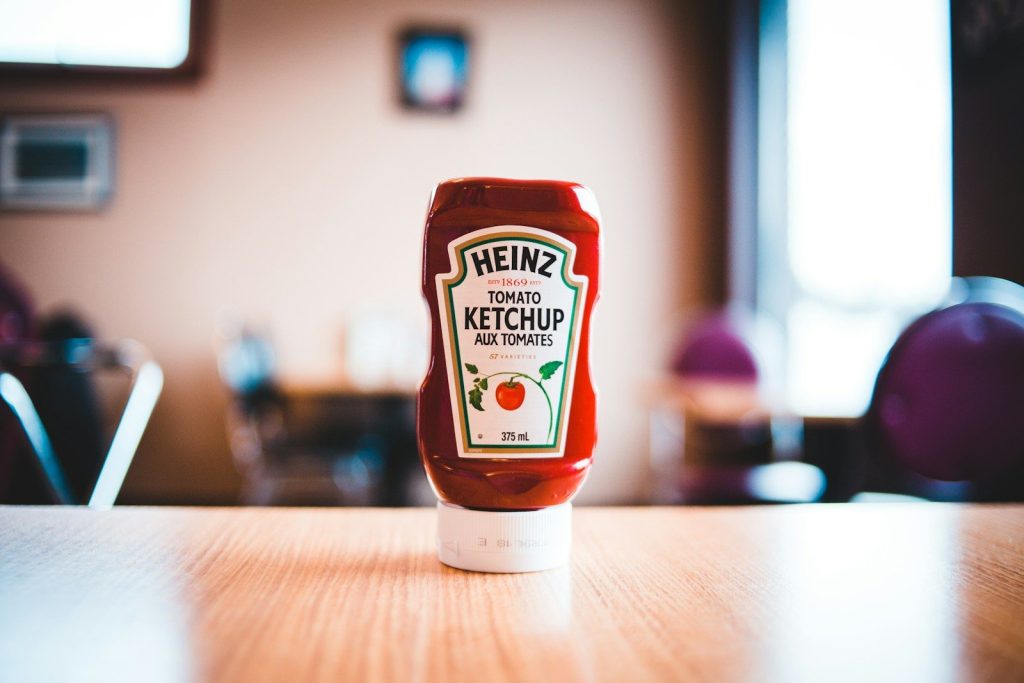
The glaze is not optional. A layer of ketchup on top of the loaf, applied about 15 minutes before it finishes cooking, caramelizes into something between a sauce and a crust. It adds sweetness and a little acid that cuts through the fat.
Some families mixed in a spoonful of brown sugar and a splash of apple cider vinegar to make it more of a barbecue-style glaze. Others kept it plain. The base is almost always ketchup. Heinz still dominates the category, and its higher tomato concentration produces better caramelization than store-brand alternatives.
8. Salt and Black Pepper
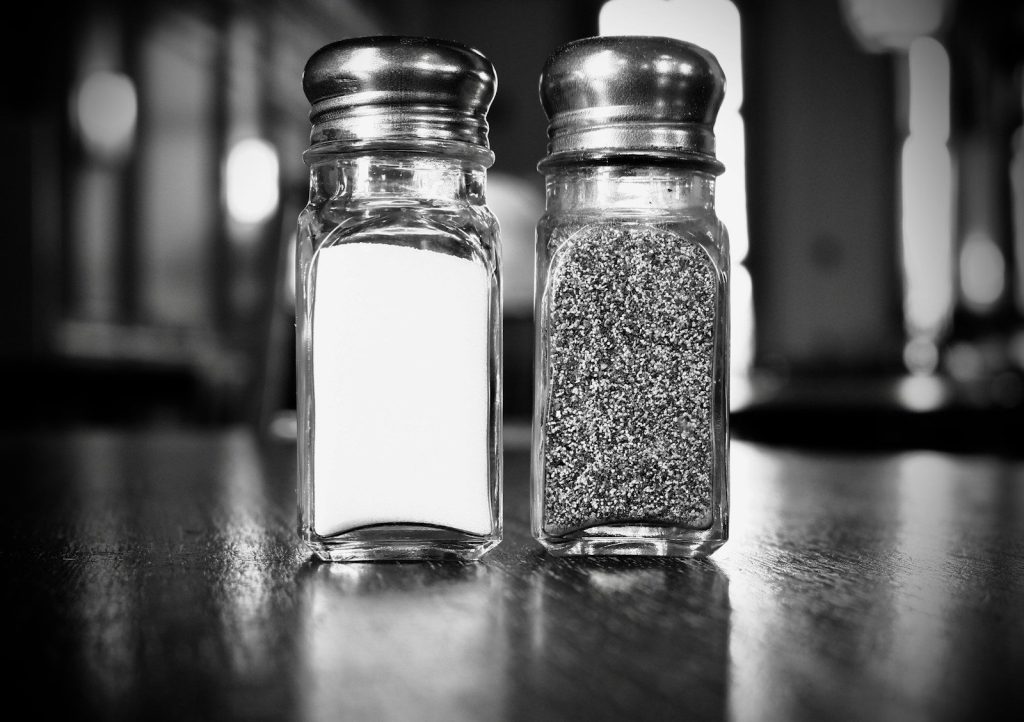
These two get grouped together because neither works without the other in this context, but salt is doing the heavier work.
Under-seasoned meatloaf is flat and forgettable. One teaspoon of kosher salt per pound of meat is a reliable starting point, with adjustments made based on what else is in the mix. Seasoned breadcrumbs, Worcestershire, and ketchup all carry sodium.
Black pepper adds a mild heat that lifts the whole dish without overpowering it. Freshly ground black pepper makes a noticeable difference compared to pre-ground, particularly in something this simple where each ingredient is exposed.
Why These Eight Hold Up
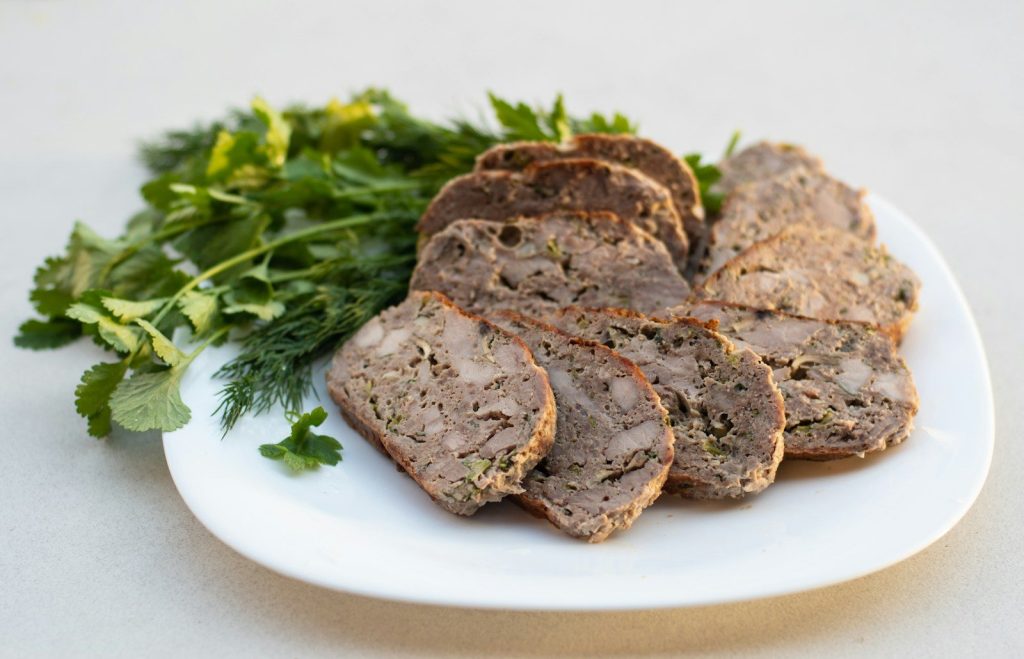
None of these ingredients are trendy. They are not sourced from specialty stores or imported from anywhere. Every single one is available at a standard grocery store, costs very little, and has been tested across decades of Sunday dinners.
The consistency of grandmothers’ recipes points to something real: when a dish keeps getting made the same way across generations, the choices tend to be correct. These eight ingredients produce a meatloaf that holds together, stays moist, develops a proper crust, and tastes like it was made by someone who knew what they were doing. That combination is harder to achieve than it looks, and these are the building blocks that make it possible.