

Some people seem to exist in homes that never quite tip into chaos. Dishes don’t pile up. Counters stay clear. Guests can drop by without a ten-minute scramble.
These aren’t people with more free time. Most of them are busy, working long hours, raising kids, managing full lives. The difference is a handful of habits, practiced consistently, that keep disorder from ever taking hold.
1. One In, One Out
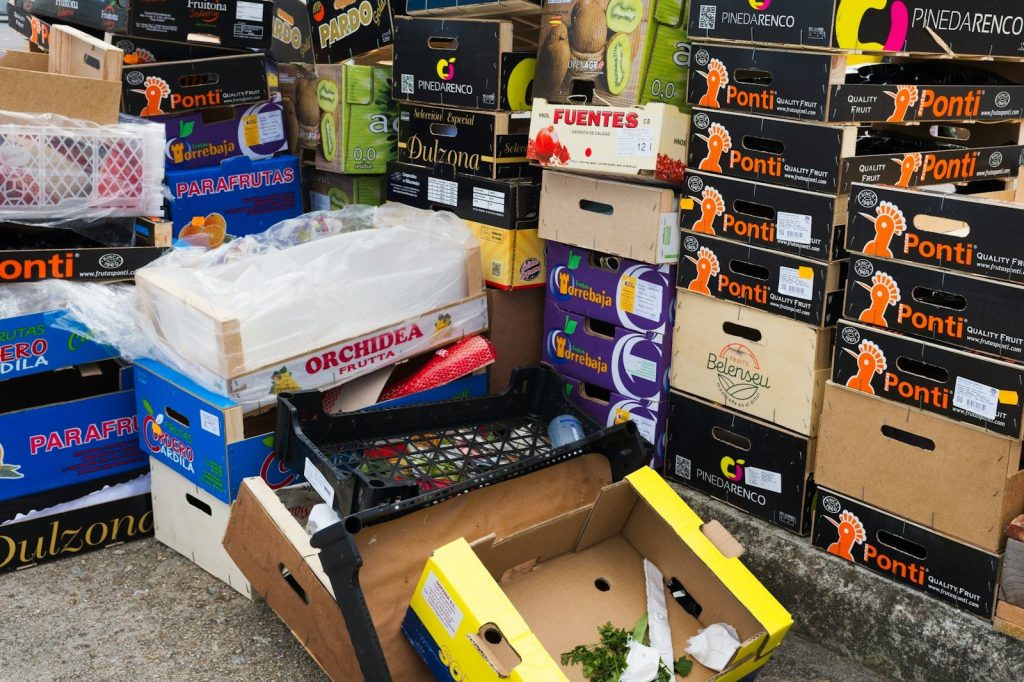
The “one in, one out” rule is older than most productivity trends, and it still works. Every time something new enters the home, something else leaves. New pair of shoes? An old pair goes to donation.
New kitchen gadget? Whatever it replaces gets removed. This isn’t about minimalism for its own sake. It’s a ceiling on accumulation, and without that ceiling, stuff just keeps multiplying.
2. Clean in Bursts, Not Marathons
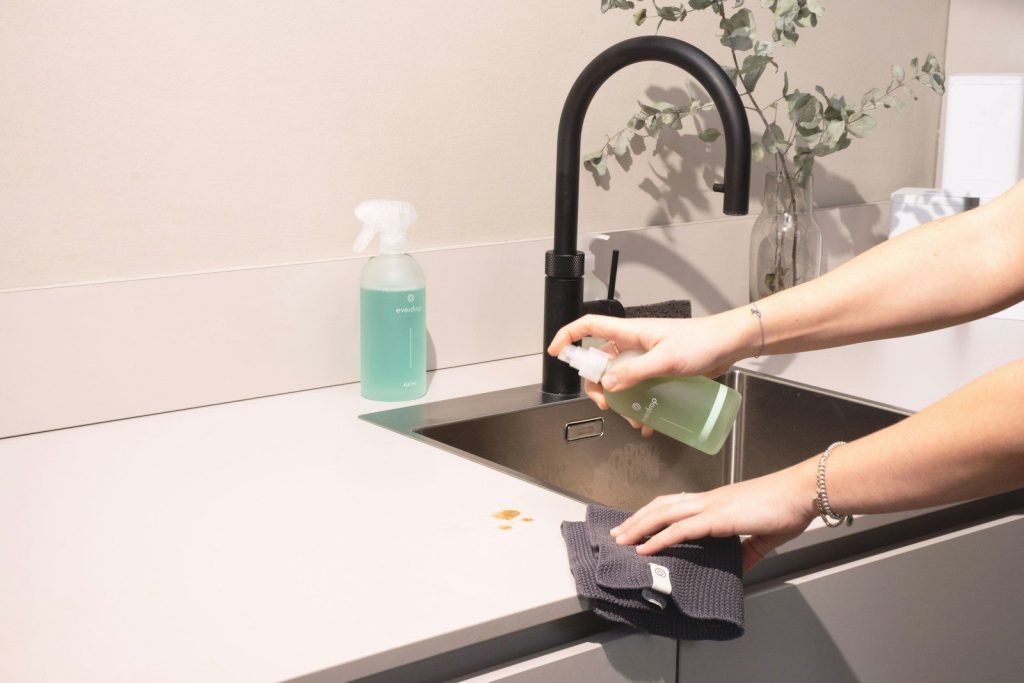
People who live clutter-free rarely spend entire Saturdays scrubbing. Instead, they do ten minutes here, five minutes there. Wipe the stovetop right after cooking.
Clear the bathroom counter before bed. The 2026 version of this habit often gets reinforced by app reminders or home assistant nudges, but the principle predates any of that. Small, frequent effort beats infrequent exhaustion every time.
3. Everything Has a Home
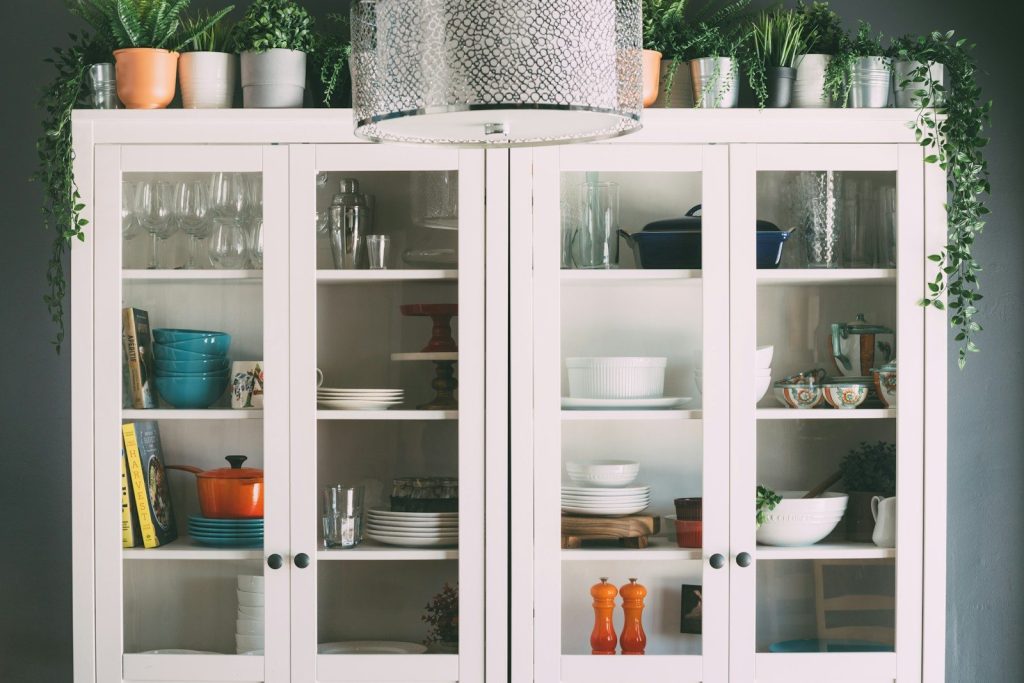
This sounds simple because it is. A pair of scissors always goes back to the same drawer. The TV remotes have a spot. Mail gets sorted at the door, not dropped on a table to deal with later.
When objects don’t have assigned locations, they migrate. Then they accumulate. Then they become clutter that requires an entire afternoon to sort through.
4. Handle Paper the Same Day

Paper is one of the fastest ways a tidy home falls apart. Receipts, school forms, takeout menus, unopened envelopes, catalogs nobody asked for. People who don’t live in clutter sort paper the moment it arrives.
Digital-first habits have helped here. In 2026, most bills and bank statements are handled electronically, which cuts the physical paper load substantially. But whatever arrives physically gets dealt with the same day.
5. Guard Your Flat Surfaces

Kitchen counters, coffee tables, the top of the dresser. These surfaces attract objects the way a park bench attracts pigeons.
Clutter-free households treat them as temporary landing pads, not permanent storage. Items placed there get moved to their actual home within 24 hours. Some people even keep a small basket nearby for “transit items” so the surface itself stays clear.
6. Stop Shopping Without a Plan

This one is underrated. A significant source of household clutter is objects bought impulsively, kept out of guilt, and never actually used. People who maintain tidy homes tend to buy with intention.
Before purchasing something, they have a clear sense of where it will live and whether the home genuinely has room for it. That’s not restriction. That’s just thinking one step ahead before swiping a card.
7. Make Donating a Routine, Not a Crisis

Most people purge their homes only when things get unmanageable. Clutter-free people donate or discard on a rolling basis, once a month, or even more often.
A box kept in a closet specifically for donation items makes this easier. When something stops being used, it goes in the box. When the box fills up, it leaves the house. No annual reckoning required.
8. Reset Before Bed
Ten minutes before sleep, surfaces get cleared, dishes go in the dishwasher, stray items return to their places. Waking up to an orderly home changes the entire tone of the morning.
It also prevents the slow accumulation that makes cleaning feel like an overwhelming project rather than regular maintenance.
9. Small Decisions, Repeated
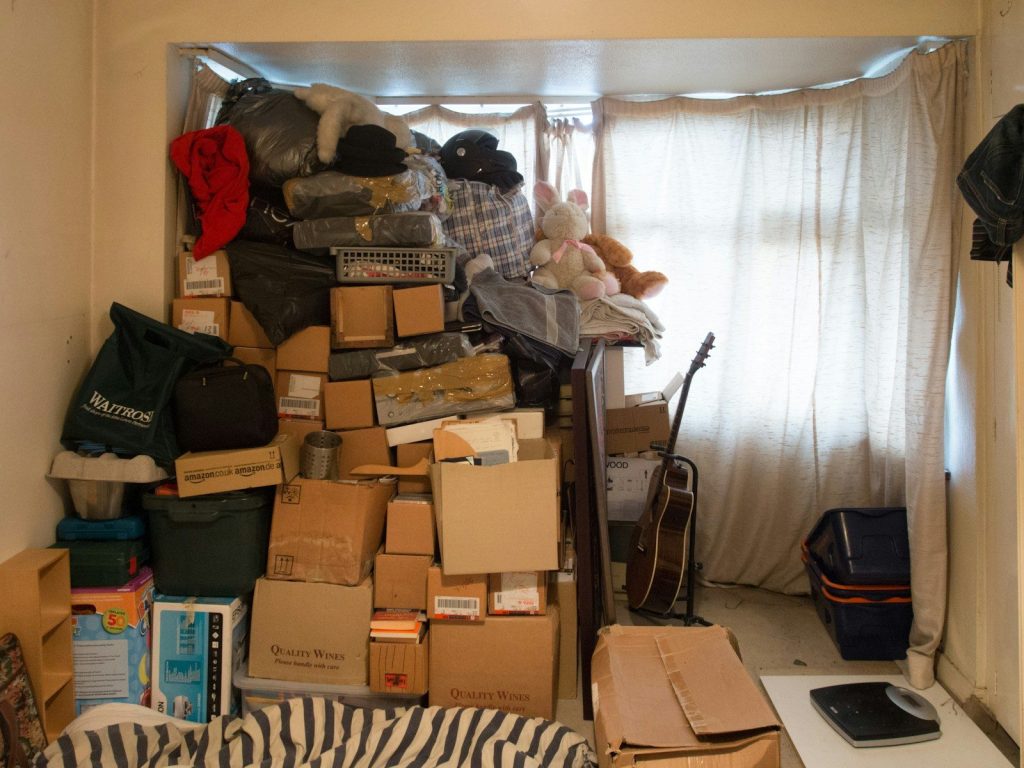
Clutter doesn’t appear overnight. It builds through small moments of deferral. Setting something down instead of putting it away. Buying without thinking about storage.
Holding onto things past their usefulness. None of these tricks require special equipment or personality overhauls. They require the decision, made repeatedly, to deal with small things before they become large ones.