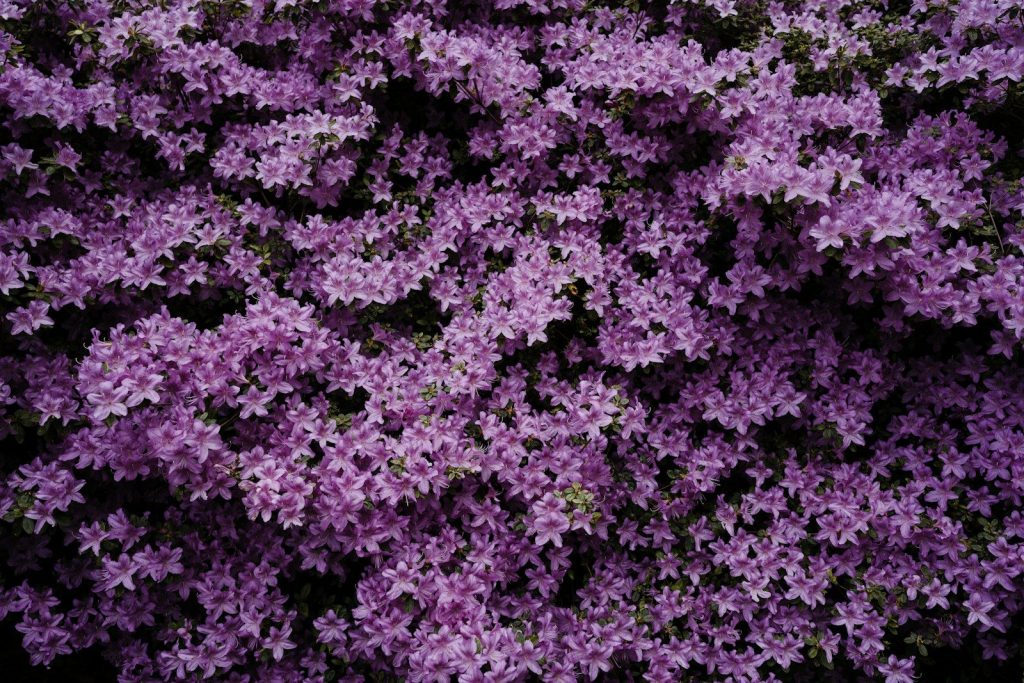

Some parts of a yard simply refuse to cooperate. The shaded corner where grass goes yellow and thin, the dry slope that washes out after every rain, the strip along the fence where nothing seems to take hold. For years, the standard response was to keep reseeding and watering and hoping. A better approach: stop fighting the conditions and plant something that actually belongs there.
Ground covers have earned a reputation as a backup plan, but that undersells them. The right ground cover can transform a problem area into something genuinely worth looking at, while also suppressing weeds, reducing erosion, and cutting down on mowing time.
1. Creeping Thyme
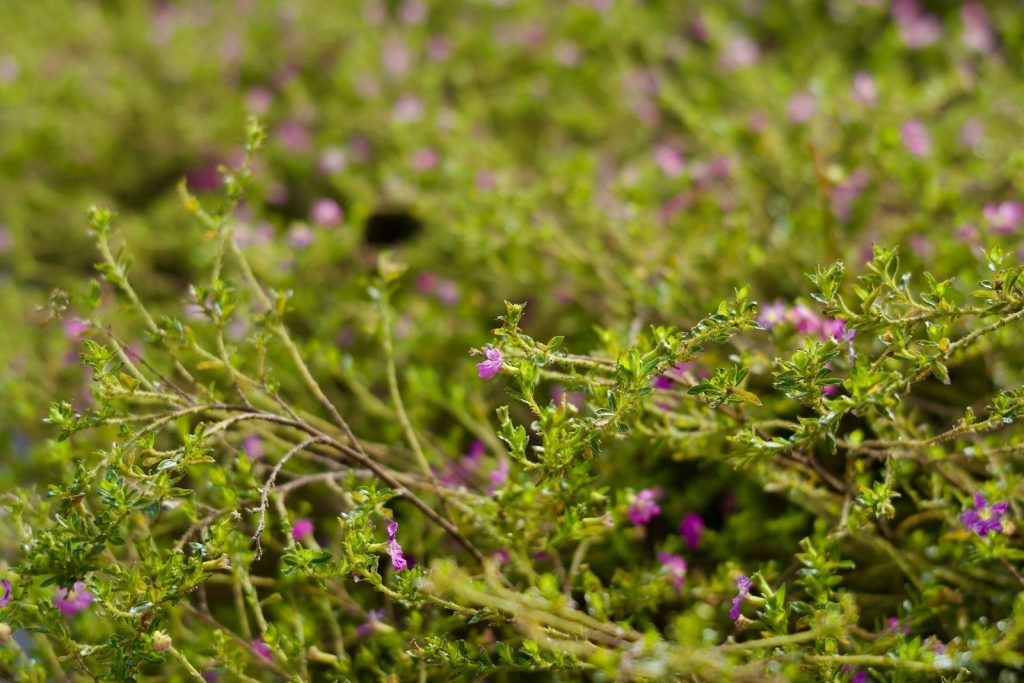
Creeping thyme is one of those plants that earns its place twice over. It stays low, spreads readily across rocky or sandy soil, and produces small pink to purple flowers in late spring that attract pollinators by the dozen. It tolerates drought well and can even handle light foot traffic, which makes it a practical choice for planting between stepping stones.
It does best in full sun and well-drained soil, and it handles heat without complaint. In USDA zones 4 through 9, it comes back reliably each year. As a bonus, brushing against it releases a faint herbal scent.
2. Pachysandra
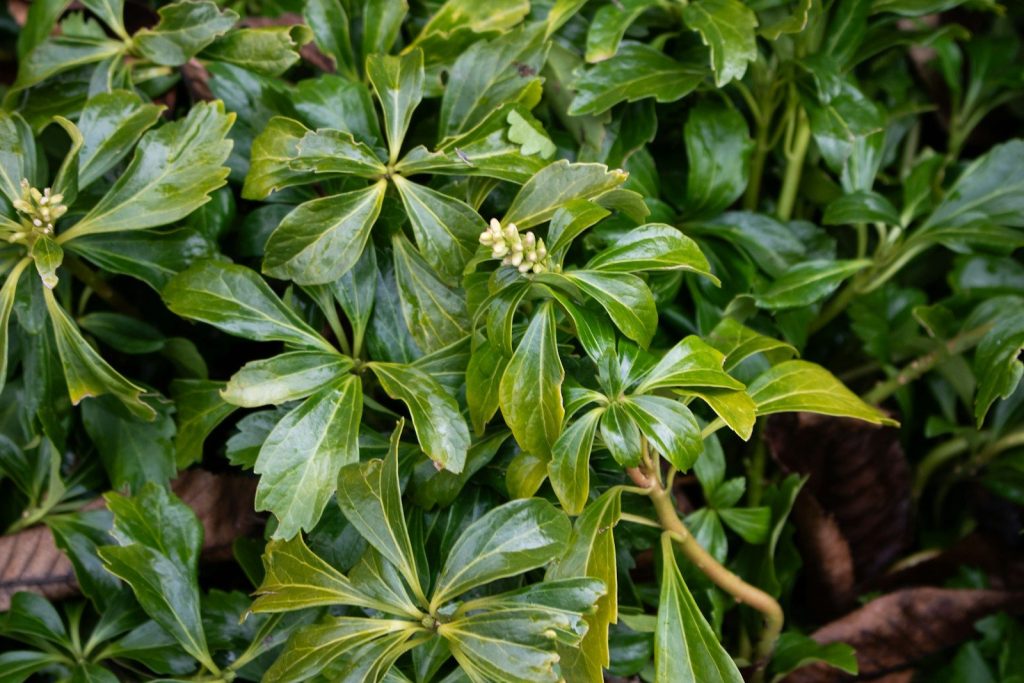
Pachysandra is the go-to ground cover for deep shade, and for good reason. It forms dense, tidy mats of dark green foliage that stay evergreen through winter in most climates. Once established, it spreads steadily and crowds out weeds without much intervention.
It performs best in zones 4 through 8, preferring moist, slightly acidic soil with consistent shade. Direct sun tends to bleach the leaves and stress the plant. Under mature trees where grass never stands a chance, pachysandra holds its own year after year.
3. Creeping Jenny
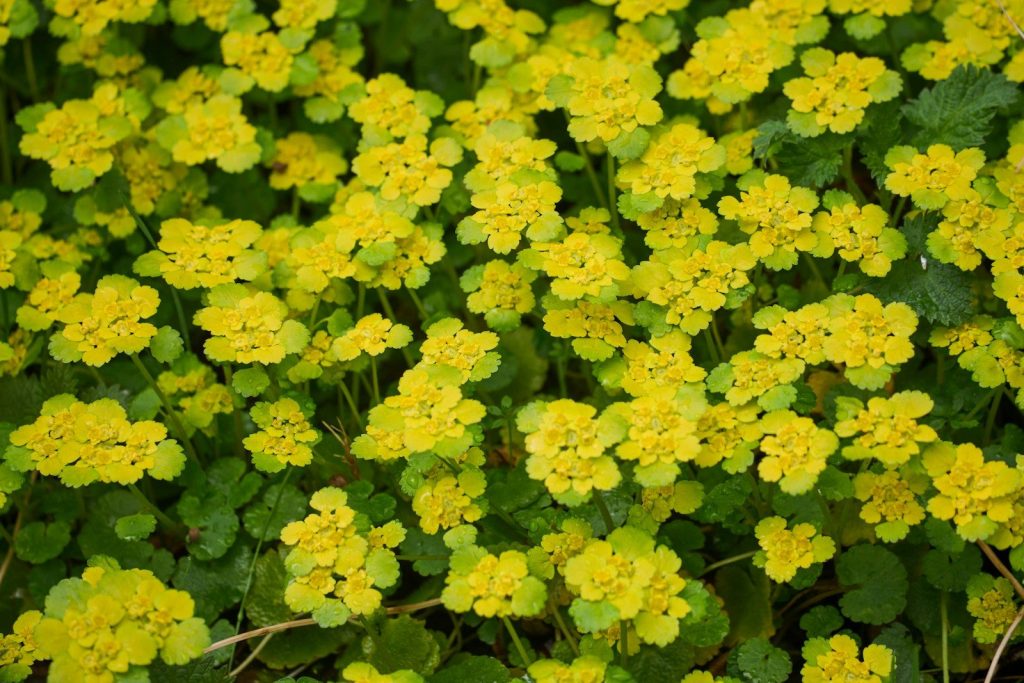
Creeping Jenny grows fast, and that speed is both its greatest strength and the thing to watch. It sends out long, trailing stems covered in round, bright chartreuse leaves that catch light in a way most ground covers don’t. Near water features or along the edges of garden beds, it creates a lush, almost luminous effect.
It handles both sun and partial shade, and it tolerates wet soil far better than most plants in this category. Zones 3 through 9 suit it well. Just be prepared to keep it from spilling into areas where it’s not wanted.
4. Ajuga
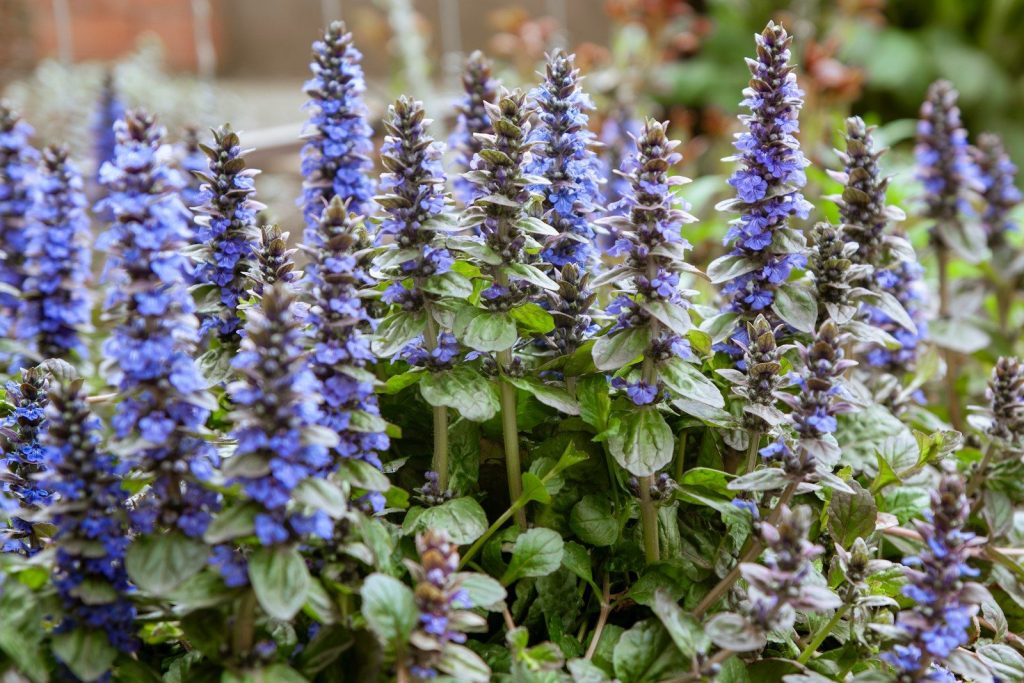
Ajuga, sometimes called bugleweed, is a low spreader with a lot of visual range. Depending on the variety, the foliage can be deep purple, bronze, green, or a mix of all three. In spring, it sends up short spikes of blue or violet flowers that are a reliable early food source for bees.
It grows in sun or shade, tolerates clay soil, and spreads without needing much attention. Zones 3 through 9 are within its comfort range. It can move aggressively in ideal conditions, so planting it where natural barriers like paths or edging can contain it is a reasonable precaution.
5. Sweet Woodruff
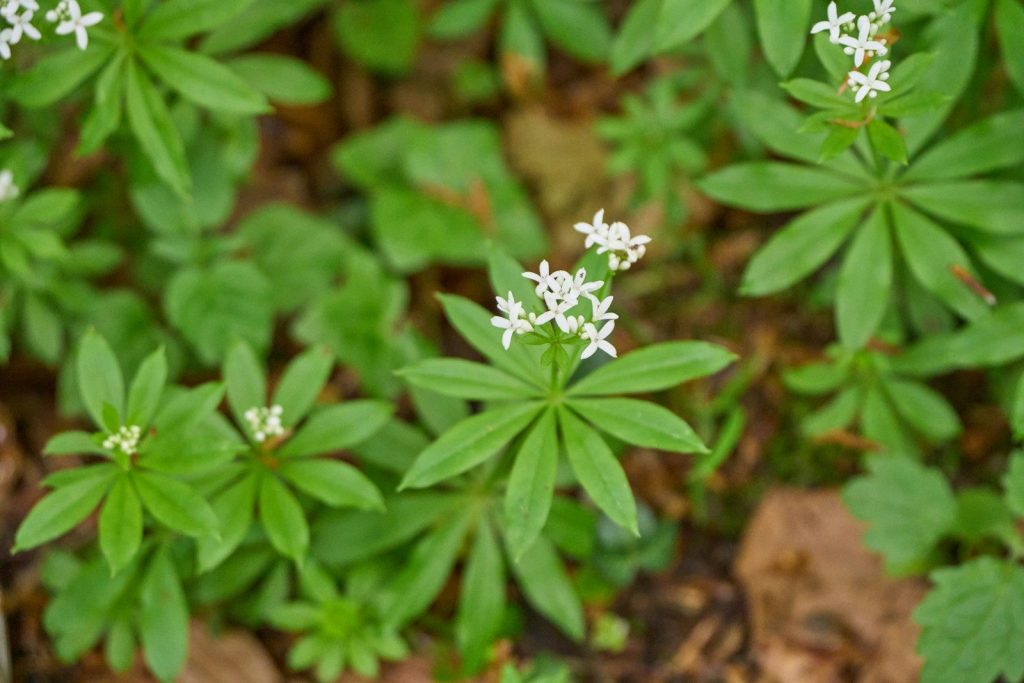
Sweet woodruff is one of the better choices for dry shade, a combination that defeats many plants. It produces delicate white flowers in spring and has a pleasant, hay-like scent when the leaves are dried. The foliage grows in neat whorls and creates a soft, textured mat.
It spreads through underground runners and fills in gradually rather than all at once, which makes it easier to manage than some faster-spreading options. Zones 4 through 8 work well. It pairs naturally under flowering trees, where it fills the ground without competing visually with what’s above.
6. Sedum
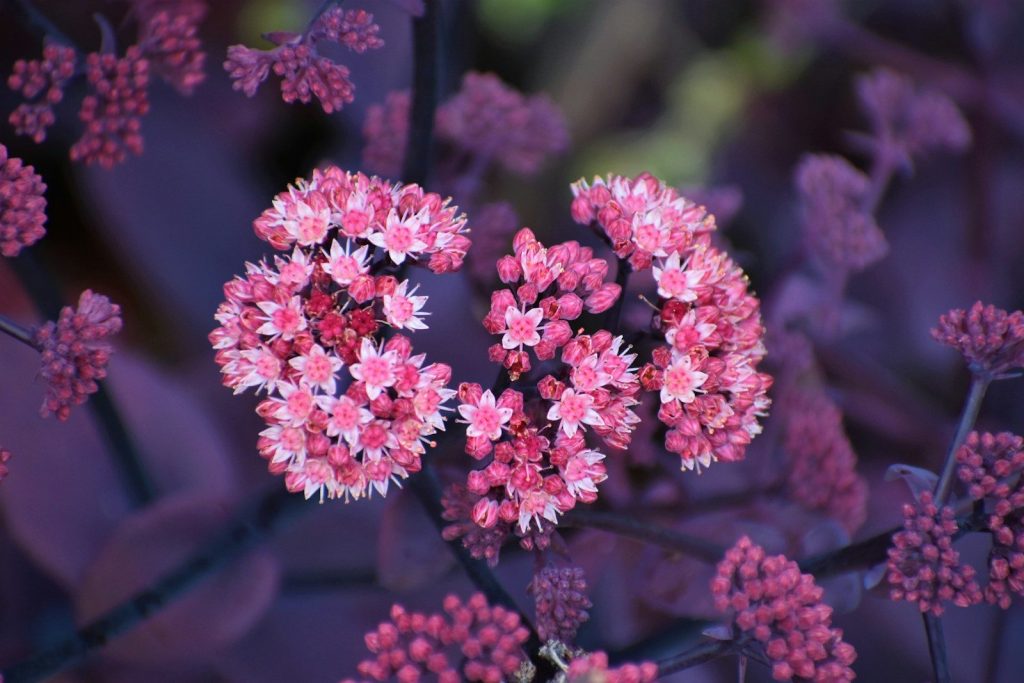
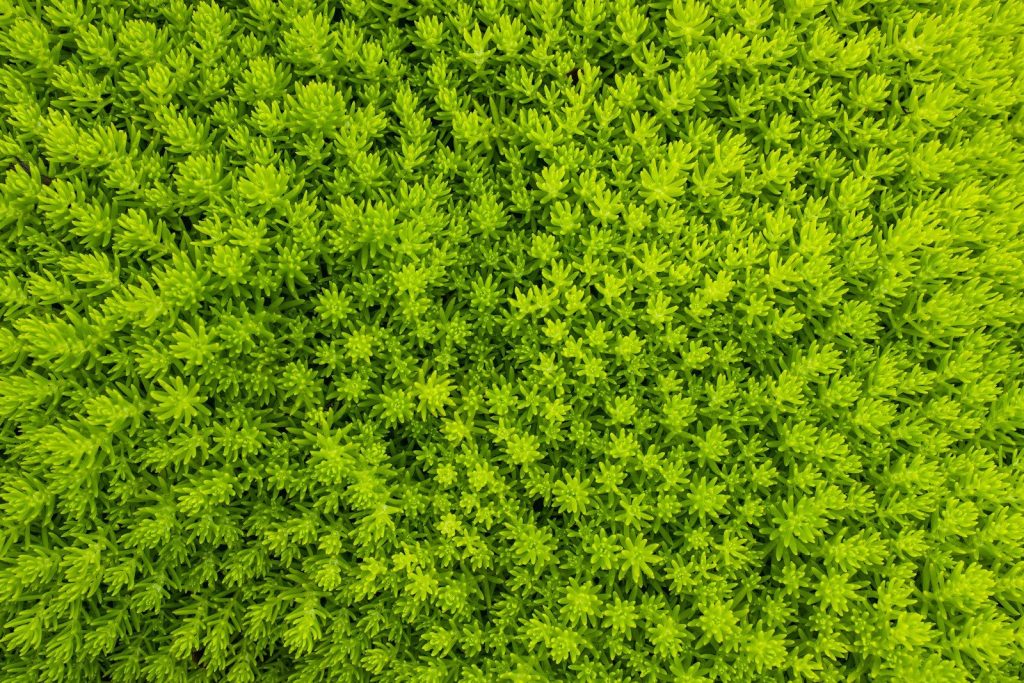
Sedums come in enough varieties that the category almost defies simple description. For ground cover purposes, low-growing types like Sedum acre or Sedum spurium are the most practical. They hug the ground, spread across rocky or thin soil, and ask very little in return: minimal water, no fertilizer, and reasonable sun exposure.
They shine in areas where other plants give up, including slopes and gravel gardens where drainage is extreme. Hardiness varies by variety, but many perform reliably from zones 3 through 9. The succulent foliage often takes on reddish tones in cooler weather, which adds interest well past the bloom period.
7. Vinca Minor
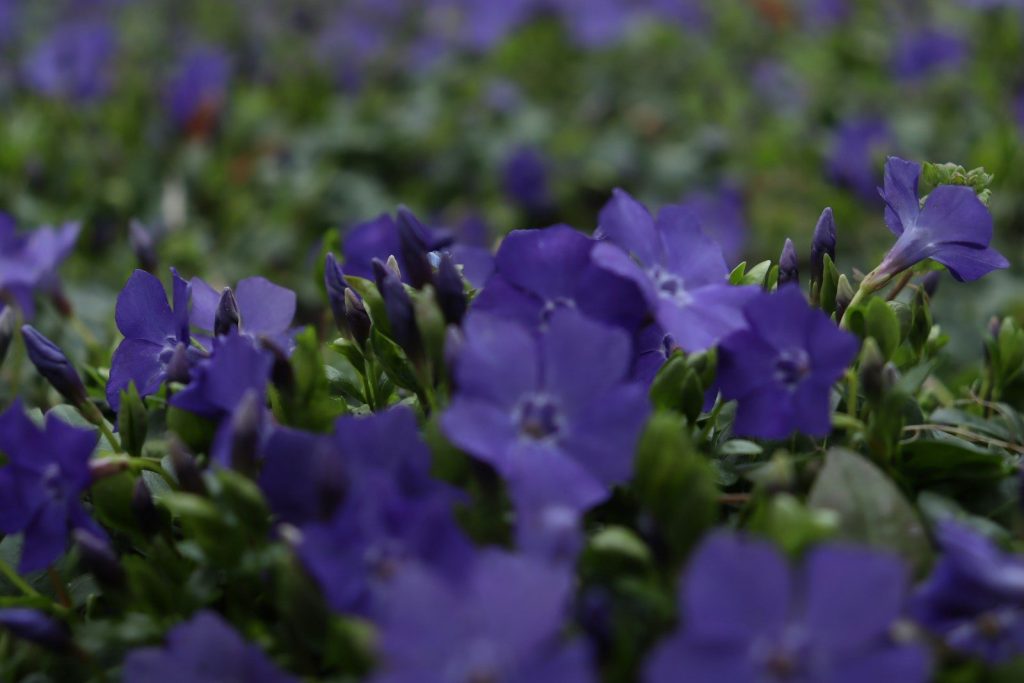
Vinca minor, commonly called periwinkle, has been a garden staple for decades because it simply works. It spreads quickly to cover large areas, produces blue-violet flowers in spring, and holds its glossy leaves through winter in most zones.
It handles shade well and tolerates a range of soil conditions, though it does best with moderate moisture. Zones 4 through 9 are its primary range. One fair warning: in certain regions, particularly parts of the eastern United States, vinca can escape cultivation and spread into wild areas. Checking local extension guidance before planting is a reasonable step.
8. Brass Buttons
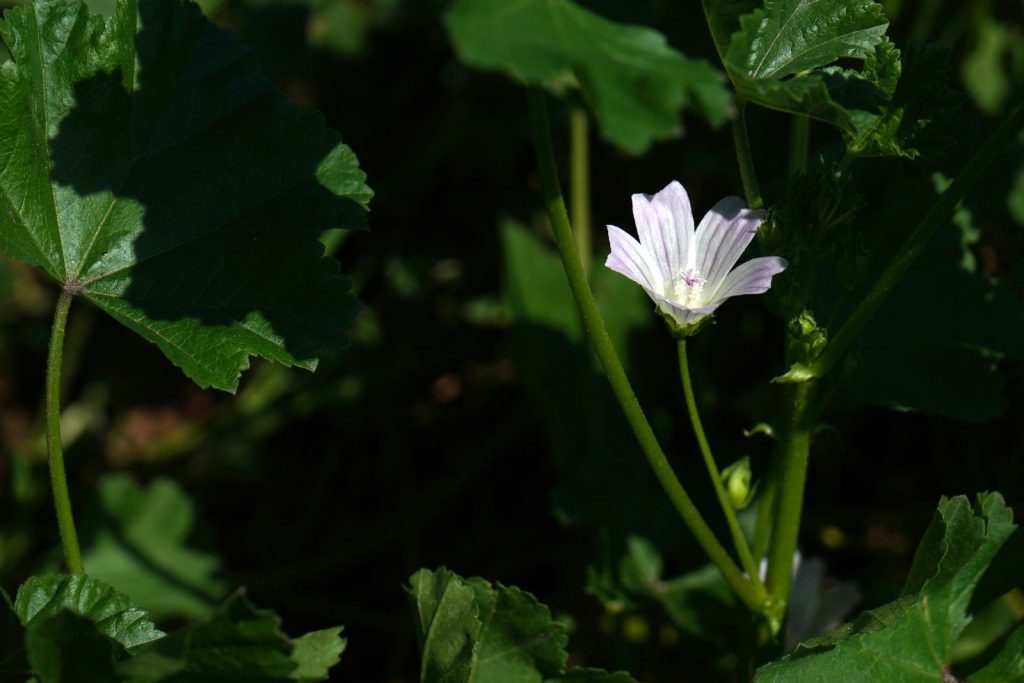
Brass buttons is less commonly planted than some others on this list, but it deserves wider attention. It forms a dense, ferny mat of fine-textured foliage and produces small yellow button-shaped flowers through the growing season. The overall effect is soft and slightly whimsical.
It grows well in full sun to partial shade and prefers consistently moist soil. Zones 7 through 10 are the best fit, which limits its range somewhat, but in warmer climates it fills in quickly and handles moderate foot traffic without complaint. Along pathways and between pavers in mild-winter areas, it performs exceptionally.
Choosing the Right One
The eight plants listed here cover an unusually wide range of conditions: deep shade, full sun, drought, wet soil, foot traffic, cold winters, and warm coastal climates. No single plant handles all of those at once, but the range means there is almost certainly one on this list suited to whatever corner of the yard has been giving trouble.
Matching the plant to the actual conditions, rather than forcing a plant into the wrong spot, is what separates a ground cover that thrives from one that limps along. Check the hardiness zone, assess the light, and consider the soil before buying. The plants listed here tend to reward that kind of careful placement with years of low-maintenance coverage.