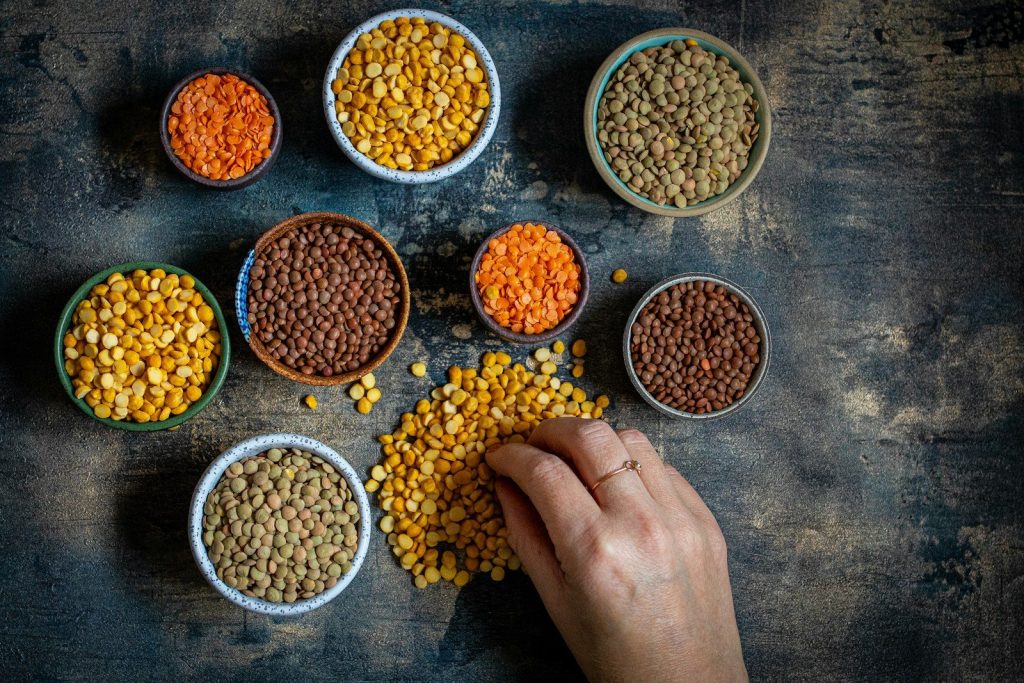

Colon cancer remains one of the most diagnosed cancers in the United States, and researchers have spent decades trying to understand what separates people who develop it from those who don’t. Diet keeps coming up. Fiber, specifically, keeps coming up.
The mechanism isn’t mysterious. Dietary fiber speeds up how quickly waste moves through the colon, which limits how long potential carcinogens stay in contact with the colon wall. Fiber also feeds the gut microbiome, the dense community of bacteria living in the large intestine, and a well-fed microbiome produces short-chain fatty acids that actively protect colon cells. By 2026, the research connecting high-fiber diets to lower colorectal cancer risk is as consistent as nutritional science gets.
Most Americans still eat well below the recommended 25 to 38 grams per day. The nine foods below are worth knowing.
1. Lentils
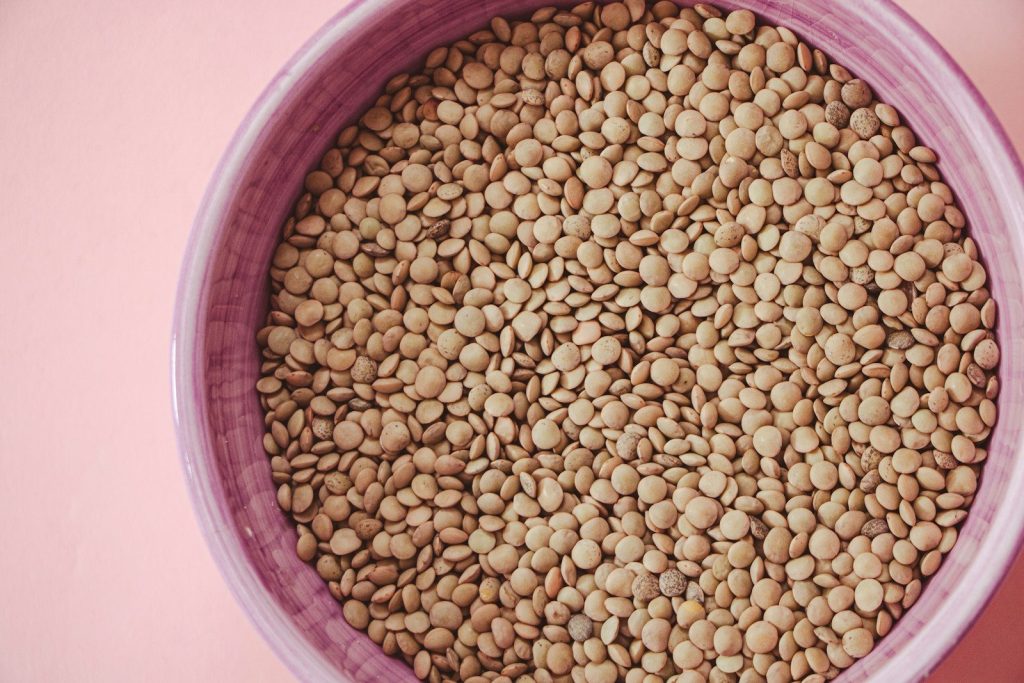
Lentils are one of the more underrated foods in the American diet. A single cooked cup delivers around 15 grams of fiber, split between soluble and insoluble types, which is roughly half the daily target in one sitting. They’re also loaded with resistant starch, a form of carbohydrate that bypasses digestion in the small intestine and arrives in the colon intact, where bacteria ferment it into butyrate.
Butyrate matters. It’s the primary energy source for colonocytes, the cells lining the colon wall, and studies have consistently shown it suppresses the kind of cellular inflammation that precedes polyp formation. Red lentils, green lentils, black lentils. They all deliver.
2. Black Beans
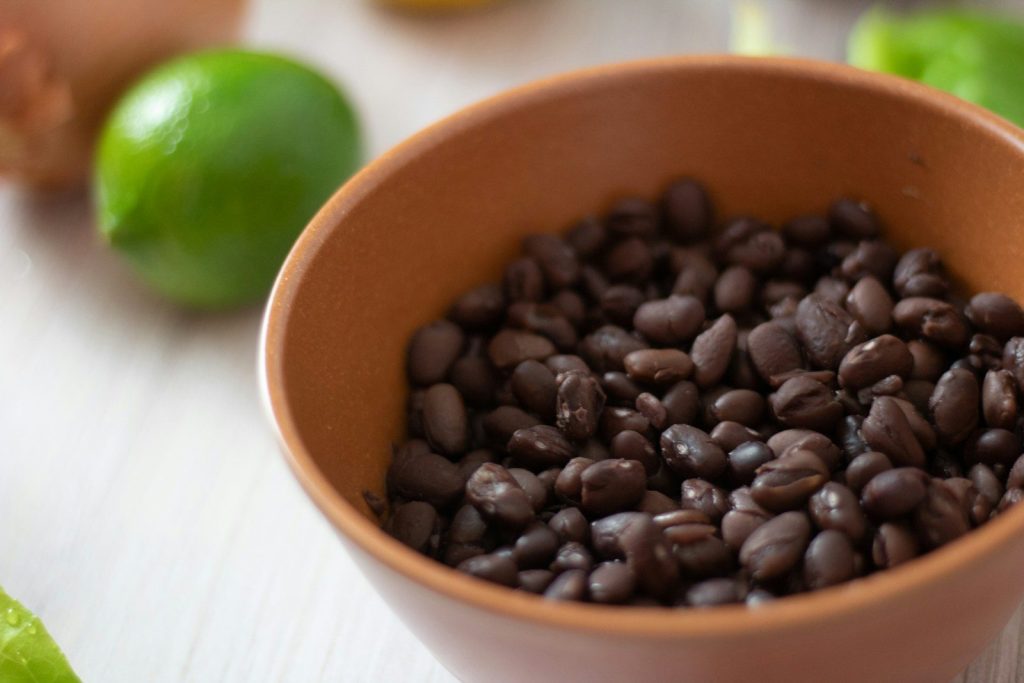
Black beans sit in the same category as lentils but with a slightly different nutritional profile. About 15 grams of fiber per cooked cup, combined with polyphenols that give the beans their dark color. Those polyphenols act as antioxidants in the gut and appear to reduce oxidative stress on colon tissue.
A 2023 study from the American Journal of Clinical Nutrition found that people who ate legumes at least four times a week had a 22% lower risk of colorectal adenomas compared to those who rarely ate them. Black beans are one of the easiest ways to hit that frequency. They work in soups, grain bowls, tacos, and as a side with almost anything.
3. Avocado
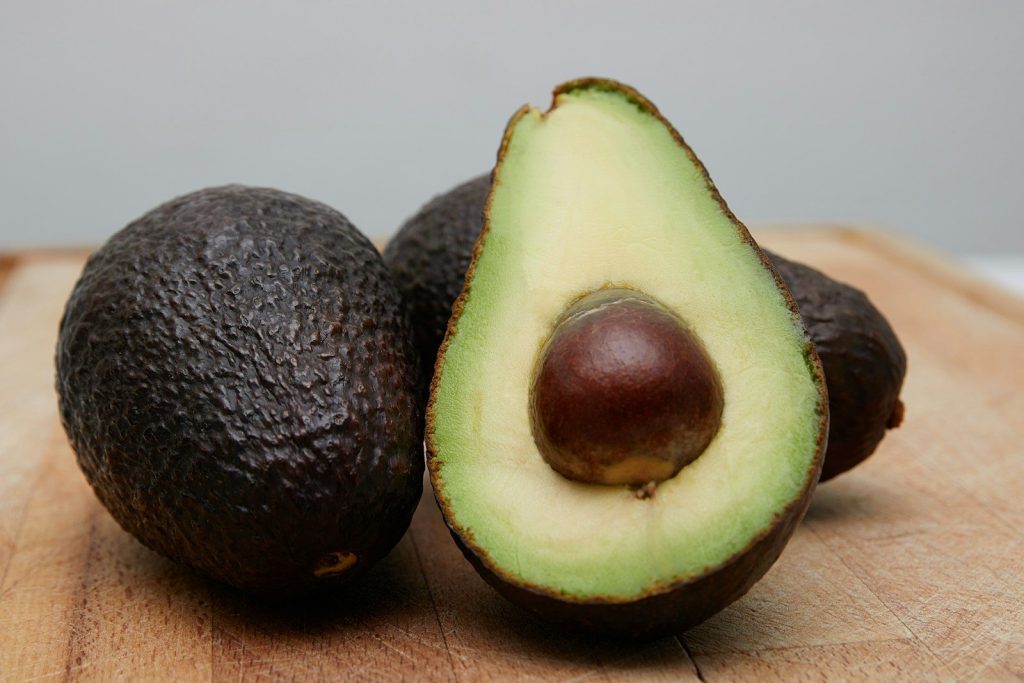
Avocado comes up in colon health research more than people expect. It’s primarily known for its fat content, but a medium avocado also provides 9 to 10 grams of fiber, much of it soluble. Soluble fiber absorbs water and forms a gel-like material in the digestive tract, which slows transit in a beneficial way and supports the growth of Bifidobacterium and Lactobacillus strains linked to lower inflammation.
A UCLA-led trial published in 2021 showed that daily avocado consumption measurably increased microbial diversity and reduced bile acid concentrations in the colon. High bile acid levels have been associated with mucosal damage. The fat in avocado also helps with absorption of fat-soluble vitamins that play supporting roles in cellular repair.
4. Raspberries

Raspberries contain 8 grams of fiber per cup, which makes them one of the highest-fiber fruits available. They’re also rich in ellagitannins, compounds that gut bacteria convert into urolithins. Urolithins have shown antiproliferative effects on colon cancer cells in lab settings, and while human trial data is still developing, the early signal is strong enough that researchers are actively studying urolithin A as a potential chemopreventive agent.
Frozen raspberries carry the same fiber content as fresh, which makes year-round use practical. Stirred into yogurt or oatmeal, they add both fiber and a genuinely useful phytochemical load.
5. Oats
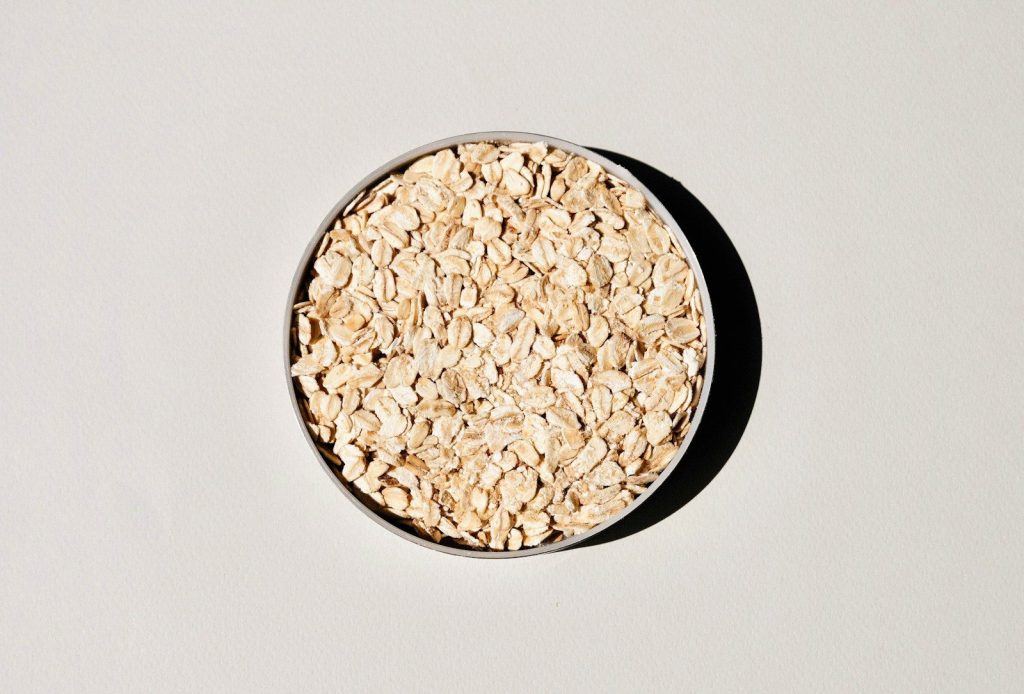
Oats contain beta-glucan, a soluble fiber that has a well-established record in cardiovascular research and a growing one in gut health. Beta-glucan forms a viscous gel in the digestive tract, feeds beneficial bacteria, and has been shown to reduce secondary bile acids. Secondary bile acids, particularly deoxycholic acid, are produced when gut bacteria metabolize primary bile acids, and elevated levels correlate with higher colorectal cancer risk.
Steel-cut and rolled oats both provide around 4 grams of fiber per cooked cup. Instant oats work too, as long as they’re plain. The flavored packets often carry enough added sugar to offset the benefit.
6. Broccoli
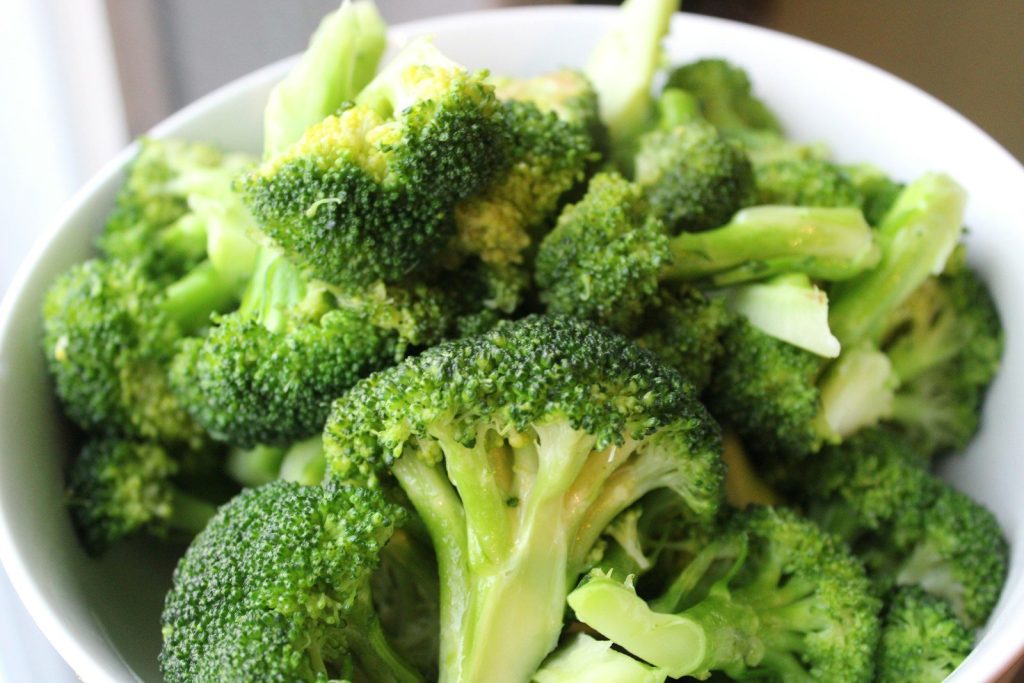
Broccoli shows up on every fiber list, and for once, the reputation is earned. One cooked cup provides about 5 grams of fiber, but the more relevant compound is sulforaphane, a sulfur-containing molecule formed when glucoraphanin in broccoli contacts myrosinase during chewing or chopping.
Sulforaphane has been studied extensively for its ability to activate Nrf2, a protein that regulates antioxidant responses in colon cells. It also appears to promote apoptosis in cancer cell lines while leaving healthy cells alone. That selectivity is what makes it a serious area of research. Lightly steaming broccoli preserves more sulforaphane than boiling. Raw broccoli activates the most, though not everyone tolerates it well.
7. Artichokes
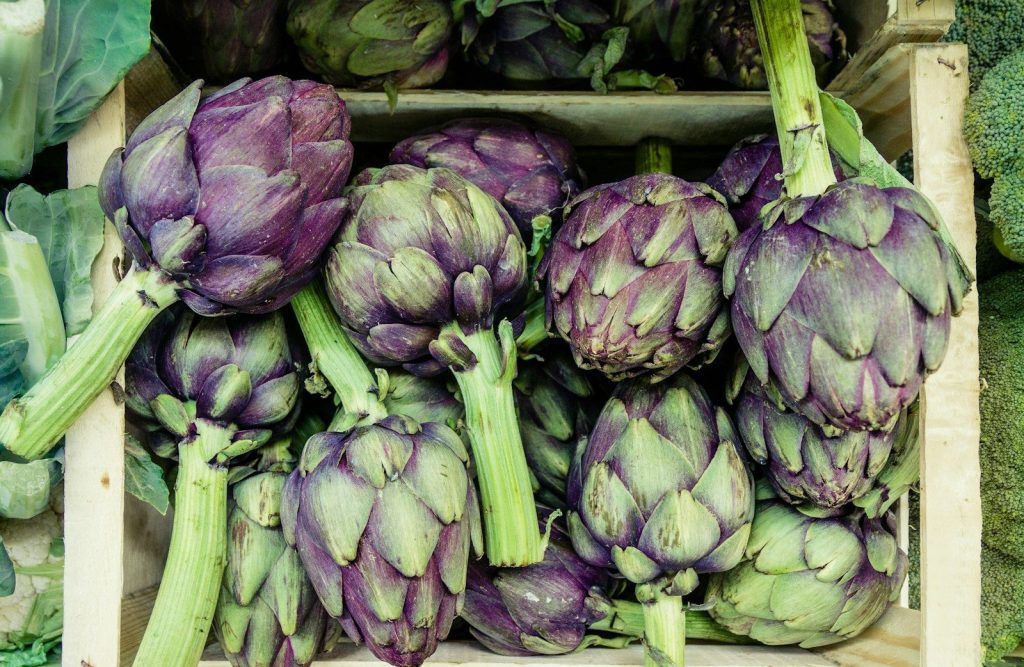
Artichoke hearts are an overlooked fiber source. A medium artichoke provides around 10 grams of fiber, and much of it comes from inulin, a prebiotic that specifically feeds Bifidobacterium strains in the colon. Inulin has also been shown to increase calcium absorption in the large intestine, which matters because calcium binds to bile acids and fatty acids, reducing their irritant effect on colon cells.
Canned artichoke hearts in water are nutritionally comparable to fresh and considerably easier to use. They hold up well roasted, blended into dips, or added to grain dishes.
8. Barley
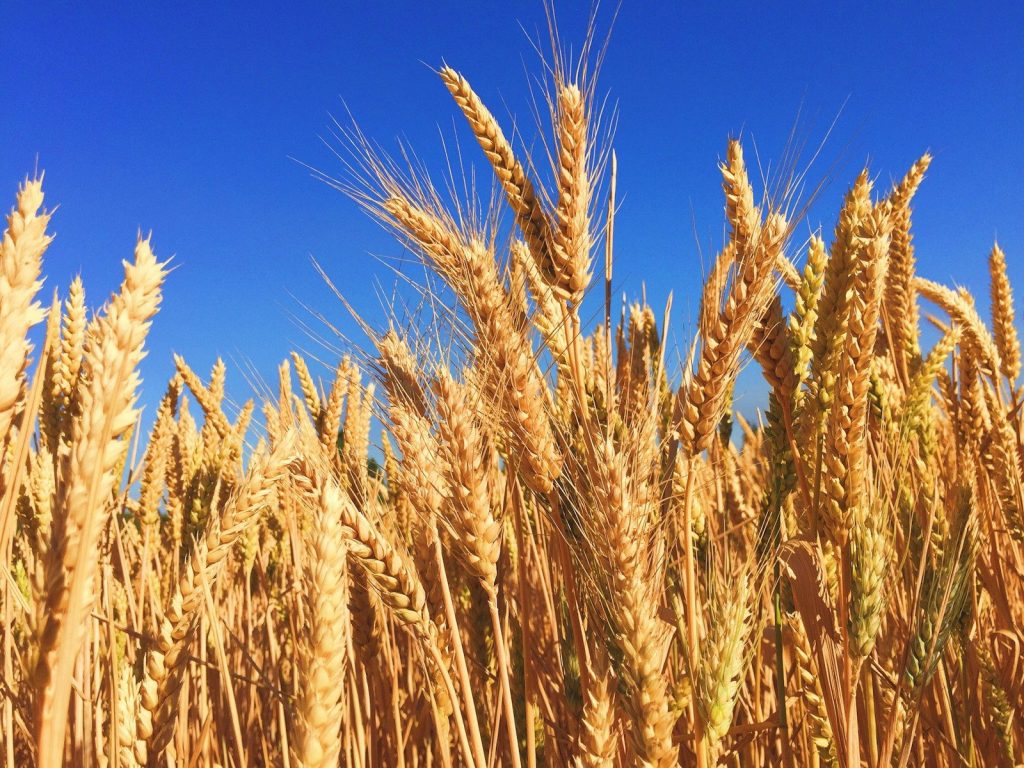
Barley is one of the richest whole grain sources of beta-glucan outside of oats, with about 6 grams of fiber per cooked cup. It also has a low glycemic index, which keeps blood sugar stable after eating. Chronic blood sugar spikes drive insulin resistance, and high circulating insulin is a recognized risk factor for colorectal cancer, partly because insulin promotes the kind of cell proliferation that can go wrong.
Pearl barley is the most common variety in American grocery stores. Hulled barley retains more of the outer bran and delivers slightly more fiber, though both are worth using. It works well as a base for grain bowls or stirred into soups where it absorbs broth and adds texture.
9. Flaxseeds
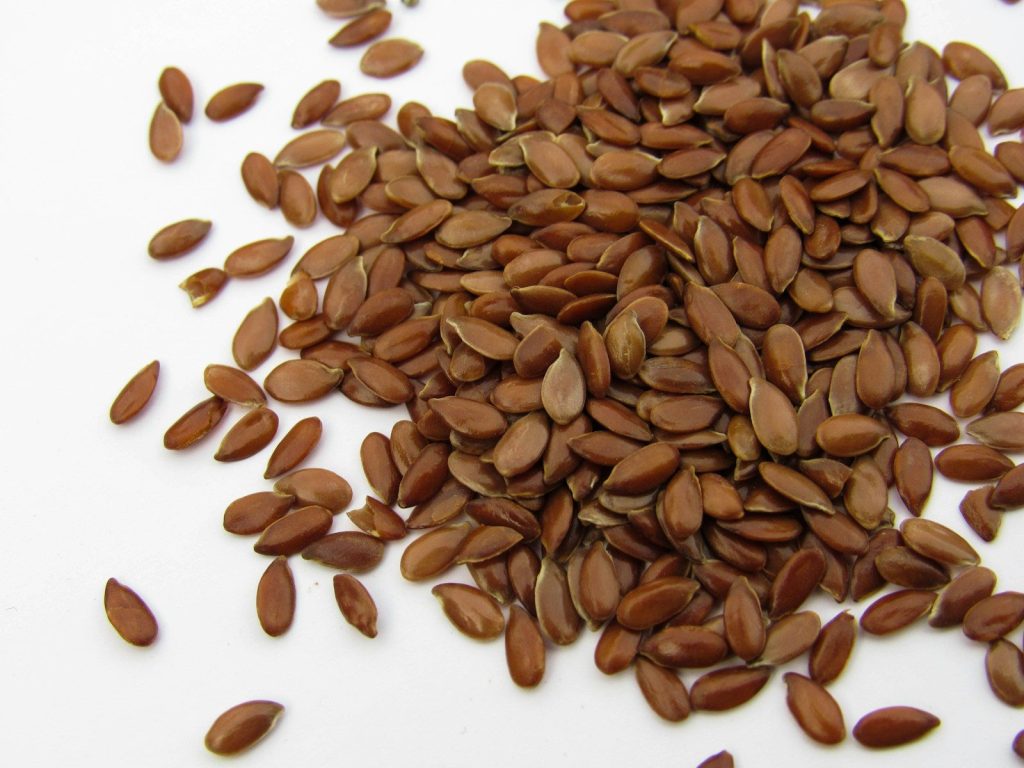
Two tablespoons of ground flaxseed deliver about 4 grams of fiber and a substantial dose of lignans, plant compounds that gut bacteria convert into enterolactone and enterodiol. Those metabolites have shown tumor-suppressive properties in colon tissue in several animal studies, and observational data in humans suggests an association between high lignan intake and reduced colorectal cancer risk.
Ground flaxseed absorbs into foods easily without changing the flavor in any noticeable way. Added to oatmeal, smoothies, or baked into muffins, it’s one of the lowest-effort ways to add both fiber and phytonutrients. Whole flaxseeds pass through the digestive tract largely undigested, so ground is the form that actually delivers the benefit.