

Keeping up with your lawn can be hard sometimes. But it turns out that a lot of your lawn issues actually come down to a few habits that seem harmless, but are not. Things like mowing your grass too short, or watering your plants too often, or skipping the soil test are the kinds of decisions that lead to lawn damage.
Yards that are able to flourish through the summer heat, droughts, and heavy use are not the result of expensive products or complicated routines. They thrive thanks to a few correct habits that are applied consistently and at the right time.
1. Cutting Your Grass Too Short
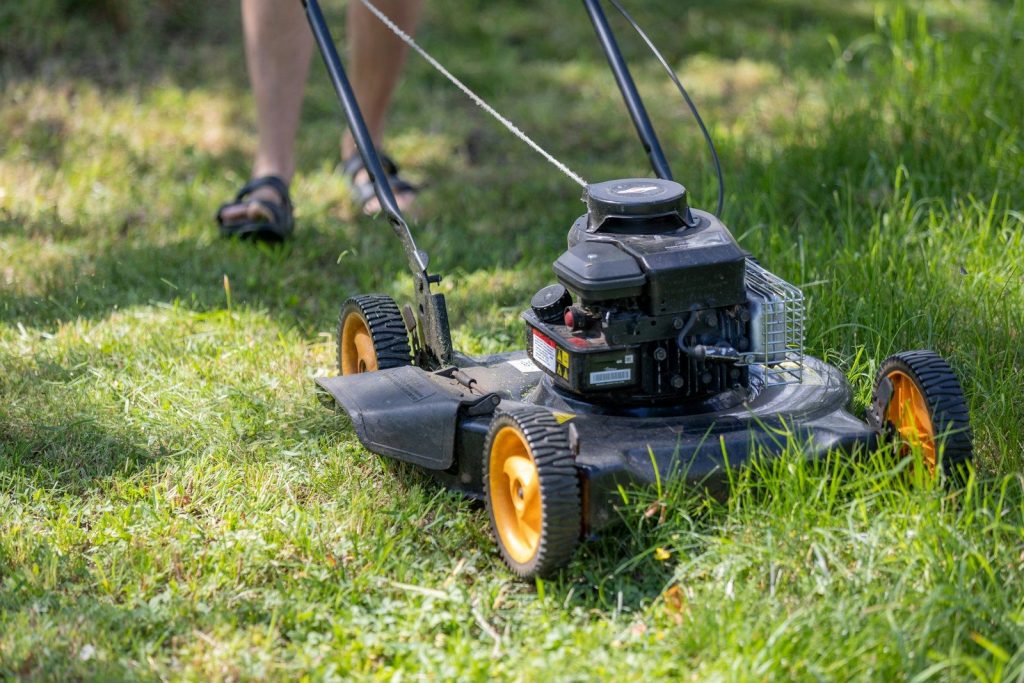
A quick way to destroy your grass on your lawn is by scalping. This happens when the blades of grass are clipped so short that they cannot get enough foliage to generate food and will depend on their stored root system to survive. This small mistake often results in shallow, weakened roots that struggle against droughts and foot traffic.
When the grass is tall, it creates shade over the soil, slowing moisture loss and making conditions harder for weed seeds. If you are using a cool season grass species, the blades of the grass should be at a height of three to four inches in summer. Never remove more than one-third of the blade in a single mowing session.
2. Overwatering and Watering at the Wrong Time
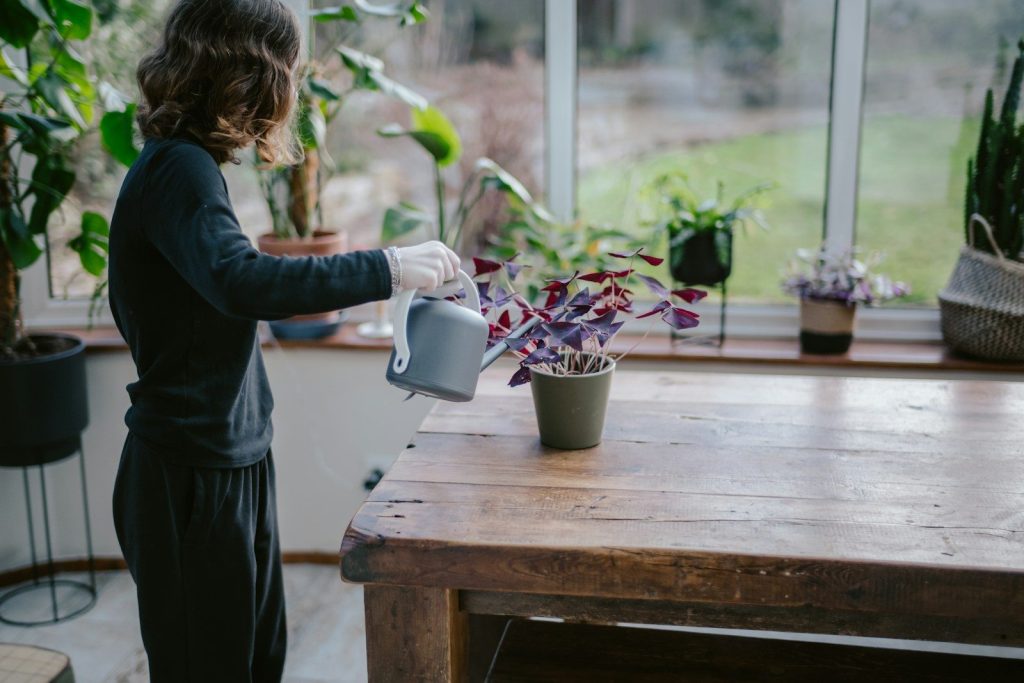
Soil saturation denies grass roots access to oxygen and often results in fungal disease while encouraging shallow root growth, and accelerates thatch buildup. In addition, timing is problematic because watering on hot afternoons causes water to be lost to evaporation.
But watering late in the evening leaves blades wet overnight, setting up conditions for mold and fungal infections. Water deeply and infrequently, aiming for about one inch per week applied early in the morning between 6 and 10 a.m. Push a six-inch screwdriver into the ground as a quick moisture check. Firm resistance means it is time to water.
3. Skipping Soil Testing
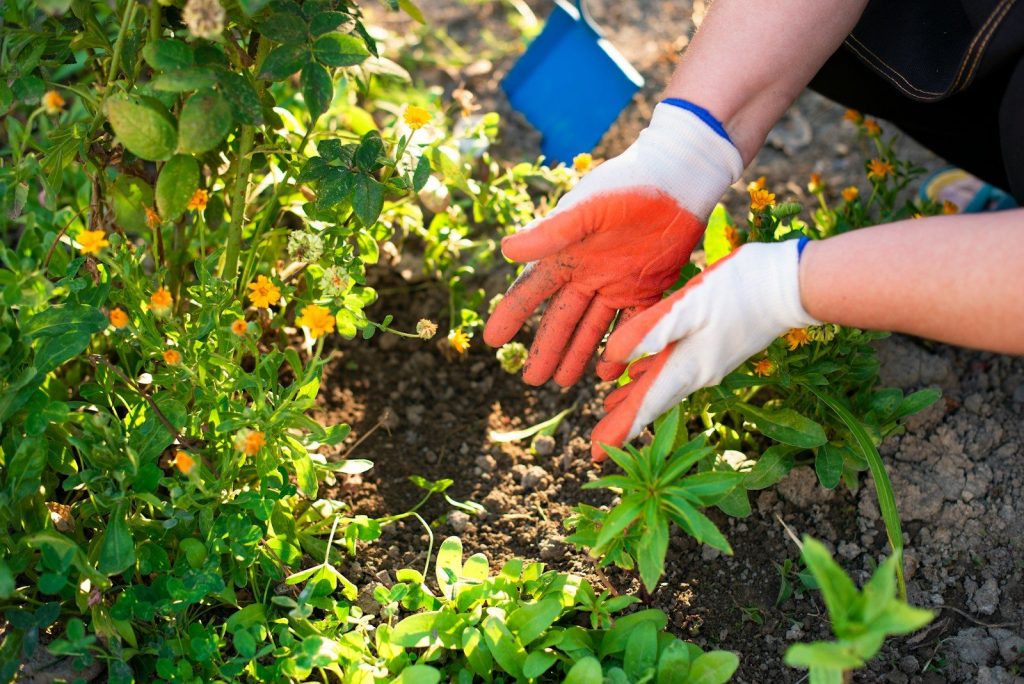
Fertilizing your garden can still produce a patchy, yellowing lawn if the soil pH is off. When pH falls outside the preferred range, nutrients become chemically unavailable regardless of how much product gets applied. Most grasses perform best in soil with a pH between 6.0 and 7.0.
Soil test kits are inexpensive and widely available. Many university extension programs offer free or reduced-cost testing. The results identify exactly what is missing and whether lime or sulfur is needed to correct the balance. Testing every two to three years prevents money from being spent on the wrong products.
4. Over-Fertilizing in Summer
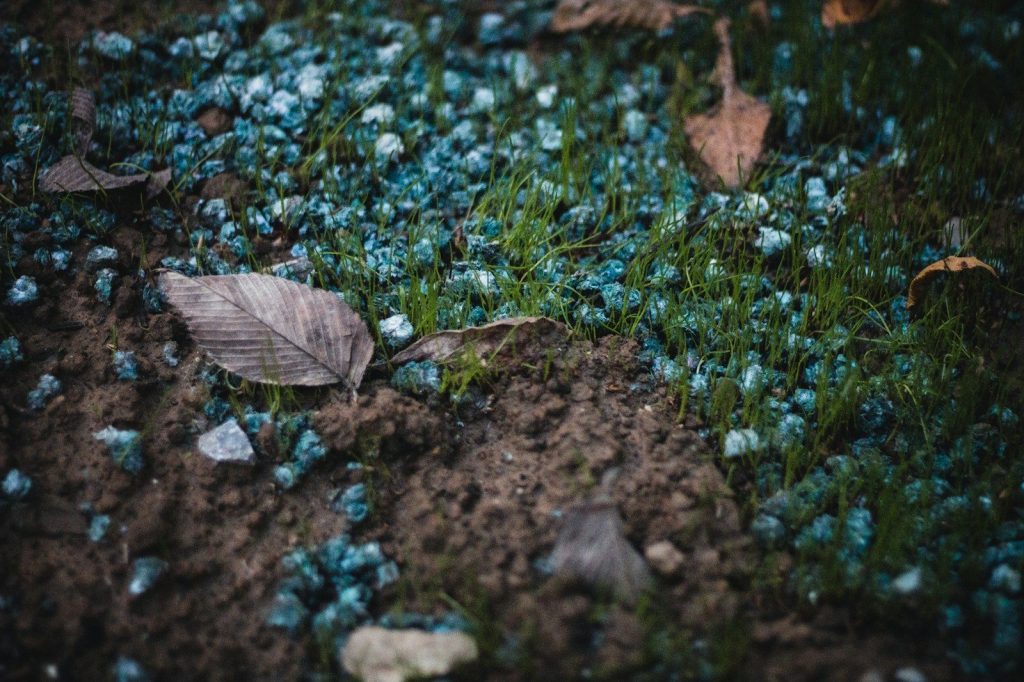
Cool-season grasses such as fescue, bluegrass, and rye are under heat stress during summer. Applying heavy nitrogen during that period pushes the plant harder when it has the least capacity to respond, and fertilizer burn becomes a real risk. The best feeding windows for cool-season types are early spring and early fall.
For warm-season varieties, late spring through midsummer is the productive range. Slow-release granular fertilizers supply nutrients gradually rather than flooding the plant all at once. Always water in granular fertilizer immediately after application.
5. Mowing With a Dull Blade
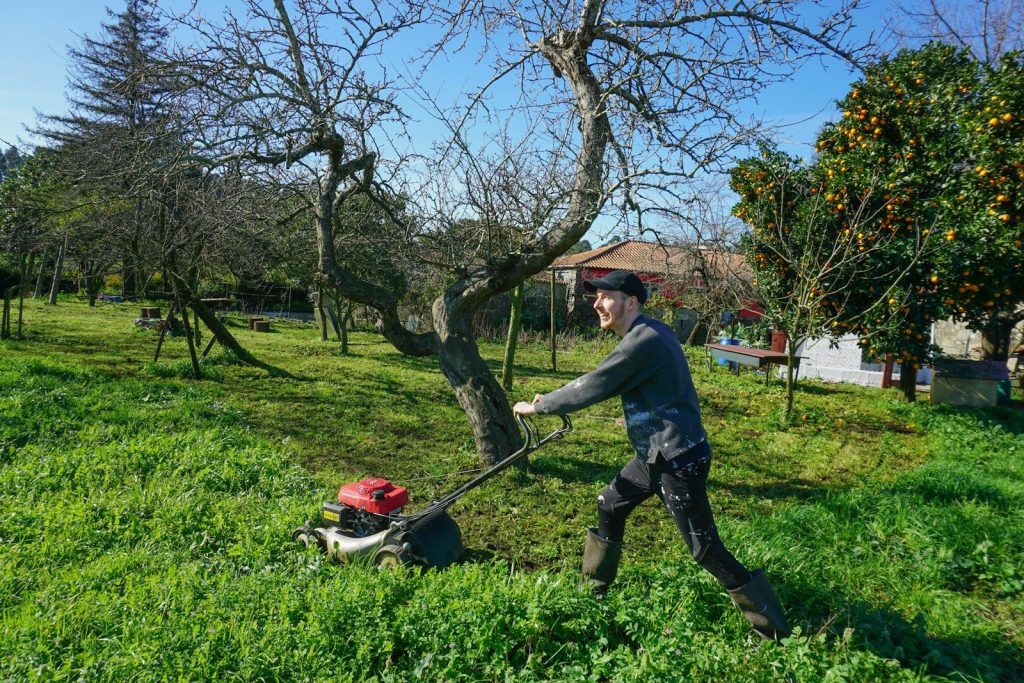
A dull mower blade tears grass rather than cutting it. Torn tips turn brown within days and the ragged wounds stay open longer, increasing vulnerability to disease and pest pressure. Sharp cuts seal cleanly, limiting moisture loss and reducing the window during which pathogens can enter.
For homeowners, sharpening once at the start of the season and once at midseason is a reasonable baseline. Sandy or rocky terrain wears blades faster. Sharpening is quick and inexpensive at most hardware stores.
6. Ignoring Thatch Buildup
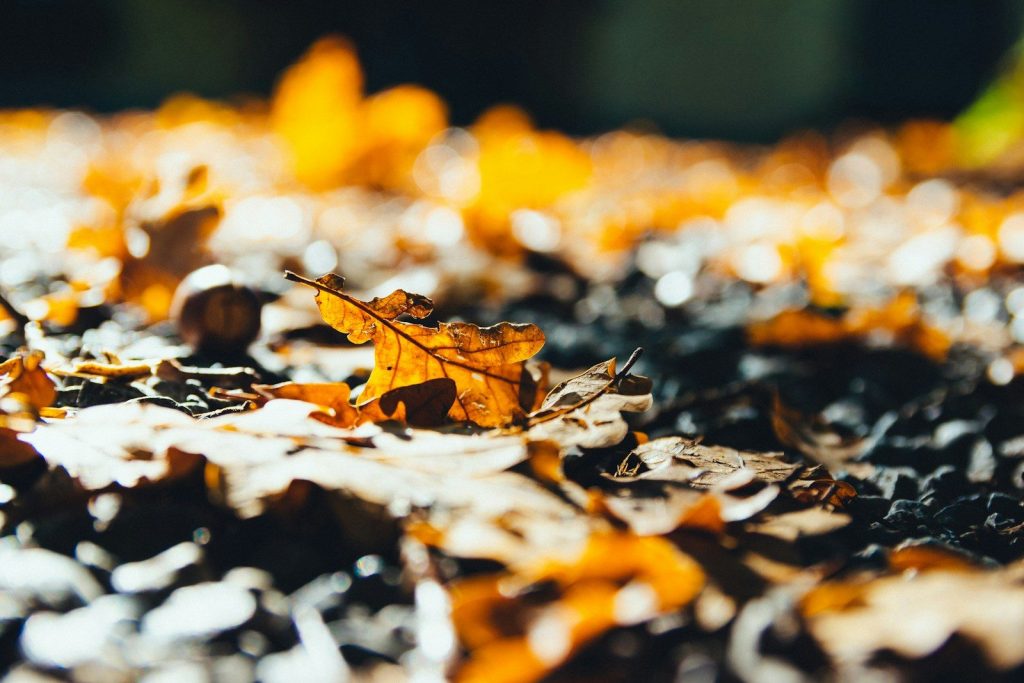
Thatch is the layer of dead stems, roots, and organic material between the soil surface and the living grass above. Once it exceeds three-quarters of an inch, it blocks water, air, and fertilizer from penetrating the soil.
Roots begin establishing in the thatch layer rather than the soil beneath, making them far more susceptible to drought and temperature stress. Power rakes and core aerators are available at most equipment rental centers. Limiting excess nitrogen and avoiding overwatering slow accumulation over time.
7. Planting the Wrong Grass for the Climate
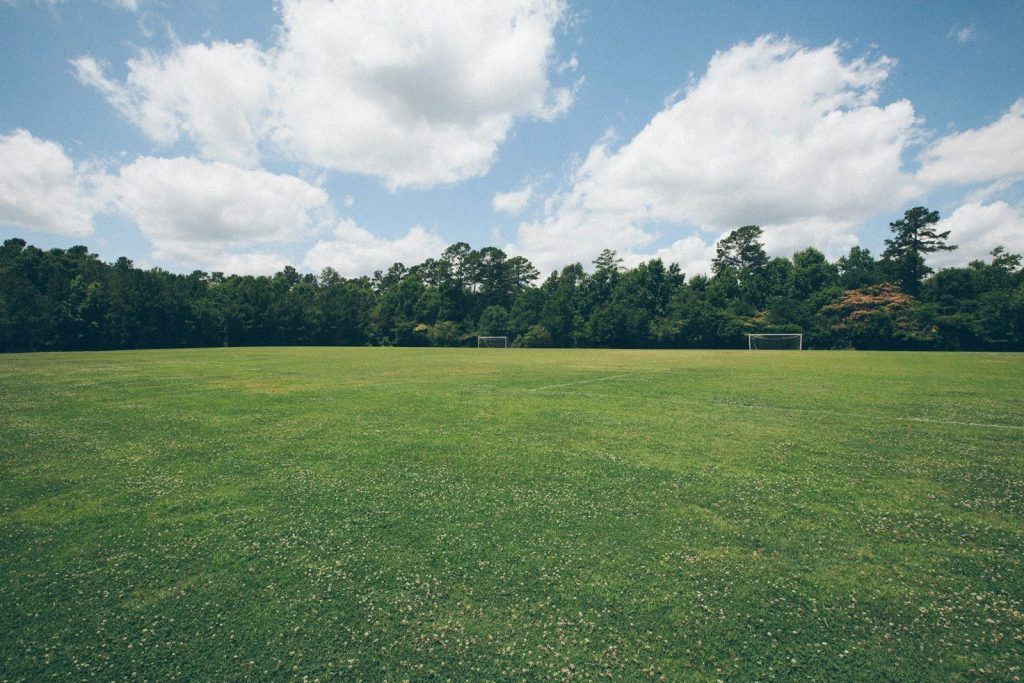
No level of maintenance fully compensates for a grass variety that does not suit the region. Climate patterns have shifted enough that some traditional grass choices are no longer performing the way they did a decade ago.
Checking the USDA Plant Hardiness Zone for the area and matching grass selection to it is the correct starting point. Native and drought-tolerant varieties have improved considerably and are better suited to current conditions in many parts of the country.
8. Applying Weed Killer Incorrectly
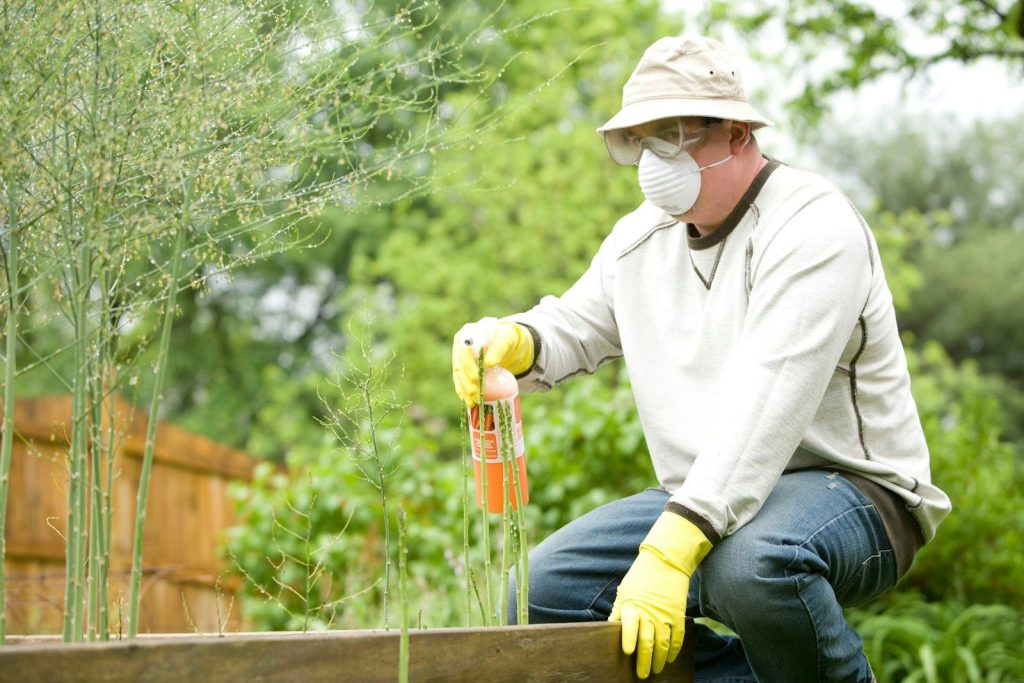
Pre-emergent herbicides must go down before soil temperatures reach the threshold at which target weeds sprout. Post-emergent products work on actively growing weeds but lose effectiveness when plants are already drought-stressed.
Always confirm the product label lists the specific grass species as safe before applying. St. Augustine is sensitive to several herbicides that cause no harm to bermuda. Spot-treating individual weeds reduces chemical use, protects surrounding turf, and keeps costs down.
9. Neglecting Fall Lawn Prep
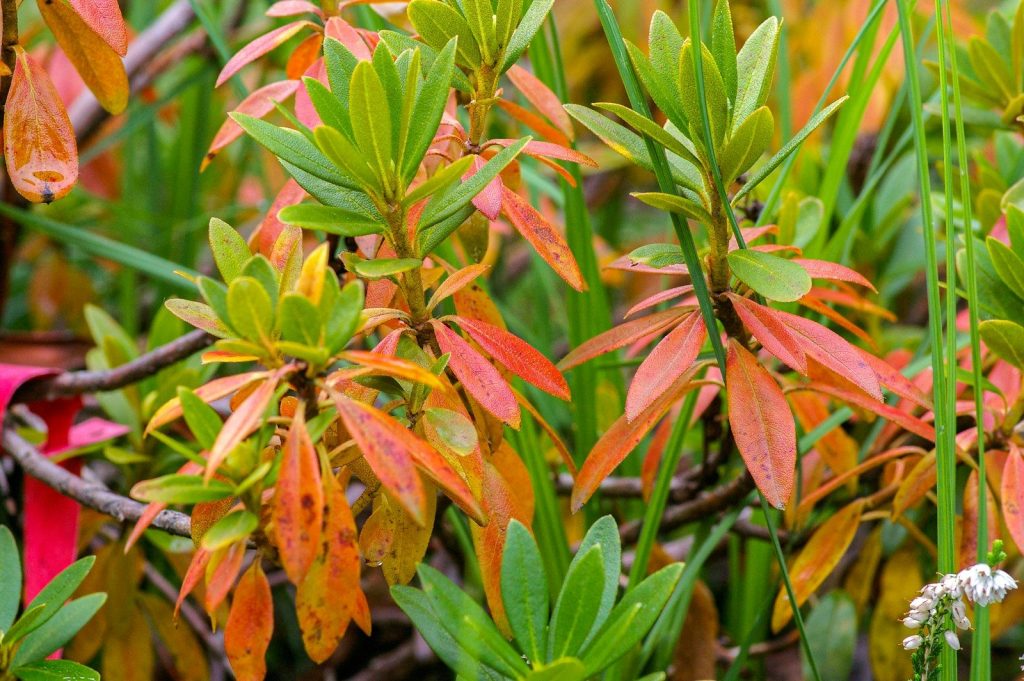
Fall creates the best conditions of the year for root development, recovery from summer stress, and preparing turf for winter. Skipping fall aeration, overseeding, and fertilization means entering spring with a thinner, weaker lawn more exposed to early weed pressure.
A solid fall routine includes core aeration, overseeding thin areas, applying a potassium-rich fertilizer, and continuing to mow at the correct height until growth stops, typically when soil temperatures drop below 50 degrees Fahrenheit.