

The brain is more adaptable than most people give it credit for. Well into adulthood, it continues forming new connections, pruning old ones, and responding to the way a person lives. That’s not optimism. That’s neuroplasticity, and researchers have spent the last decade getting increasingly specific about what actually moves the needle.
None of what follows involves expensive supplements or experimental treatments. These are ordinary lifestyle adjustments with a growing body of evidence behind them.
1. Prioritize Sleep Like Your Brain Depends on It

It does. During deep sleep, the brain activates its glymphatic system, a waste-clearing mechanism that flushes out toxic proteins, including amyloid beta, which is associated with Alzheimer’s disease. Consistently cutting sleep short means that process gets interrupted night after night.
Seven to nine hours remains the target for most adults. The bigger problem in 2026 isn’t ignorance about this, it’s that people know it and still don’t do it. Blue light exposure, late-night scrolling, and irregular bedtimes all undermine sleep architecture in ways a single good night won’t fix.
2. Exercise Changes the Brain Physically

Aerobic exercise increases blood flow to the hippocampus, the region most associated with memory and learning. Studies out of the University of British Columbia found that regular aerobic activity actually increases hippocampal volume in older adults. Volume. Not just function.
Thirty minutes of brisk walking, five days a week, is enough to produce measurable effects. It doesn’t require a gym membership or a complicated routine. The consistency matters more than the intensity.
3. Food Affects Cognition More Than Most Doctors Used to Admit

The MIND diet, a hybrid of the Mediterranean and DASH approaches, has been linked in multiple longitudinal studies to slower cognitive decline. It emphasizes leafy greens, berries, nuts, fish, and olive oil while limiting red meat, butter, and processed foods.
Blueberries, specifically, contain flavonoids that appear to improve communication between brain cells. That sounds like supplement marketing language, but the research behind it is legitimate. The Nurses’ Health Study found that higher blueberry and strawberry intake was associated with delayed cognitive aging by up to 2.5 years.
4. Chronic Stress Shrinks Brain Tissue

Prolonged exposure to cortisol, the body’s main stress hormone, has been shown to reduce gray matter in the prefrontal cortex. That’s the region responsible for decision-making, attention, and emotional regulation. Stress doesn’t just feel bad. It restructures the brain over time.
Mindfulness-based stress reduction, or MBSR, has been validated in clinical settings as a way to reduce cortisol levels and preserve cognitive function. Even ten minutes of daily focused breathing, practiced consistently, produces structural changes visible on MRI scans.
5. Social Connection Is a Neurological Need

Loneliness is now classified as a public health concern by the World Health Organization, and the cognitive data supports that classification. Socially isolated adults show higher rates of cognitive decline and a roughly 50% increased risk of dementia, according to research published in the journal Neurology.
The mechanism involves both stress pathways and reduced cognitive stimulation. Regular conversation, especially with people who challenge a person’s thinking, keeps the brain active in ways that passive entertainment simply doesn’t replicate.
6. Alcohol Deserves a More Honest Conversation

The old “a glass of red wine is good for the brain” narrative has collapsed. A major 2022 analysis in Nature Communications found that even moderate alcohol consumption was associated with reduced brain volume and white matter changes. There’s no protective threshold that holds up at scale.
Reducing consumption, or cutting it out entirely, is one of the more underrated things a person can do for long-term brain health.
7. Learning New Skills Builds Cognitive Reserve

Cognitive reserve refers to the brain’s ability to compensate for damage or disease. People with higher cognitive reserve show fewer symptoms even when physical brain changes are present. Building it comes down to sustained, effortful learning.
Learning a new language, a musical instrument, or even a complex craft like woodworking forces the brain to form new neural pathways. Passive entertainment, regardless of the content, doesn’t produce the same effect. The effort is the point.
8. Hearing Loss Is a Modifiable Risk Factor
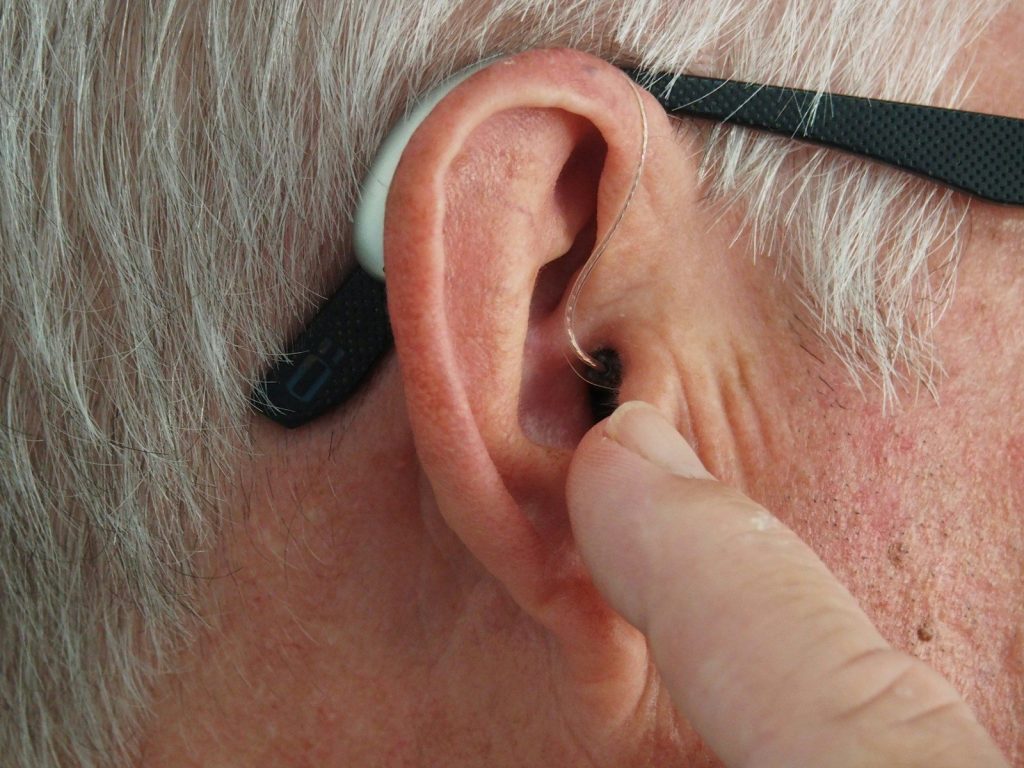
This one surprises people. Untreated hearing loss is now considered one of the largest modifiable risk factors for dementia, according to the Lancet Commission on Dementia Prevention. The theory is that hearing loss increases cognitive load, reduces social engagement, and may lead to accelerated brain atrophy in auditory processing regions.
Getting hearing checked, and using aids when needed, is a practical and often overlooked intervention.
9. Small Habits, Long Timelines

None of these changes produce overnight results. Brain health operates on timelines measured in years and decades, which makes it genuinely difficult to stay motivated. The evidence, though, is consistent enough to take seriously. Researchers at the Karolinska Institute found that adults who adopted multiple healthy lifestyle behaviors simultaneously reduced their dementia risk by up to 60% compared to those who adopted none.
The brain responds to how a person lives. That’s the most useful thing to know.